 Get a quote
Resources
Why is laser welding so difficult for welding copper?
In recent years, laser welding machines have been widely used in the automotive, aerospace, and shipbuilding industries due to their advantages such as high energy density, small deformation, narrow heat effect zone, fast welding speed, convenient automatic control, and further processing capabilities.

Why is it difficult to weld copper with laser welding machines? There are two main reasons:
Copper has high reflectivity, making it very difficult to collect and heat it using a laser.
Copper has high thermal conductivity, requiring a large amount of heat, while laser heating is relatively concentrated and cannot effectively compensate for heat loss in copper.
Currently, commonly used welding methods include arc welding, resistance welding, brazing, and electron beam welding. Arc welding is one of the most widely used welding methods at present, including manual arc welding, submerged arc welding, tungsten inert gas welding, plasma arc welding, and metal gas shielded welding. These welding methods have certain disadvantages, such as space limitations and difficulty in operating precision equipment. Laser welding not only avoids these disadvantages but also allows for precise energy control, enabling precise welding of miniature devices. It can be used to weld various metals, especially some difficult-to-weld metals and a wide variety of metals.

Advantages of copper laser welding:
1. Traditional welding methods expose a large hot surface, and the welding area is exposed to heat and deformation, resulting in a less smooth weld surface. Copper laser welding machines have a very small heating surface because the weld size can be automatically adjusted.
2. Copper laser welding reduces part wear and reduces investment by eliminating electrode contamination. The high temperature generated by the laser beam is used to weld the body surface.
3. Computers can use copper laser welding, making it more precise and achieving better welding results. It also avoids magnetic field interference, unlike arc welding. If a magnetic field interferes, the task will not be successful. Laser welding can also be used to weld dissimilar metals. Copper laser welding is simple, precise, and highly adaptable.
Related
Keep
reading.
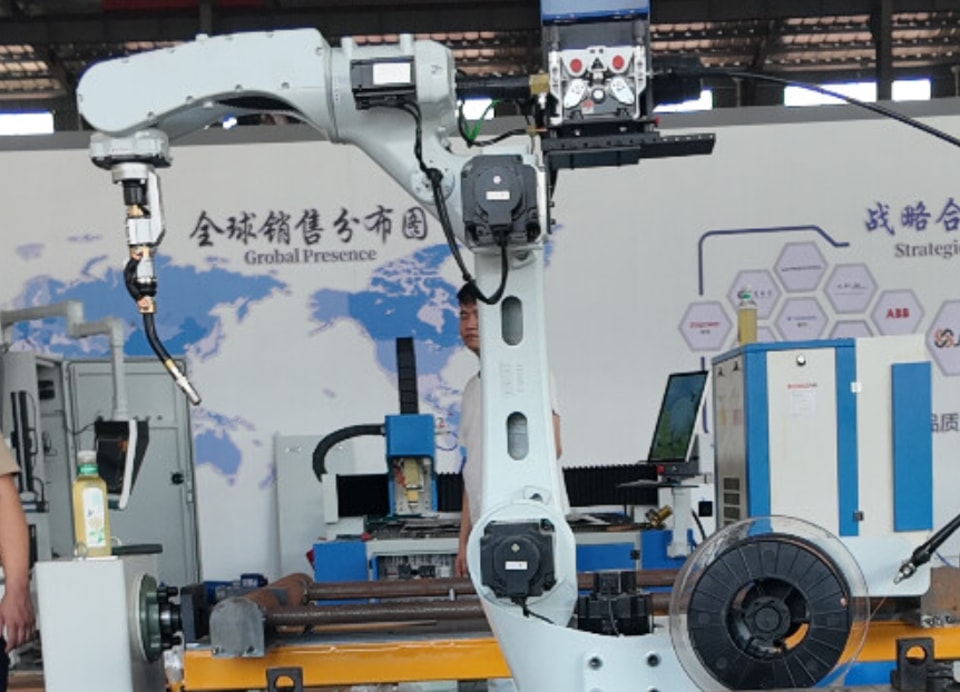 Comparison of Laser Welding Results and Application Scenarios Across Different Materials
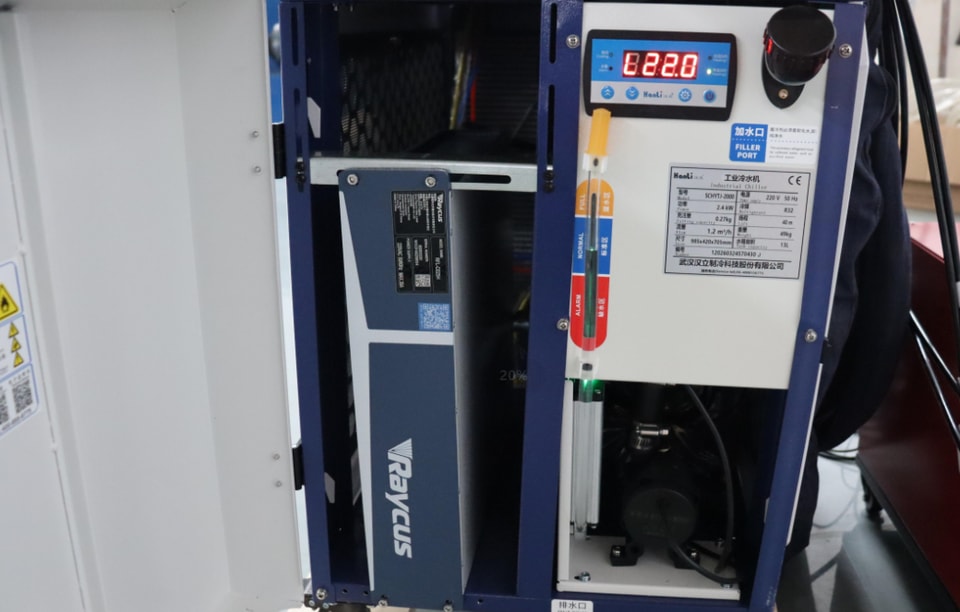 How to Choose Between Air-Cooled and Water-Cooled Laser Welding Systems
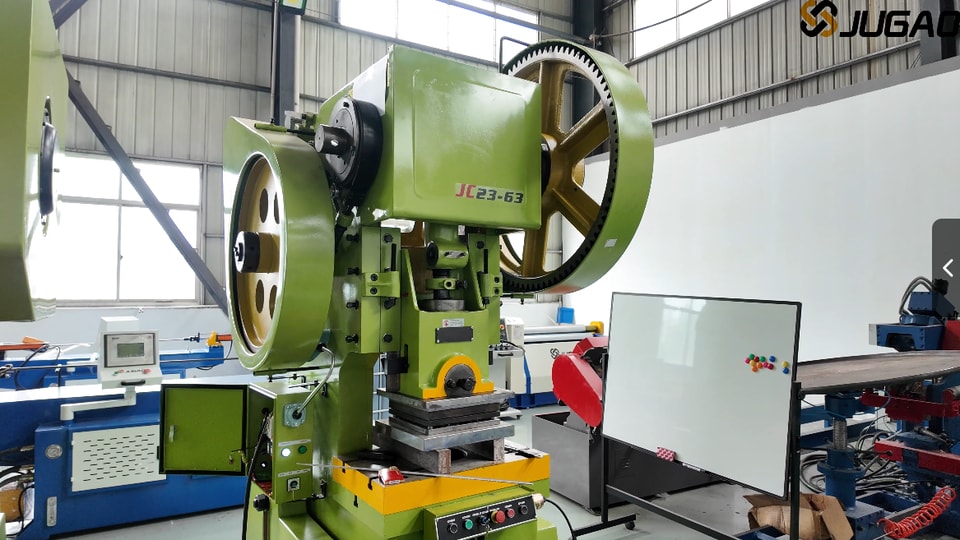 Understanding Punching Machines: Principles, Types, and Selection
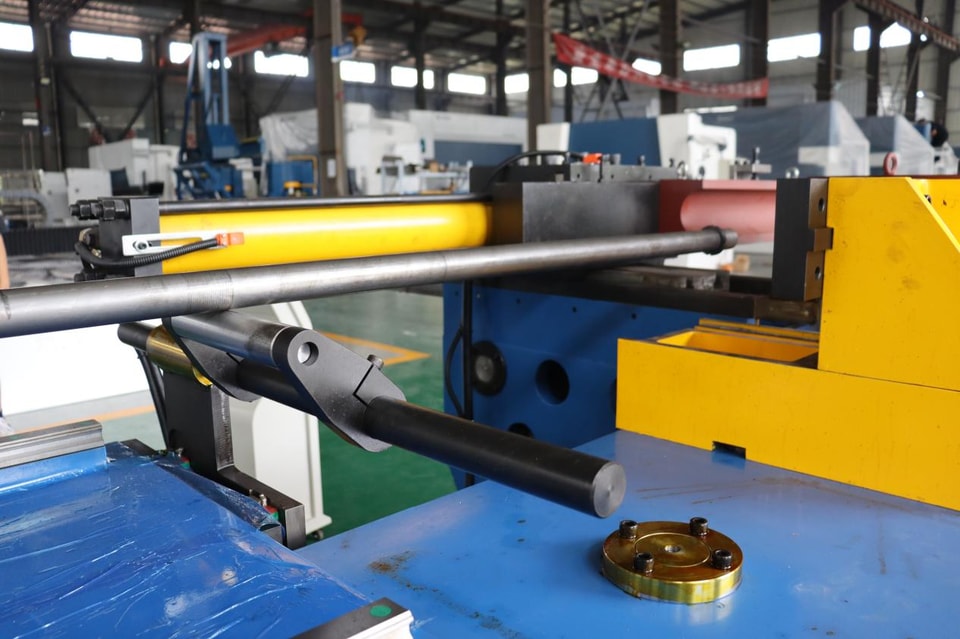 How can one effectively follow the installation guidelines for a pipe-bending machine?
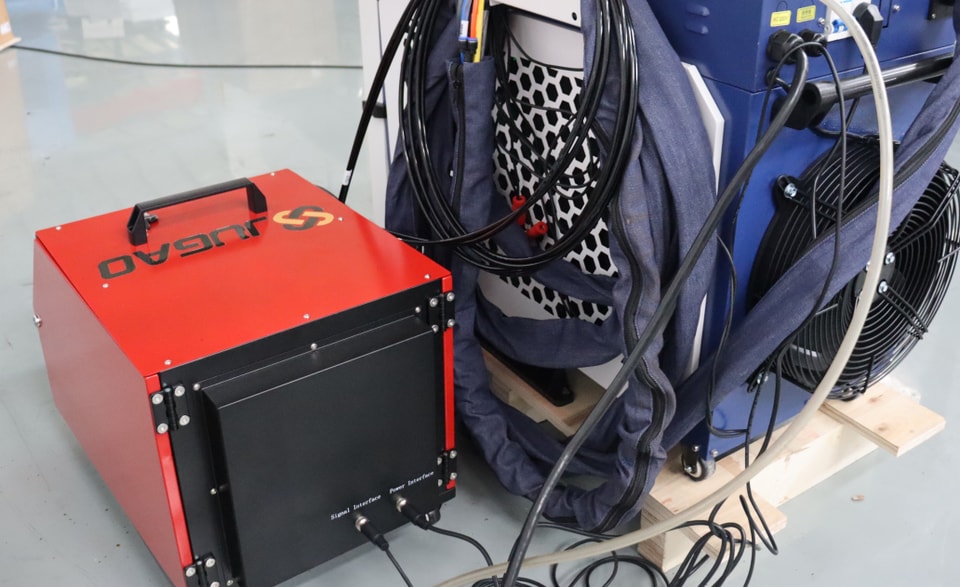 For which types of products is an automatic wire-feeding laser welding machine suitable?
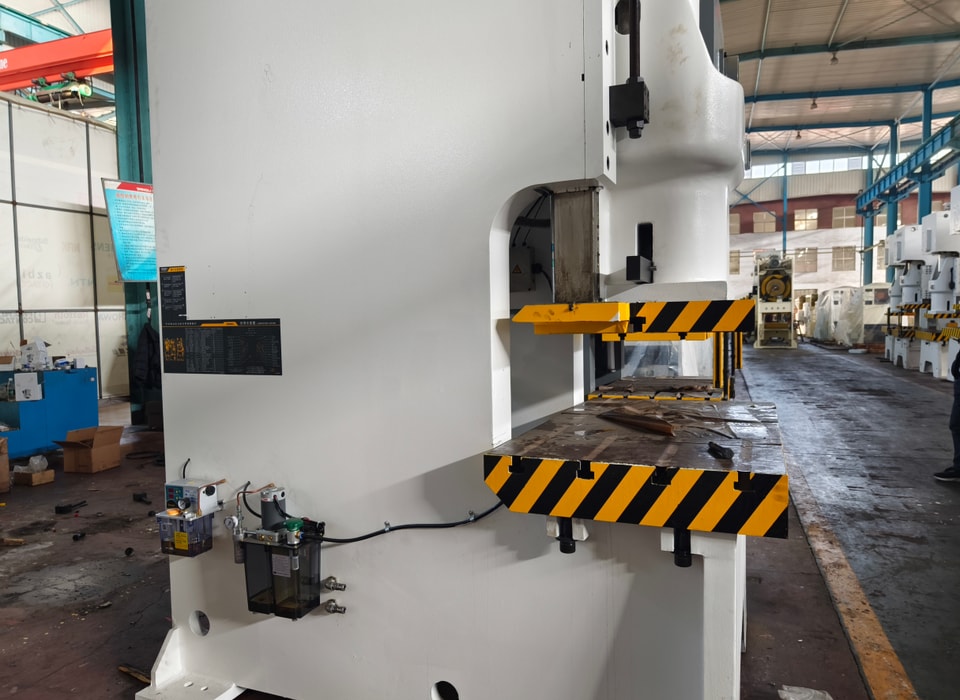 What Are the Latest Punching Machine Trends and Technological Breakthroughs?
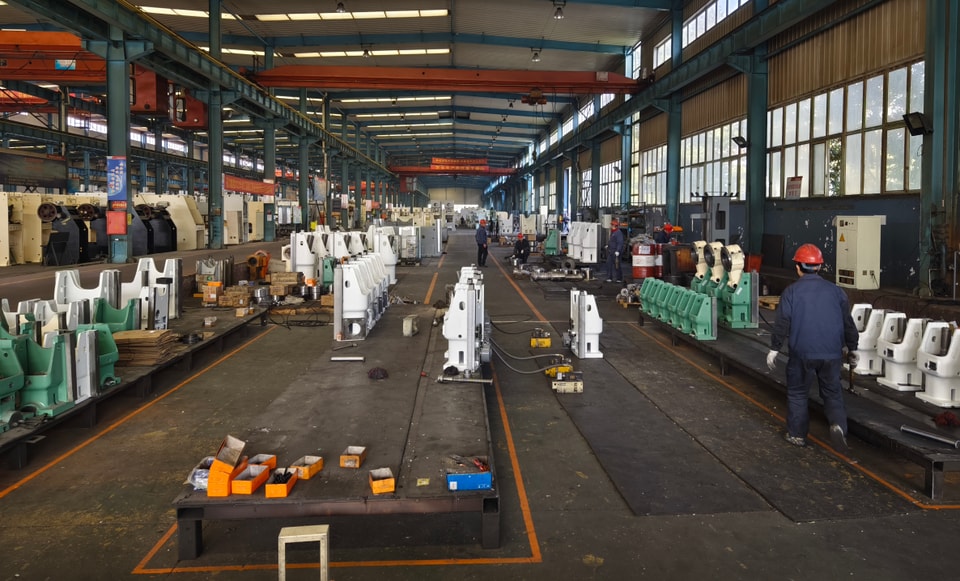 What Triggers Punching Machine Noise and How Can You Quieten It?
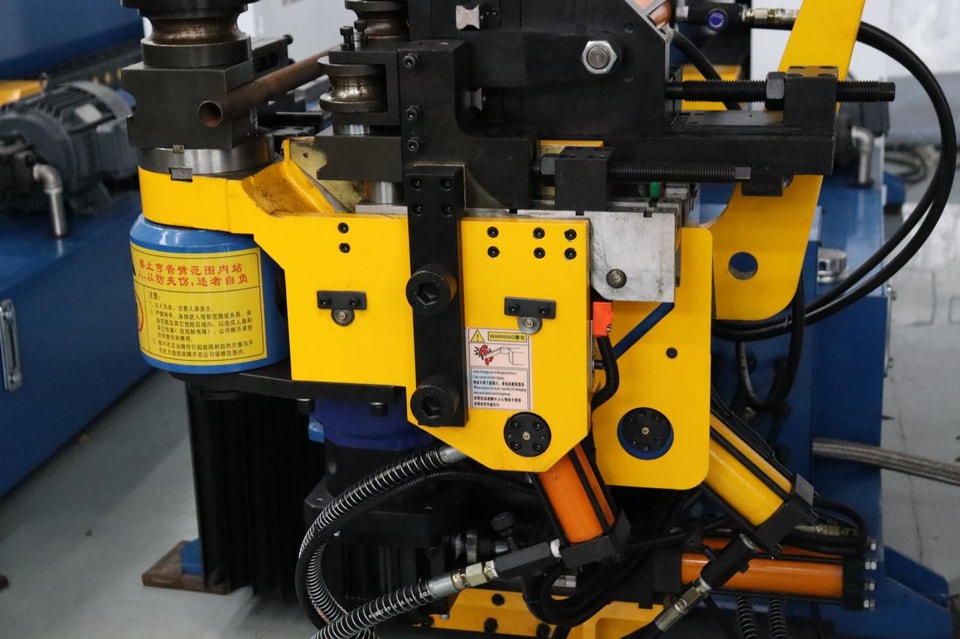 What factors influence the replacement cycle of wear parts in a pipe-bending machine?
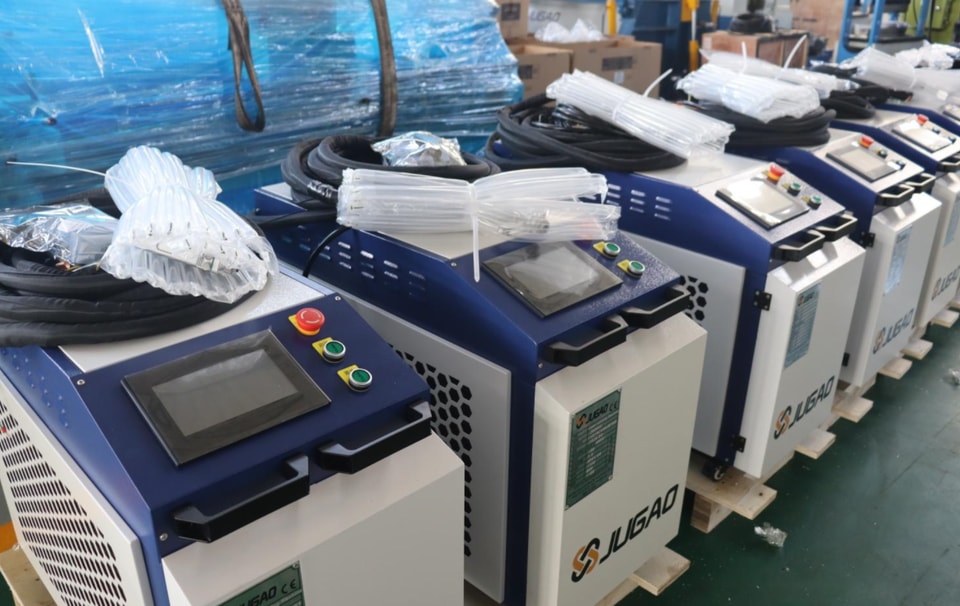 Beyond price, what key parameters should you consider when purchasing welding equipment?
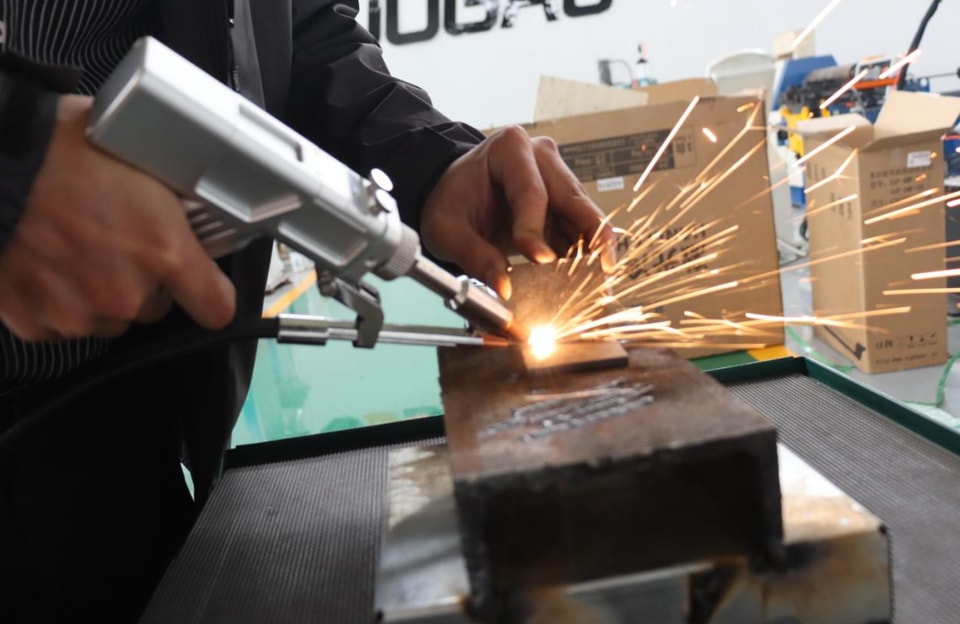 4 Common Methods for Inspecting Weld Quality
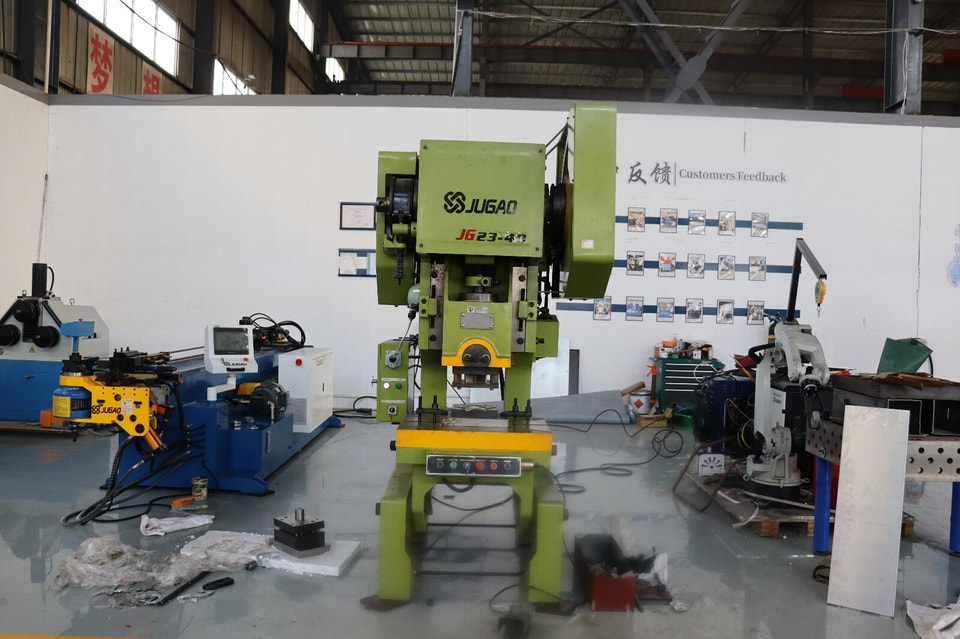 Selecting the Top Punching Machines for Small Workshops & Heavy Industry
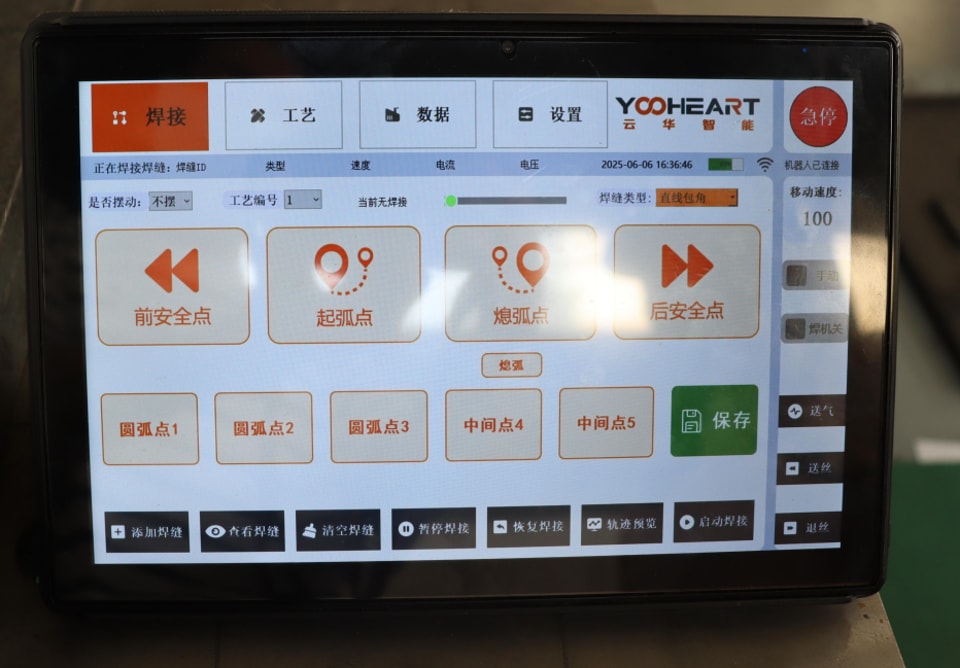 How do you set the welding path for a robotic laser welding machine? Can it perform precise welding on complex workpieces?
Engineering review
Send a drawing.
Get an engineer.
Standard selections answered within 4 hours. Parts outside the rules get a written process review within 24 hours.
- Part drawing: DXF, DWG, STEP or PDF
- Material and thickness
- Longest bend or cut length
- Yearly volume
Write to info@ntjugao.com or message the factory on WhatsApp +86 132 2211 1178.
Drawings (DXF, DWG, STEP, PDF): attach them to an email to info@ntjugao.com, quoting your name.