


What should an annual overhaul of a pipe bending machine include?
2026-04-22

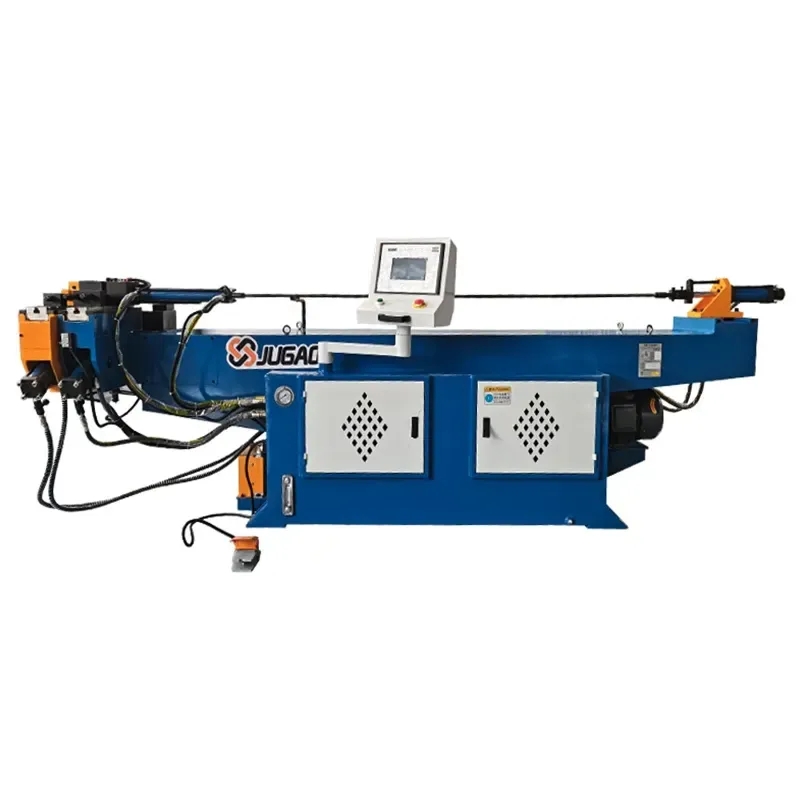
An annual overhaul is the core of in-depth maintenance of a pipe bending machine. Unlike daily inspections and quarterly maintenance, it requires a systematic restoration of the equipment's accuracy and reliability. The following are the key items that should be covered in an annual overhaul.
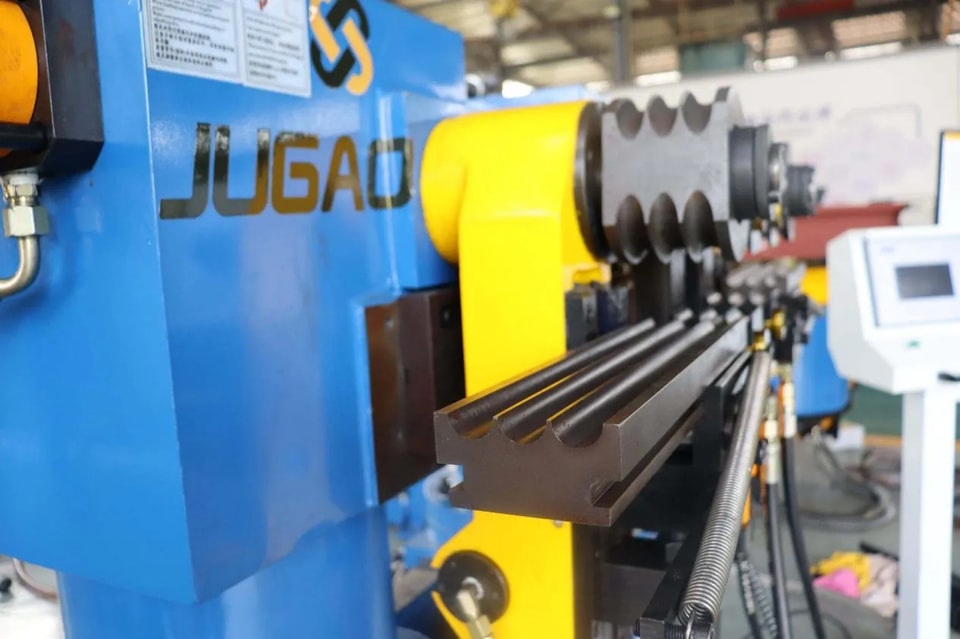
1. Hydraulic System
Replace all hydraulic oil and clean the inside of the oil tank.
Replace the suction filter, return filter, and air filter.
Inspect the oil pump: measure clearances, replace worn parts or the pump core.
Disassemble and clean the relief valve, directional valve, and throttle valve; replace aged seals.
Inspect the cylinder: replace piston rod seals and dust rings; check for scoring on the cylinder wall.
Clean or replace the cooler (air-cooled/water-cooled) to ensure heat dissipation efficiency.
2. Mechanical Transmission Components
Inspect the linear guide and slider: measure clearances and wear; replace in pairs if out of tolerance.
Inspect the ball screw: measure backlash, adjust preload, or replace the screw pair.
Inspect the reducer: replace gear oil, disassemble and inspect gears and bearings.
Inspect the bend arm gear, rack, or chain: replace if severely worn, adjust meshing clearance.
Inspect and tighten all anchor bolts and transmission component fixing bolts.
3. Dies and Mandrels
Comprehensive inspection of the working surfaces of bending dies, clamping dies, and anti-wrinkle dies: repair or replace worn, scratched, or rusted dies.
Inspect the mandrel: check the flexibility of the ball joints, and check for bending or scratches on the mandrel rod; replace if necessary.
Check the alignment accuracy of the leading edge of the anti-wrinkle die with the tangent point of the bending die; readjust as needed.
4. Electrical and Control Systems
Clean dust from inside the electrical control cabinet (use a vacuum cleaner; do not use compressed air).
Check the PLC, frequency converter, and servo drive: check the cooling fan operation status and for bulging capacitors.
Check all wiring terminals: tighten any loose connections, and replace oxidized or burnt contacts.
Check the encoder, proximity switch, and angle sensor: clean the sensing surface and test signal accuracy.
Check the motor: check bearing lubrication, insulation resistance, and fan blade condition.
Check the operation panel and emergency stop button for proper functioning.
5. Precision Calibration
Bending Angle Calibration: Using a high-precision angle gauge, compare the displayed value with the actual value to recalibrate the zero point and gain.
Feed Length Calibration: Measure the deviation between the actual feeding distance and the displayed value to correct the pulse equivalent or mechanical backlash.
Rotation Angle (B-axis) Calibration: Correct the spatial angle accuracy to ensure accurate positioning of multiple bends.
Repeat Positioning Accuracy Test: Run continuously for more than 10 times and statistically analyze the deviation range.
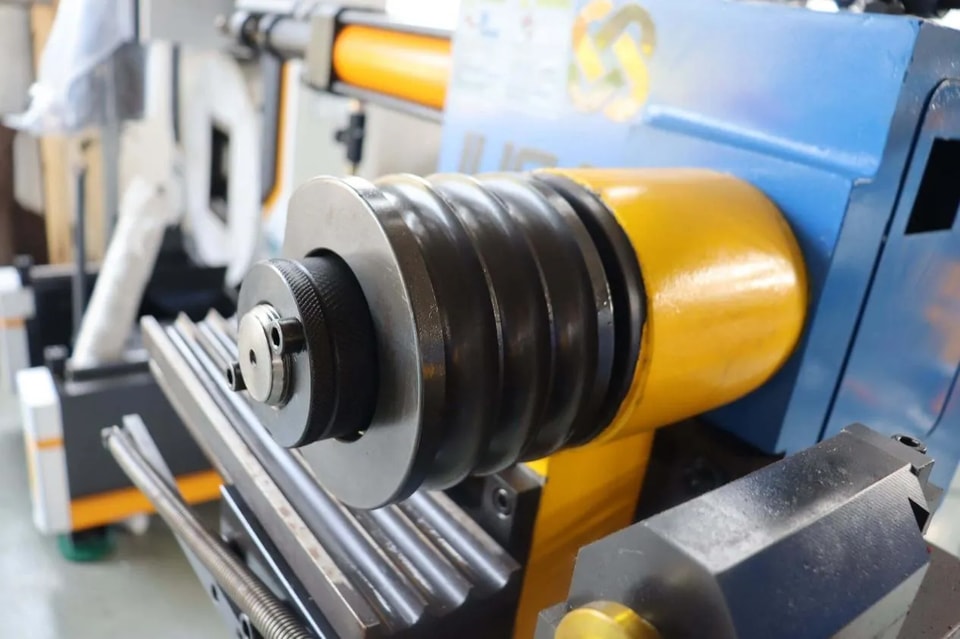
6. Lubrication System
Clean the automatic lubrication pump tank and replace the grease (using the specified grade).
Check the oil distributor for blockages; clear or replace if necessary.
Check all lubrication lines and joints; replace aged or broken oil lines.
7. Safety Devices
Test the emergency stop circuit: All movements should stop immediately after pressing the emergency stop button.
Check the functions of the light curtain, safety door switch, and limit switch.
Check if the hydraulic system safety valve (relief valve) set pressure is within the rated range.
8. Machine Cleaning and Rust Prevention
Thoroughly remove grease and metal shavings from the equipment surface and hard-to-reach areas.
Apply rust-preventive oil to exposed metal parts (piston rod, guide rail surface, spindle rod).
Inspect and repair damaged guide rail guards and cable chains.
Post-overhaul verification:
Run the system under no-load for 30 minutes to check the smoothness of each movement, noise, and temperature.
Use standard pipes for trial bending to check angles, dimensions, and surface quality. Only after passing these checks can the system be put into production.

Annual overhauls are recommended to be scheduled during holidays when downtime is longer. Spare parts should be prepared in advance, and the work should be performed by professional maintenance personnel. Records should be kept, and replaced parts and adjusted parameters should be archived to provide a basis for maintenance in the following year.
Contact Us