




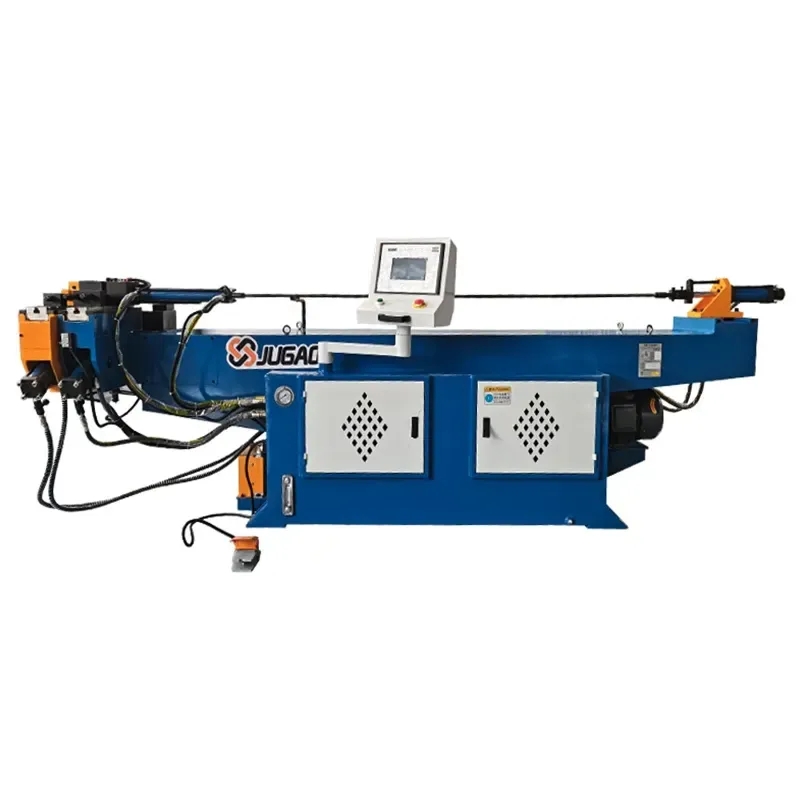
Pipe bending machine installation safety: To avoid accidents as soon as you turn on the machine, you must pay close attention to these three steps.
2026-04-28

I witnessed it firsthand: a newly installed pipe bending machine was being tested by the electrician when the bending arm suddenly swung around with a loud bang, almost hitting him against the wall. The reason was simple—the initial position wasn't confirmed during installation, and the emergency stop button wasn't pressed.
The first start-up of the pipe bending machine after installation is the most dangerous moment. Make sure the following three things are done correctly before turning on the power.
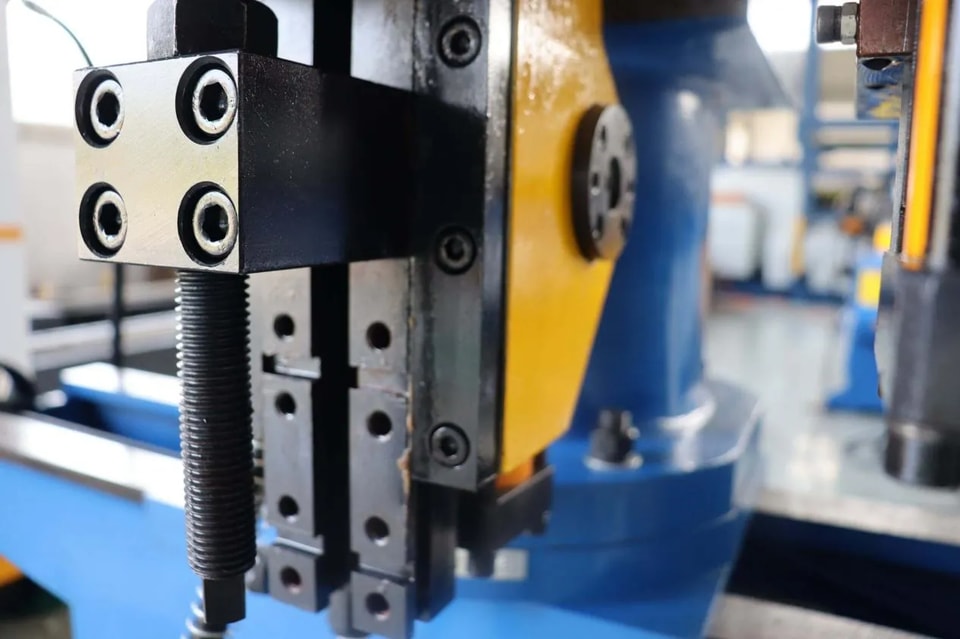
1. Wiring must be double-checked; don't rely on one person's memory.
The main motor of a pipe bending machine is usually three-phase. Reversing the phase sequence will cause the motor to run in reverse. The hydraulic pump will not pump oil in reverse, but the mechanical self-locking mechanism of the bending arm may fail, causing the arm to drop under gravity. This isn't an exaggeration; it's happened before.
Therefore, after wiring, briefly start the motor to check if the direction of rotation matches the arrow on the oil pump. Using a phase sequence meter is even safer. Furthermore, electrical wiring must be done by two people: one to connect and one to verify. Check it yourself; any omissions are unacceptable.
2. Emergency stop buttons and limit switches must be tested before operation.
After powering on the equipment, the first thing to do is not to press the start button, but to press the emergency stop button one by one. Press each emergency stop button to confirm that pressing it cuts off the machine's power and turning it back on restores it. Do the same for limit switches: manually push the stop blocks, listen for the sound of the contacts opening and closing, and check if the PLC input lights are on.
Many people skip this step because it's troublesome, but when problems arise, the emergency stop is completely ineffective—sometimes due to unconnected wires, sometimes due to incorrect parameter settings. Installation without testing is pointless.
3. For the first run, set the speed to the slowest setting and wait for the oil temperature to rise before proceeding.
Set the parameters to a very slow speed initially. Adjust the bending speed to below 10%, and set the clamping pressure to a low value as well. Before starting, let the hydraulic pump idle for 3-5 minutes to purge air from the pipelines and allow the oil temperature to rise slightly. If the hydraulic oil is too thick, the operation will be shaky, and sudden changes in speed are most likely to cause accidents.
For the first bend, don't use a standard tube. Take a scrap tube, remove your hand from the movement area, and stand to the side to observe. Observe whether the sequence of movements is correct: first clamp, then bend the arm and rotate, and whether the spindle's forward and backward movements are consistent with the procedure. If the sequence is wrong, immediately press the emergency stop button.
Extra reminder: Don't skimp on anchor bolts.
The pipe bending machine generates impact during operation. If the anchor bolts aren't tightened properly, the machine will move around. After leveling the machine, tighten each anchor bolt to the specified value using a torque wrench. Don't use an adjustable wrench; loosening it will only make it looser with vibration.
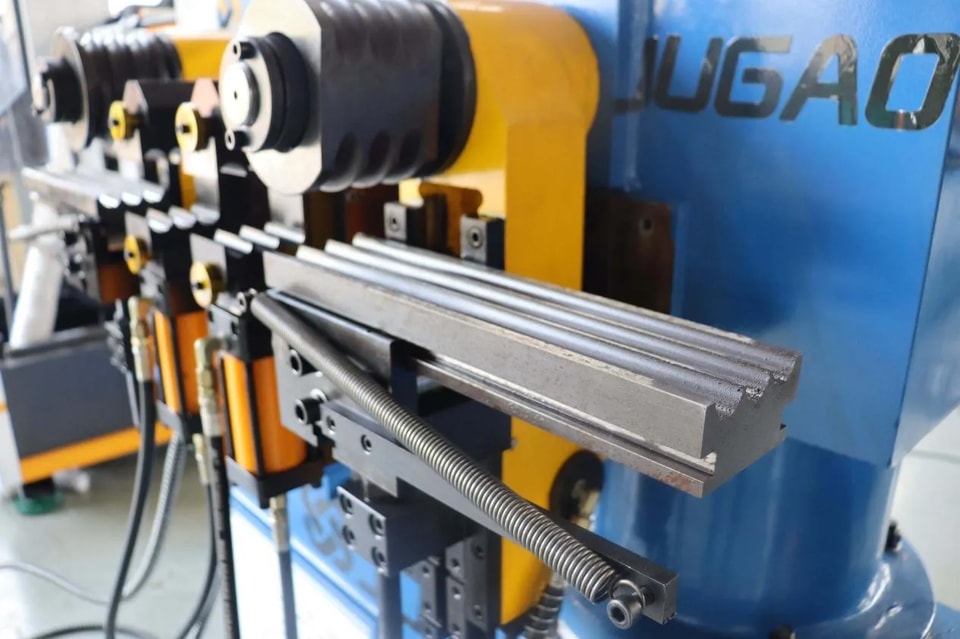
For the first start-up of the pipe bending machine after installation, slow and steady wins the race. Confirming the phase sequence, testing the emergency stop, and running it under low speed and no load—doing these three things correctly can prevent 90% of accidents. Meeting deadlines isn't about risking your life.
Contact Us