 Get a quote
Resources
Is your pipe bending machine's cooling system malfunctioning? Don't wait until the oil overheats to fix it!
If your pipe bending machine runs continuously for several hours and the oil temperature spikes to 60-70 degrees Celsius, the operation slows down, the angle becomes inconsistent, or it even alarms and shuts down—it's most likely a problem with the cooling system. Here are a few tips to help you quickly find the root cause.
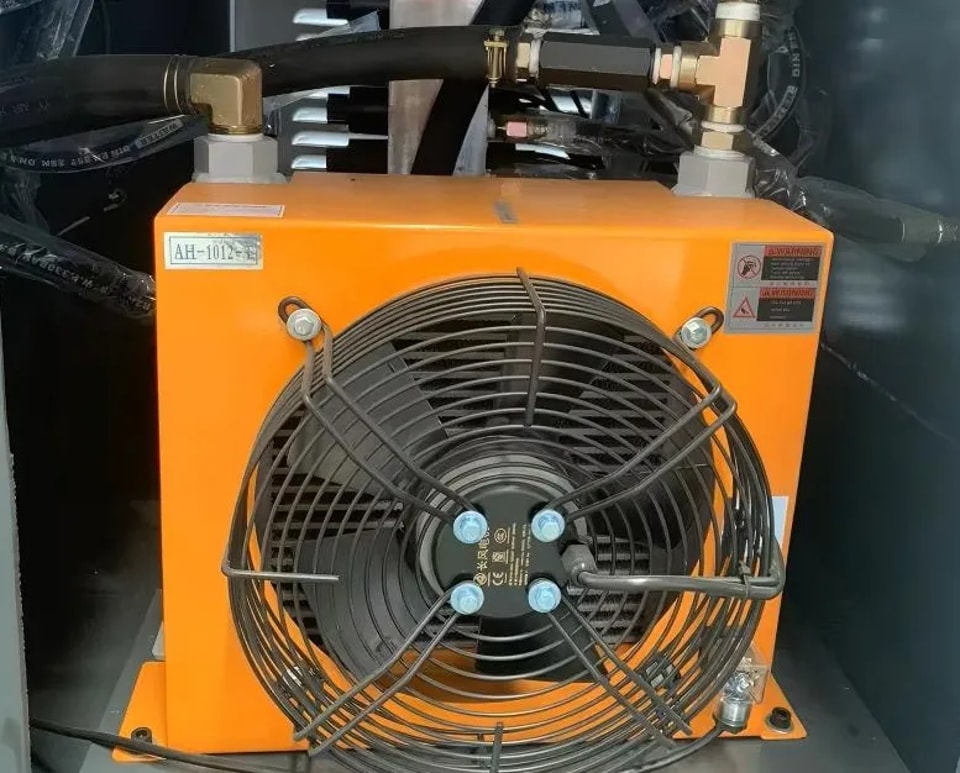
First, determine whether your system is air-cooled or water-cooled.
Air-cooled: Relies on a fan to cool the radiator and lower the oil temperature. Commonly found in small to medium-sized tubing bending machines.
Water-cooled: Relies on circulating water to remove heat. More commonly used in high-power models.
II. Common Faults of Air-Cooled Coolers
1. Radiator Surface Clogged: Oil sludge, lint, and dust from the workshop clog the fins, preventing airflow. Oil temperature rises rapidly.
Solution: Blow compressed air outwards from the back (fan side), or wash with a high-pressure water gun (be careful to protect the motor). Clean monthly, or weekly for heavy-duty work.
2. Fan Not Turning or Running Slowly: The fan motor is burnt out, the capacitor is faulty, or the blades are stuck.
Solution: Check if the fan motor has power. Manually rotate the blades to see if they run smoothly. Replace bulging capacitors; repair burnt-out motors.
3. Temperature Control Switch Malfunction: Some models only activate the fan when the oil temperature reaches the set value. If the temperature control is faulty, the fan will not turn.
Solution: Short-circuit the temperature control switch to test. If the fan turns, the temperature control is faulty and needs replacement.
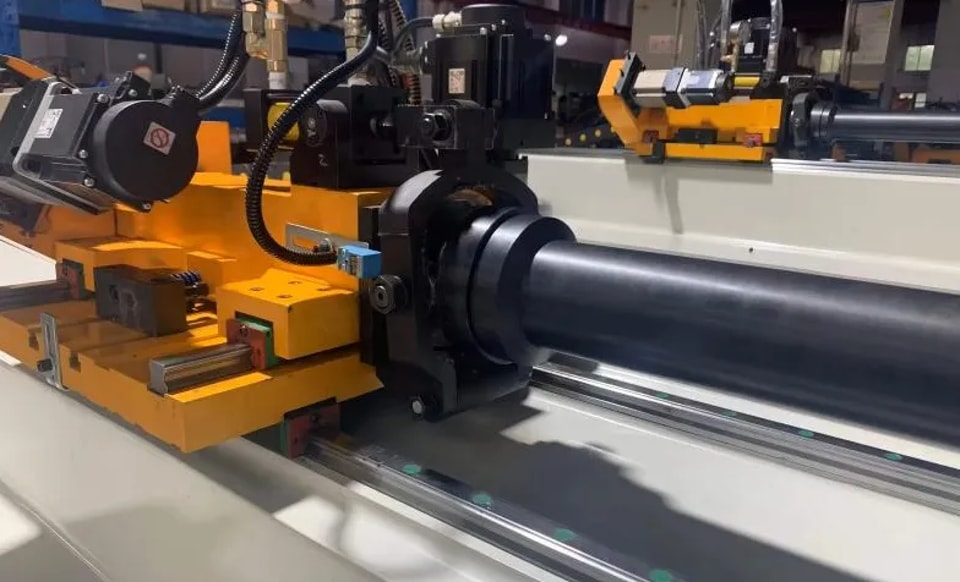
III. Common Faults of Water-Cooled Coolers
1. Scale Clog: Using tap water for extended periods leads to scale buildup inside the cooler, reducing water flow and decreasing heat dissipation.
Solution: Remove the cooler and flush it with a descaling agent (citric acid or a specialized cleaning agent) in a circulating manner. If possible, use soft water or add antifreeze.
2. Insufficient Water or Faulty Water Pump: The cooling tower is low on water, the water pump is not running, or the inlet filter is clogged.
Solution: Check the water level in the tank, observe if the water pump is operating normally, and clean the inlet filter.
3. Oil-Water Conflict (The most troublesome type): An internal oil pipe in the cooler is ruptured, causing oil to leak into the water, and vice versa. The oil turns milky white, like milk.
Solution: Stop the machine, remove the cooler, and send it for pressure testing. If a leak is confirmed, replace it with a new one, and replace all hydraulic oil as well.
IV. Another issue not related to the cooler
High oil temperature is sometimes not due to a cooling system malfunction, but rather to inadequate hydraulic oil. Over time, the oil oxidizes and thickens, reducing its fluidity and hindering heat dissipation. Replacing the oil with new oil immediately lowers the temperature. Therefore, first confirm that the oil has not exceeded its service life.
V. Daily habits for preventing high temperatures
Before starting the machine each day, glance at the cooler fins (for air-cooled systems) to ensure they are clean.
For water-cooled systems, check the water level monthly and add water and antifreeze.
Be alert if the oil temperature gauge exceeds 50℃; if it exceeds 55℃, stop the machine and investigate.
If the oil turns white or black, replace it immediately; don't wait.

If the cooling system malfunctions, the oil temperature will inevitably rise, compromising the accuracy of pipe bending. Properly cleaning the air-cooled system, descaling the water-cooled system, and checking the power supply to the fan and water pump are three things that can allow your pipe bending machine to operate for an extra two hours without stopping.
Related
Keep
reading.
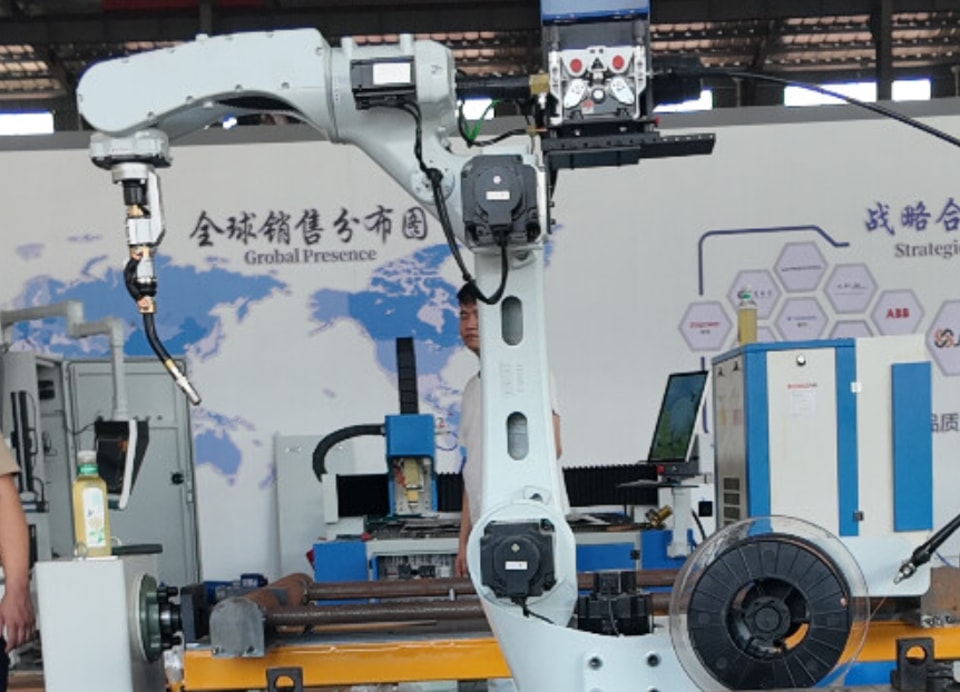 Comparison of Laser Welding Results and Application Scenarios Across Different Materials
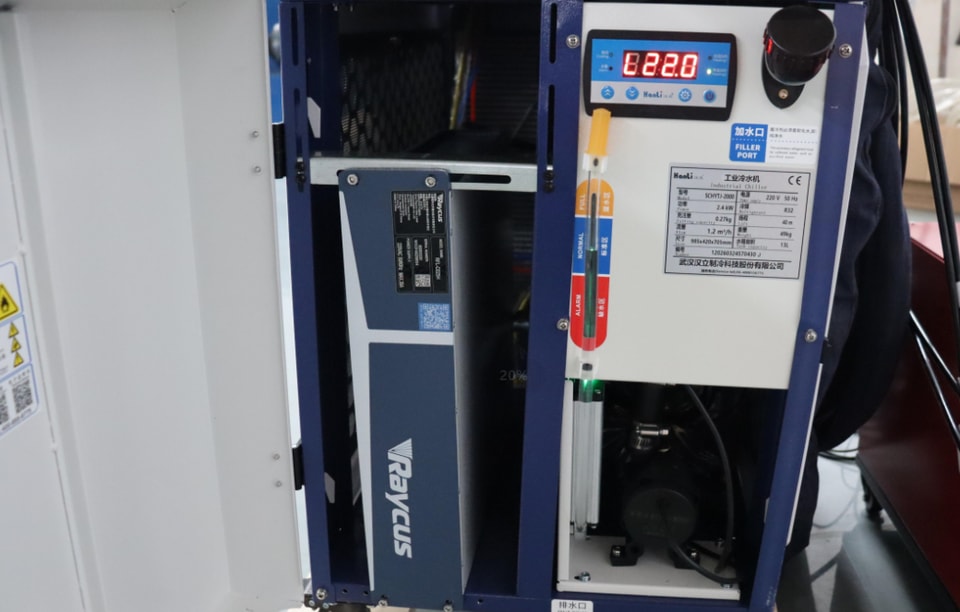 How to Choose Between Air-Cooled and Water-Cooled Laser Welding Systems
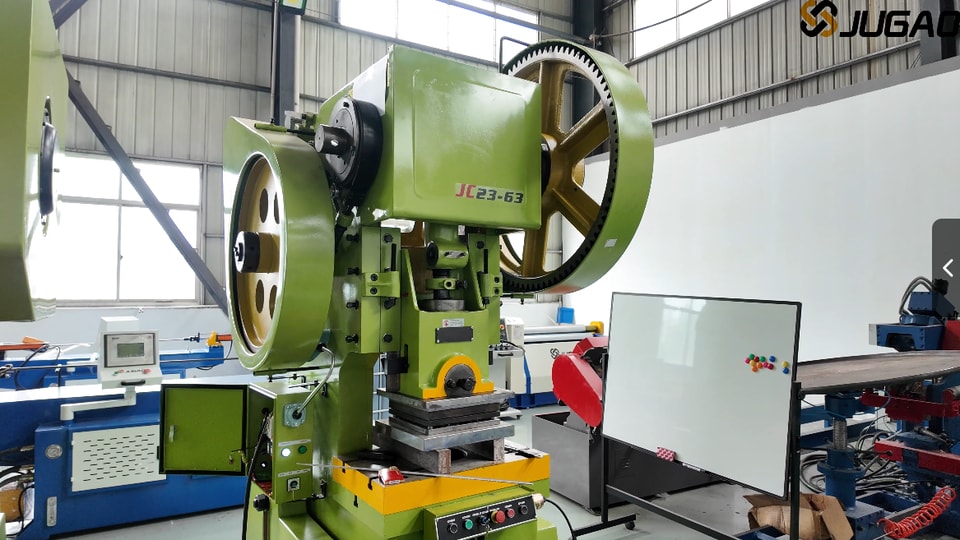 Understanding Punching Machines: Principles, Types, and Selection
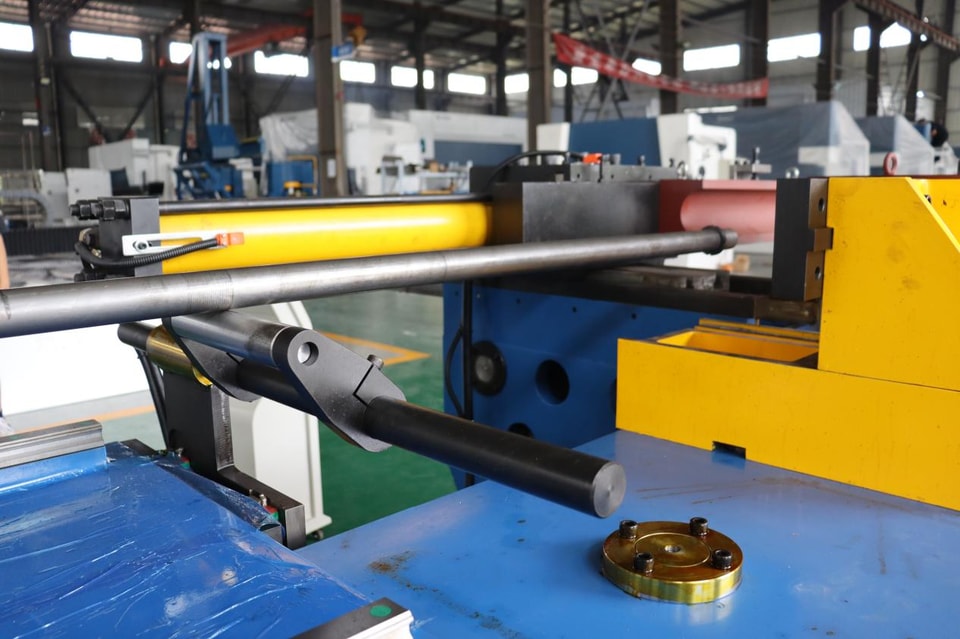 How can one effectively follow the installation guidelines for a pipe-bending machine?
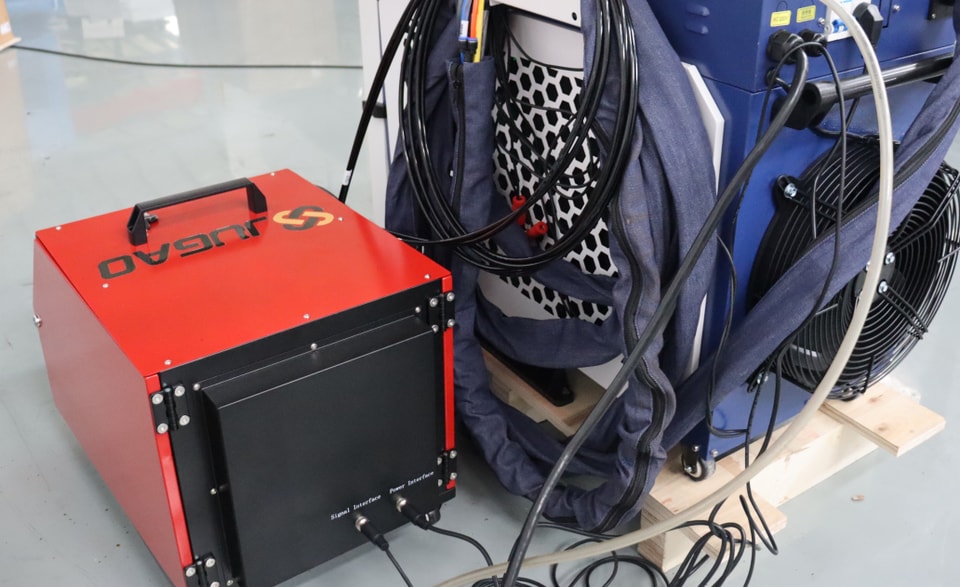 For which types of products is an automatic wire-feeding laser welding machine suitable?
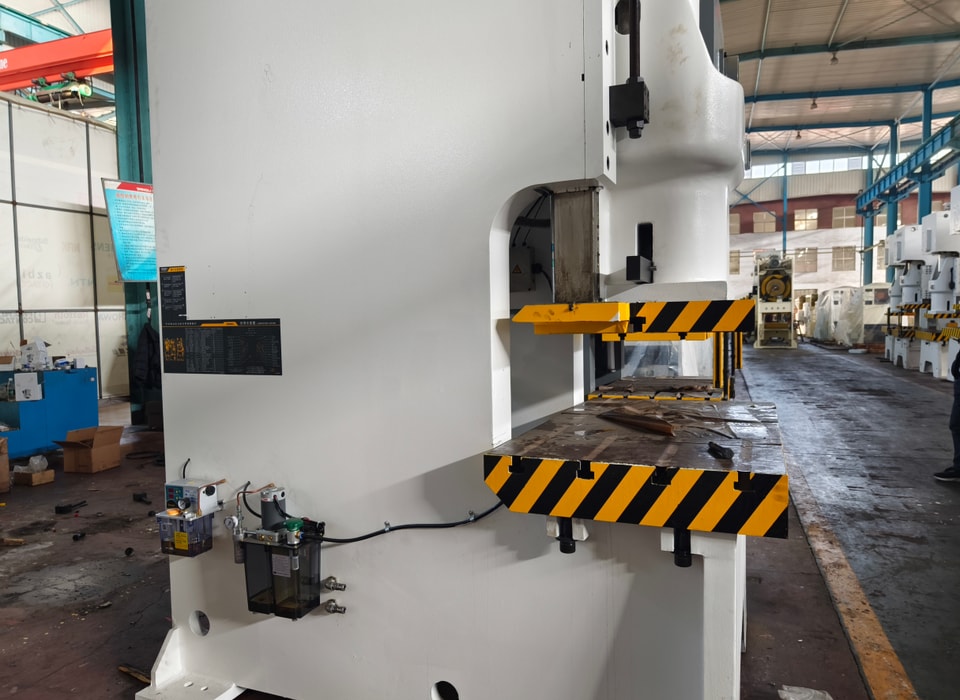 What Are the Latest Punching Machine Trends and Technological Breakthroughs?
 What Triggers Punching Machine Noise and How Can You Quieten It?
 What factors influence the replacement cycle of wear parts in a pipe-bending machine?
 Beyond price, what key parameters should you consider when purchasing welding equipment?
 4 Common Methods for Inspecting Weld Quality
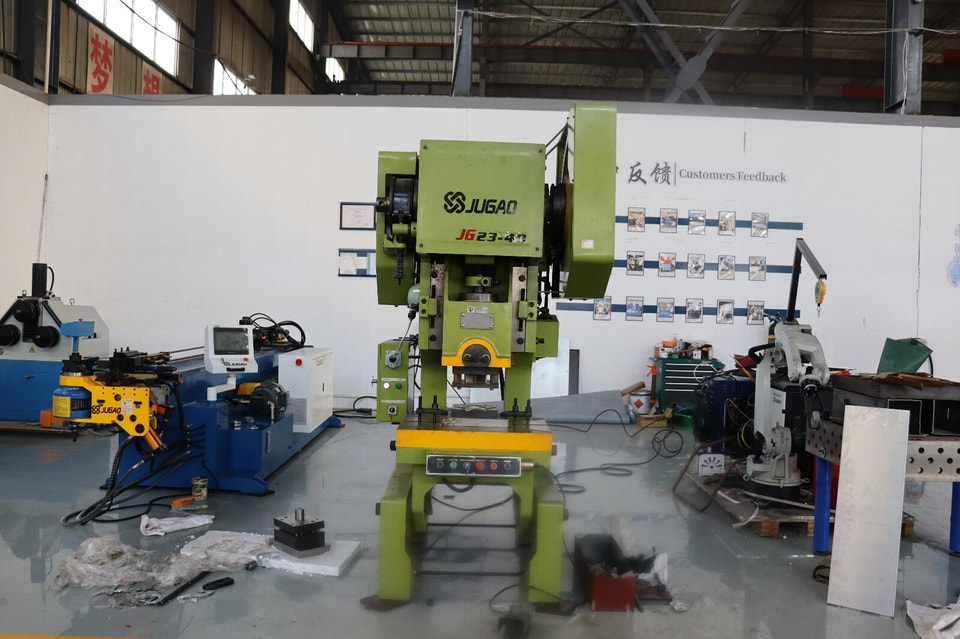 Selecting the Top Punching Machines for Small Workshops & Heavy Industry
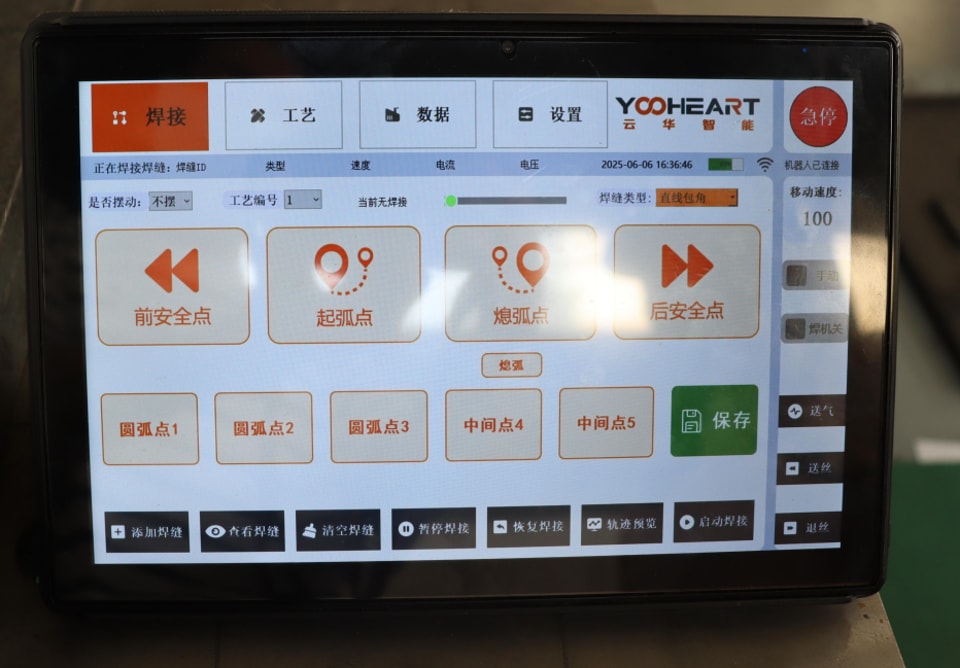 How do you set the welding path for a robotic laser welding machine? Can it perform precise welding on complex workpieces?
Engineering review
Send a drawing.
Get an engineer.
Standard selections answered within 4 hours. Parts outside the rules get a written process review within 24 hours.
- Part drawing: DXF, DWG, STEP or PDF
- Material and thickness
- Longest bend or cut length
- Yearly volume
Write to info@ntjugao.com or message the factory on WhatsApp +86 132 2211 1178.
Drawings (DXF, DWG, STEP, PDF): attach them to an email to info@ntjugao.com, quoting your name.