
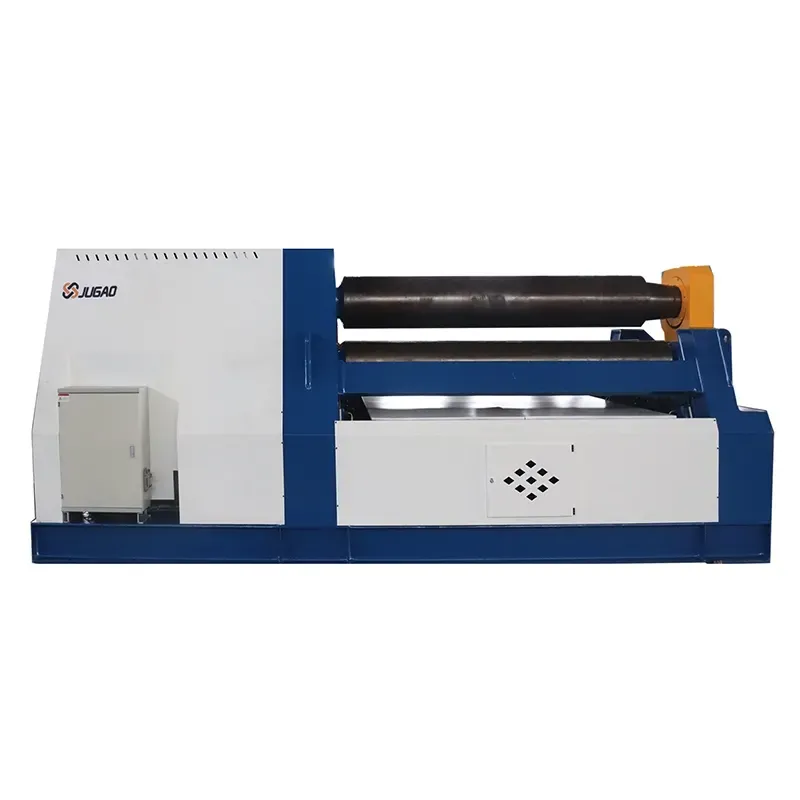
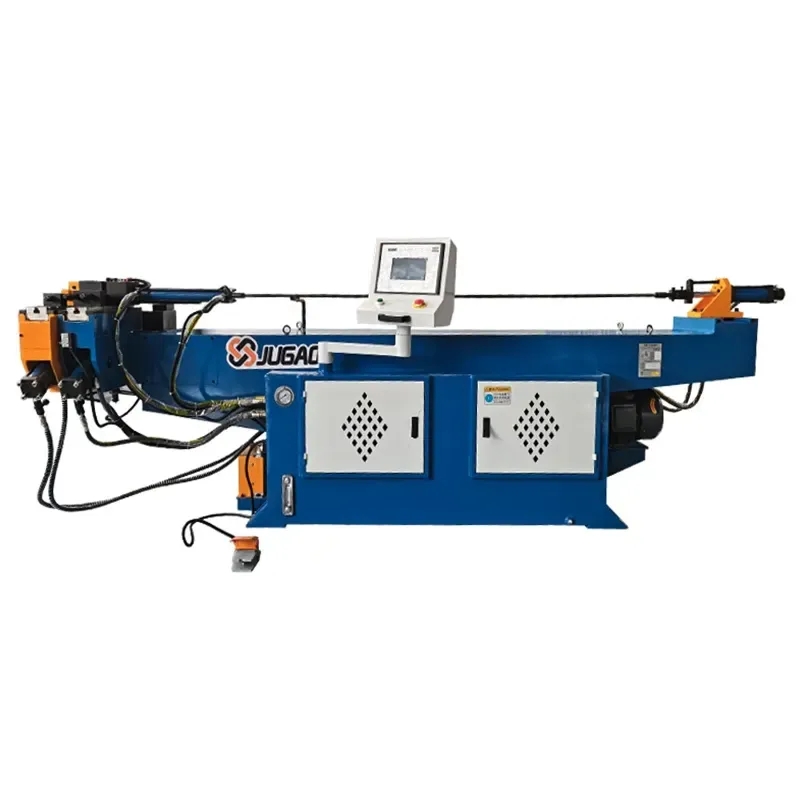
If you don't maintain the gears of your pipe bending machine properly, you'll eventually be stranded on the construction site.
2026-04-28

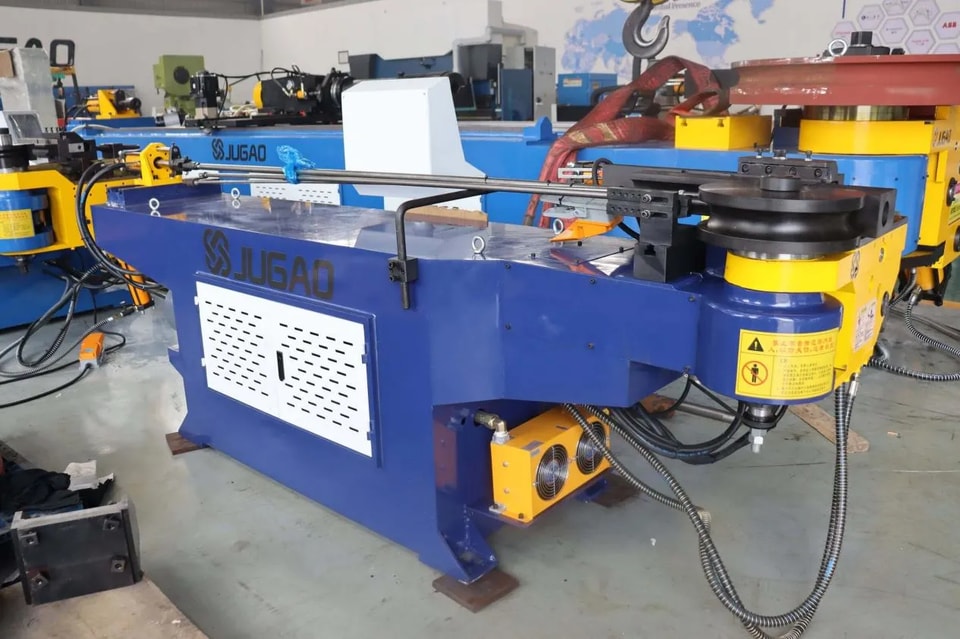
Many people think of the gears in a pipe bending machine as "just a solid lump of iron, nothing to worry about." But one day, when the bending arm starts making squeaking noises and the angle fluctuates wildly, you take it apart and find the gear teeth worn down to the point of being like knife edges. Replacing a set of gears can cost thousands or even tens of thousands of yuan, and it will also require several days of downtime.
Gears are like that; if you don't regularly lubricate them and check their clearances, they'll retaliate with malfunctions.
Three Common Causes of Gear Failure
1.Dry Gear Wear Due to Lack of Lubrication:** When a reducer or open gear is not lubricated for a long time, the tooth surfaces come into direct metal-to-metal contact. Initially, this causes surface roughening, gradually progressing to pitting and peeling, eventually resulting in the tooth breaking with a snap. The entire process can take only a few months.
2.Excessive Clearance Causing Impact:** When the meshing clearance between gear pairs increases due to wear, each change of direction results in a loud impact. Over time, fatigue cracks occur at the tooth root, rendering the entire gear unusable. Inaccurate feeding and erratic bending angles often stem from this issue.
3.Hard Object Intrusion:** A hole in the dust cover allows metal shavings and sand to fall into the gearbox, acting like polishing paste and wearing away a layer of the tooth surface. I've seen this happen more than once—if the dust cover is left unrepaired, the gear will fail first.
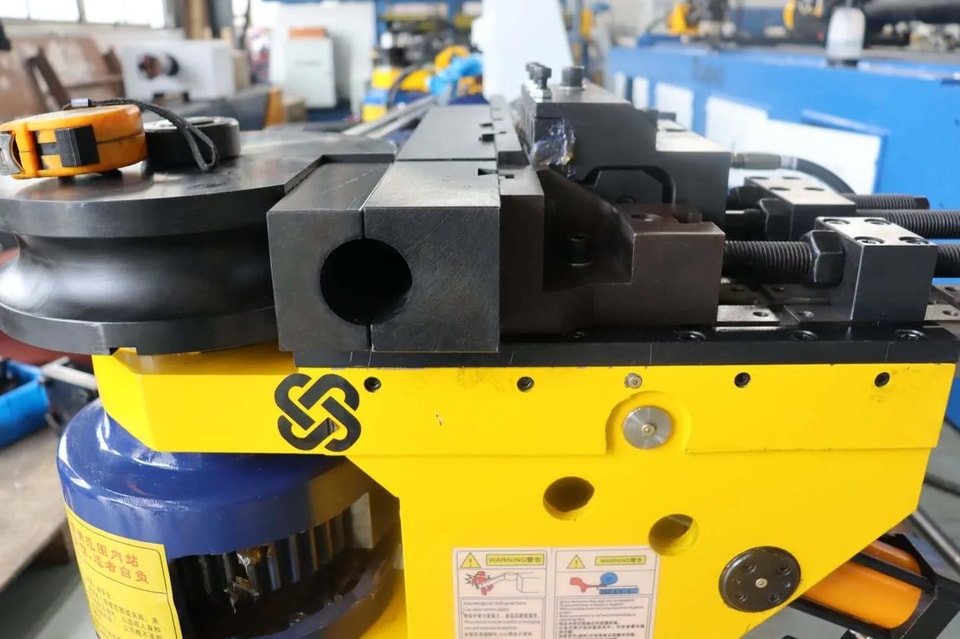
How to prevent this? Do the following things once a month:
1.Check oil level and smell: For gearboxes with oil level windows, check the oil level line monthly. Add oil if it's below the lower limit. Open the filler cap and smell it; a burnt smell indicates the oil has deteriorated due to high temperatures and needs changing. Gear oil should generally be changed once a year or every 2000 hours; don't delay.
2.Listen to sound and feel vibration: A regular "clicking" sound from open gears is normal. However, if there's a sharp friction sound or a "clunking" impact sound, the clearance is too large or the gear teeth are damaged. Place the back of your hand against the gearbox housing; if the vibration is much greater than usual, there's definitely a problem inside.
3.Measure clearance with a dial indicator: Use a dial indicator to move the gearbox back and forth. If the clearance value is more than 30% larger than the factory value, the gears need adjustment or replacement. Don't wait until the clearance is so large that the gears break before taking action.
4.Don't use the wrong grease: Open gears require extreme pressure lithium-based grease (NLGI 1 or 2). Regular grease will dissipate under high temperatures. Before starting each shift, apply a thin layer with a brush to the gear surface; applying too much will result in grease sludge everywhere.
5.Repair damaged protective covers immediately: Don't try to cover damaged gearbox gaskets or dust covers with tape. Metal filings inside for a day are equivalent to the gears wearing down for a month. Replace them if necessary; it's only a few tens of dollars.
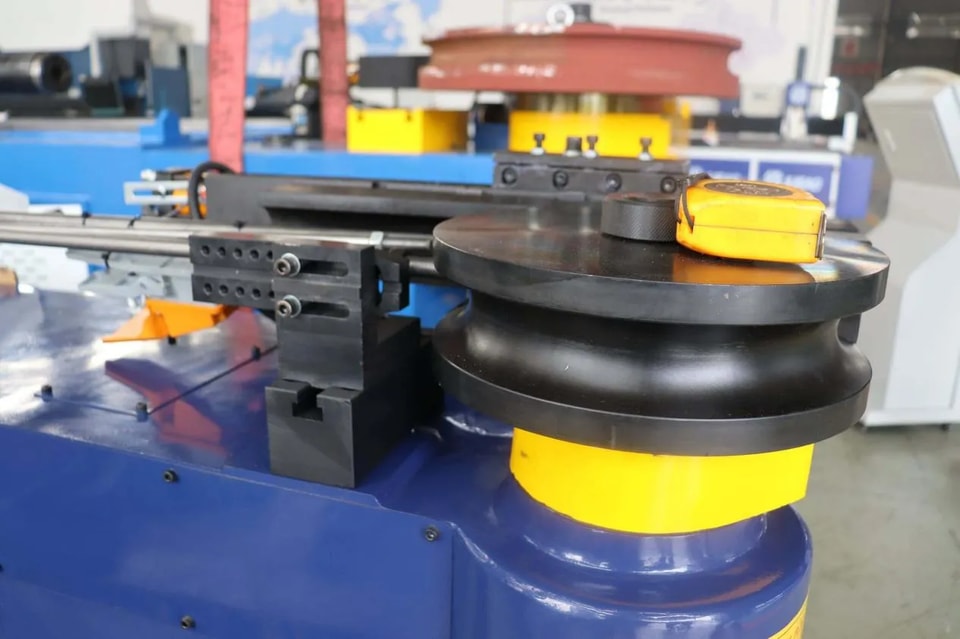
A Practical Suggestion
During annual major overhauls, drain the gear oil from the reducer and remove the bottom magnetic screw to inspect it. The more iron powder attracted to it, the faster the gears are wearing out. If the iron powder is so thick it resembles mud, don't hesitate to remove the cover and inspect the gears; replace them if necessary. Waiting until broken teeth jam and the bending arm suddenly stops is a real problem.
If the gears aren't making any noise, there's no problem. Waiting until they start making noise is too late. Regularly checking, adding oil, and listening carefully is a hundred times less troublesome than trying to repair it after it breaks down.
Contact Us