
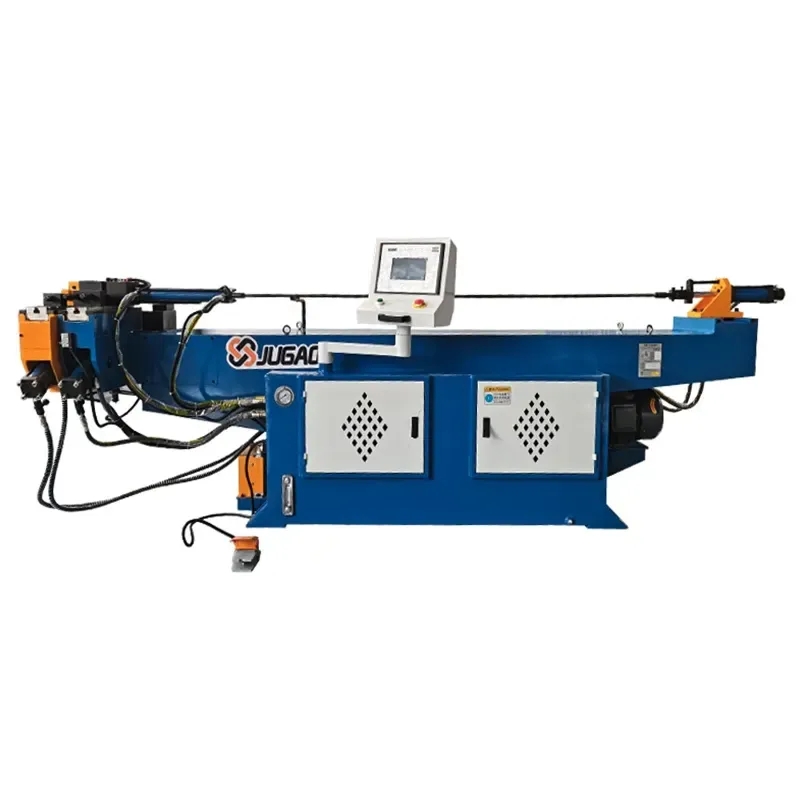
If the bearing maintenance of the pipe bending machine is inadequate, you won't get a stable angle
2026-04-24

Bearings may seem inconspicuous on a pipe bending machine, but their condition directly determines the precision. Below is a clear explanation in order of impact.
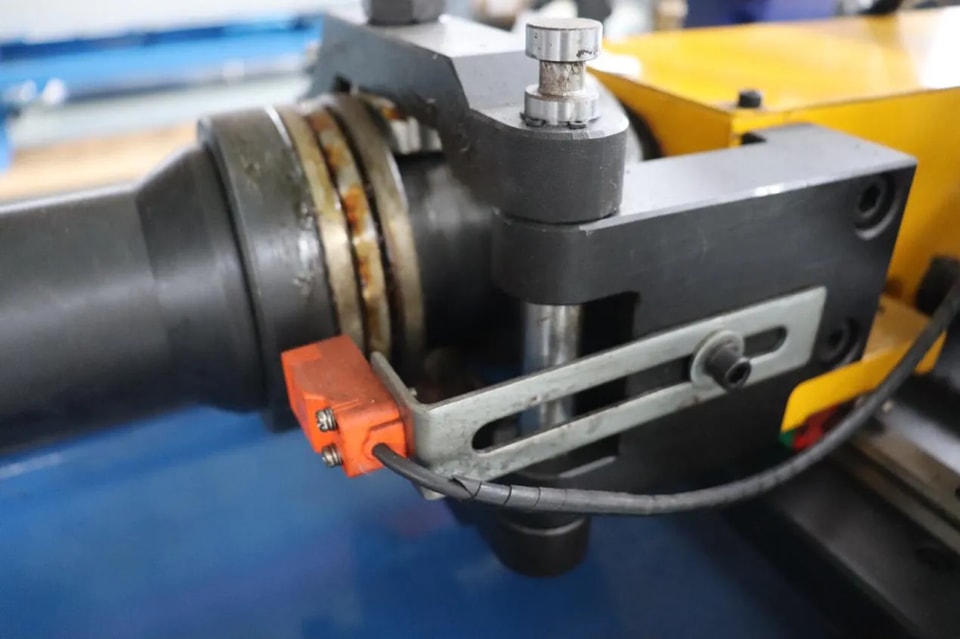
1. Wear of the bending arm spindle bearing → Unstable angular deviation
Once there is a clearance in the spindle bearing, the bending arm will wobble during rotation. The encoder is installed at the motor end and measures the motor's rotation angle, but due to bearing play, the actual bending arm may rotate slightly less or more. If you set it to 90 degrees, the output might be 88 or 93 degrees, and each piece varies. Adjusting the backlash compensation or the program is ineffective—the root cause is the loosened bearing.
2. Feed screw support bearing damage → Length dimensions vary day by day
The feed mechanism's lead screw is supported by bearings at both ends. When the bearings wear, the lead screw experiences axial play, resulting in inconsistent feed distances—say, 500mm today and 498mm tomorrow. For pipes with multiple bends, the spacing between each bend becomes erratic, leading to misaligned holes during final assembly. Just measure the repeat positioning accuracy to tell—anything exceeding ±0.3mm means it's time to inspect the bearings.
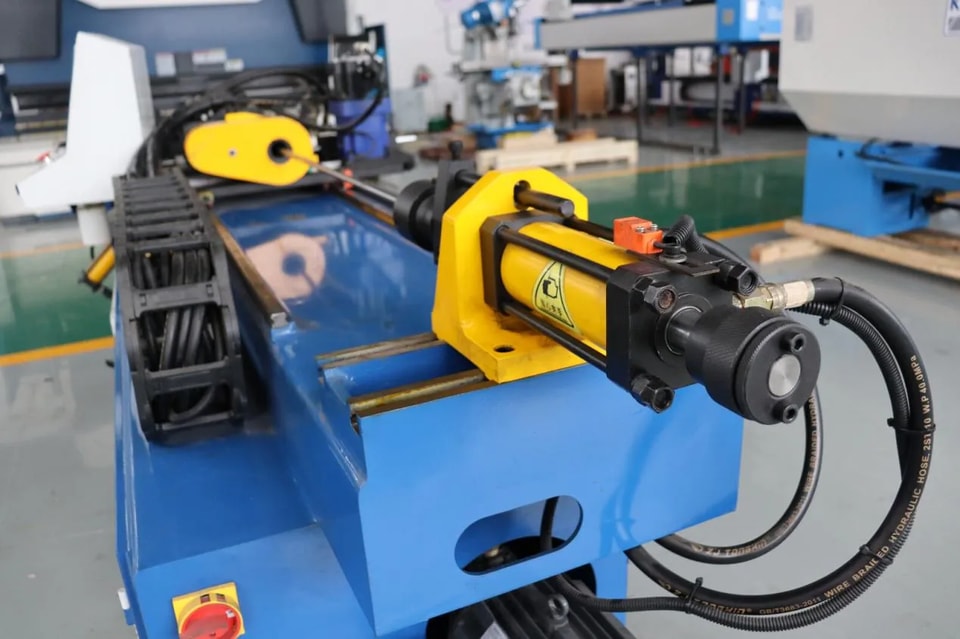
3. Core shaft reciprocation guide wheel bearing seizure → Inner pipe wall scratches
The mandrel must enter and exit the inside of the pipe. If the guide wheel bearings seize or become stuck, the mandrel rod will be forcibly pulled, causing rapid surface scratches. Each time the scratched mandrel rod enters and exits, it leaves marks on the pipe's inner wall, leading to a sharp rise in scrap rates. Worse still, bearing jamming can result in inaccurate mandrel extension, causing the pipe to collapse or wrinkle when bent.
4. Bearing clearance can amplify other faults
The mold was only slightly worn, with an angular deviation of just 0.3 degrees. However, once the spindle bearing loosens, this deviation can amplify to 2-3 degrees. Many people spend hours desperately adjusting programs and modifying bend values, only to realize it was a bearing issue. Always check the bearing first, then adjust the mold—don’t reverse the order.
5. The maintenance method is actually not complicated
Use a dial indicator to measure the spindle end face and axial runout by pushing and pulling every quarter. If the runout exceeds 0.05mm, prepare to replace the bearing.
Upon hearing "clunking" or sharp scraping noises, don't delay—open it up and inspect.
Don't misuse grease: use high-speed grease for high-speed bearings and extreme-pressure grease for low-speed heavy-duty applications, as mixing them is as useless as not applying any.
When replacing bearings, use specialized tools for pressing in. Do not hammer them directly. The new bearings knocked out will already have internal damage.
Bearings are the joints of a pipe bending machine. If the joints are loose, the hands and feet won't work properly. No matter how good the mold is and how accurate the program is, the precision will not be stable if the bearing is not awesome. Disassembling and inspecting key bearings once a year during major repairs is more effective than adjusting the program 100 times.
Contact Us