

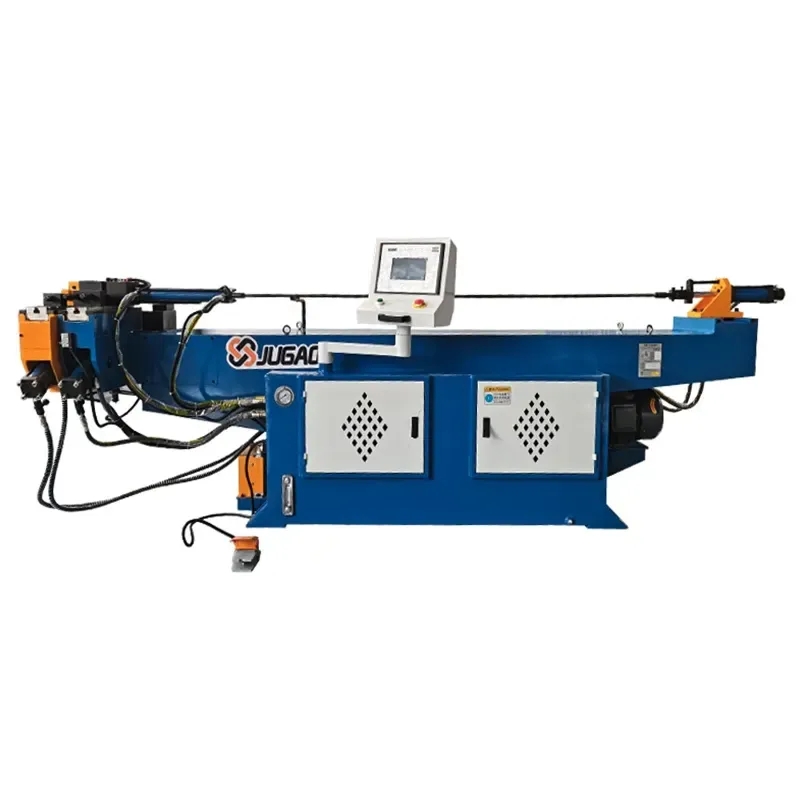
How to Solve Abnormal Vibration Problems in Pipe Bending Machines? After Years of Experience, These Tips Are the Most Effective
2026-04-30

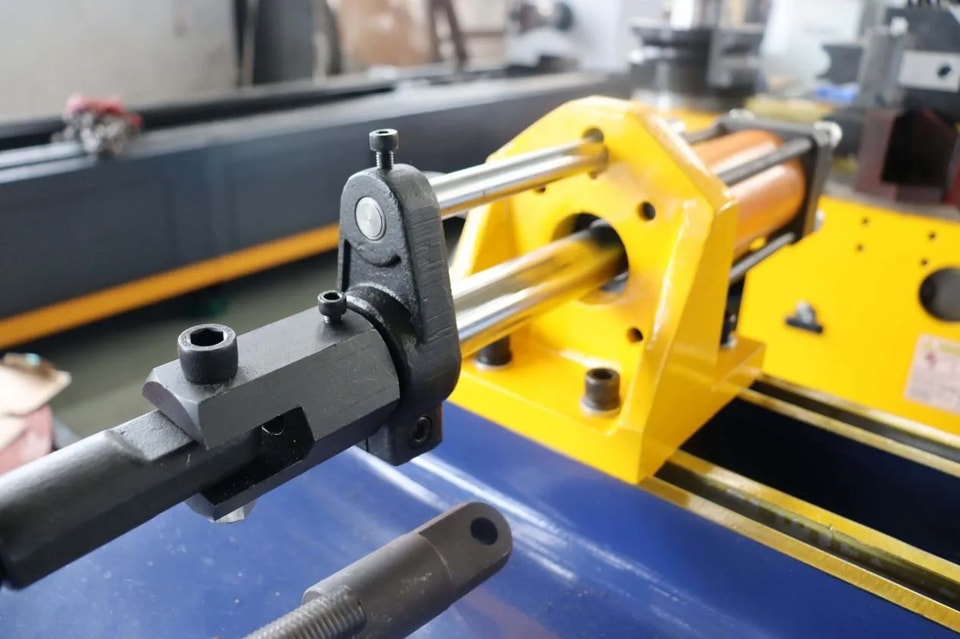
A vibrating pipe bending machine ruins the job. Vibration not only causes fish-scale patterns on the pipe surface and angle deviations, but it can also loosen guide rails and bearings, making the vibration worse. Check the following areas first; they'll likely solve the problem.
1. Air Intake or Unstable Pressure in the Hydraulic System
The most common cause of vibration is air in the hydraulic system. When the oil pump draws in air, the pressure gauge needle swings back and forth, and the bending arm vibrates. Solution: Fill the oil tank to the mark, open the cylinder vent valve, and repeatedly increase and decrease the pressure several times to purge the air completely. Also, check for loose or leaking oil suction pipe joints.
2. Improperly Adjusted Die Clearance
If the gap between the anti-wrinkle die and the bending die is too large, the inner side of the pipe will "clunk" during bending, causing vibration. Use a feeler gauge or an A4 sheet of paper to readjust the gap until it can slide smoothly without wobbling. 3. If the clamping die doesn't clamp tightly, the pipe will slip and vibrate intermittently.
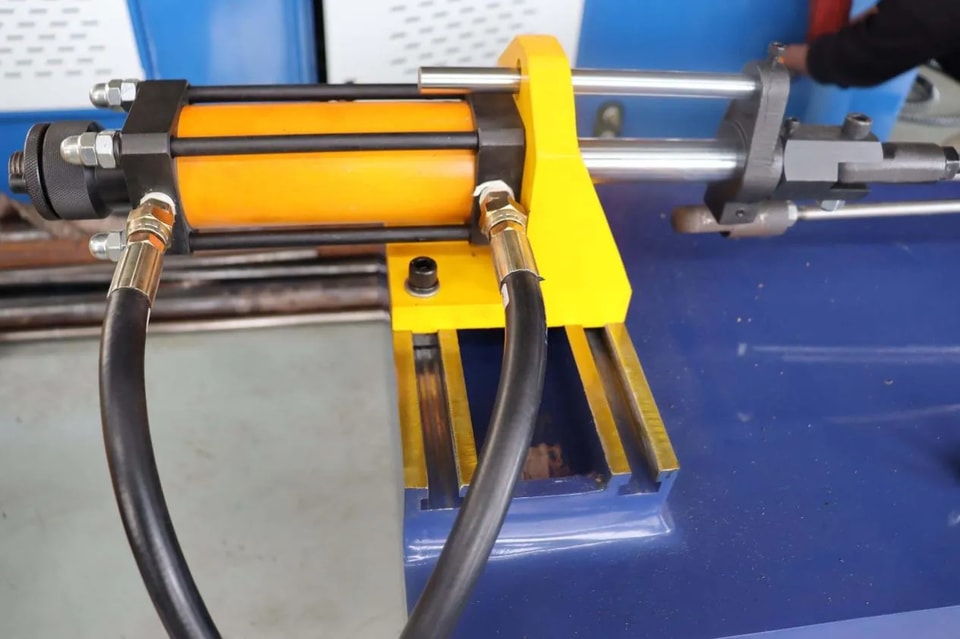
3. Bending speed too high
If the speed is set too high, the material deformation can't keep up, causing the bending arm to jerk like a brake. Try reducing the bending speed to 30%-50% of the rated value; the vibration should disappear. When making multiple bends, leave a 0.5-second pause between each bend to allow the system to slow down.
4. Loose mechanical connections
Loosening the locking nuts on the bending arm's main shaft, the key connections between gears and shafts, and the lead screw couplings can cause large gaps and back-and-forth impacts. Use a wrench to check all fasteners, especially the encoder coupling—a loose one will cause the angle to fluctuate.
5. Loose anchor bolts
If the equipment is not level or the anchor bolts are loose, the bending machine itself will wobble, which will be reflected in the bending arm as low-frequency vibration. Re-level the machine, tighten each anchor bolt with a torque wrench, and adding rubber damping pads underneath will improve performance. 6. Friction between the mandrel and the inner wall of the tube
If the mandrel ball joint is stuck or extends too far, it will forcefully press against the inner wall of the tube, causing periodic frictional vibration. Check if the mandrel joint is flexible, adjust the extension back to 0.5-1.5mm before the tangent point, and apply sufficient bending lubricant.
Suggested troubleshooting sequence:
First, try reducing speed → then vent and adjust pressure → then tighten the bolts → finally adjust the mold and mandrel. Proceed step by step; don't disassemble everything at once.
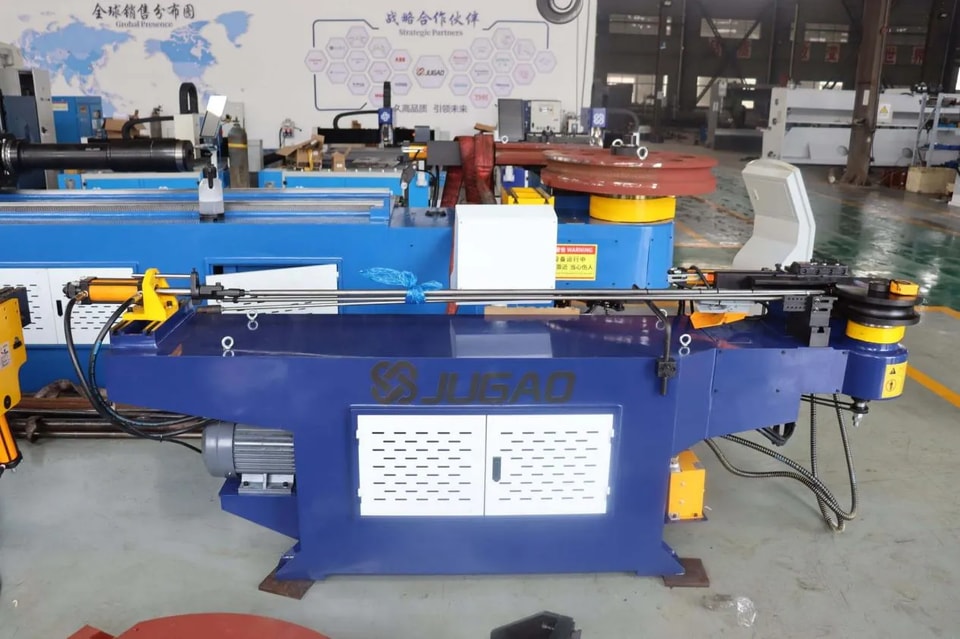
Isolating vibration issues early saves trouble. Delaying it will eventually require replacing gears and bearings.
Contact Us