
How to Improve the Efficiency of Rolling Mill Machinery in the Construction Industry?
2026-05-21

In the construction industry, rolling mill machinery is indispensable for everything from steel structure workshops and bridge components to cold-formed steel sections in prefabricated buildings. Low equipment efficiency will negatively impact both project schedule and quality. Below, we'll discuss practical methods to improve efficiency in several key areas.
1. Upgraded Automated Control System
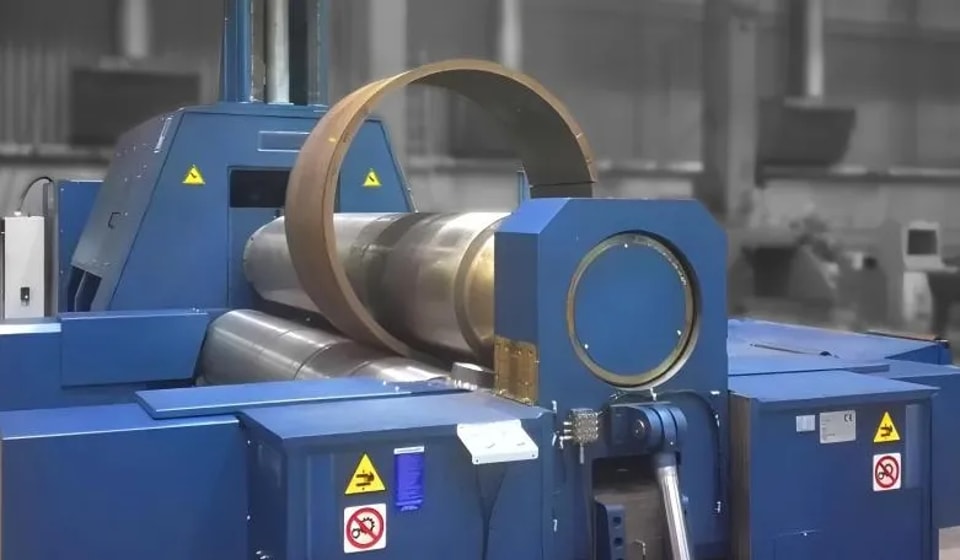
PLC + Fully Hydraulic AGC: Automatically adjusts roll gap, controlling thickness error to the micron level. The universal rolling mill adopts a high-response hydraulic servo system to compensate for frame deformation in real time, ensuring consistent product dimensions.
Intelligent Combustion Centralized Control: Heating furnace utilization rate reaches over 95%. Combined with infrared temperature measurement and visual recognition, it shifts from "experience-based temperature control" to "precision temperature control," saving over 3% in energy.
Fully Automated Rolling: From billet loading to finished product collection, unmanned operation is achieved. After the upgrade at Baogang Rail Beam Plant, efficiency has significantly improved, and the precision of asymmetric steel sections has been noticeably enhanced.
2. Optimized Process Path
Cold Bending Forming Replaces Stamping/Bending: Processing speed can reach 100 meters/minute, increasing efficiency by 5-10 times and saving 30%-50% of metal. Suitable for C-shaped steel, Z-shaped steel, rectangular tubes, and other construction products.
Free Specification Rolling Technology: Reduces the types of rolls and guide spare parts, allowing for faster product changeover and improved rolling throughput.
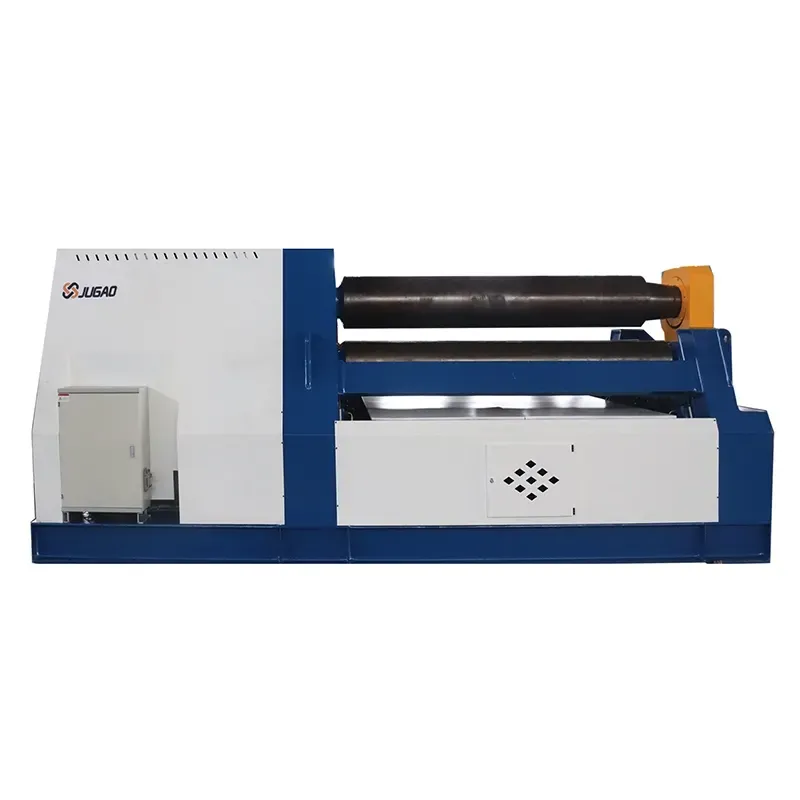
Three-roll mill with reducing sizing: Installed at the end of the continuous rolling line, enabling high-precision rolling and rapid specification switching, reducing roll changeover time.
3. Equipment Maintenance and Roll Management
Extending Single Rolling Volume: Rationally adjusting rolling volume and turning maintenance rhythm reduces roll changeover frequency, releasing continuous production capacity.
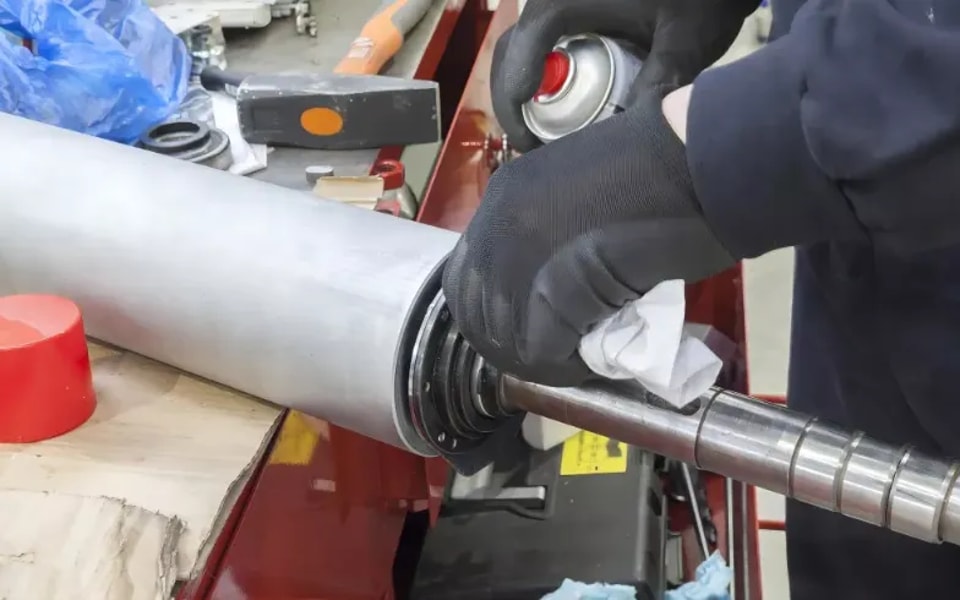
Standardized Maintenance: Establishing mill stand repair logs and quality tracking logs, standardizing the entire process from disassembly and inspection to assembly and lubrication.
Roll Surface Treatment: Employing wear-resistant welding or coating technologies to improve roll life and reduce unplanned downtime.
4. Minor Local Technical Modifications
Flying Shear Optimization: For example, ABB optimized flying shear control for a steel plant in India, stabilizing tail material cutting deviation within 50mm, increasing rolling speed from 9.2m/s to 11m/s, resulting in both improved yield and efficiency.
Micro-Tension Control: Equipping section steel mills with micro-tension control systems avoids steel piling or pulling, reducing downtime due to malfunctions.
Remote monitoring and diagnostics: Real-time collection of vibration and temperature data via the Internet of Things enables predictive maintenance and avoids sudden failures.
5. Real-world results reference
By adopting the above comprehensive measures, a construction steel production line reduced roll change time by 40% and improved overall OEE by more than 15%.
Feedback from a cold bending forming company: After automation upgrades, the number of operators decreased by 50%, while output increased by 30%.
Improving the efficiency of rolling mill machinery = automating to control precision + increasing speed in cold bending processes + standardized maintenance to reduce downtime + minor modifications to overcome bottlenecks. By focusing on these four aspects, both equipment efficiency and project progress can be guaranteed.
Contact Us