
How Fast Do Laser Cutters Perform in Metal Processing?
2026-05-30

Table of Contents
• Core Factors That Affect Laser Cutting Speed
○ Material Category and Plate Thickness
○ Laser Power Configuration and Equipment Type
○ Auxiliary Gas Selection and Cutting Process
○ Cutting Trajectory and Pattern Complexity
• Practical Laser Cutting Speed Reference Data
• Practical Methods to Boost Cutting Speed & Working Efficiency
○ Optimize CNC Programming and Cutting Layout
○ Keep Equipment Calibration and Daily Maintenance
○ Select Matching Nozzle Model and Gas Pressure
• Frequently Asked Questions
• Conclusion
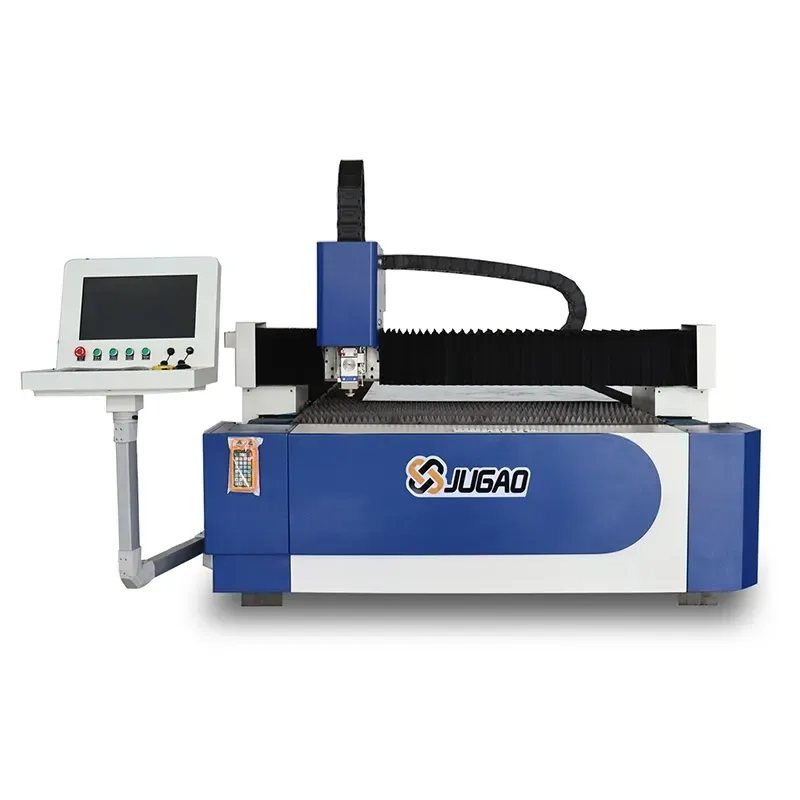
Laser cutting equipment has completely upgraded the overall production pace and working efficiency in the metal processing industry. For practitioners engaged in metal fabrication, it is essential to figure out how much production time these devices can actually save in daily operations. Laser cutters are well-known for outstanding fast cutting capability and high processing precision, yet their actual working speed is affected by multiple key elements. This article will analyze the actual operating speed of laser cutters, sort out major influencing factors, and share reasonable configuration skills to help enterprises elevate overall production productivity.
Core Factors That Affect Laser Cutting Speed
Material Category and Plate Thickness
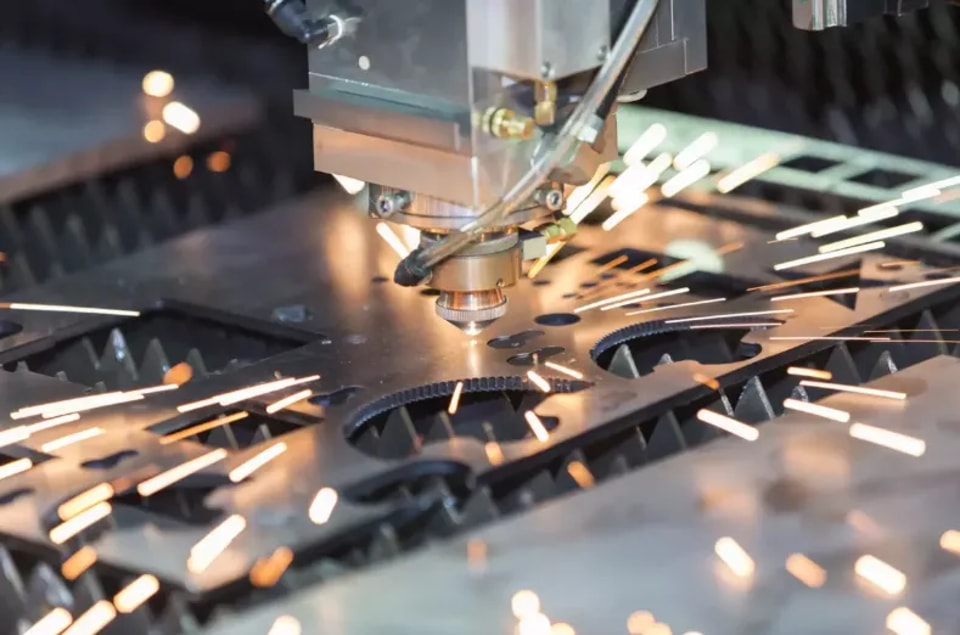
The raw material being processed is the primary factor determining cutting speed. Laser cutters are compatible with carbon steel, stainless steel, aluminum alloy, copper, brass and other common metal materials, while different metals show distinct cutting responses. For instance, 1mm thin carbon steel plates can be cut far faster than 6mm thick stainless steel plates. Generally speaking, the thinner the metal plate, the higher the feasible cutting speed.
Laser Power Configuration and Equipment Type
Laser output power is positively correlated with cutting efficiency. A 6kW fiber laser device can cut 3mm stainless steel at a speed of up to 30 meters per minute, while a 2kW fiber laser can only reach 10–12 meters per minute for the same material specification. Meanwhile, fiber lasers own better energy-saving performance and faster cutting speed than traditional CO₂ lasers, especially suitable for processing high-reflectivity metal materials.
Auxiliary Gas Selection and Cutting Process
Common auxiliary gases including oxygen, nitrogen and compressed air directly impact cutting efficiency. Nitrogen auxiliary cutting features clean cutting sections and suits thin metal plates with faster running speed; oxygen is more applicable to thick steel plate processing, but the oxidation reaction limits its cutting speed. Compressed air cutting is a cost-saving alternative, ideal for medium-thickness metal plates with balanced speed and cost.
Cutting Trajectory and Pattern Complexity
Regular geometric shapes with long straight lines enable the laser cutting head to run at full speed steadily. In contrast, complex carved patterns and sharp corner structures force the equipment to decelerate or pause frequently, lowering comprehensive cutting efficiency. Therefore, reasonable part design and material nesting layout are vital prerequisites for speeding up production.
Practical Laser Cutting Speed Reference Data
The following table lists the average cutting speed of fiber lasers with different power for mainstream metal materials, for practical production reference:
Laser Power | Material | Thickness | Average Cutting Speed (m/min) |
2kW Fiber Laser | Mild Steel | 1 mm | 15–18 |
3kW Fiber Laser | Stainless Steel | 2 mm | 10–12 |
6kW Fiber Laser | Aluminum | 3 mm | 20–25 |
10kW Fiber Laser | Mild Steel | 6 mm | 12–15 |
The above data is for reference only. The actual speed will fluctuate according to machine model, gas parameter setting, lens focus state and ambient temperature.
Practical Methods to Boost Cutting Speed & Working Efficiency
Optimize CNC Programming and Cutting Layout
Adopting intelligent material nesting software and optimizing cutting paths can greatly reduce idle travel of the cutting head. It is recommended to run program simulation in advance to remove redundant movement routes and shorten non-processing time.
Keep Equipment Calibration and Daily Maintenance
Polluted protective lenses, offset reflecting mirrors and improper focal length setting will all drag down cutting speed. Regular professional calibration, cleaning and maintenance can keep the laser cutter running in optimal condition all the time.
Select Matching Nozzle Model and Gas Pressure
Matching nozzle aperture and auxiliary gas pressure is the key to smooth and fast cutting. Taking stainless steel processing as an example, adopting high-pressure nitrogen can simultaneously improve cutting speed and section finish quality.
Frequently Asked Questions
Is laser cutting faster than plasma cutting and waterjet cutting in metal processing?
Absolutely yes, especially for thin and medium-thickness metal plates. Laser cutting boasts faster speed and finer cutting precision; plasma and waterjet cutting are more suitable for ultra-thick metal plates or non-metallic raw material processing.
Which metal material achieves the fastest laser cutting speed?
Thin plates (below 2mm) of mild carbon steel and aluminum alloy have the highest laser cutting efficiency and running speed.
Can cutting speed be improved without compromising processing quality?
Certainly. You can upgrade to higher-power laser equipment, adopt nitrogen as auxiliary gas, optimize cutting path programming, and implement standardized daily machine maintenance to realize speed improvement while guaranteeing cutting quality.
Conclusion
With the support of fiber laser technology, laser cutters deliver superior speed and precision in processing thin and medium-thickness metal plates. By mastering influencing factors such as material type, laser power, auxiliary gas choice and workpiece design, manufacturers can configure equipment parameters reasonably to maximize production efficiency. If you plan to upgrade processing equipment or need customized professional solutions, please feel free to consult the JUGAO professional team for reliable industry suggestions.
Contact Us