


How can operators improve machine safety through self-inspection of pipe bending machines?
2026-07-14

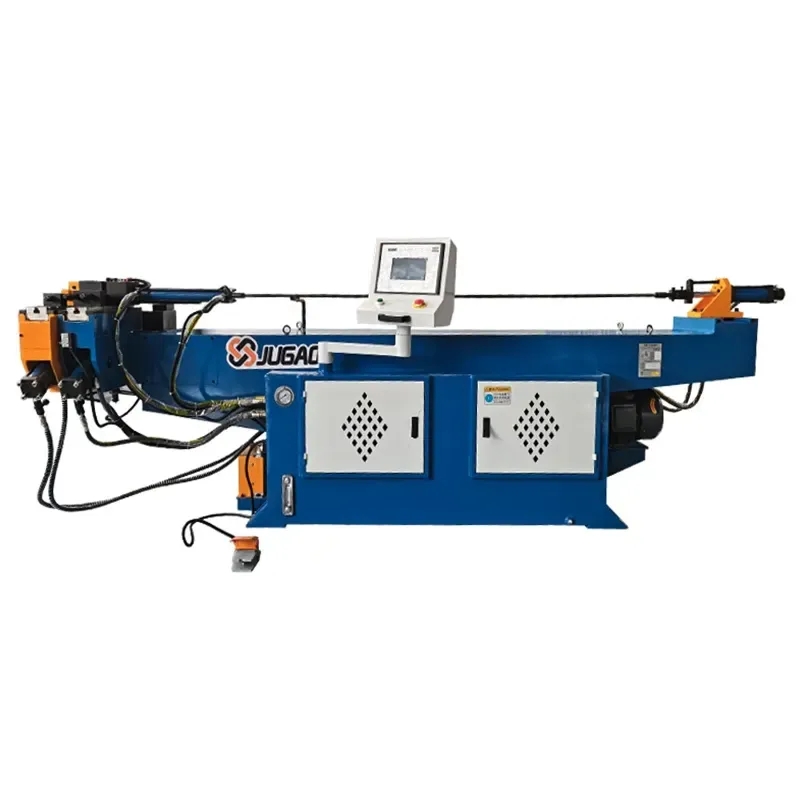
When it comes to operating pipe bending machines, the phrase I most often tell operators is: don't expect safety systems to protect you from all problems. Light curtains, emergency stops, and limit switches are certainly important, but they are reactive. If a machine malfunctions, the first person to notice is usually the one closest to it, provided they know what to look for. Operator self-inspection is the most direct way to solve this problem.
Why Self-Inspection is More Important Than You Think
When a pipe bending machine is working, it experiences high force, rapid movement, and repeated impacts. Bolts will gradually loosen, seals will age, and sensors will slightly shift due to vibration. The control system won't alarm for these problems because they haven't yet reached the point of triggering a malfunction. However, it is precisely these "not completely broken" states that are most likely to suddenly develop into dangerous situations at some point.
Operators who spend a few minutes each day reviewing the inspection process before starting the machine can discover early signals that automatic detection misses.
What Risks Can Self-Inspection Prevent?
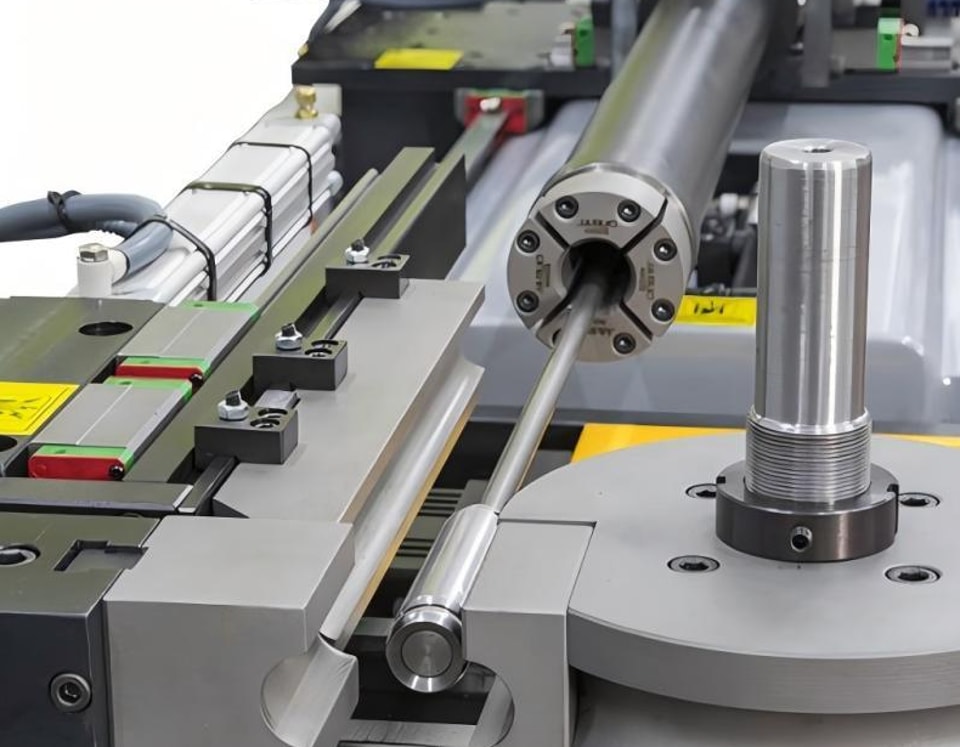
Mechanical loosening is the most frequent hidden danger. If the bolts clamping the die are not properly tightened, the pipe may suddenly slip during bending, and the resulting rebound force is very dangerous. Loose mandrel fixing screws can also cause the mandrel to shift halfway through the bend, leading to a sudden change in the force on the pipe, which can easily cause fingers to be pinched or pipe parts to pop out.
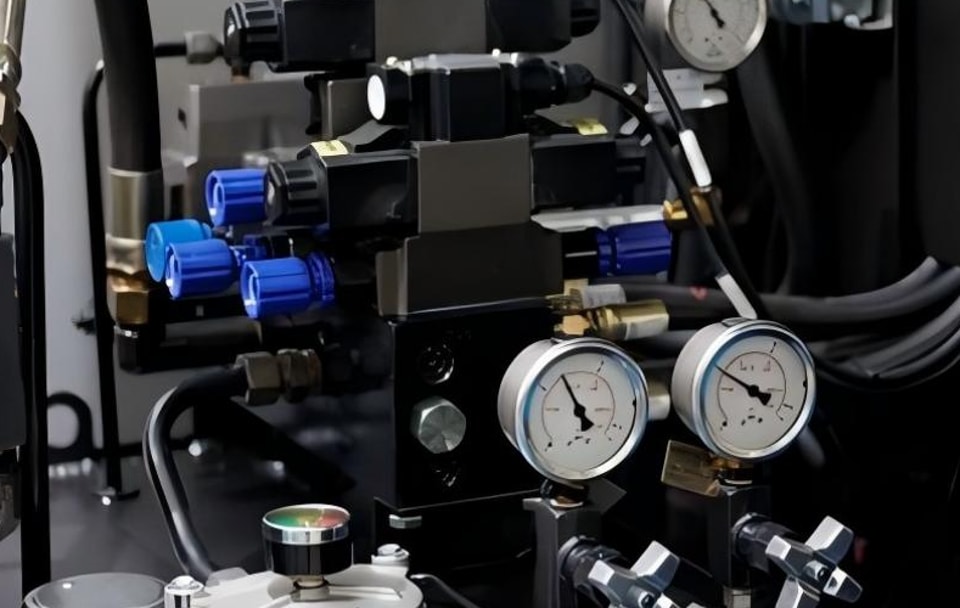
Hydraulic leaks are also common. Oil leaks from pipe joints, starting with just a few drops, can cause slips on wet surfaces, and high-pressure oil splashes can directly injure people. During self-inspection, operators can determine if everything is normal by glancing at the ground and touching the pipe joints.
Sensor misalignment and cable wear are also easily overlooked. Loose proximity switches or oil-covered sensing surfaces can cause intermittent signals, potentially leading to unexpected actions by the machine during certain cycles. These issues can be easily resolved by wiping the sensors and checking the cable's secureness before powering on.
How to do operator self-test
I suggest dividing the self-examination into three levels. Each level does not take much time, but covers a wide enough area.
Visual inspection before starting up: Walk around the machine to see if the protective cover is deformed due to impact, if the safety light curtain is blocked, if the emergency stop button is accidentally pressed, and if there are any new oil or water stains on the ground. Check whether the mold is installed in place and whether the bolts are obviously loose. This work takes about two or three minutes, but can eliminate most of the safety hazards.
Jog test run: After the machine is powered on, first manually go through the movements of each axis at low speed - the rotation of the bending arm, the clamping and unclamping, the mandrel forward and backward, and the feeding movement. Listen for unusual noises and see if the sequence of actions is correct. Especially the emergency stop button test: all movements must stop immediately after filming without any delay.
First piece monitoring: After completing daily inspections, when bending the first pipe, the operator stands in a safe area and observes the entire cycle process. Check whether the pipe is correctly seated in the mold, whether the clamping is firm, and whether there is any jitter or abnormal noise during the bending process.
Integrate Self-Inspection into Daily Routine
The biggest pitfall of self-inspection is making it a mere formality. I've seen many workshops with checklists posted, but operators just tick off items without actually looking at them. For self-inspection to be truly effective, it needs to become a habit.
During shift handover, the previous operator telling the next shift, "Did you notice anything unusual about the machines today?" is more direct than any form. Conduct a slightly more detailed inspection weekly, including cleaning oil stains from sensor surfaces and checking all mounting bolts for looseness. Summarize the monthly self-inspection records; identify recurring problems and schedule preventative maintenance.
Operator self-inspection cannot replace professional maintenance—this is the bottom line. Its value lies in identifying problems, not solving them. After identifying problems, promptly report them to the maintenance team for professional handling.
Several long-term benefits:
The decrease in accident rate is obvious. Many safety accidents don't happen suddenly, but rather erupt after hidden dangers have accumulated to a certain extent. Self-inspection eliminates potential hazards in their early stages.
Operators' sense of responsibility and safety awareness will also improve. Once people become accustomed to proactively checking, they will be more sensitive to the overall operating status of the machine and operate it more cautiously.
Equipment lifespan will naturally be extended. Small problems are detected and dealt with early, preventing them from developing into major malfunctions or causing structural damage due to sudden accidents. Stable machine operation is the best guarantee of safety.
Have you established a habit of operator self-inspection in your workshop? Is it just a formality or is it truly effective? Feel free to discuss the challenges in actual implementation.
Contact Us