
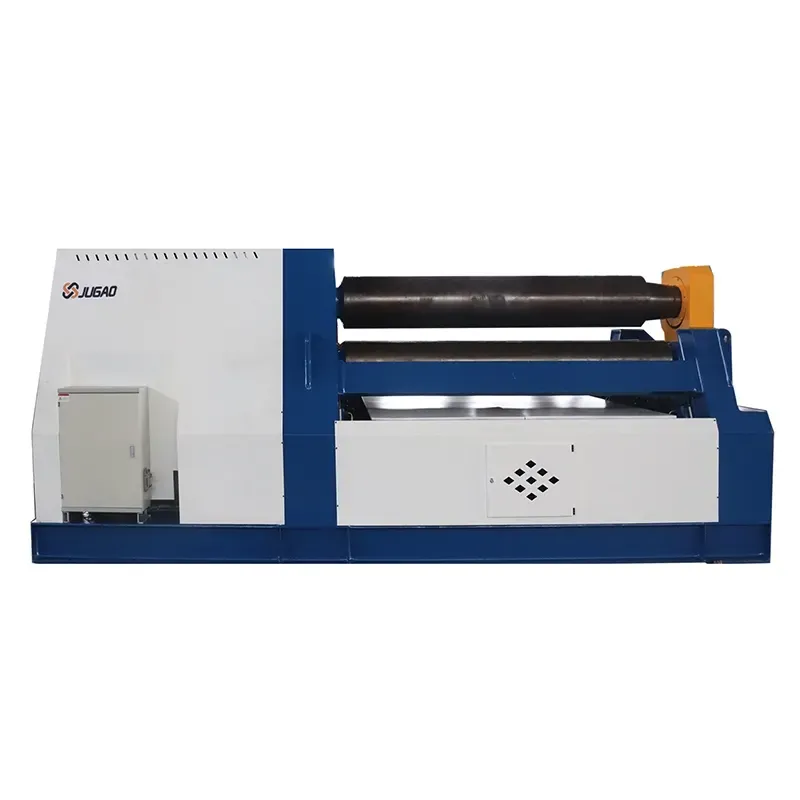
Maintenance of a Three-Roll Plate Rolling Machine
2026-07-16

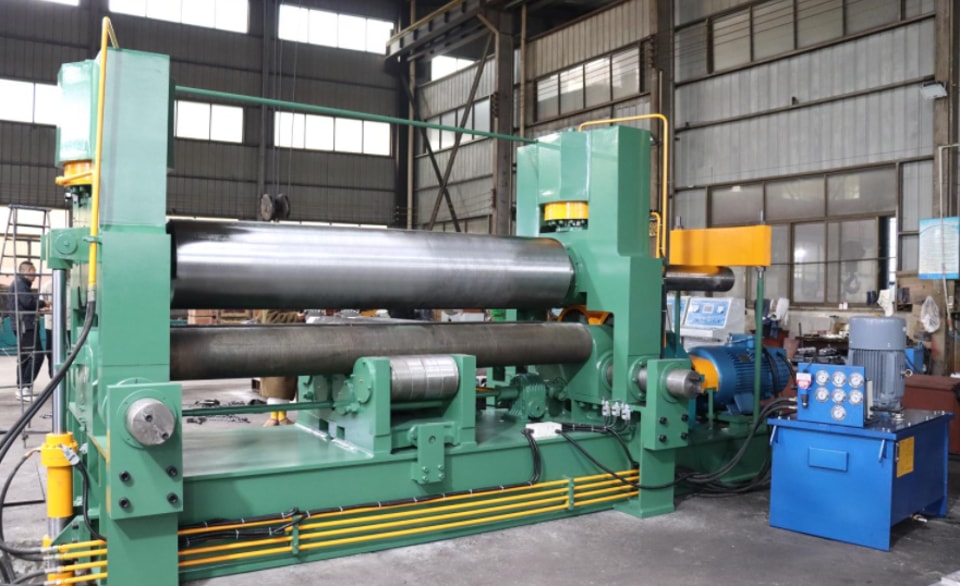
The lifespan of a three-roll plate rolling machine is closely related to daily maintenance. Proper maintenance can reduce component wear and lower the risk of failure. The following are key maintenance points compiled from multiple perspectives, covering daily maintenance, periodic inspections, and maintenance of critical components:
I. Basic Maintenance During Daily Operation
1. Cleaning and Dust Removal
Machine Body Surface: After each day's operation, use a dry cloth or compressed air to remove metal shavings, oil stains, and dust from the machine body and roller surfaces. This prevents debris accumulation from accelerating roller wear or jamming transmission components.
Lubrication Points: Wipe away oil stains from exposed lubrication points such as gearboxes and bearing seats to prevent dust adhesion and sludge formation, which can affect lubrication.
2. Lubrication Management
Regular Lubrication: Regularly add lubricating oil (such as lithium-based grease) to roller bearings, gear meshing points, lead screw nuts, etc., according to the equipment manual. The lubrication status should be checked after approximately 8-10 hours of operation, and the lubricating oil should be completely replaced every quarter. Gearbox Oil Level: Check the gearbox oil level weekly. Replenish oil promptly if insufficient (medium-load industrial gear oil, such as L-CKC 220, is recommended). Replace the oil immediately if it deteriorates (turns black, has an unusual odor).
3. Operational Status Monitoring
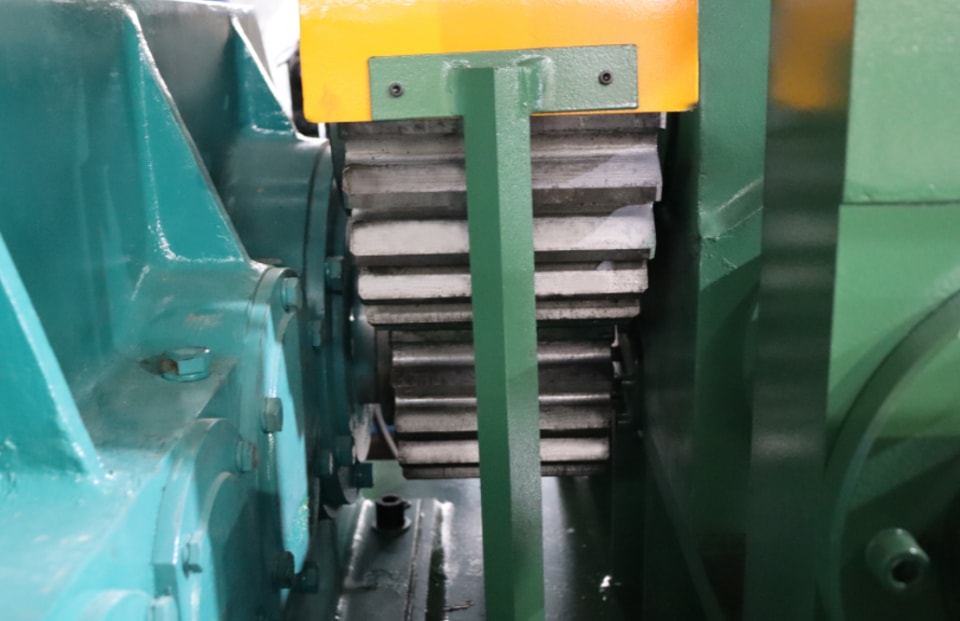
Abnormal Noise and Vibration: During operation, pay attention to any abnormal noises (such as gear grinding, bearing noise) or severe vibrations. If any are detected, stop the machine immediately for inspection to prevent further damage.
Temperature Monitoring: Touch the bearing housing, motor housing, etc. If the temperature is too high (above 60℃), it may indicate poor lubrication or component wear, requiring shutdown and repair.
II. Regular Maintenance of Key Components
1. Roller Maintenance
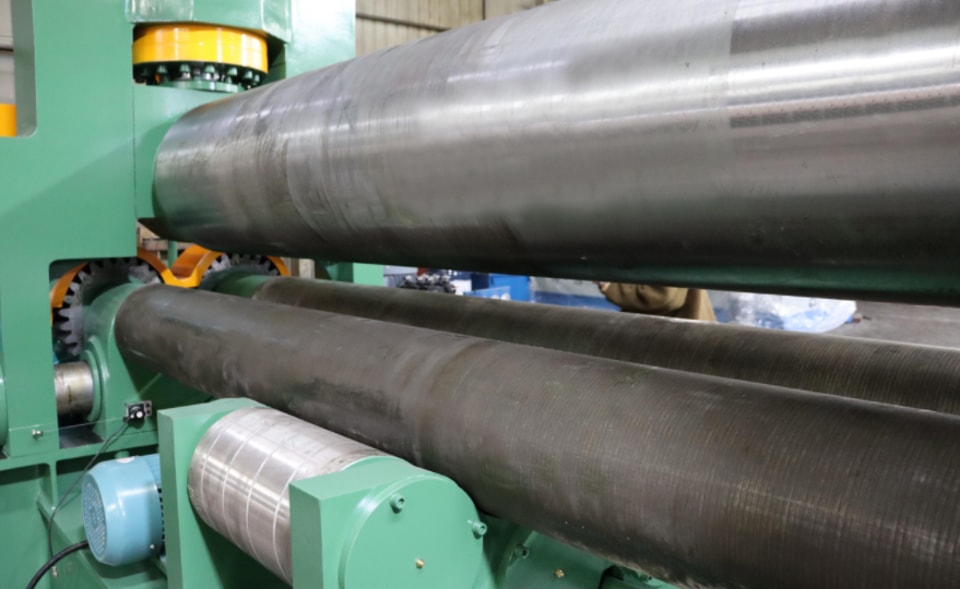
Surface Inspection: Check the surface flatness of the rollers monthly using a dial indicator. If scratches, pits, or localized wear (wear exceeding 0.5mm) are found, grind and repair or replace the rollers promptly to avoid affecting the rolling precision. 1. Roller Coaxiality: The coaxiality of the upper and lower rollers should be checked annually using a laser alignment instrument. Adjustments are required if the deviation exceeds 0.1mm to prevent sheet metal misalignment or uneven roller stress during rolling.
2. Transmission System Maintenance
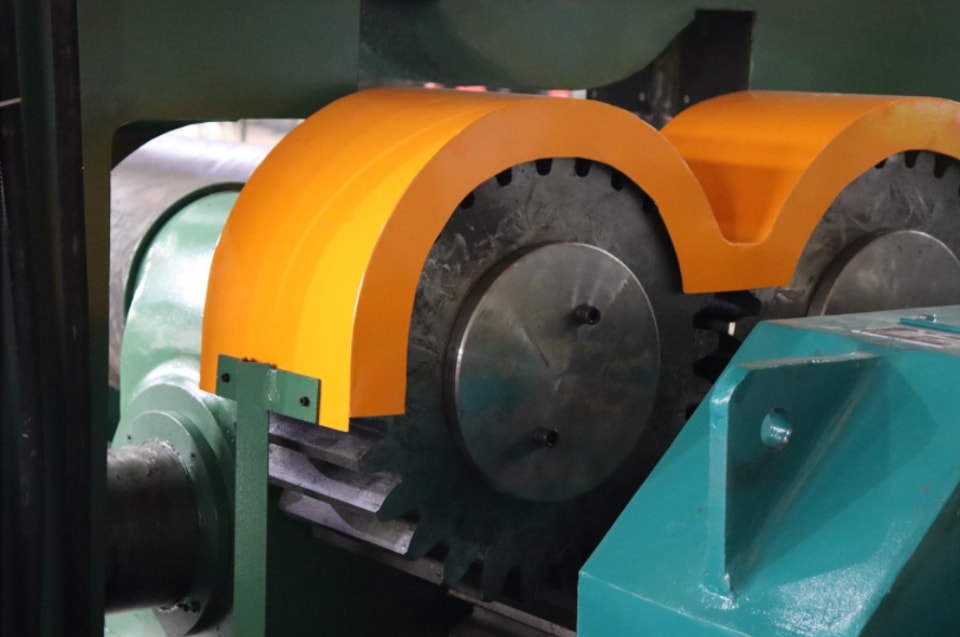
Gears and Chains: Check gear meshing clearance quarterly (standard clearance 0.2-0.5mm). If the clearance is too large, adjust the gear position or replace the gears. For chain drives, check tension (droop not exceeding 20mm) and apply chain-specific lubricant to prevent rust or breakage.
Couplings: Check coupling bolts for looseness and elastic sleeves for wear. Replace couplings immediately if cracks or severe wear are found to prevent transmission failure.
3. Hydraulic System (if applicable)
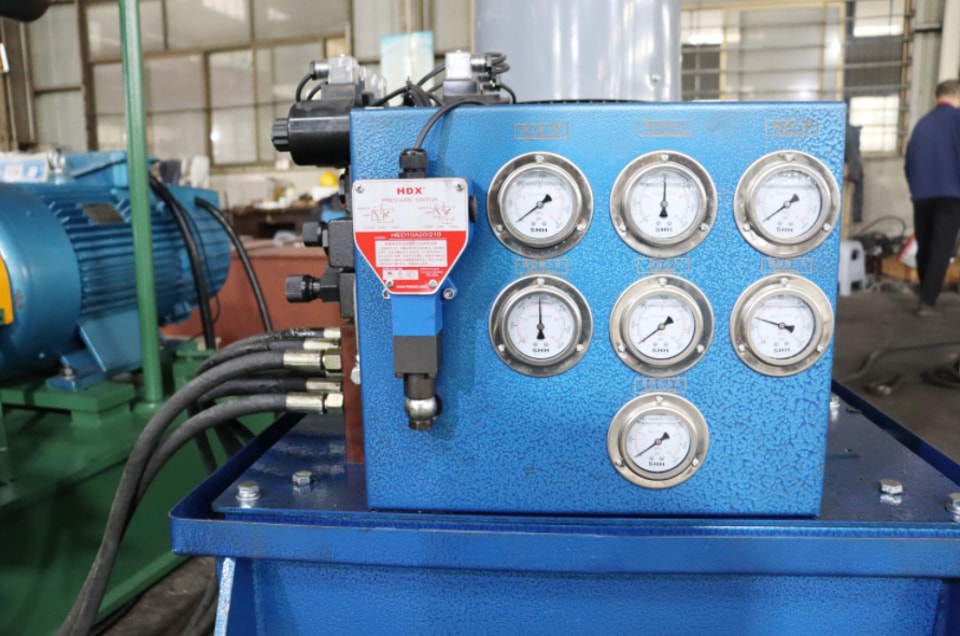
Oil Cleaning: Change the hydraulic oil every six months (anti-wear hydraulic oil, such as L-HM 46, is recommended). Before changing the oil, clean the oil tank and filter with kerosene to prevent impurities from clogging the oil passages. Pressure Testing: Regularly calibrate the hydraulic pump pressure to ensure stable system pressure (error not exceeding ±0.5MPa). If pressure is abnormal, check for leaks or blockages in the cylinders and solenoid valves.
III. Electrical and Control System Maintenance
1. Electrical Component Inspection
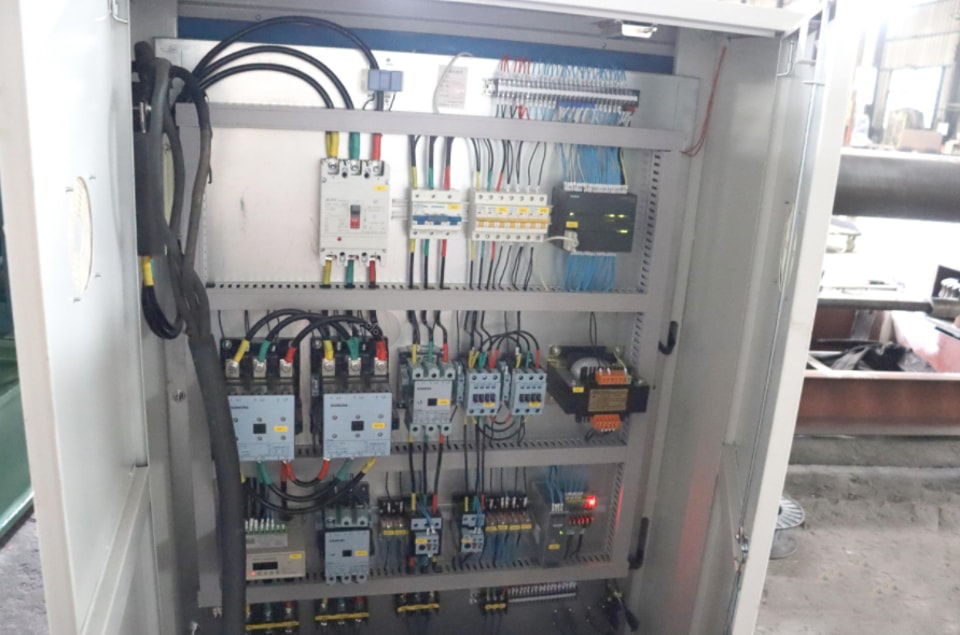
Monthly Inspection: Check contactor and relay contacts for oxidation or burning, and ensure wiring terminals are secure. Use a multimeter to test the motor insulation resistance (should be ≥1MΩ). If insulation is poor, dry or replace the motor.
Encoders and Sensors: Clean encoder housings of dust, check signal wires for damage, and ensure accurate position feedback (e.g., roller speed and displacement sensor errors not exceeding ±0.5%).
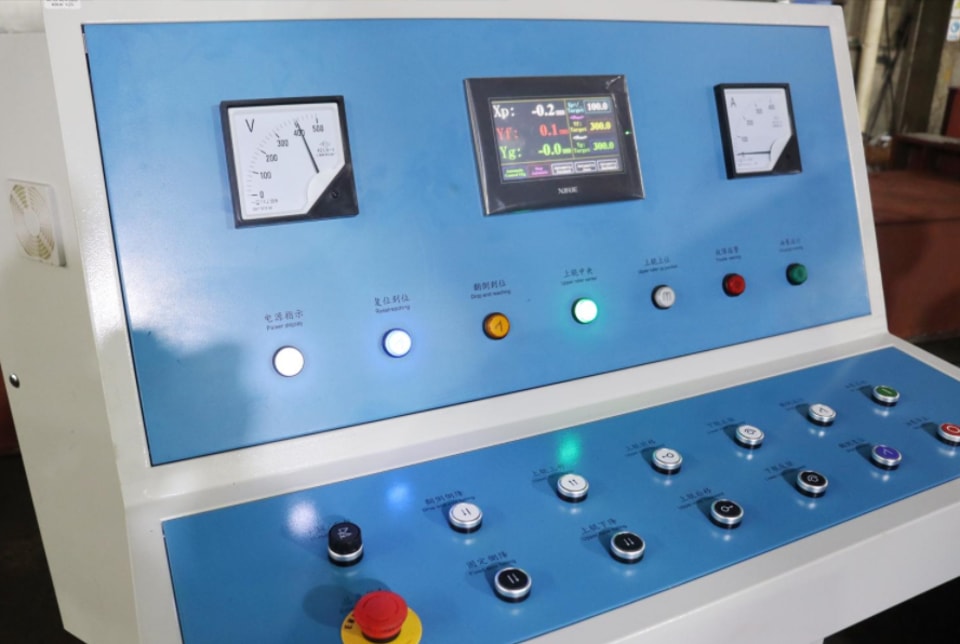
2. Control System Maintenance
Program Backup: Back up the PLC program annually to prevent program loss; wipe the touchscreen surface with alcohol to avoid oil contamination affecting operational sensitivity.
Emergency Stop and Limit Switches: Test the sensitivity of the emergency stop button and limit switches to ensure the equipment stops immediately in case of malfunction, preventing safety accidents.
IV. Periodic Deep Maintenance (Planned according to usage frequency)
1. Quarterly Maintenance
Comprehensive Lubrication: Replenish or change the oil at all lubrication points, paying particular attention to checking bearing clearance (use a feeler gauge; replace the bearing if clearance exceeds 0.15mm).
Bolt Tightening: Tighten all bolts on the machine body to standard torque (e.g., 80-100 N·m for M12 bolts) using a torque wrench to prevent loosening and increased vibration.
2. Annual Maintenance
Disassembly and Repair: Disassemble the gearbox, check gear wear (replace gears if tooth surface wear exceeds 10%), clean bearings, and measure radial runout (replace bearings if radial runout exceeds 0.05mm).
Accuracy Calibration: Test the rolling accuracy using a standard test plate (e.g., Q235 steel plate, 10mm thick). The ellipticity after rolling should be ≤1mm/m; if it exceeds this tolerance, adjust the roller position or grind the roller surface.
V. Special Working Conditions and Shutdown Maintenance
1. Inspection After Heavy Load Operation
- After processing thick plates (e.g., thickness exceeding 80% of the equipment's rated value), it is crucial to check the temperature and abnormal noise of the roller support bearings. Increase lubrication frequency if necessary.
2. Long-Term Shutdown Maintenance
Rust Prevention: Apply rust-preventive oil (such as industrial petroleum jelly) to the roller surface and cover the machine body with a dustproof cloth to prevent corrosion caused by a humid environment.
Electrical Moisture Prevention: Place a desiccant in the control cabinet and run the machine under no-load for 30 minutes monthly to prevent the motor and electrical components from aging due to moisture.
VI. Operating Procedures and Record Management
Standardized Operation: Overloading of plates (e.g., exceeding the equipment's rated thickness or width) is strictly prohibited. Avoid sudden stops and starts that could cause component impact. Operators must be trained before starting work.
Maintenance Records: Establish an "Equipment Maintenance Log" to record the time, content, replaced parts, and troubleshooting details of each maintenance session. This facilitates tracing maintenance history and developing subsequent maintenance plans.
In summary, the core of maintaining a three-roll plate bending machine lies in "prevention first, combined with treatment." Daily cleaning, lubrication, tightening, and regular precision calibration can effectively extend the equipment's lifespan (10-15 years under normal maintenance). If any abnormalities are found, timely repair is necessary to prevent minor malfunctions from escalating into major problems. Strict adherence to operating procedures is also crucial to reduce wear and tear and the risk of failure from the outset.
Contact Us