

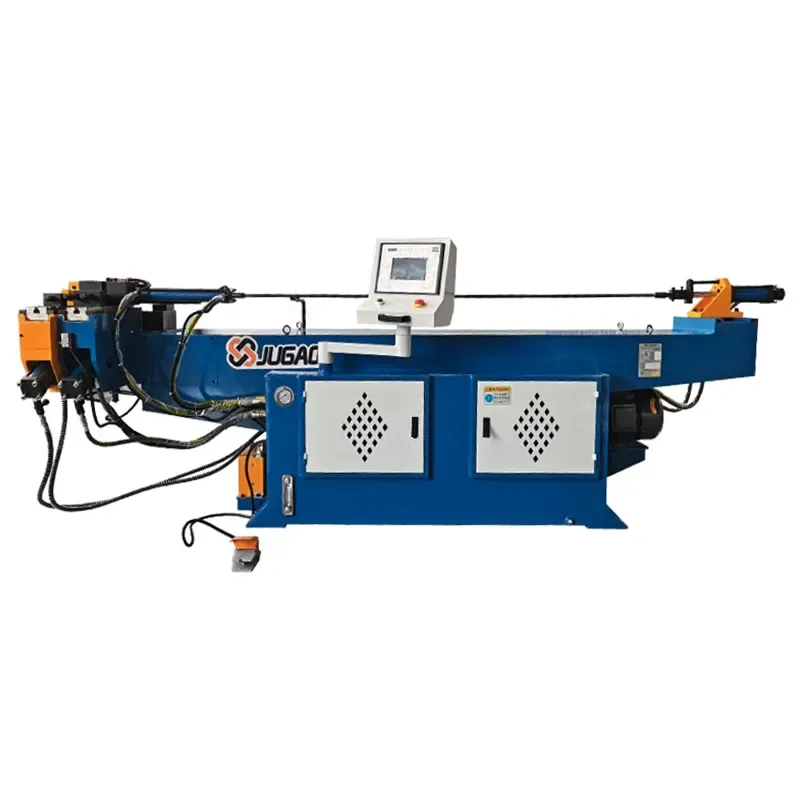
When should an emergency inspection of a pipe-bending machine be conducted after installation?
2026-10-20

An emergency inspection following the installation of a pipe-bending machine is not a one-time task, nor should it be something considered only after a malfunction occurs. The installation process introduces various changes—such as electrical wiring, hydraulic pressure adjustments, and software initialization—any of which could harbor potential risks. By performing emergency inspections at the key milestones outlined below, you can identify and address early-stage malfunctions, safety hazards, and precision issues before the machine is put into production.
I. After Mechanical Installation and Before Power-On
This is the first critical checkpoint. Verify that all emergency stop (E-stop) buttons are correctly wired and function reliably. Pressing any E-stop button must immediately cut power to the machine, bringing all hydraulic or servo-driven movements to an instant halt. E-stop systems may appear fine during routine operation, but a failure when they are actually needed can have severe consequences.
Simultaneously, inspect safety gates, light curtains, and interlock switches. Opening a safety gate should completely disable all machine movement. If the machine can still move while a guard is open, there is a fault in the safety circuit that must be rectified before proceeding.
II. During Initial Power-Up
Once powered on, access the control system and check for any alarms related to safety circuits, servo drives, or hydraulic systems. Even minor warnings during the startup phase may indicate wiring errors or incorrect parameter settings.
Test the E-stop buttons again while the machine is powered. The response must be instantaneous, and the controller should clearly indicate that an E-stop has been triggered. Any delay or inconsistent signaling suggests that the safety circuit requires adjustment or repair.
III. Before the First Trial Bend
Before running any tube-bending programs, verify the motion limits for each axis. Jog each axis manually and trigger an E-stop to ensure the machine stops correctly. This step helps prevent collisions between the bending arm, clamping dies, and pressure dies during actual production.
Additionally, confirm that hydraulic pressure and servo torque remain within safe limits when an E-stop is triggered. Pressure should be released smoothly, with no sudden rebound or delayed movement after the machine stops—a measure that protects both the equipment and the operators.
IV. After the First Trial Run
Perform another E-stop check following the first trial bend under load. This tests the E-stop functionality while the machine is subjected to actual bending forces. The tube-bending machine must come to a safe stop without deforming the tube, overloading the mandrel, or damaging the tooling. E-stop performance under load often reveals issues that might go unnoticed during no-load testing.
Finally, verify the reset and restart procedures following an E-stop. The machine must not restart automatically; it requires a manual reset and confirmation. During the initial installation phase, improper restart procedures are a common source of risk.
V. During the First Week of Operation
A follow-up inspection should be scheduled after operators have completed their training. In the course of actual operation, new operators may identify issues—such as an inconvenient placement of an emergency stop button or an inappropriate response time—and their feedback can help refine safety protocols.
Vibrations and repetitive movements during the initial phase of production may cause electrical terminals or mechanical switches to loosen. A re-inspection within the first week allows for the early detection of such issues—including wear, misalignment, or signal instability—before they can compromise safety performance.
Additionally, checks must be performed following any software or parameter changes.
After any software update, parameter modification, or program optimization, it is essential to verify that the safety logic has not been inadvertently affected. The emergency stop function in automatic mode, in particular, should be tested separately—as the emergency stop response in manual mode does not necessarily reflect its performance during an automated production cycle.
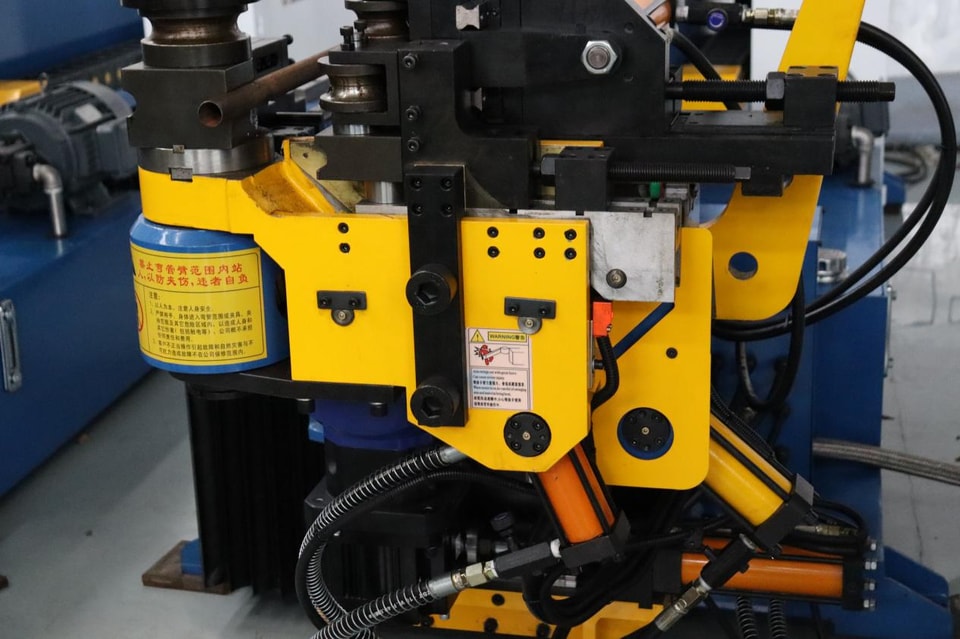
The timing and content of emergency inspections after installation are equally important. By checking every critical stage from installation to early production, safety risks will be significantly reduced, early faults can be discovered in advance, and long-term pipe bending accuracy will be more guaranteed.
Contact Us