
How to ensure the accuracy of pipe bending: A complete technical guide
2026-07-16

When discussing the precision of pipe bending, many people's first reaction is that the machine must be good enough and the CNC system must be advanced enough. These are certainly important, but to be honest, I've seen too many counterexamples in the workshop—the equipment is new, the system is the latest, but the pipes bent are still not right. The problem often lies in some more fundamental aspects, and these are things that no one tells you when you buy the equipment.
What exactly does precision mean?
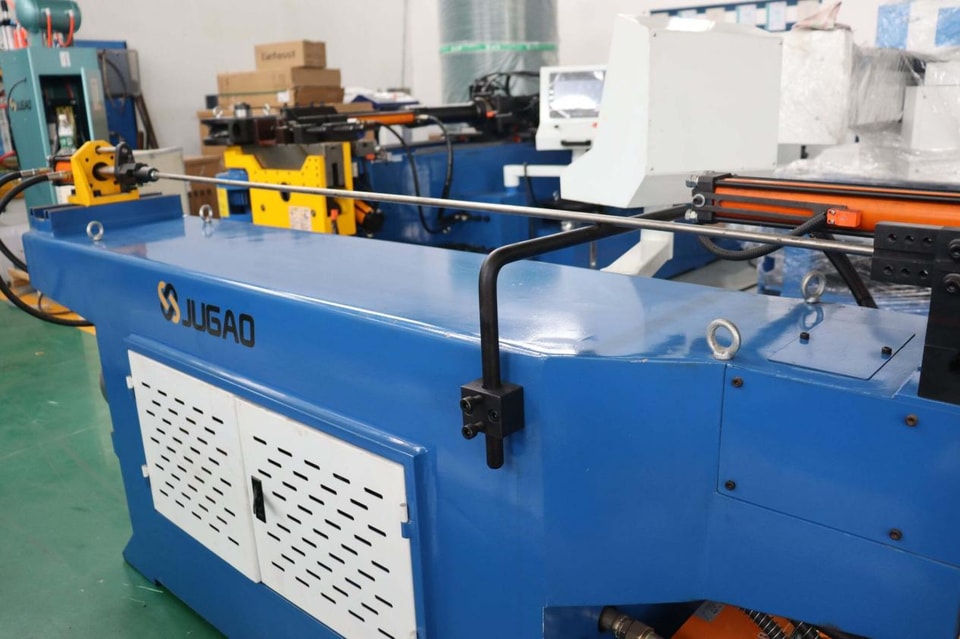
Frankly, it boils down to three things: whether the angle is correct, whether the radius is accurate, and how much difference there is between each pipe. In industry, precision doesn't just mean bending it correctly this time; it means maintaining the same dimensions for the next pipe, and the one after that, and even after a hundred pipes. If the dimensions are off, how do you proceed with subsequent processes? Welding won't align, assembly won't be precise, and the entire system will be affected.
Factors affecting accuracy are more numerous than you might think.
The material itself is a variable. Pipes of the same diameter made of carbon steel, stainless steel, and aluminum have completely different bending characteristics. Some are highly elastic, some wrinkle easily when bent, and some require greater force to form. You can't use the parameters for bending carbon steel to bend stainless steel; the result will definitely be off-center.
The relationship between wall thickness and diameter is also crucial. Too thin a wall makes it prone to collapse; too large a diameter places high demands on the rigidity of the equipment. If the machine itself lacks rigidity, the machine body will deform when bending large diameter pipes—where will the accuracy come from?
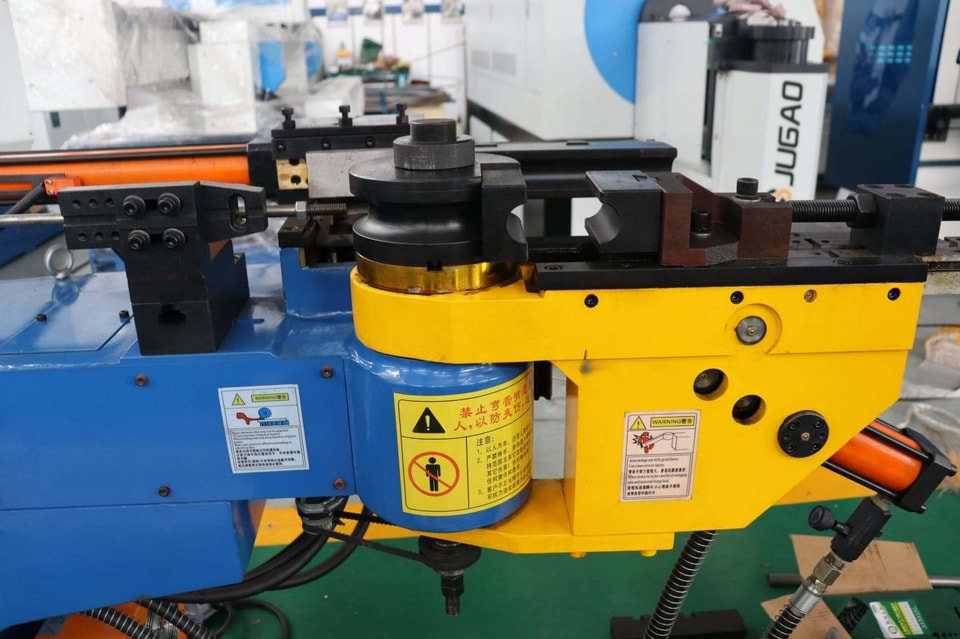
Bends with smaller bending radii place greater demands on equipment and processes. Sharp bends are prone to three problems: excessive thinning of the outer wall thickness, wrinkling on the inner side, and the cross-section becoming elliptical instead of circular. To avoid these, the mandrel and anti-wrinkle die must be properly matched; a "good enough" approach won't suffice.
Springback is an issue that needs to be discussed separately.
When bending a pipe, after bending it to the set angle and releasing the lever, it will spring back slightly. This springback amount is related to the material strength, wall thickness, and bending radius. Without compensation, the resulting angle will always be too small. One of the values of a CNC system is its ability to pre-calculate this compensation value, but the exact value needs to be determined through trial bending of the actual material; it cannot be guessed.
What CNC systems can and cannot solve:
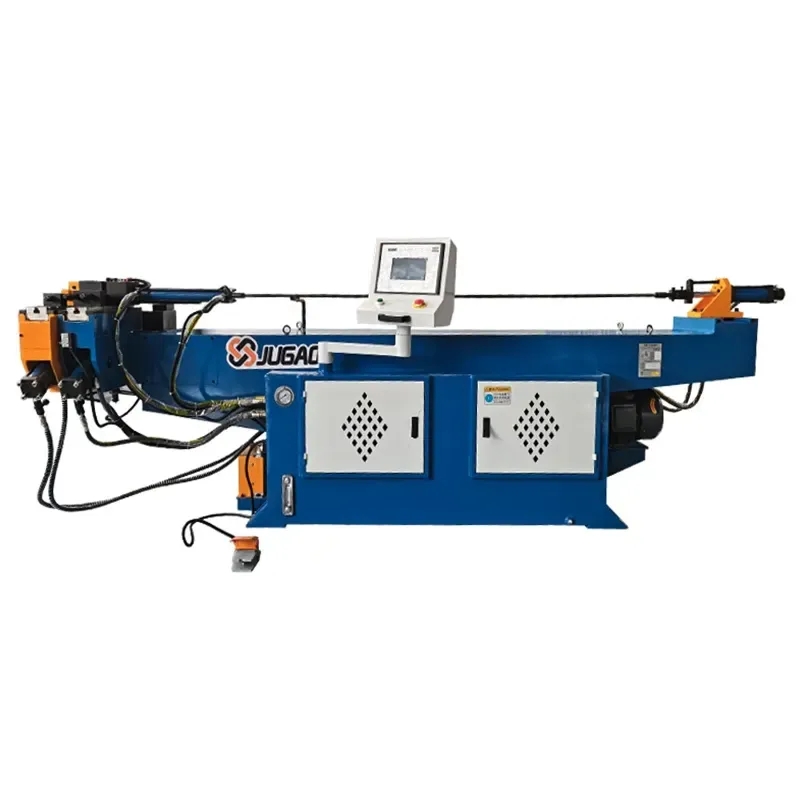
CNC pipe bending machines can indeed achieve precise angle programming, automatic springback compensation, and batch repetitive production—features that manual operation cannot match. However, they also have limitations—if the machine's mechanical precision is insufficient, the guide rails are worn, or there is backlash in the lead screw, even the best system cannot salvage the situation. A servo motor can push the bending arm to a specified angle, but if there is mechanical backlash between the bending arm and the encoder, the actual angle will differ from the system display. The mechanical precision of the equipment and the precision of the CNC system are two different things, and both must be properly managed.
Lubrication is a detail that's easily underestimated.
Increased friction between the mold and the tube can cause surface scratches, and uneven bending resistance can lead to angle drift. Proper lubrication reduces friction, allowing for smoother material flow and a smoother bent surface. Not just any oil will do; you need a specialized pipe bending oil, and the application location and amount also require careful attention.
Several common operational errors:
1. Not adjusting the mandrel position when changing specifications. The mandrel extension varies depending on the pipe diameter and wall thickness; directly using the parameters from the previous batch will definitely cause problems.
2. Ignoring die wear. Dies also have a lifespan; with prolonged use and wear, the bent pipe shape will gradually deviate. Regularly check the die condition and repair or replace it as needed.
3. Insufficient calibration intervals. Over time, the axes of the machine will develop slight misalignments, requiring regular calibration. The machine's factory calibration is not a one-time fix.
Several ways to maintain machine accuracy:
**Constantly implement process parameters.** Record the optimal parameter combinations found each time you test them. This allows you to directly reuse these combinations with the same materials and pipe diameters without retesting.
**Invest in operator training.** Humans are the most unpredictable factor, but also the most capable of handling complex situations. Effective training enables operators to promptly identify and adjust for abnormalities.
**Perform preventative maintenance as needed. Don't wait until the machine breaks down to repair it. Properly performing basic maintenance tasks such as lubricating and inspecting guide rails, lead screws, and bearings, and changing hydraulic oil, will significantly extend the machine's accuracy.
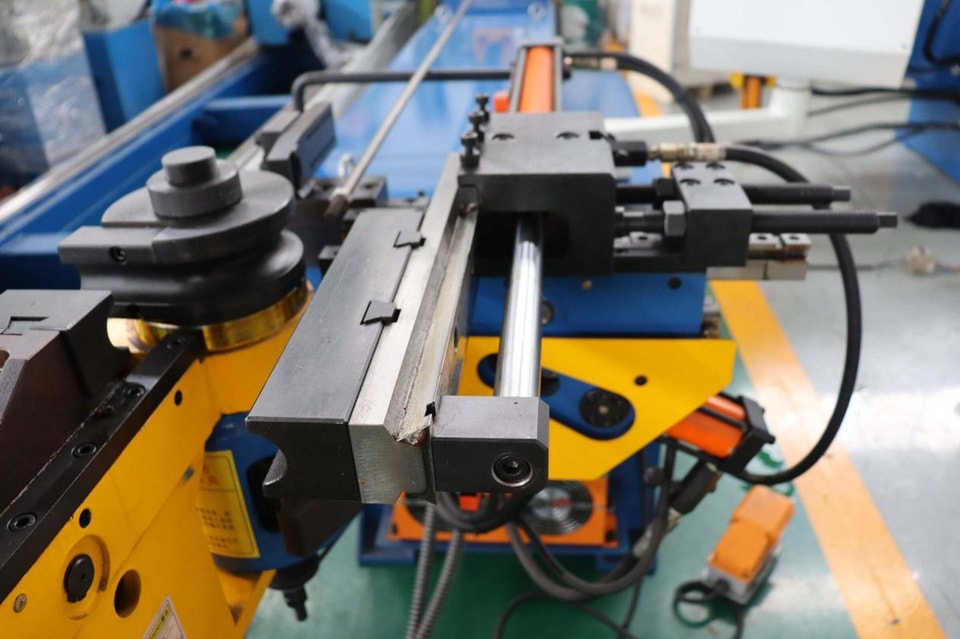
Ultimately, ensuring pipe bending accuracy isn't about any single thing; it's a combination of equipment precision, CNC system, die condition, material properties, lubrication conditions, and operational procedures. If any link in this chain fails, accuracy will be affected. Choosing the right equipment, adjusting parameters correctly, managing the process effectively, and performing proper maintenance are the most worthwhile areas to invest in regarding pipe bending accuracy. What's the most challenging accuracy problem you've encountered in actual production? Welcome to share your thoughts.
Contact Us