
Key Points to Note When Operating a Four-Roll Plate Rolling Machine
2026-07-14

Core Operating Points of a Four-Roll Plate Rolling Machine
I. Understanding the Equipment Structure and Principles
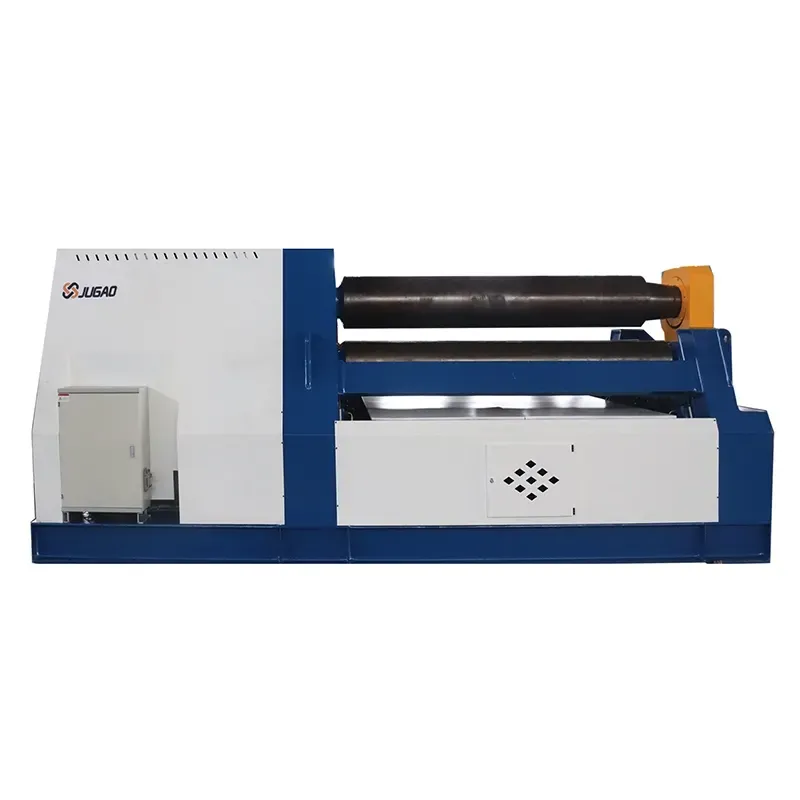
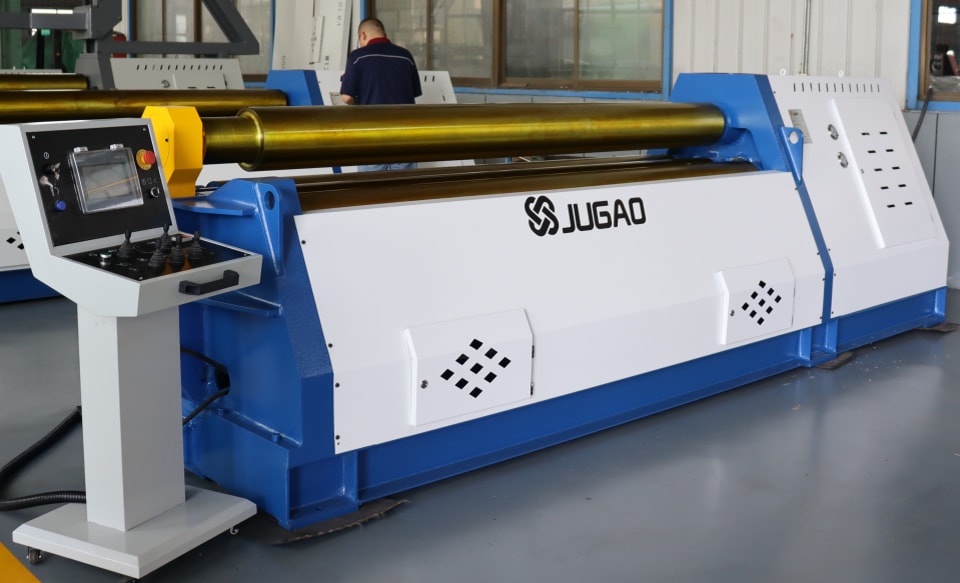
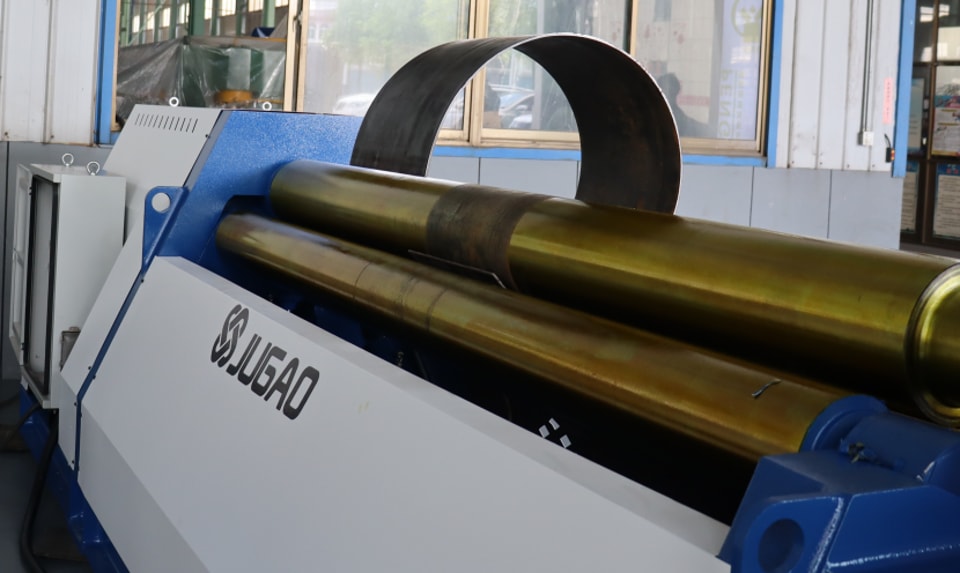
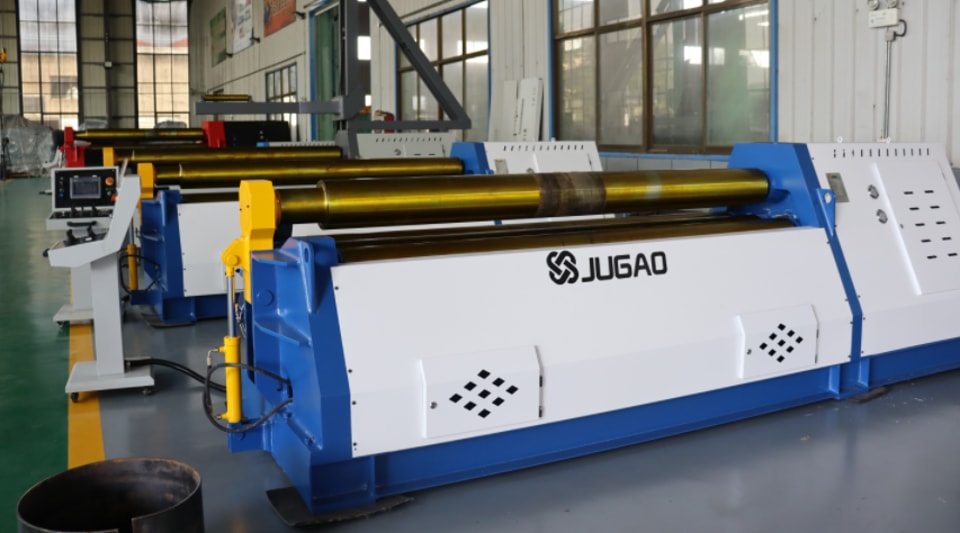
Structure of a Four-Roll Plate Rolling Machine: Upper Roller (Active), Lower Roller, Left and Right Side Rollers
The upper roller presses down to handle pre-bending;
The lower roller supports the plate and is used for main drive feeding;
The lifting and lowering of the side rollers controls the radius of curvature for precise rolling;
Advantages: Can complete pre-bending + rolling + rounding in one clamping operation, no straight edges, high precision, suitable for medium and thick plates and high-precision cylinders.
II. Pre-Start Inspection Points
Overall machine appearance, machine body anchor bolts must be secure;
Hydraulic system: oil level normal, no leakage, oil temperature normal;
Reducer and gearbox oil levels sufficient, no abnormal noises or oil shortages;
Roller surface cleanliness: free of welding slag, burrs, and hard objects to prevent damage to the plate surface;
Electrical wiring, emergency stop button, and limit switches sensitive and reliable;
Safety protection devices complete, operators in compliant positions.
III. Key Points for Plate Loading
* The thickness of the plate material must meet the equipment's rated parameters. Over-thickness, over-width, and over-material rolling are strictly prohibited.
* Deburr, trim, and grind all four edges of the plate to avoid scratching the rollers and plate surface.
* Feed the steel plate in the center, ensuring it is parallel to the roller axis to prevent rolling deviation and taper.
* Uneven loading and one-sided force feeding are strictly prohibited.
IV. Key Points of Plate Rolling Operation
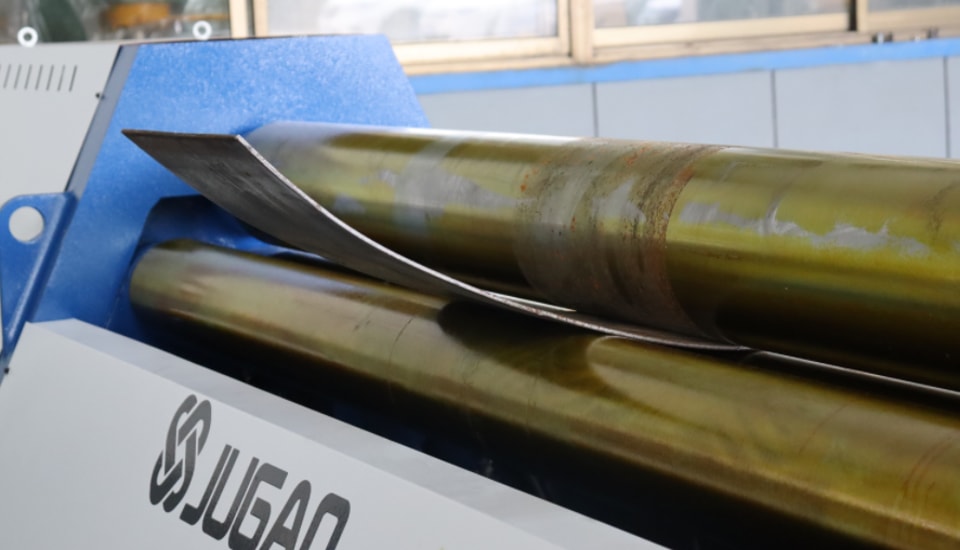
1. Pre-bending (eliminating straight edges)
* Pre-bend the ends of the plate to avoid leaving straight edges after rolling.
* The upper roller presses down slowly in stages, avoiding pressing all the way down at once to prevent plate breakage and equipment overload.
2. Principle of Staged Rolling
* Less pressure, more turns, gradual forming
* Control the side roller lift/up/down pressure of each turn in small increments.
* Measure the curvature after each turn, gradually increasing the bending degree.
* Forced rolling with a large pressure at once is strictly prohibited, as this can easily cause plate breakage, roller damage, and damage to the hydraulic system.
3. Roundness Correction: After forming, rotate slowly at low speed, fine-tune the side roller height, and perform multi-point rolling to correct roundness; continuously measure roundness and diameter using templates and measuring tapes, and gradually correct errors.
4. Conical Rolling: Adjust the sheet material's inclination during feeding, ensure the height difference between the two side rollers is matched, and constantly correct for deviation throughout the process.
V. Key Points for Monitoring During Operation:
Listen to the equipment's operating sound: no abnormal noise, no impact, no vibration;
Check the hydraulic pressure: pressure within the rated range, overpressure is strictly prohibited;
Observe the sheet material: no slippage, no deviation, no wrinkling, no cracks;
The rollers rotate smoothly, without jamming or abnormal overheating.
VI. Strict Safety Operating Regulations
* During operation, it is strictly forbidden to put hands into the roller engagement area, and it is forbidden to use hands to hold the plates or stuff them with debris;
* When the plates are rotating, do not stand tangentially to the cylinder to prevent injury from ejected steel plates;
* Adjustments, measurements, and spot welding must be performed only after the machine has been stopped;
* In case of overload, abnormal noise, or deviation, immediately press the emergency stop button, troubleshoot the problem, and then restart the machine;
* Multiple people must cooperate and use unified commands; unauthorized manipulation of the control handles is strictly prohibited;
* Wear personal protective equipment: safety helmet, protective gloves, and safety shoes. Loose clothing must not be placed near transmission parts.
VII. Common Problems and Solutions
* Sheet Deviation/Tapering: The sheet material is not aligned correctly; the rollers are not parallel. Realign and fine-tune the side rollers.
* Excessively Long Straight Edges at Both Ends: Insufficient pre-bending. Re-pre-press the ends.
* Scratches/Indentations on the Sheet Surface: Debris on the roller surface or welding slag on the steel plate. Clean and grind beforehand.
* Large Roundness Error: Excessive pressure applied in one pass. Switch to gradual rolling in multiple passes.
* Equipment Pressure Leakage: Forcing the rolling of excessively thick sheet material or setting the pressure too high. Reduce the load and use according to rated parameters.
VIII. Daily Maintenance Points
* Clean the roller surface and machine body daily, removing oil and metal shavings.
* Regularly add grease to all lubrication points, bearings, and gears.
* Regularly filter and replace the hydraulic oil, and clean the oil tank filter element.
* Raise the rollers to relieve pressure when not in use for extended periods to prevent deformation.
* Regularly calibrate the parallelism of the four rollers and the limit switches.
Contact Us