
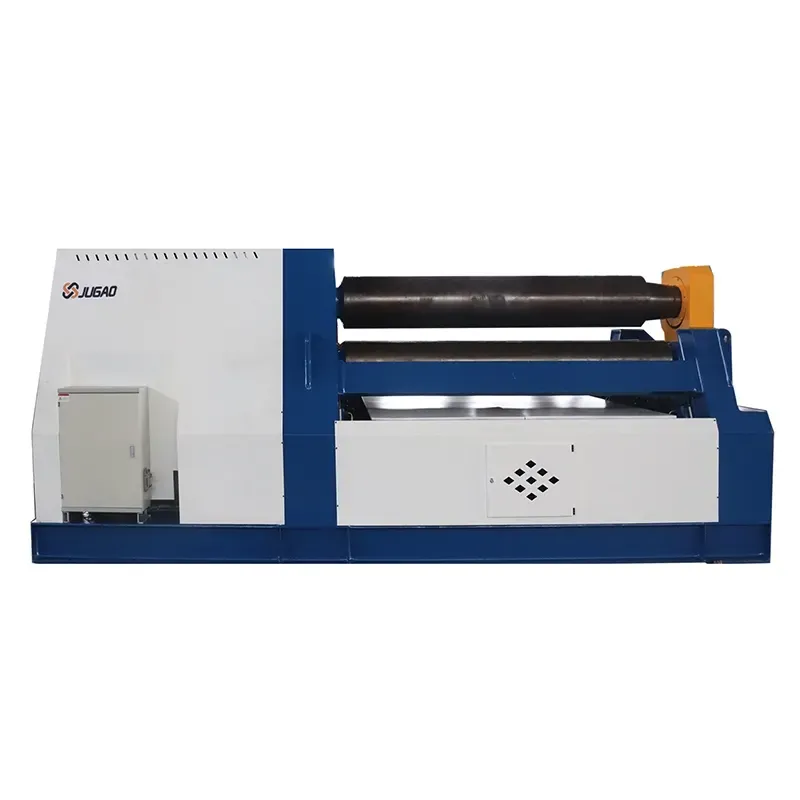
Key Points to Know When Using a Four-Roll Plate Rolling Machine
2026-07-17

There are several key points to understand when using a four-roll plate rolling machine. The following covers equipment operation, sheet material characteristics, and safety precautions:
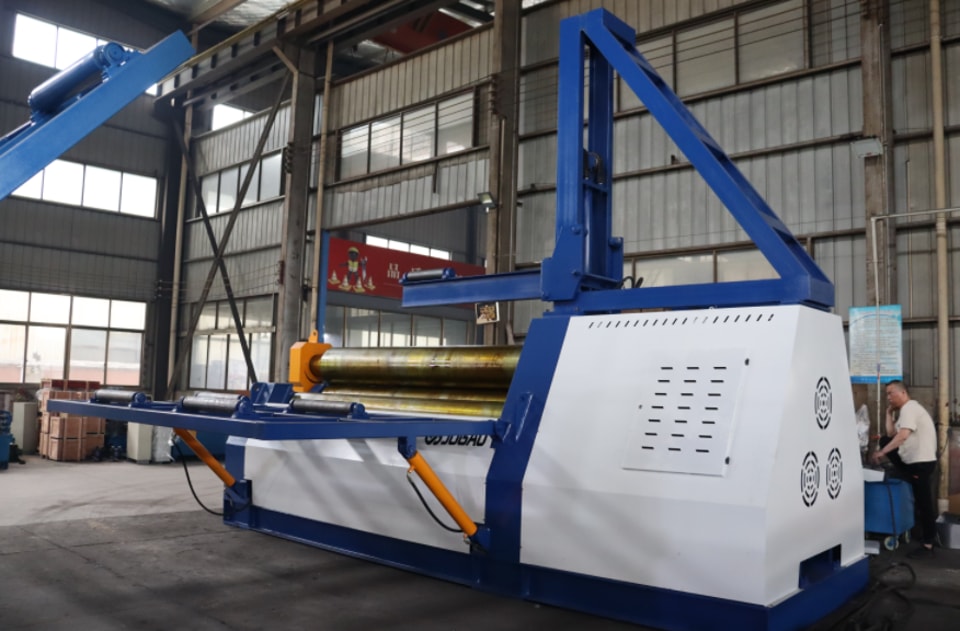
Equipment-Related Knowledge
* Equipment Parameters: Be familiar with all parameters of the four-roll plate rolling machine, such as maximum rolling thickness, width, minimum rolling diameter, and rolling speed. Ensure the sheet material being processed is within the machine's processing capacity to avoid overloading, which could damage the equipment or cause processing quality issues.
* Lubrication System: Understand the working principle and maintenance requirements of the equipment's lubrication system. Regularly check the lubricating oil level and quality, and lubricate according to the specified time and location to reduce friction between components, extend the equipment's lifespan, and ensure normal operation.
* Electrical Control System: Be familiar with the layout of the electrical control system's control panel and the functions of each button and knob. Master the operation methods for starting, stopping, speed adjustment, roller lifting, and tilt control. Also, understand the symptoms of common electrical faults and simple troubleshooting methods so that you can take timely measures when problems occur.
Sheet Material-Related Knowledge
* Sheet Material: Different sheet materials have different mechanical properties and processing characteristics. Stainless steel sheets, due to their high hardness, require greater force during rolling and are prone to surface scratches; aluminum sheets, being softer, require careful handling to prevent excessive deformation and surface indentation during rolling.
Sheet Pretreatment: Before rolling, the sheet material must be pretreated, such as removing surface oil, rust, and burrs, to avoid affecting rolling quality and damaging the roller surface. For some thicker or harder sheets, preheating may be necessary to reduce hardness and increase plasticity, facilitating rolling.
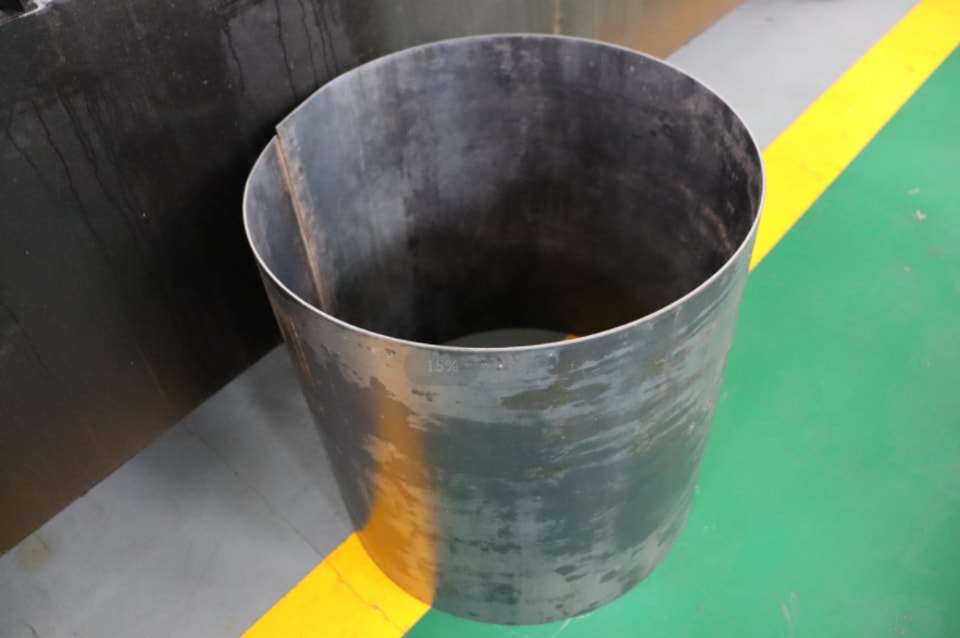
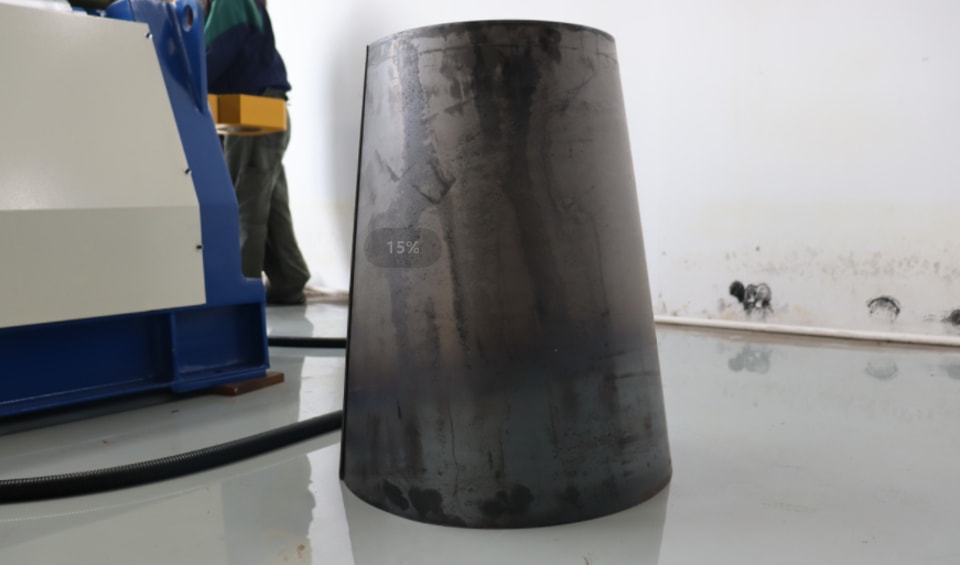
Sheet Calculation: Accurately calculate parameters such as the unfolded length and the radius of curvature after rolling. Based on the required roll diameter, sheet thickness, and number of rolls, calculate the blanking length of the sheet to ensure the rolled dimensions meet requirements.
Operating and Safety Knowledge:
Operating Procedures: Strictly follow the operating procedures. During rolling, maintain the sheet feed direction perpendicular to the roller axis to prevent sheet skewing, which could lead to rolling quality problems or equipment damage. Simultaneously, observe the rolling process and adjust the roller position and pressure as needed to ensure a smooth rolling process.
Multi-person collaboration: If multiple people need to operate the four-roll plate rolling machine, the responsibilities and signal instructions of each person must be clearly defined to ensure accurate communication and cooperation during operation, avoiding safety accidents or operational errors caused by poor communication.
Safety protection: Wear appropriate personal protective equipment during operation, such as safety helmets and protective gloves. When the equipment is running, never touch the contact points between the rollers and the plate to avoid hand injuries or other accidents. Ensure that the equipment's safety protection devices are complete and effective, such as emergency stop buttons and guardrails.
Quality control knowledge:
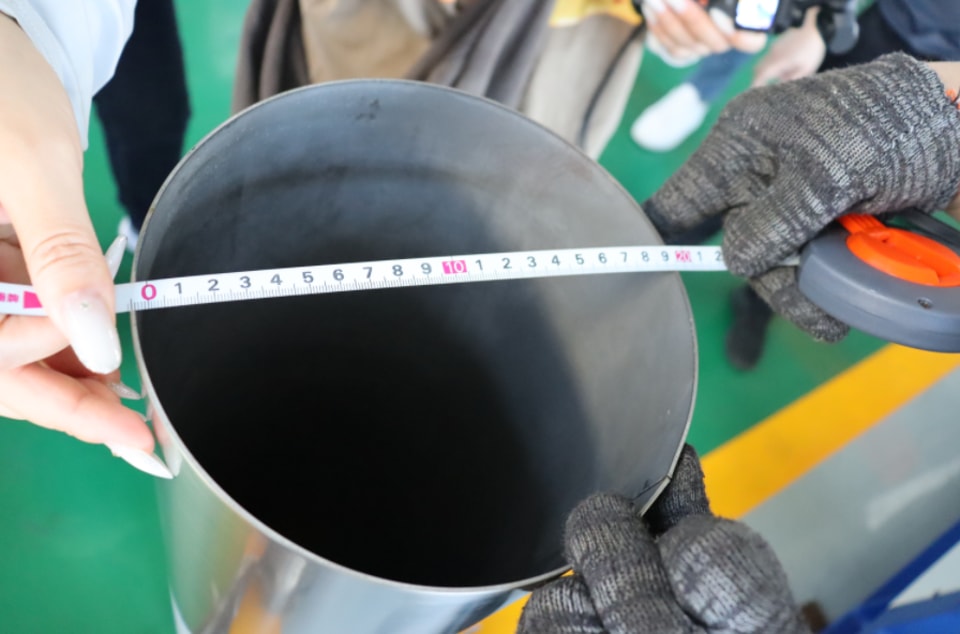
Precision inspection: Regularly perform precision inspections during the rolling process, such as measuring the diameter deviation, roundness error, and straightness of the roll, to promptly identify and correct deviations during the rolling process and ensure that product quality meets design requirements.
Surface quality: Pay attention to the surface quality of the plate. Defects such as scratches, indentations, and wrinkles may occur during the rolling process. Analyze the causes of these defects, such as uneven roller surfaces or uneven pressure, and take corresponding measures to improve them, such as polishing the roller surfaces and adjusting the pressure distribution.
Contact Us