
Why Laser Cutting Has Become Indispensable for Medical Equipment Manufacturing
2026-06-12

Table of contents
• How Laser Cutting Realizes Precise Fabrication of Medical Equipment Parts
• Core Superiorities of Laser Cutting Applied in Medical Device Fabrication
○ Ultrahigh Machining Precision & Stable Batch Consistency
○ Smooth Cutting Margins Free From Burr Residues
○ Strong Adaptability to Elaborate Custom Structures
○ Contact-Free Processing Protects Fragile Raw Materials
• Practical Scenarios of Laser Cutting Across Medical Product Lines
○ Production of Various Surgical Tools
○ Fabrication for Orthopedic & Dental Implant Components
○ Micro Processing of Intravascular Stents and Catheter Accessories
• Frequently Asked Questions
○ What Makes Laser Cutting Outperform Conventional Mechanical Machining for Medical Production?
○ Which Raw Substances Suit Laser Cutting Fabrication for Medical Products?
○ Will Laser Processing Destroy the Biological Compatibility of Medical Implants?
• Final Summary
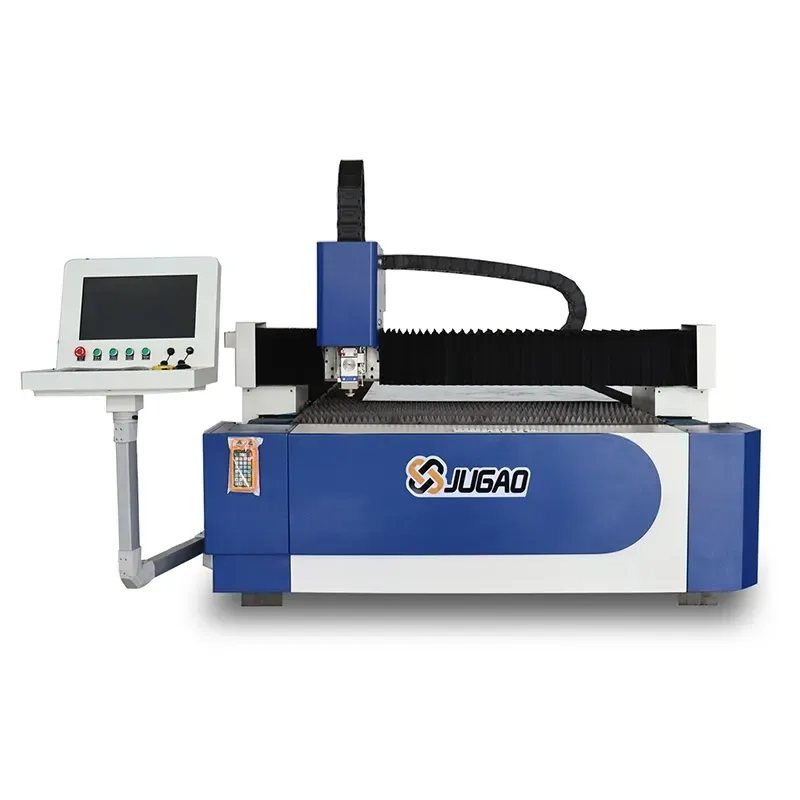
Laser cutting has evolved into an irreplaceable processing technique for medical component producers chasing superior dimensional precision, sanitary processing standards and streamlined manufacturing efficiency. As a sophisticated industrial processing approach, it enables fabricators to manufacture intricate medical products with outstanding dimensional accuracy and unified finished quality. This passage elaborates on the core reasons behind laser cutting’s extensive adoption within the medical manufacturing sector, its value in upgrading finished medical equipment quality, plus the practical benefits helping manufacturers strengthen market competitiveness amid the strict medical industry standards nowadays.
How Laser Cutting Realizes Precise Fabrication of Medical Equipment Parts
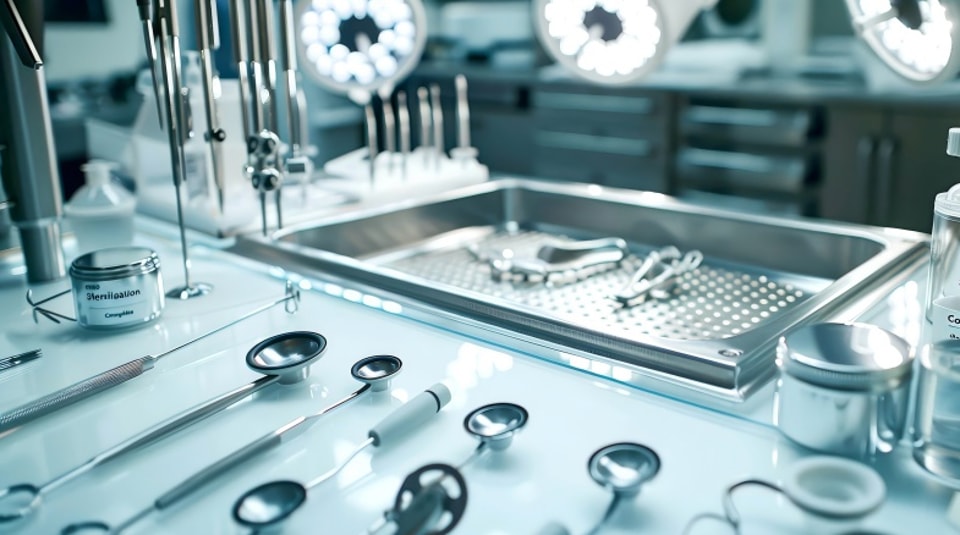
Laser processing boasts incomparable precision during the production of medical spare parts. Multiple mainstream medical products ranging from surgical handheld tools, vascular stents and orthopedic embedded fittings to miniature auxiliary medical accessories demand elaborate structural modeling and stringent dimensional tolerance control. Supported by laser cutting technology, manufacturers can form sophisticated outlines under micron-level dimensional control to satisfy rigorous quality specifications laid down by global medical regulatory systems.
Another prominent merit lies in its capability to slice ultra-thin, easily deformable base materials without warping workpieces or leaving jagged leftover burrs. Whether fabricating components from medical stainless steel, titanium alloy or certified medical polymer raw stock, laser cutting delivers sleek finished surfaces and largely cuts down follow-up polishing and secondary finishing operations.
Core Superiorities of Laser Cutting Applied in Medical Device Fabrication
Ultrahigh Machining Precision & Stable Batch Consistency
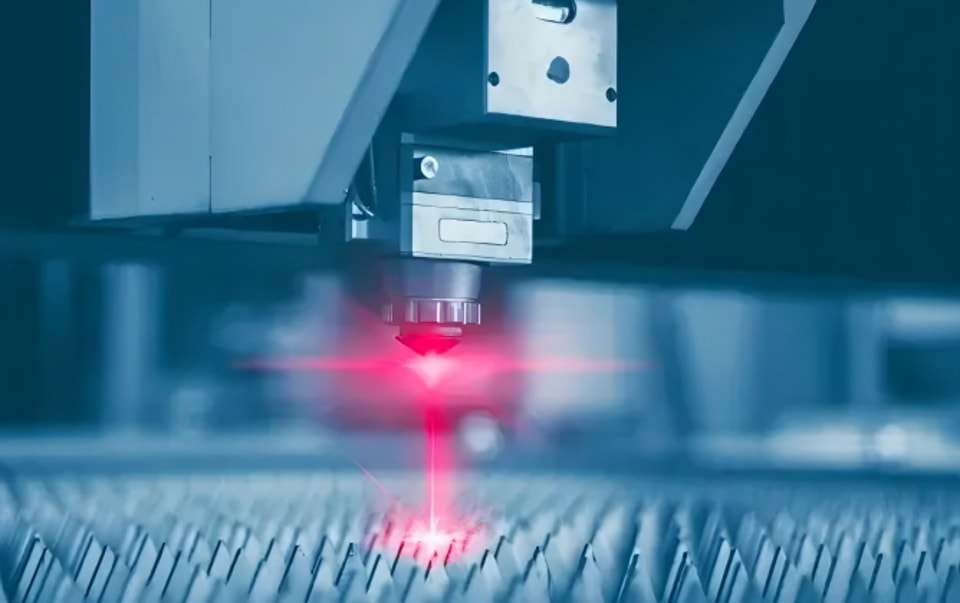
Laser cutting technology can make every finished medical spare part fully match pre-set blueprint parameters. Such steady repeat production capacity is vital to satisfy strict safety specifications and industrial supervision rules for medical supplies. Different from traditional mechanical cutting modes that rely heavily on manual operation, this laser-based processing mode greatly lowers faults triggered by human misoperation and lifts the overall yield of qualified finished products.
Smooth Cutting Margins Free From Burr Residues
All medical finished products require seamless surface edges to safeguard patients’ physical safety and wearing comfort during clinical usage. Laser cutting generates tidy, burr-free incision lines and minimizes tedious hand polishing work afterward. Apart from shortening overall production cycles, it also reduces hidden risks of impurity contamination, a critical factor for all clinically used medical supplies.
Strong Adaptability to Elaborate Custom Structures
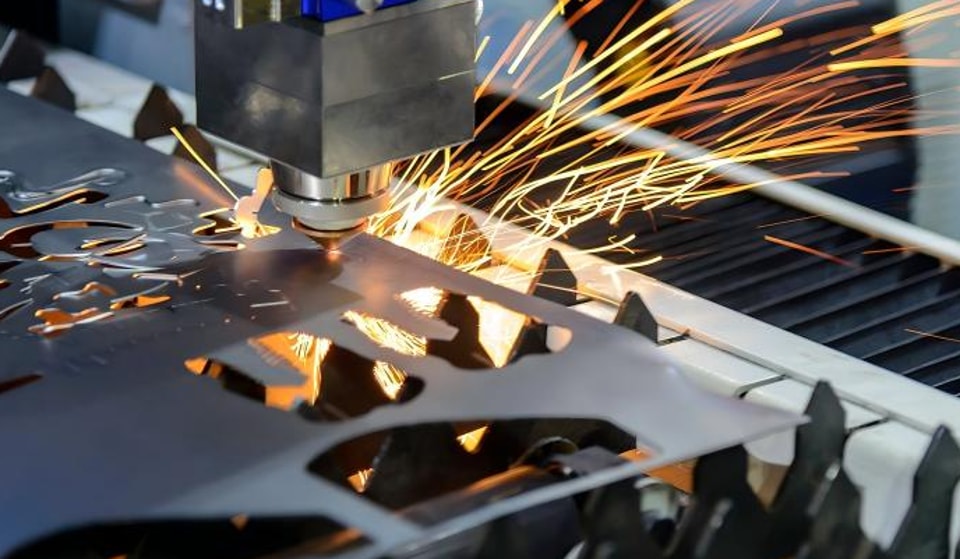
Most newly developed medical devices contain complex carved textures and micro-sized tiny structural features which traditional mechanical cutting equipment struggles to shape. Laser cutting can effortlessly realize these irregular complicated outlines, empowering equipment developers to turn innovative design drafts into physical products that are impossible to produce via conventional cutting machinery and driving the iterative upgrade of medical technologies.
Contact-Free Processing Protects Fragile Raw Materials
Laser cutting belongs to non-contact machining, which means no solid cutting tool physically touches the processed base material throughout the whole cutting procedure. This processing trait effectively eases external mechanical extrusion stress on raw materials, avoids workpiece distortion and fully retains the inherent structural stability of delicate precision medical parts.
Practical Scenarios of Laser Cutting Across Medical Product Lines
Production of Various Surgical Tools
Laser cutting is widely adopted to produce high-precision surgical gear including surgical scalpels, tissue forceps and bone cutting appliances. These clinical instruments need ultra-sharp clean cutting edges plus long-term wear resistance, two core properties that laser processing can steadily fulfill in mass production.
Fabrication for Orthopedic & Dental Implant Components
Orthopedic and dental embedded implants usually feature irregular customized shapes and are mainly produced from biocompatible titanium-based metals. Thanks to laser cutting’s fine processing capacity, implant accessories achieve perfect assembly matching and smooth exterior surfaces, effectively boosting clinical repair effects and lowering the probability of human body rejection against implanted medical parts.
Micro Processing of Intravascular Stents and Catheter Accessories
Ultra-fine micro laser cutting technology supports the mass production of miniaturized, bendable vascular stents as well as assorted catheter spare parts with ultra-precise dimensional control. These implanted internal medical devices require delicate patterned structures to guarantee stable operational performance after being implanted inside human organs and blood vessels.
Frequently Asked Questions
What Makes Laser Cutting Outperform Conventional Mechanical Machining for Medical Production?
Laser cutting outmatches classic machining solutions with superior dimensional precision, cleaner incision surfaces and higher freedom for complicated customized designs. Meanwhile, it shortens production cycles and controls unit manufacturing cost more reasonably during large-batch medical component fabrication.
Which Raw Substances Suit Laser Cutting Fabrication for Medical Products?
Applicable mainstream raw materials cover medical-grade stainless steel, titanium alloy, cobalt-chromium alloy, Nitinol shape memory alloy and specialized medical polymer materials. Laser cutting can machine all above raw materials without damaging their original physical and chemical characteristics.
Will Laser Processing Destroy the Biological Compatibility of Medical Implants?
Properly operated laser cutting counts as a contamination-free processing method and won’t introduce foreign impurities onto workpiece surfaces. When following standardized operating requirements, this processing technology keeps original biological compatibility of medical raw materials intact, ensuring finished products meet safety standards for human clinical implantation.
Final Summary
With unrivaled precision performance, high production efficiency and stable operational reliability, laser cutting has become a fundamental processing option for contemporary medical device manufacturing enterprises. From ordinary handheld surgical instruments to various embedded implants and ultra-small precision micro-components, laser cutting helps manufacturers manufacture high-standard finished goods while cutting raw material waste and shortening total production lead time.
Should you intend to optimize your existing production flow or acquire more detailed information regarding customized JUGAO advanced laser cutting solutions targeting medical manufacturing scenes, feel free to get in touch with our professional team. We stand ready to recommend targeted processing technologies matching your actual production demands.
Contact Us