
Step‑by‑Step Troubleshooting for JUGAO Laser Automatic Focus Malfunctions
2026-09-16

Table of Contents
1. Working Principles of JUGAO Laser Auto‑Focus Module
2. Typical Triggering Factors for Automatic Focus Failures
○ Defective Auto‑Focus Motor
○ Contaminated or Damaged Focus Lens
○ Height Sensor & Controller Abnormality
○ Unreliable Electrical Contact Points
○ Improper Software Parameter Configuration
3. Sequential Troubleshooting Workflow for Auto‑Focus Faults
○ Step 1: Read Fault Alarm Notifications from Control Terminal
○ Step 2: Visual Check for Focus Lens Assembly
○ Step 3: Run Operational Test for Auto‑Focus Motor
○ Step 4: Validate Height‑sensing Module Performance
○ Step 5: Check All Wiring and Plug‑in Terminals
○ Step 6: Double‑check Auto‑focus Related Parameter Groups
○ Step 7: Carry Out Practical Cutting Validation Test
4. Preventive Maintenance Advice for Auto‑focus Assembly
○ Periodic Cleaning for Optical Parts
○ Routine Condition Monitoring of Sensors
○ Regular Inspection of Cables and Connectors
○ Keep System Firmware and Parameters Up‑to‑date
5. Frequently Asked Technical Questions
6. Final Conclusion
Automatic focus malfunction ranks among frequent faults that impair cutting finish, production throughput and equipment dependability of JUGAO laser cutters. Once the laser head loses the capacity to adjust focal height automatically, operators may encounter incomplete piercing, excessive dross attachment, coarse cutting edges and fluctuating processing outcomes. This article sorts out typical fault triggers and provides a complete step‑by‑step troubleshooting workflow tailored for JUGAO laser equipment. Following these diagnostic procedures helps technicians pinpoint fault sources rapidly, shrink production standstill duration and restore full cutting capability of machinery.
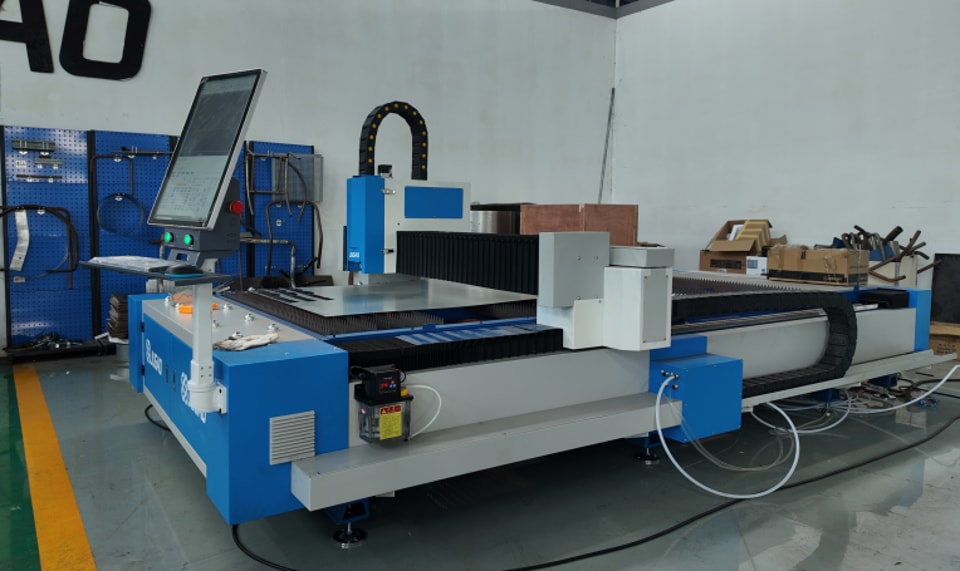
Working Principles of JUGAO Laser Auto‑Focus Module
Prior to fault diagnosis, it is necessary to understand how the auto‑focus unit operates.
The laser cutting head dynamically modifies focal height responding to plate thickness and processing parameter inputs. The whole functional unit consists of these core sub‑components:
• Auto‑focus drive motor
• Focus lens set
• Servo drive unit
• Capacitive height‑detection sensor
• CNC control software
• Signal transmission cables and connection terminals
Malfunction of any above‑mentioned part will give rise to abnormal auto‑focus behavior.
Typical Triggering Factors for Automatic Focus Failures
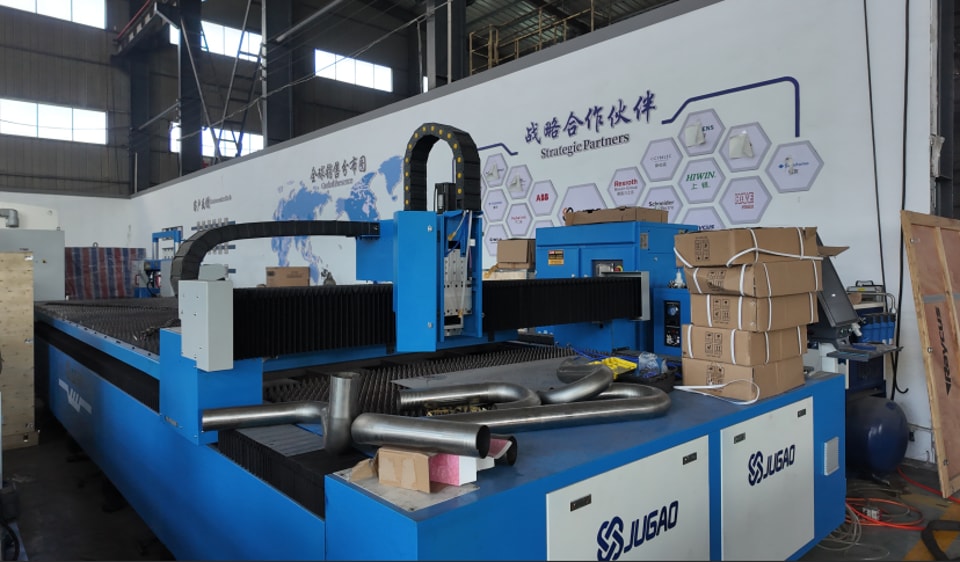
Defective Auto‑Focus Motor
The focus motor governs vertical displacement of focus lens components. Motor burnout or overload will render cutting head unresponsive to focus adjustment commands.
Observable symptoms cover:
• Zero movement output for focus mechanism
• Strange mechanical noise during actuation
• Excessive motor surface temperature
• System alarms related to focus positioning
Contaminated or Damaged Focus Lens
Stains and scratches on optical elements interfere with laser light transmission and disrupt calibration reference of auto‑focus system.
Warning signs of lens damage or pollution:
• Obvious deterioration of cutting quality
• Burn marks left on lens surfaces
• Increased molten spatter during machining
• Unstable focal height output
Height Sensor & Controller Abnormality
The capacitive height sensor continuously measures clearance distance between nozzle tip and workpiece surface.
Sensor breakdown will bring these problems:
• Erratic focal height adjustment
• Repeated height‑limit alarm pop‑ups
• Risk of nozzle‑to‑plate collision
• Disordered and inconsistent cutting results
Unreliable Electrical Contact Points
Loose plugs or impaired cables break signal exchange between numerical controller and auto‑focus assembly.
Common phenomenon includes:
• Intermittent focus movement action
• Communication error alarms
• Unexpected sudden equipment halt
• Position offset faults
Improper Software Parameter Configuration
Wrong setup values may create symptoms of hardware failure even though all physical parts remain intact.
Fault‑inducing parameters contain:
• Focal offset figures
• Material process database entries
• Calibration preset values
• Servo dynamic tuning coefficients
Sequential Troubleshooting Workflow for Auto‑Focus Faults
Step 1: Read Fault Alarm Notifications from Control Terminal
Start diagnosis by checking alarm records displayed on JUGAO CNC operating panel.
Pay special attention to alarm information associated with:
• Focus motor malfunction
• Servo drive error codes
• Height‑controller abnormal signals
• Signal communication breakdown
Alarm codes offer the most efficient clues to locate root causes.
Step 2: Visual Check for Focus Lens Assembly
Power off the whole machine unit, then take down protective lens and focusing lens for thorough inspection.
Examine for these conditions:
• Dust and particle accumulation
• Oil and smoke contamination
• Surface scratch defects
• Cracks or chipping
Clean optical components with JUGAO‑approved lens wipes; replace broken optical accessories without delay.
Step 3: Run Operational Test for Auto‑Focus Motor
Trigger manual focus adjustment function via the operation screen.
Observe real‑time performance as below:
• Whether motor slides up and down smoothly
• Whether focal position changes correspondingly
• Whether abnormal noise occurs
• Whether error codes pop‑up
If motor gives no response, inspect relevant wiring harness and servo drive module.
Step 4: Validate Height‑sensing Module Performance
Height sensor is decisive for reliable focal‑height control.
Complete sensor verification following these steps:
1. Observe indicator lamp status of sensor module
2. Confirm firm connection of signal cables
3. Execute official height calibration routine
4. Track real‑time feedback numerical readings
Fluctuating feedback data suggests sensor contamination or hardware failure.
Step 5: Check All Wiring and Plug‑in Terminals
Inspect every cable linking laser cutting head and main controller cabinet.
Focus on these risk points:
• Loose socket connectors
• Outer insulation damage on wires
• Bent metal pins inside plugs
• Oxidation and corrosion traces
Many intermittent auto‑focus failures originate from poor electrical connections.
Step 6: Double‑check Auto‑focus Related Parameter Groups
Access equipment parameter menu and contrast current values against JUGAO factory reference standards.
Verify these key configurations:
• Focal‑position offset parameters
• Material‑matched focus settings
• Servo tuning coefficients
• Calibration stored datasets
Restore factory presets and re‑calibrate auto‑focus unit if parameter deviation exists.
Step 7: Carry Out Practical Cutting Validation Test
After finishing inspection and correction work, implement trial cutting using standard reference sheet material.
Evaluate processing quality from these dimensions:
• Cutting edge finish
• Uniformity of cutting kerf
• Amount of adhered dross
• Full penetration condition
Stable and qualified trial cutting result proves auto‑focus system returns to normal working condition.
Preventive Maintenance Advice for Auto‑focus Assembly
Periodic Cleaning for Optical Parts
Routine lens maintenance avoids contamination disturbing focal precision.
For high‑intensity production workshops, visual inspection of optical parts shall be performed on a daily basis.
Routine Condition Monitoring of Sensors
Keep height‑sensing element free from metal dust, cutting slag and debris. Regular cleaning guarantees stable height feedback signal.
Regular Inspection of Cables and Connectors
Examine electrical connections within planned maintenance cycles. Early detection of cable aging helps avoid unexpected breakdown.
Keep System Firmware and Parameters Up‑to‑date
JUGAO occasionally releases system updates to enhance equipment stability. Maintaining up‑to‑date software helps lower future troubleshooting frequency.
Frequently Asked Technical Questions
Q1: What tops the list of common auto‑focus failure triggers?
Major fault sources include soiled focus lenses, defective drive motors, sensor anomalies, loose wiring terminals and inappropriate parameter configurations.
Q2: Can contaminated lens trigger auto‑focus malfunctions?
Absolutely. Polluted optical elements interfere with system calibration, reduce laser transmission efficiency and degrade overall cutting performance.
Q3: What is the recommended calibration frequency for auto‑focus system?
Calibration interval depends on production load; users should follow official maintenance manual from JUGAO.
Q4: Why does focal position drift in the middle of cutting process?
Such drift may result from defective height sensor, unstable servo performance, bad electrical contact or distorted process parameters.
Final Conclusion
Auto‑focus malfunction will bring severe negative influence over cutting quality, production efficiency and equipment reliability of JUGAO laser cutting machines. Fortunately, most faults can be diagnosed in systematic order: reading alarm logs, inspecting optical assemblies, testing focus motor performance, validating sensor feedback, checking wiring status and verifying software parameters.
Adopt this complete troubleshooting procedure together with standardized preventive maintenance. You can reduce unexpected downtime, improve cutting repeatability and keep JUGAO laser cutter running under optimum status. Should you need further technical support for your equipment, feel free to get in touch with JUGAO professional technical team for expert diagnosis and solutions.
Contact Us