
Are laser welding machines safe and reliable?
2026-11-03

A laser welding machine is a device that uses a high-energy-density laser beam as a heat source to join materials. Characterized by high efficiency, precision, and a high degree of automation, these machines are widely used in sectors such as automotive manufacturing, aerospace, and the electronics industry. However, like any other industrial tool or machine, the safety and reliability of a laser welding machine depend on several factors:
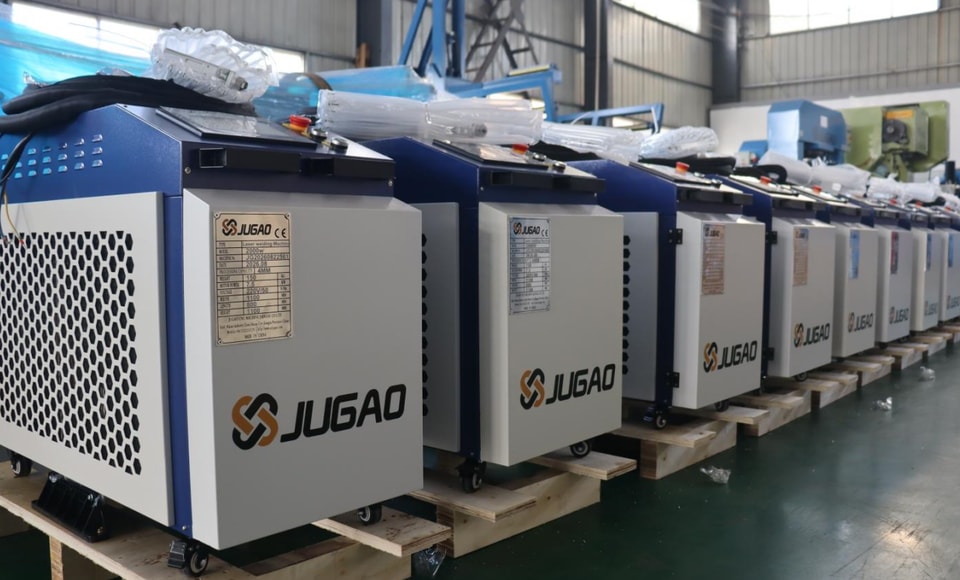
Design and Manufacturing Quality: High-quality design and manufacturing ensure the machine's inherent safety and stability. Manufacturers typically adhere to international standards (such as ISO standards) and local regulations to ensure product safety.
Operational Training: Proper use of a laser welding machine requires professional training. Operators lacking adequate training may cause accidents through incorrect operation.
Protective Measures: The laser welding process generates intense optical radiation that can harm the eyes and skin; additionally, there are risks associated with high temperatures and sparks. Therefore, appropriate protective measures must be implemented, such as wearing personal protective equipment (PPE) and installing protective shields or enclosures to limit exposure to the laser beam.
Maintenance: Regular maintenance and inspection are crucial for maintaining the reliability of laser welding machines. This includes cleaning optical components, replacing worn parts, and calibrating the system.
Work Environment: Adequate ventilation reduces the accumulation of harmful gases, while a stable power supply is essential for the equipment's proper operation.
Safety Control Systems: Modern laser welding machines are typically equipped with various safety control features—such as emergency stop buttons and sensor monitoring—that enhance operational safety.
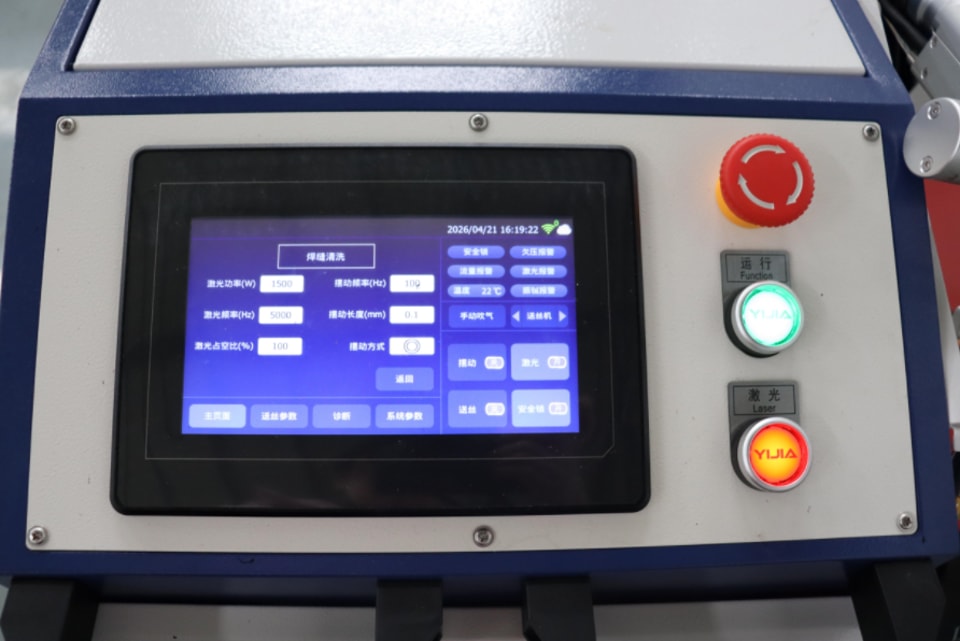
The safety and reliability of laser welding machines are determined by the factors mentioned above; to ensure the safety of laser products, relevant safety standards and certification protocols have been established worldwide.
Global Regulatory Requirements for Laser Welding Machines
China: All laser products must mandatorily comply with the laser radiation safety requirements of GB 7247.1, covering laser classification, labeling, warning signs, and usage instructions. Testing must be conducted by accredited testing agencies.
International: All laser products must mandatorily comply with the laser radiation safety requirements of IEC 60825-1, covering laser classification, labeling, warning signs, and usage instructions. Testing must be conducted by testing agencies that are accredited in China and recognized through international mutual recognition agreements.
United States: All laser products must mandatorily comply with the laser radiation safety requirements of 21 CFR 1040.10, covering laser classification, labeling, warnings, and operating instructions. Testing must be conducted by testing agencies that are accredited in China and recognized under international mutual recognition agreements.
Safety Class Certification for Laser Welding Machines
The safety of laser welding machines is of paramount importance. As industrial-grade laser processing equipment, what safety tests and certifications do they require?
For the domestic market in China, laser welding machines require GB 7247.1 testing. This standard covers laser safety and classification, with the objective of evaluating the product's safety.
For export to the United States, FDA registration and certification are required. This process is also a form of laser safety class certification, focusing specifically on evaluating the safety of the machine.
For export to the European Union, CE certification is required. Compared to certifications in other regions, the safety testing required for laser welding machines in the EU is more comprehensive, encompassing—but not limited to—laser eye safety, electrical safety, and mechanical safety.
For export to other international regions, an IEC 60825-1 test report is required.
Ensuring the safety and reliability of laser welding machines involves different tasks depending on the perspective.
For manufacturers, safety must be a priority throughout the entire lifecycle—from R&D and production to sales. Based on actual testing data, laser welding machines often fall into the Class 4 (high-risk) laser category; therefore, safety considerations should be integrated right from the initial R&D stage.
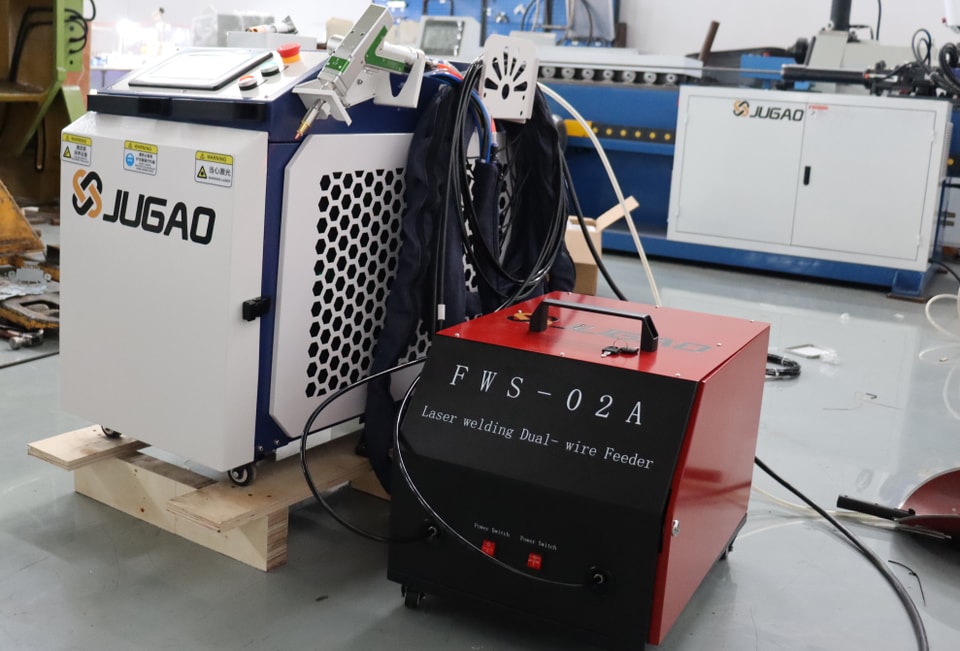
For enterprises using laser welding machines, the first step is to select products that have undergone rigorous testing and safety certification. Mitigating risks at the procurement stage is crucial, especially for high-risk laser products.
Secondly, strict adherence to operating guidelines is essential during use, and only trained professionals should operate the equipment.
In summary, ensuring the safety and reliability of laser welding machines requires attention to detail at every stage of the process.
Contact Us