

What inspections are performed on laser welding machines before they leave the factory?
2026-11-04

There is a crucial step between the completion of a laser welding machine's manufacture and its actual use on a customer's shop floor: pre-shipment inspection.
When purchasing laser welding machines, many enterprises focus on laser power, welding speed, equipment configuration, and price. However, a machine's ability to enter stable production also depends on its overall assembly, electrical system, laser system, motion mechanism, and actual welding performance.
So, what exactly is inspected before a laser welding machine officially leaves the factory?
Why is pre-shipment inspection necessary for laser welding machines?
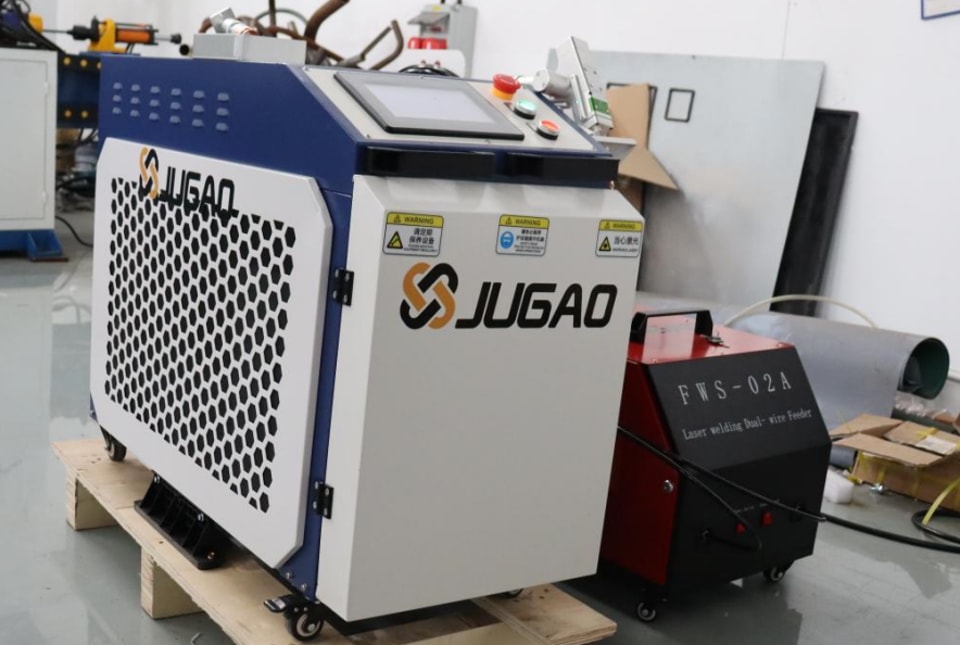
Laser welding equipment is not a single, standalone unit.
A complete laser welding machine typically comprises a laser system, welding head, control system, mechanical structure, electrical system, and cooling components. Depending on the specific model, it may also include wire feeders, motion platforms, vision systems, robots, or automation mechanisms.
Therefore, once assembly is complete, the machine must undergo a series of checks to ensure all components work together correctly.
The goal of pre-shipment inspection is not to guarantee that the machine will never encounter issues, but rather to identify any anomalies in assembly, control, operation, or welding performance before delivery.
For manufacturers, this is a critical stage in the transition of the equipment from the factory floor to the customer's production site.
Item 1: Inspecting the overall assembly
After assembly, the machine's mechanical structure must be inspected first.
This primarily covers the machine's exterior, frame, welding head, motion mechanisms, and relevant connecting parts.
Checks include confirming:
Proper installation of structural components;
Security of fasteners;
Normal operation of motion mechanisms;
Reliable installation of the welding head;
Absence of obvious assembly defects on the exterior;
Compliance of safety and protective structures with design specifications.
For platform-style laser welding equipment, the coordination between the platform, motion mechanism, and welding head is also a key focus.
In the case of robotic laser welding workstations, a comprehensive inspection of the robot, welding system, and peripheral mechanisms is required.
Item 2: Inspecting the electrical system
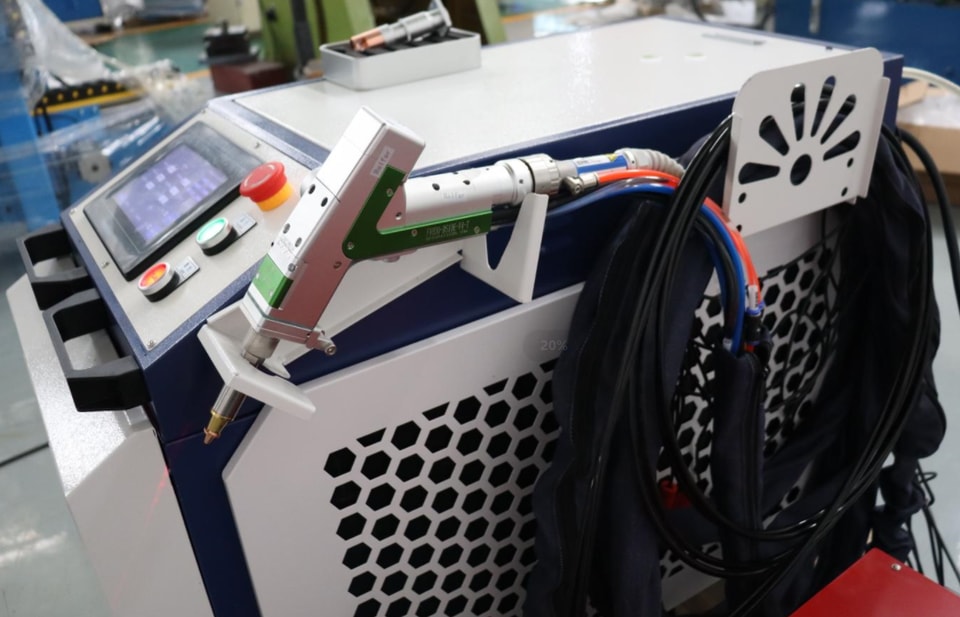
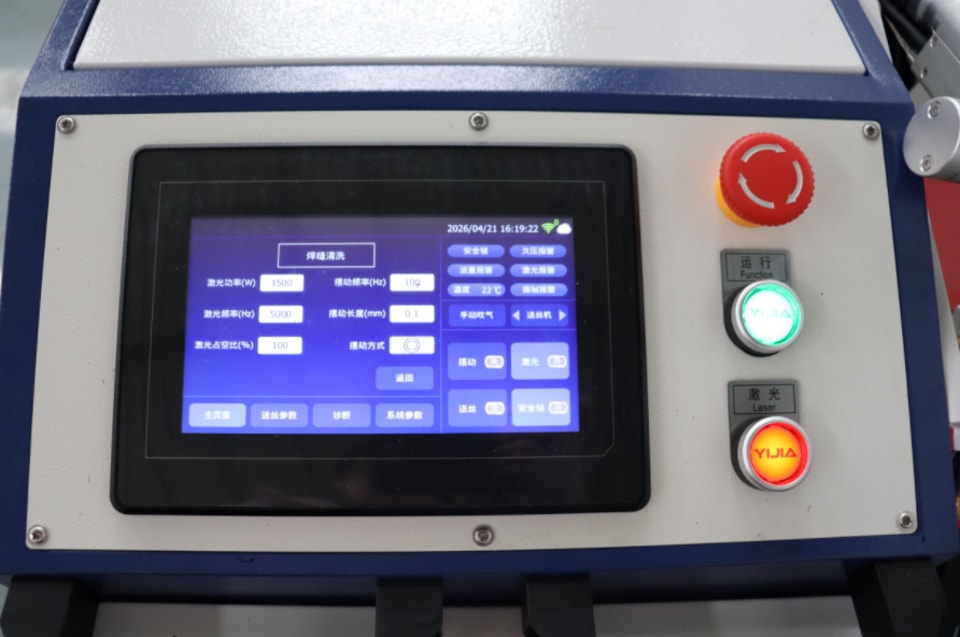
Laser welding machines are mechatronic systems; therefore, the electrical system is a vital part of the pre-shipment inspection. Once the equipment is powered on, the control system, electrical wiring, and user interface must be inspected.
For example:
Can the equipment start up normally?
Does the user interface operate correctly?
Are control commands executed accurately?
Do the movements of various mechanisms align with the settings?
Additionally, the equipment's safety functions must be checked.
For manufacturing enterprises, equipment safety concerns not only the operators but also the subsequent production process.
Therefore, simply powering on the machine and seeing it light up does not mean testing is complete; the various control functions require further verification.
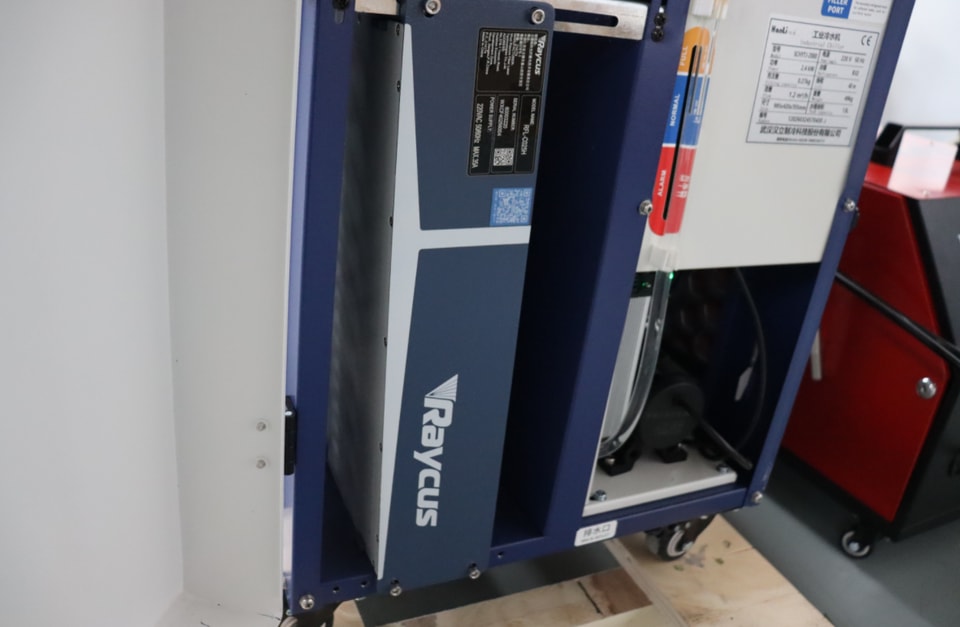
Item 3: Inspecting the Laser System
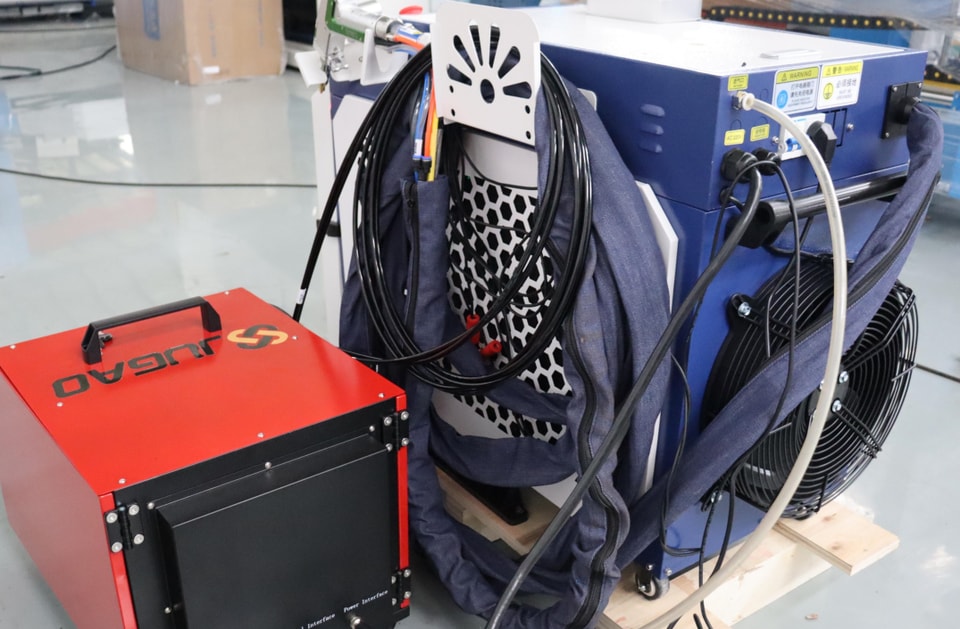
The laser system is a core component of laser welding equipment.
Before the equipment leaves the factory, laser-related functions must be inspected to confirm that the system operates normally according to the equipment's settings.
Testing typically focuses on:
Laser output status;
Laser control functions;
Laser operating parameters;
Integration between the laser and the welding head;
Status of the optical path and related components.
Specific test items vary depending on the type and configuration of the laser welding equipment.
Testing priorities differ for laser welders with varying power levels and structural designs.
Therefore, when understanding laser welder testing, it is important to note that a single standard cannot be applied to all laser equipment.
Item 4: Inspecting the Welding Head and Motion Mechanisms
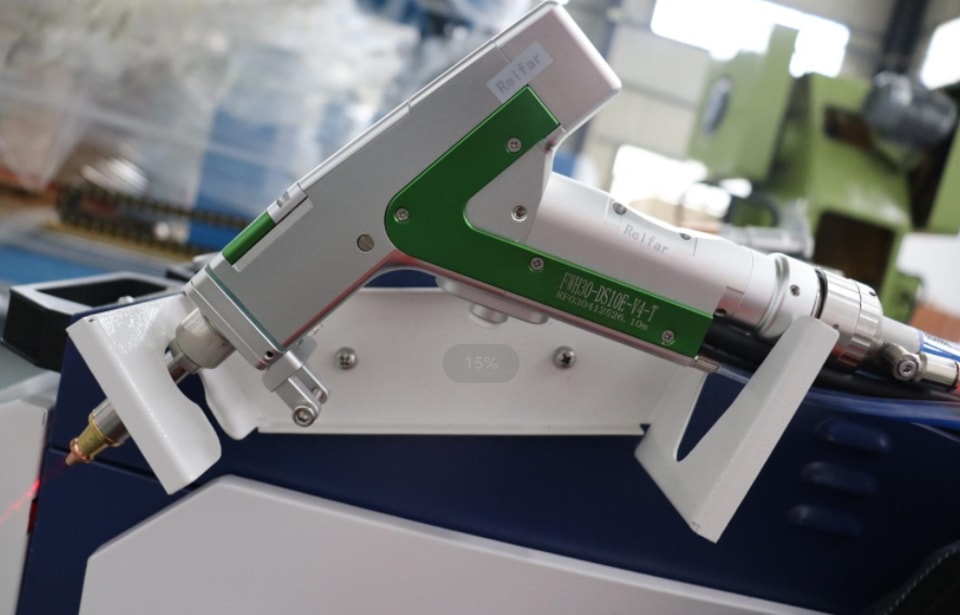
The point where laser welding is applied to the workpiece is closely linked to the welding head and the motion mechanisms.
If the welding head is positioned incorrectly or the motion is unstable, the final welding quality may be compromised, even if the laser system itself is functioning properly.
Consequently, before shipment, the installation status of the welding head and the operation of the motion mechanisms must be inspected.
For platform-style equipment, the smoothness of the motion process is a key focus.
For galvanometer-based laser welding equipment, the focus shifts to the operating status of the galvanometer system and the scanning performance.
For robotic laser welding workstations, testing must also account for the robot's motion trajectory.
In other words, testing laser welding equipment involves more than just the laser source; it requires verifying the coordinated operation of the laser system, welding head, motion mechanisms, and control system.
Item 5: Inspecting the Wire Feeding System
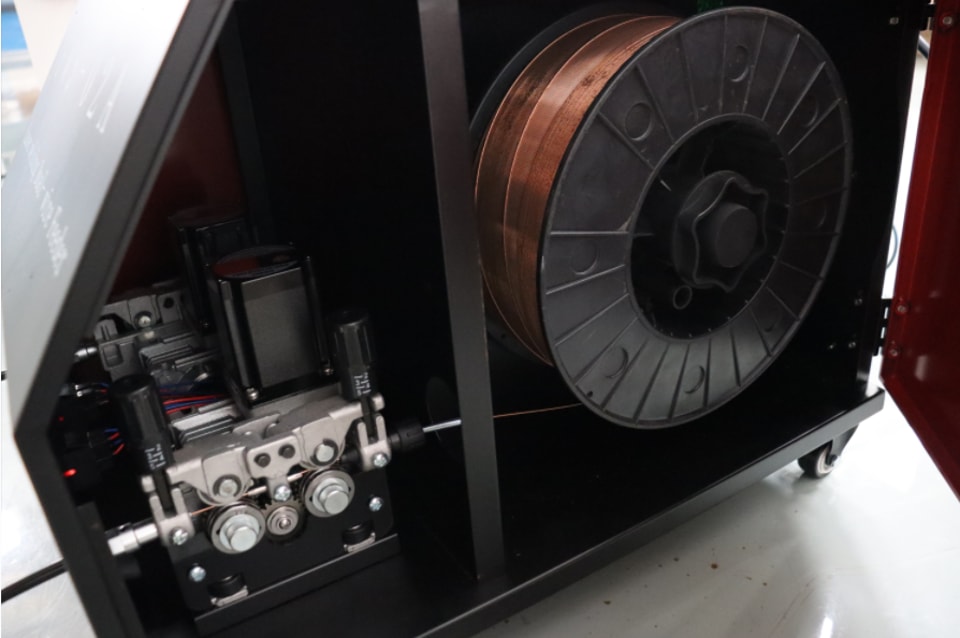
Not all laser welders are equipped with a wire feeding system. For equipment equipped with an automatic wire-feeding function, the wire-feeding system also requires inspection.
For instance, with handheld automatic wire-feeding laser welding machines, it is essential to verify—prior to shipment—that the wire-feeding mechanism operates correctly, the wire-feeding process is smooth, and the wire feed is properly synchronized with the welding action.
Unstable wire-feeding speeds can adversely affect the welding process.
Therefore, for laser welders with wire-feeding capabilities, the wire-feeding unit must be included in the comprehensive system testing, alongside the laser system itself.
Item 6: Inspection of cooling and related auxiliary systems
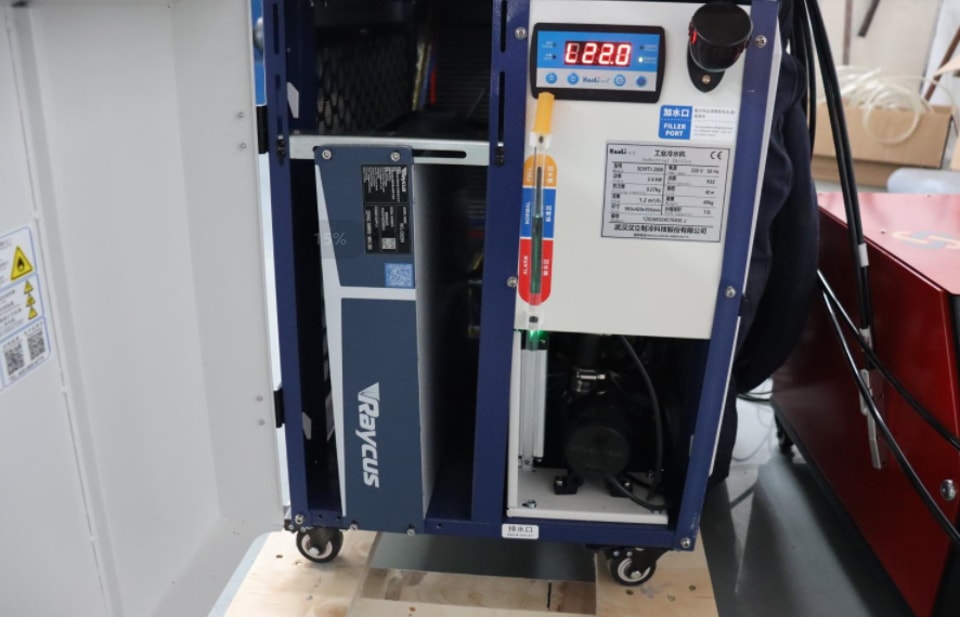
Different laser welding machines have varying structures, leading to distinct requirements for cooling methods and auxiliary systems.
For example, air-cooled laser welding machines rely on air cooling for heat dissipation, whereas other equipment may utilize specific cooling systems tailored to their configurations.
Before the equipment leaves the factory, its auxiliary systems must be checked to ensure proper operation.
For units equipped with cooling systems, it is also necessary to monitor the system's operating status, connections, and alarm functions.
Although this aspect does not involve the welding action itself, it impacts the reliability of continuous operation and is thus a crucial part of the overall system inspection.
Item 7: Inspection of welding parameters and control functions
Once the equipment starts up correctly, the welding parameter settings and control functions must be verified.
While control methods vary across different laser welding machines, the core requirement is to confirm the following:
Whether the set parameters are executed correctly.
For example, does the equipment operate according to the settings after parameters are adjusted? Do start and stop commands function properly? Is there correct coordination between different functions?
In actual production, the stability of parameter control is vital.
This is because, after purchasing the equipment, customers need to adjust parameters based on the specific products, materials, and thicknesses involved.
If the equipment's control functions are inadequate, subsequent production setup and tuning will be compromised.
Item 8: The most critical step—actual workpiece welding test
For laser welding equipment, inspecting the mechanical, electrical, and laser systems alone is insufficient.
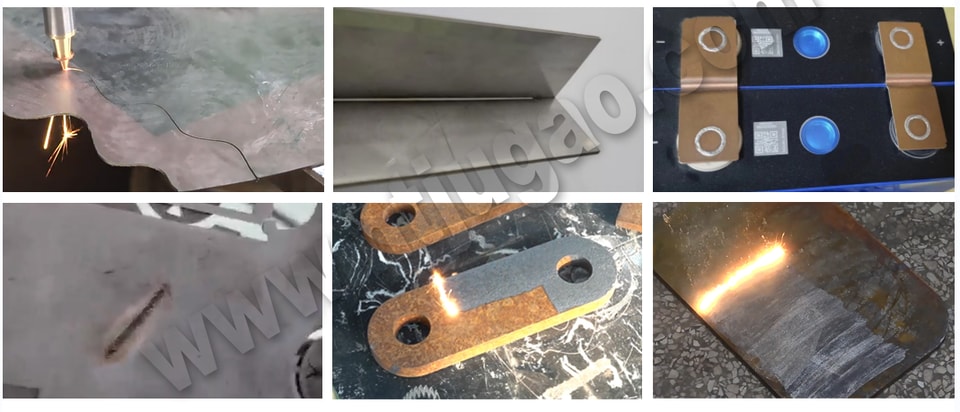
Actual workpiece welding tests serve as a highly valuable verification step prior to shipment.
If the customer has provided samples, the manufacturer can conduct test welds using the customer's specific products. Key areas for inspection include:
Weld bead formation;
Weld appearance;
Weld positioning;
Material fusion quality;
Presence of defects such as significant burn-through or undercut;
Whether welding efficiency meets expectations.
Naturally, specific inspection criteria must be determined based on the customer's product and technical requirements.
For instance, welding performance varies across materials like stainless steel, carbon steel, and aluminum; similarly, thin and thick plates require different process parameters.
Ultimately, the inspection of laser welding machines must be validated against the actual product.
Inspection priorities vary depending on the type of laser welding machine.
There is a wide variety of laser welding equipment on the market, and inspection protocols differ accordingly.
Examples include:
Handheld laser welding machines with automatic wire feeding
Focus areas: laser system, welding head, wire feeding system, control system, and actual handheld welding performance.
Air-cooled laser welding machines
Focus areas: laser and control systems, as well as the air-cooling system and the machine's overall operating status.
Platform-based "mark-free" laser welding machines
Focus areas: platform structure, welding head movement, and actual welding results on the workpiece.
Galvanometer-based laser welding machines
Focus areas: calibration and testing of the galvanometer scanning system alongside actual welding performance.
Robotic laser welding workstations
Focus areas: comprehensive inspection covering the laser system, robot motion, welding trajectory, tooling integration, and overall automated operation.
Contact Us