
The Role of Punching Machines in the Appliance Industry: A Complete Guide
2026-11-03

In appliance manufacturing, accuracy and production efficiency are the two cornerstones that ultimately determine product quality. Punching machines serve a central function in this sector by cutting, piercing, and shaping sheet metal into the various parts required for refrigerators, washing machines, ovens, and other everyday household devices. If you are looking to understand how this equipment helps streamline operations, cut manufacturing costs, and deliver consistent output, you have come to the right place. Throughout this guide, I will explain what these machines do, the advantages they bring, and the maintenance habits that keep them running, making it clear why they are an essential asset in appliance production.
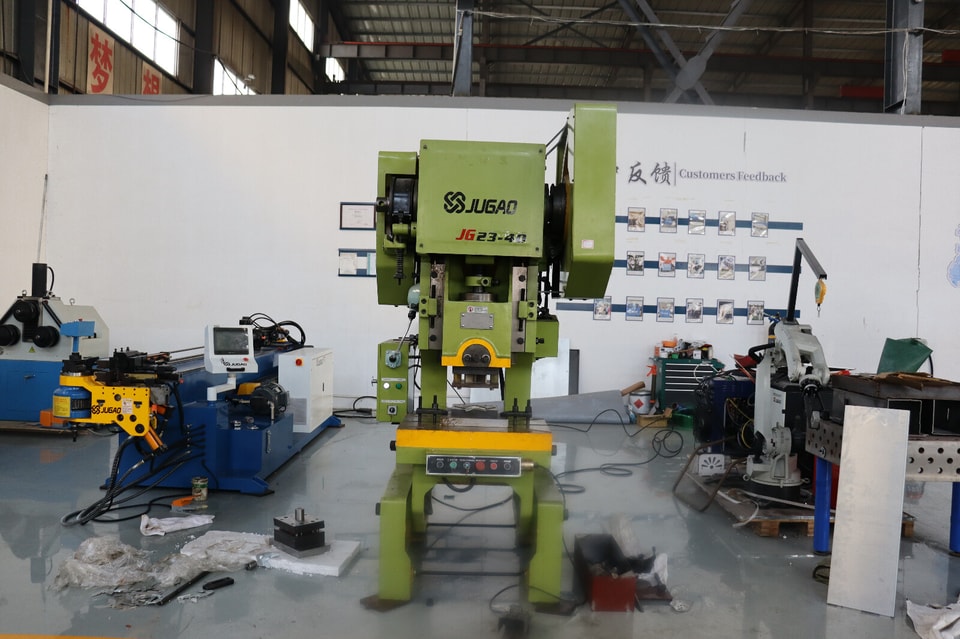
How Punching Machines Support Appliance Manufacturing
Precision in Sheet Metal Processing
Through punching machines, manufacturers can produce perforations, grooves, and shapes in sheet metal with exceptional accuracy. In the production of home appliances, such precise cuts are necessary so that individual parts align correctly when they are assembled. Sustaining this level of quality across large batch runs reduces material waste and supports dependable, long-lasting appliance performance.
High-Speed Production for Large Volumes
The appliance industry operates on an enormous production scale. A single punching machine is capable of working large metal sheets at rapid speeds, turning out multiple components within minutes. This speed not only shortens production cycles but also lowers the cost of each unit, making finished appliances more affordable while keeping quality intact.
Flexibility for Different Appliance Components
Household appliances such as refrigerators, microwaves, and air conditioners call for components that differ widely in size and design. Punching machines offer the flexibility to meet these varied needs, producing everything from small ventilation openings to large outer panels while maintaining uniformity and structural strength throughout.
Common Applications of Punching Machines in the Appliance Industry
Refrigerator and Freezer Panels
Punching machines create the accurate perforations and openings that refrigerator panels require, forming air circulation slots and reinforcing sections that add structural integrity. The result is durable panels with efficient airflow and a consistent finish across every unit manufactured.
Washing Machine Drum and Panels
The stainless steel drums found in washing machines typically feature evenly spaced holes made by punching machines. These openings must be smooth and uniform so that washing functions properly and the drum remains durable over years of use.
Microwave and Oven Housings
Metal cabinets for ovens and microwaves need cutouts for buttons, vents, and electrical connections. Punching machines carry out these tasks with precision and repeatability, making certain that every unit conforms to safety and design specifications.
Maintenance and Best Practices for Punching Machines
Routine Inspections
Scheduled inspections help catch wear on punches and dies at an early stage. Replacing or sharpening these parts on time reduces defects, keeps operations running efficiently, and preserves the accuracy required for appliance components.
Proper Lubrication and Cleaning
Keeping the machine clean and adequately lubricated significantly cuts down friction, prolongs the service life of tooling, and supports smoother operation, thereby lowering the risk of expensive downtime caused by sudden mechanical breakdowns.
Operator Training
Well-trained operators are able to adjust punching force with precision, keep tooling correctly aligned, and resolve operational issues promptly. This ensures uninterrupted production, stable part accuracy, and minimal downtime throughout the manufacturing process.
FAQ
Why is the role of punching machines in appliance production so significant?
They provide accurate, repeatable results in high-volume manufacturing, helping appliances meet strict quality requirements while lowering overall costs.
What kinds of sheet metal are typically processed for appliances?
Stainless steel, galvanized steel, and aluminum are most commonly used because they offer durability, resistance to corrosion, and are well suited to everyday household use.
How can I prolong the working life of a punching machine?
Carry out routine inspections, keep the tools sharp, lubricate the equipment regularly, and ensure operators follow proper handling and safety procedures.
Conclusion
Punching machines are vital for turning sheet metal into precise, reliable, and economical components for home appliances. From refrigerator panels to washing machine drums, this equipment helps guarantee that every product is manufactured with consistency and efficiency. By combining proper upkeep with operator training, manufacturers can get the most out of their machines and keep downtime to a minimum.
If you would like further advice on selecting the right punching machine for your appliance production line, do not hesitate to contact the JUGAO team for professional guidance and customized solutions.
Contact Us