
How can you ensure that a pipe-bending machine retains its value over time?
2026-11-04

Purchasing a pipe-bending machine is merely the beginning. What truly determines whether it remains valuable—and continues to operate reliably—years down the line is how it is used and maintained. I have seen many factories where equipment purchased in the same batch ends up with vastly different outcomes: some machines remain precise even after seven or eight years, staying highly sought-after on the secondary market, while others become plagued by constant issues within just three to five years—to the point where they aren't even worth the trouble of dismantling for scrap. This disparity isn't a matter of luck; it’s a matter of management.
I. Maintenance is not an afterthought—it must be scheduled
The first step in preserving value is shifting your maintenance approach from "repairing after a breakdown" to "inspecting on a set schedule." Regularly check the hydraulic system, lubrication points, and moving parts; replace filter elements according to the schedule, and use only the specified lubricants. Never underestimate these routine tasks—they directly dictate the rate of internal wear. Furthermore, keep detailed maintenance records—document exactly what was replaced or adjusted and when. Should you ever decide to sell the machine, these records will serve as a solid foundation for its valuation.
II. Don’t wait for trouble to arise before addressing hydraulic and electrical systems
Hydraulic fluid is the lifeblood of a pipe-bending machine. Use the manufacturer-specified oil, change it on schedule, and regularly inspect for leaks, loose fittings, or pressure fluctuations. Contaminated oil or consistently high operating temperatures will accelerate the aging of pumps, valves, and seals. On the electrical side, ensure all connections are secure and free of corrosion, and maintain a stable voltage supply to prevent erratic behavior in the control unit. Many "mysterious" technical issues can ultimately be traced back to unstable power or oxidized electrical contacts.
III. Calibration must be treated as a routine task
Bending precision is not something you set once and forget. Over time, axis zero points, bending angles, and spring-back compensation can all experience minor drift. Use the control software to perform regular verifications and make adjustments whenever deviations are detected. A properly calibrated machine delivers consistent results and reduces unnecessary stress on the dies and mandrels. Maintaining high precision also ensures the machine retains a higher value in the secondary market.
IV. Operator technique directly influences the machine’s rate of wear
The lifespan of the same piece of equipment can vary significantly depending on whether it is operated by a skilled professional or an inexperienced user who forces the machine. Training should go beyond simply teaching operators which buttons to press; it must ensure they understand the meaning of parameters, proper die matching, and how to identify abnormal conditions. Bending pipes beyond the machine’s specifications, applying excessive loads, or ignoring unusual noises causes cumulative damage to the bending arm and hydraulic system. Adhering to proper operating procedures minimizes unplanned downtime and lowers maintenance costs.
V. Don’t Use Improper Substitutes for Parts; Keep Software Updated
While original-equipment molds, mandrels, and clamps may seem expensive, they offer precise dimensional fit and reliable material quality, ensuring stability even under heavy loads. Generic alternatives might be cheaper, but any deviation in precision can lead to scrap and downtime—costs that far outweigh the initial savings. The same applies to CNC systems: manufacturer updates often include critical improvements to precision and safety features. Install these updates promptly; do not leave your machine running on an outdated version.
VI. Break These Value-Diminishing Habits
Neglecting preventive maintenance—such as letting a minor oil leak escalate into a major failure—is costly. Consistently operating the machine beyond its rated bending capacity accelerates the wear of bending arms and hydraulic systems. Furthermore, failing to control workshop dust, humidity, and temperature puts sensors and circuit boards at risk. While these issues may seem minor in isolation, their cumulative effect can cause irreversible degradation to the machine’s condition.
VII. Two Additional Ways to Preserve Machine Value
Ensure that molds are installed correctly and clamping pressures are properly calibrated to minimize unnecessary mechanical stress. Monitor energy consumption; an unusual spike is often a sign of declining efficiency. Finally, maintain thorough records of service, calibration, and parts replacement. Should you decide to resell or trade in the machine, these documents carry far more weight than a verbal assurance that the equipment has been "well-maintained."
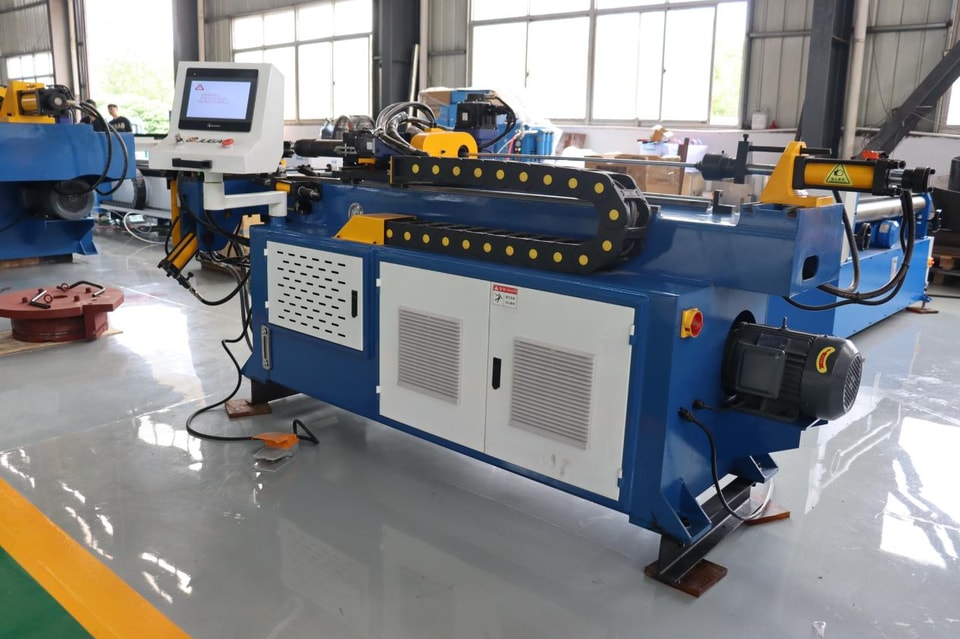
Ultimately, the value of a pipe-bending machine isn’t defined by its brand, but is built up through daily use and consistent maintenance. By staying on top of routine inspections, thorough cleaning, precise calibration, staff training, the use of original manufacturer parts, and regular software updates, you ensure a longer machine lifespan, stable precision, and better resale value. When you run the numbers, this approach is far more cost-effective than replacing your equipment prematurely.
Contact Us