


Shearing Resistance, Usage, and Operating Procedures for Hydraulic Shearing Machines
2026-11-03

The hydraulic shearing machine is a piece of heavy-duty equipment widely used in industries such as construction, scrap metal recycling, and mechanical processing. Powered by an efficient hydraulic system, it enables the precise and efficient cutting of various metal plates, pipes, and profiles, significantly boosting operational productivity.
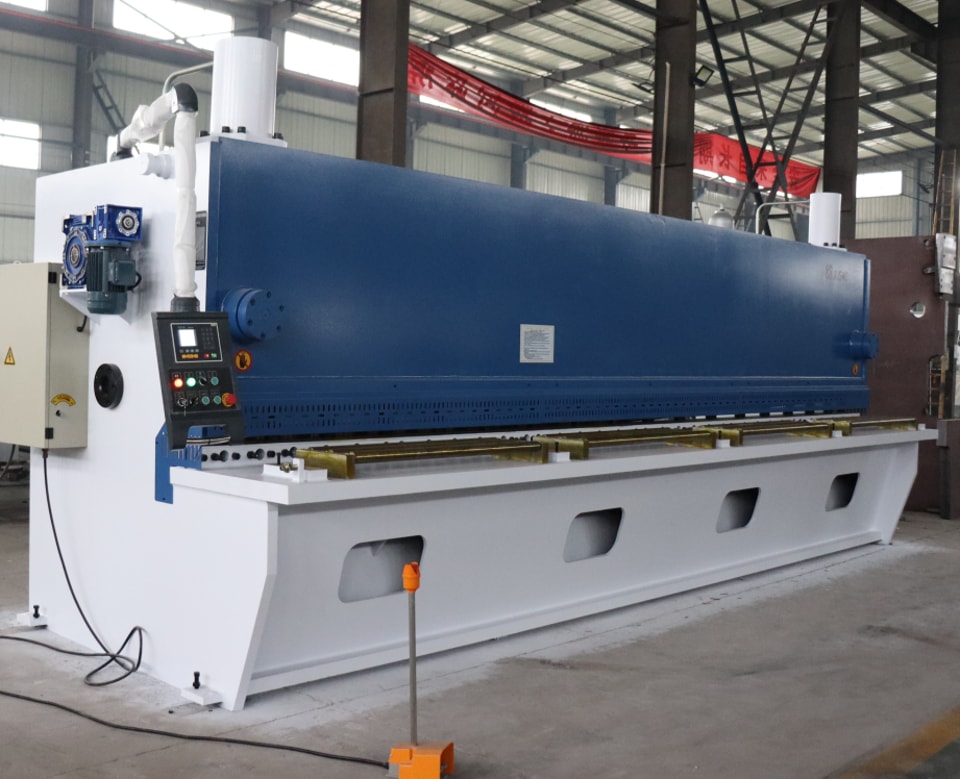
I. Shearing Resistance of Hydraulic Shearing Machines
The shearing resistance of a hydraulic shearing machine primarily refers to the maximum thickness of metal material the equipment can stably cut under rated operating conditions; it is a key indicator of the machine's cutting capacity. This resistance is directly related to the specific model of the machine; differences in hydraulic system power, blade structure, and frame strength mean that shearing resistance varies across different models.
II. Usage of Hydraulic Shearing Machines
Proper use of the hydraulic shearing machine ensures cutting quality and extends the equipment's service life. The process involves two main aspects: pre-operation preparation and operational techniques, detailed below:
(A) Pre-operation Preparation
l Conduct a comprehensive inspection of the equipment's components, focusing on critical areas such as the shear blades, hydraulic lines, and connecting bolts. Ensure there is no damage, looseness, or leakage; if any abnormalities are found, repair or replace the parts immediately—operating the machine with existing faults is strictly prohibited.
l Check the hydraulic oil level and fill the tank with compliant hydraulic oil as specified in the equipment manual to ensure the level meets standards. Simultaneously, verify that oil lines and valves are unobstructed, eliminating potential issues like blockages or leaks.
l Prepare the metal materials to be cut by removing surface oil, rust, and debris. Confirm that the material specifications fall within the machine's shearing resistance limits. Place the material securely in the designated cutting position and ensure it is properly aligned and fixed to prevent shifting during the cutting process.
(B) Operational Techniques
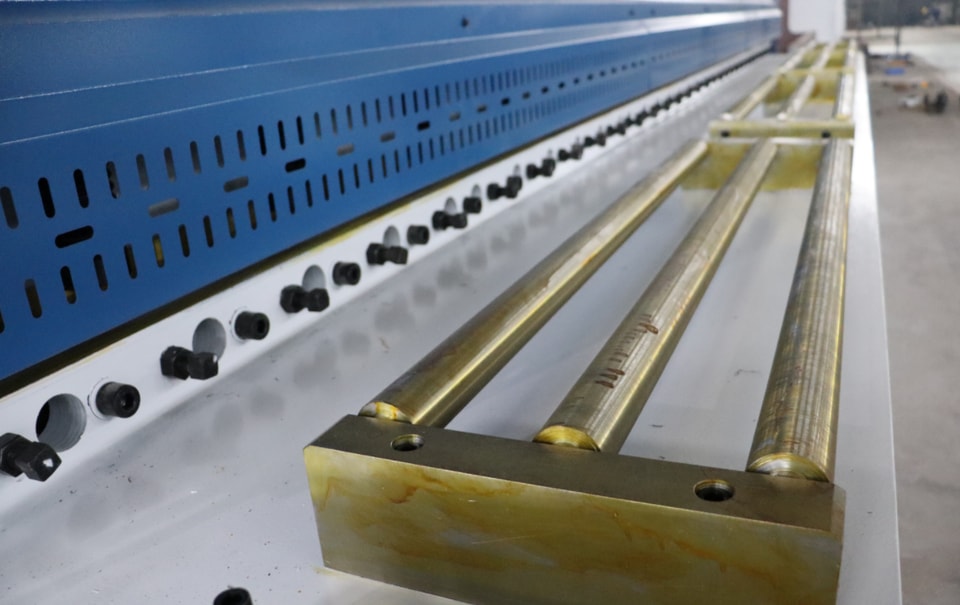
l Precisely adjust the blade clearance based on the thickness and material type of the workpiece. Excessive clearance can lead to burrs on the cut surface, while insufficient clearance increases the load on the equipment, negatively affecting cutting performance and the machine's lifespan.
l Select an appropriate shearing speed based on material characteristics; avoid speeds that are too high—which can cause material deformation or shearing misalignment—or too slow—which can reduce operational efficiency—to ensure the shearing process remains smooth and steady.
l Maintain steady hands during operation; strictly avoid placing hands near the shear blades or the cutting zone to prevent shearing deviations caused by hand tremors and to avoid safety accidents.
l Monitor the hydraulic oil temperature in real-time during shearing. If the temperature exceeds the equipment's specified range (typically 35°C–60°C), stop the machine immediately to allow it to cool down. Resume operation only after the oil temperature returns to normal to prevent damage to the hydraulic system caused by overheating.
III. Operating Procedures for Hydraulic Shearing Machines
To ensure the personal safety of operators and the proper functioning of the equipment, operators must strictly adhere to the following procedures and avoid any violations:
l Operators must undergo professional training before use, mastering the equipment's structure, working principles, operating methods, and safety precautions; independent operation is permitted only after passing the required assessment.
l Operators must wear required personal protective equipment (PPE)—such as hard hats, cut-resistant gloves, and safety shoes—during operation. Wearing loose clothing or jewelry is strictly prohibited to prevent entanglement with the equipment.
l Operate strictly within the equipment's rated shearing capacity; overloading or shearing materials that exceed the specified thickness limits is strictly prohibited to avoid blade wear, hydraulic system failure, or structural damage caused by excessive load.
l Maintain full concentration during operation; leaving the workstation without authorization is strictly prohibited. Performing maintenance, cleaning, or adjustments while the equipment is running is forbidden; if such actions are necessary, the machine must be stopped and the power supply disconnected first.
l In the event of emergencies such as equipment failure, abnormal noises, or hydraulic leaks, immediately press the emergency stop button, cut off the power, and halt operations. Promptly report the issue to the relevant management or maintenance personnel; unauthorized disassembly or repair of the equipment is strictly prohibited.
l After completing operations, turn off the power, clear debris and scrap material from the equipment surface and cutting area, and inspect the condition of all components.Perform necessary cleaning and maintenance, and complete the equipment operation log.
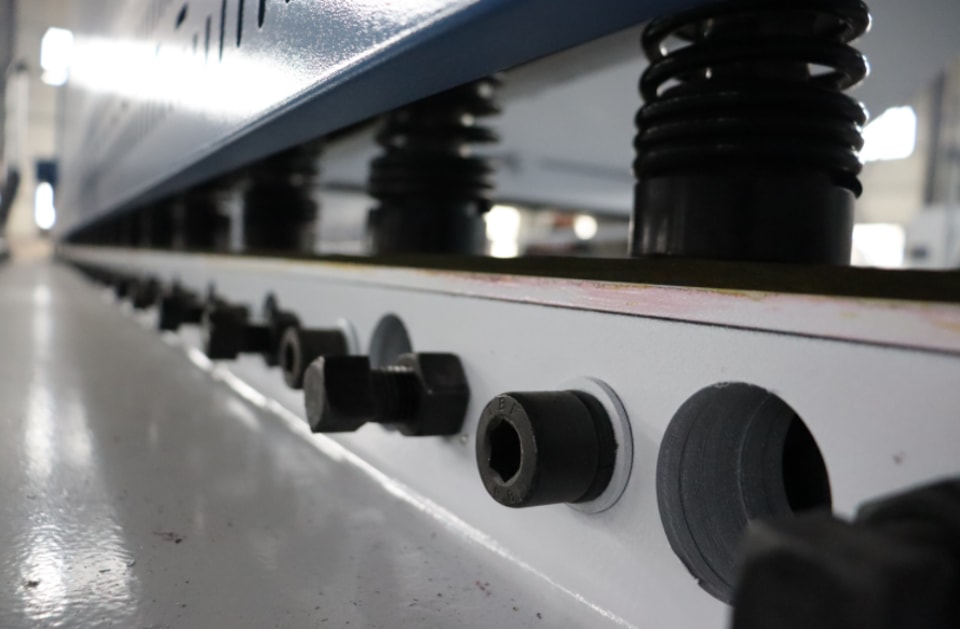
The shearing resistance of a hydraulic shearing machine determines its scope of application; proper usage is fundamental to ensuring shearing quality and equipment longevity, while strict adherence to operating procedures is key to preventing accidents and achieving efficient operation.
Contact Us