
Profile Bending Machine: A High-Efficiency Solution for Metal Processing
2026-09-17

A profile bending machine is a widely used piece of machinery in the metal processing industry, primarily used for bending metal profiles. Through the bending process, profiles can be bent into the desired shape according to design requirements, and it is widely used in construction, decoration, shipbuilding, and machinery manufacturing.
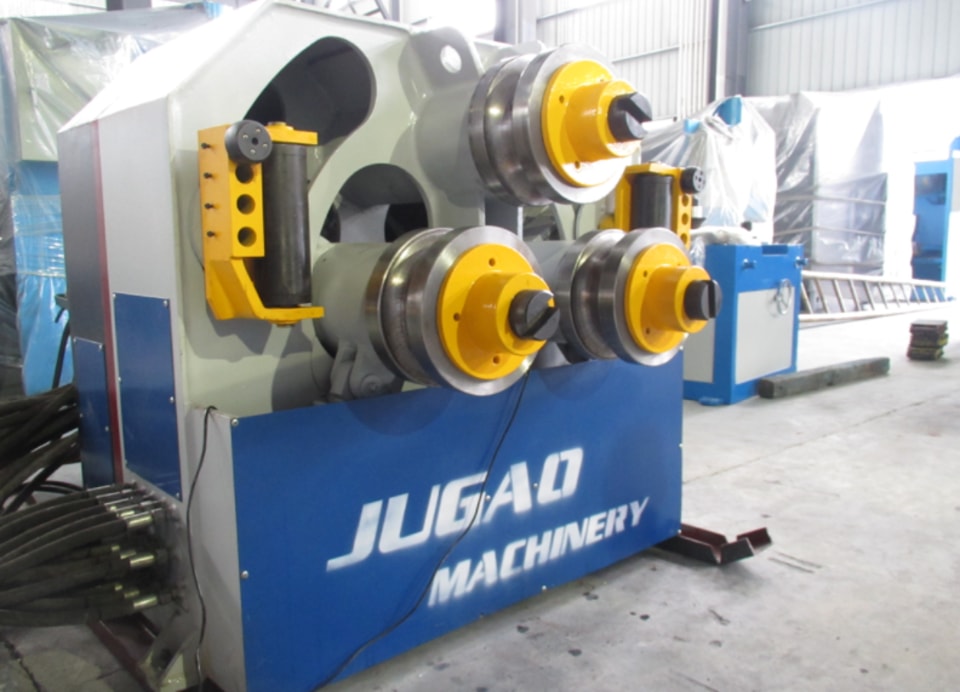
Working Principle of a Profile Bending Machine:
1. Main Unit: The main unit is the core component, usually made of high-strength steel, capable of withstanding the enormous pressure generated during processing. The structural design of the main unit must ensure uniform stress on the profile during bending to prevent deformation.
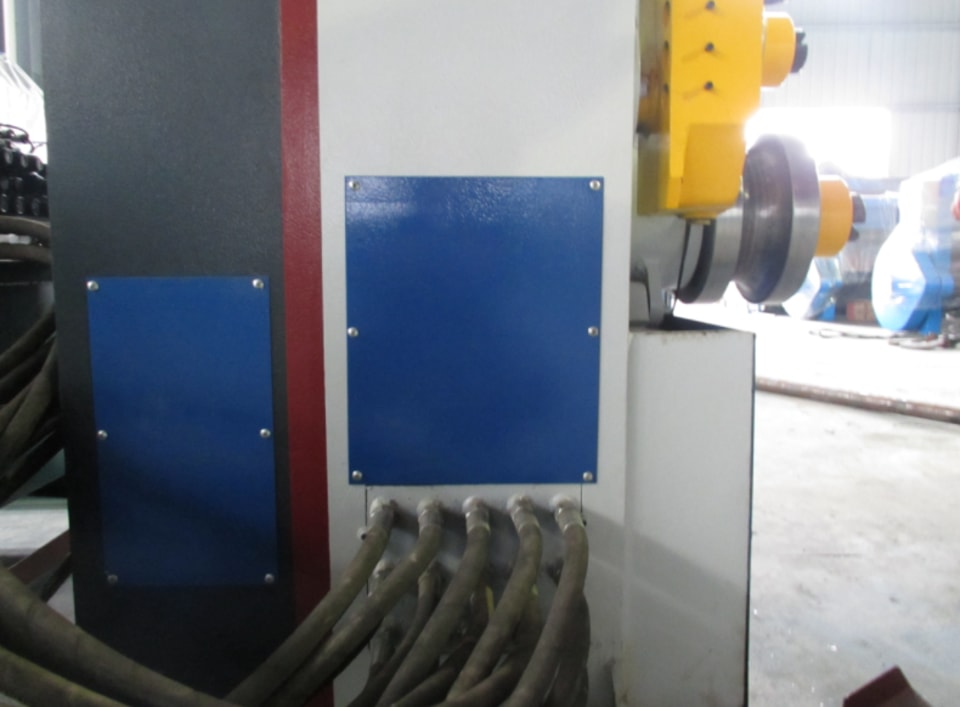
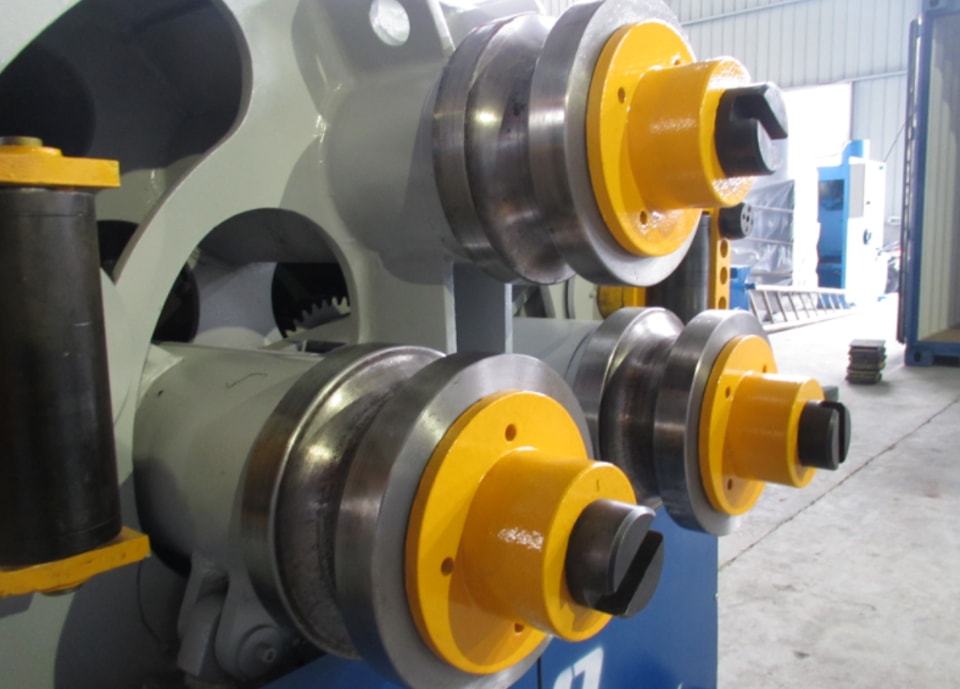
2. Die: The die provides a precise bending trajectory and is usually made of alloy steel, capable of withstanding high temperatures and possessing high wear resistance. The shape and size of the die will vary depending on the type of profile and bending requirements.
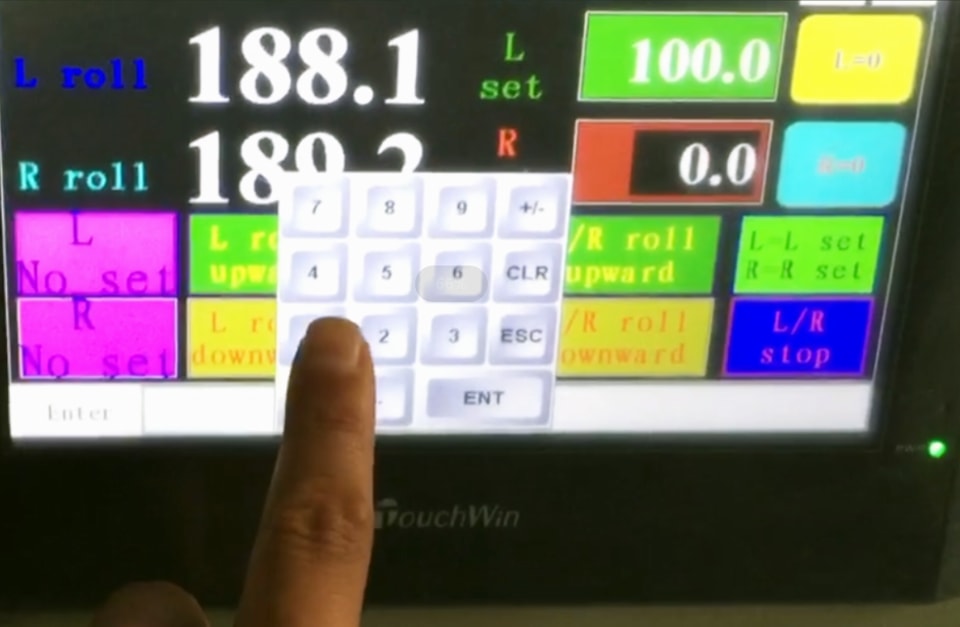
3. Control System: Typically equipped with a Computer Numerical Control (CNC) system, enabling precise control of the equipment. By setting parameters, the operator can control the bending angle, bending radius, bending speed, etc., ensuring processing accuracy.
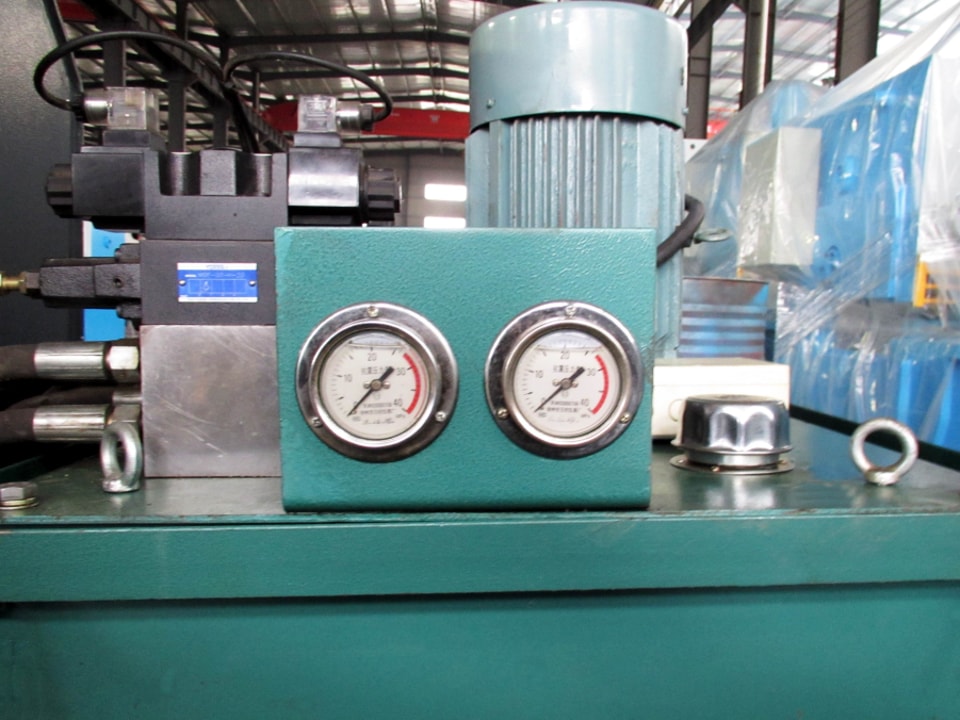
4. Hydraulic System: The hydraulic system provides power to the bending machine and can adjust the working force and speed of the equipment through oil pressure. The stability of the hydraulic system directly affects the bending quality and efficiency of the profiles.
Main Functions:
1. Single-Axis Bending: The profile is bent along a single axis in the horizontal or vertical direction. This method is typically used to manufacture simple bent parts.
2. Multi-Axis Bending: The profile is bent in multiple directions, enabling the processing of complex three-dimensional shapes. This process is commonly used for products requiring precision bending, such as automobile bodies and building steel structures.
3. Continuous Bending: For profiles produced in large quantities, continuous bending can be achieved, improving production efficiency.
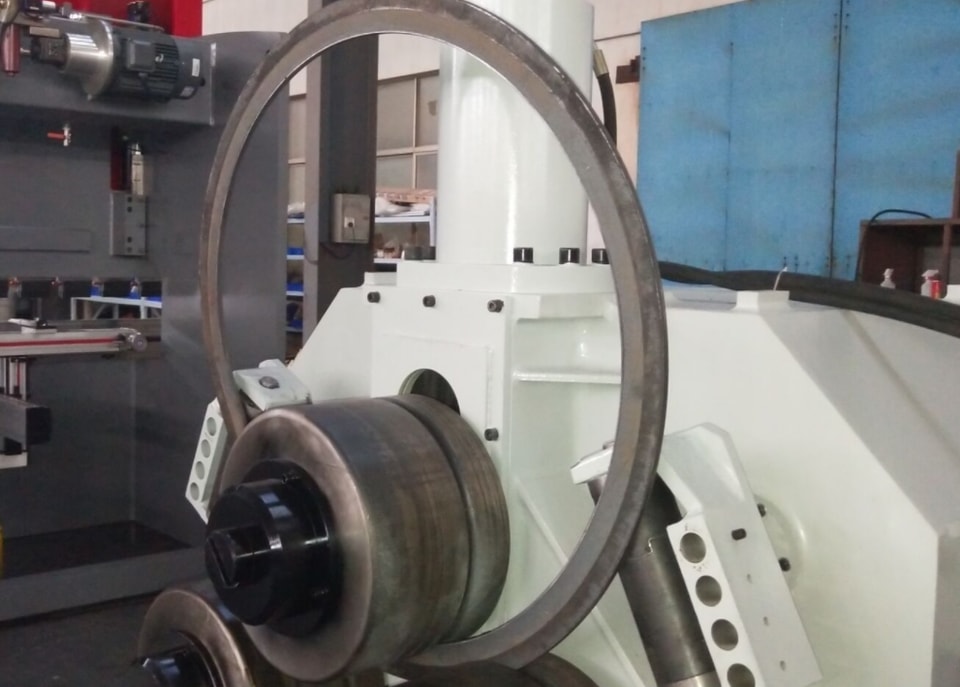
4. Deformation Control: By controlling parameters such as the bending angle and radius, the degree of deformation of the profile can be precisely controlled, ensuring the quality and precision of the final product.
5. Automated Processing: CNC technology is widely used, achieving automated operation. Operators only need to input the corresponding parameters, and the equipment can automatically complete the bending process, reducing the complexity of manual operation and improving production efficiency.
Applications of Profile Bending Machines:
1. Construction Industry: Capable of processing metal profiles of various shapes for reinforcement and decoration of building structures. For example, curved beams and railings in steel structures require bending machines.
2. Machinery Manufacturing: Commonly used in machinery manufacturing to process mechanical frames, supports, and frameworks. Precise bending improves the stability and service life of machinery.
3. Shipbuilding: Structural components of ships, such as hatches and deck frames, typically require bending machines. They can produce profiles with various bending angles and radii to meet the needs of shipbuilding.
4. Automotive Industry: Primarily used in automobile manufacturing for the production of body frames, chassis, and other structural components. High-precision bending ensures the structural strength and safety of automotive parts.
5. Decoration Industry: Commonly used in the decoration industry to produce metal decorative strips, railings, and balustrades. Due to the aesthetic requirements of bent parts, the application of bending machines in this industry is gradually increasing.
Contact Us