
How to properly resolve a malfunction in the tubular air conditioning cooling system?
2026-07-13

If the cooling system of a pipe bending machine malfunctions, it might initially just be a case of slightly high oil temperature, which you might not pay much attention to. But once the accuracy starts to drop, the seals leak oil, and the pump makes unusual noises, repairing it becomes much more complex than simply replacing a fan. I've seen many machines undergo major repairs prematurely, all because small problems with the cooling system escalated into major failures.
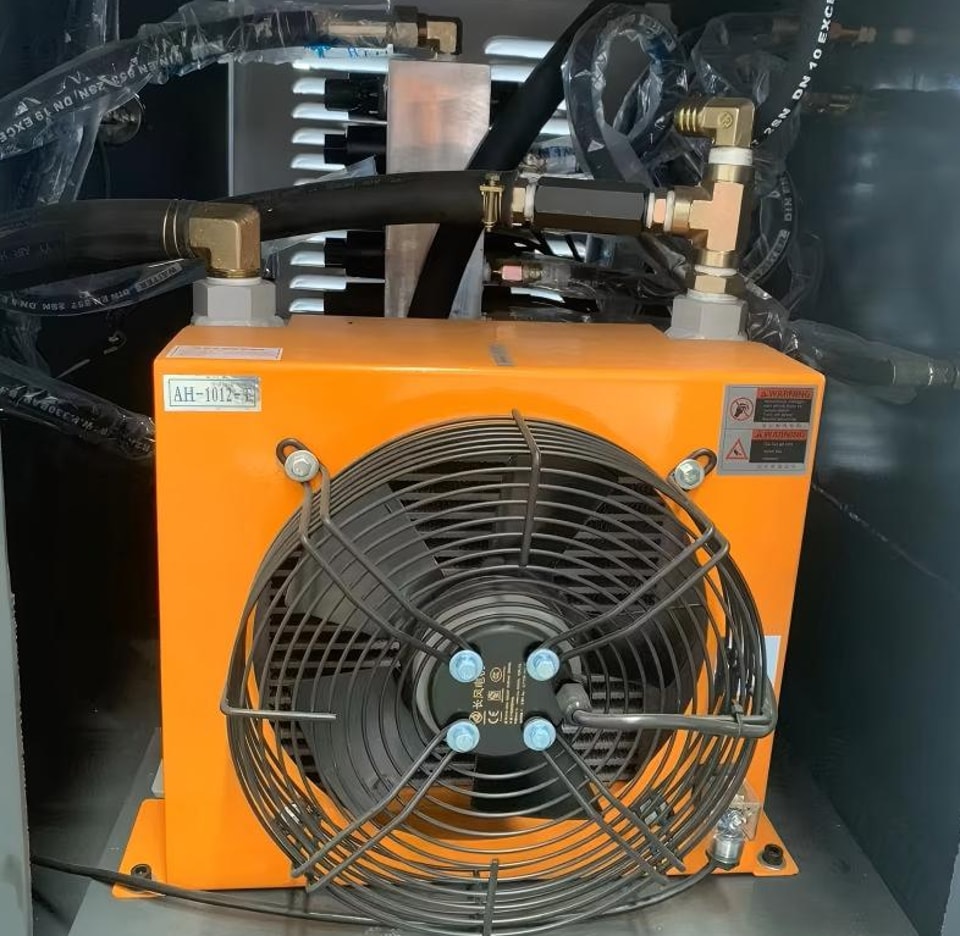
First, understand the function of the cooling system.
When a pipe bending machine is working, the hydraulic oil is repeatedly compressed and rubbed, generating a large amount of heat. The task of the cooling system is to remove this heat and keep the oil temperature stable within a suitable range. If the oil temperature is too high, the oil becomes thinner, the seals age faster, and the precision drifts. If the oil temperature is too low, the oil becomes too thick, the operation is sluggish, and energy consumption increases. Once this balance is broken, a series of problems will follow.
Common Cooling Failures
Insufficient coolant is the most common problem. Leaks, evaporation, or delayed top-up can all lead to insufficient coolant. When checking, it's essential to not only check the coolant level but also run the piping along the lines, looking for leaks at joints and cracks on hoses. Often, leaks are small and go unnoticed without close inspection.
Clogged filters are also a frequent issue. Metal shavings, dust, and sludge mixed in with the coolant can clog the filter, reducing flow and significantly reducing cooling efficiency. This is especially problematic for pipe bending machines operating near cutting and grinding processes, where the cooling system is more prone to drawing in contaminants. Cleaning or replacing the filter will noticeably lower the oil temperature.
Treating the cooling pump is more easily identifiable – either insufficient pressure, unstable flow, or complete shutdown. You can usually tell by the sound: a pump with worn bearings will emit a low-frequency noise, and a pump with a damaged impeller will vibrate intermittently. Regularly checking the pump's operating status and electrical connections can prevent sudden seizures.
Problems with the coolant itself are also easily overlooked. Coolants from different manufacturers and of different models should not be mixed. Different additive systems may cause chemical reactions, resulting in precipitates that can clog pipes. Over time, coolants will also age and deteriorate, losing their original thermal conductivity and corrosion resistance.
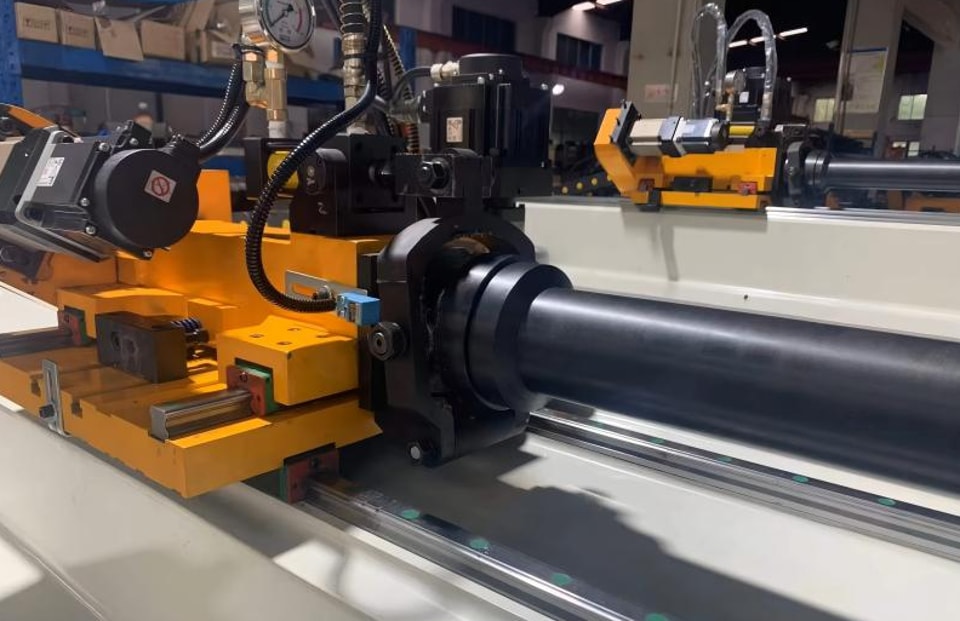
Troubleshooting and Resolution Steps
Before starting, stop the machine and do not operate it while it is hot.
Step 1: Check the fluid level and for leaks. Open the coolant tank cap and check if the fluid level is within the normal range. If it's low, add coolant and observe for a few days to see if it continues to drop. If it continues to drop, there is definitely a leak. Check along the pipes, paying close attention to joints, welds, and bends in the hoses.
Step 2: Check the filter. Remove it and check for dirt. Rinse it with a cleaning agent. If it is severely clogged or the filter element is damaged, replace it with a new one.
Step 3: Test the coolant pump. Start the machine and observe the coolant flow and pressure. If the pressure is significantly low or fluctuates, it may indicate internal pump wear or air intake. Check the oil suction line for looseness, tighten the joints, and test again.
Step 4: If everything above is normal but the oil temperature is still high, you may need to consider cleaning the cooling pipes. Over time, scale or sludge will accumulate on the inner walls of the cooling system, affecting heat exchange efficiency. Using a specialized pipeline cleaning agent for circulating flushing can remove deposits.
Key Points for Routine Maintenance
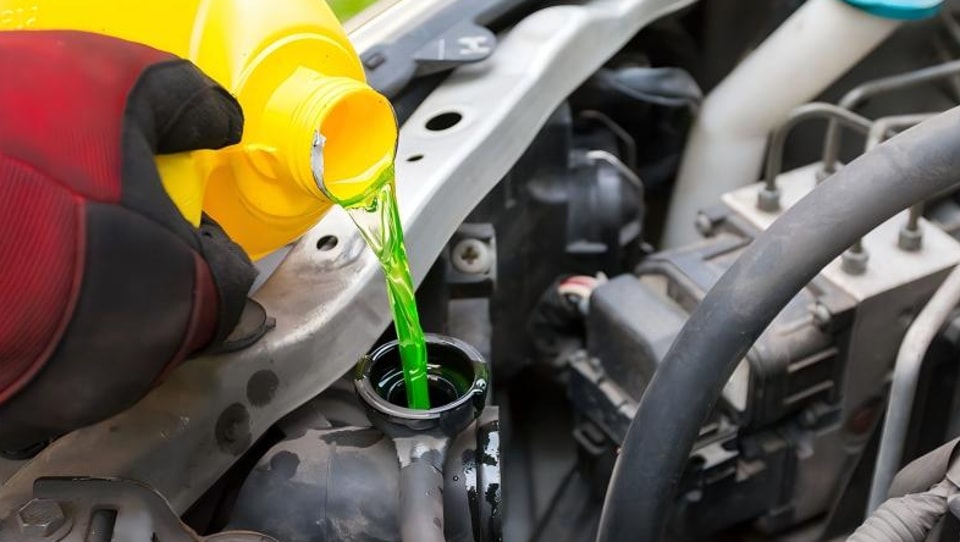
Check the coolant level before each shift and top it up if necessary. Check the filter condition weekly and clean it as needed based on the operating environment. Test the coolant pump pressure and flow rate monthly and record the data for trend comparison. Change the coolant regularly—the specific interval depends on usage intensity, but it is generally recommended to change it every six months to a year.
Ultimately, you might not even think about the cooling system when it's working properly, but if it malfunctions, the stability of the entire pipe bending machine will be affected. Developing a habit of regular inspections is far more cost-effective than trying to fix things after they occur. Have you ever encountered abnormal oil temperature due to cooling system problems while using your pipe bending machine? Feel free to share your experiences.
Contact Us