
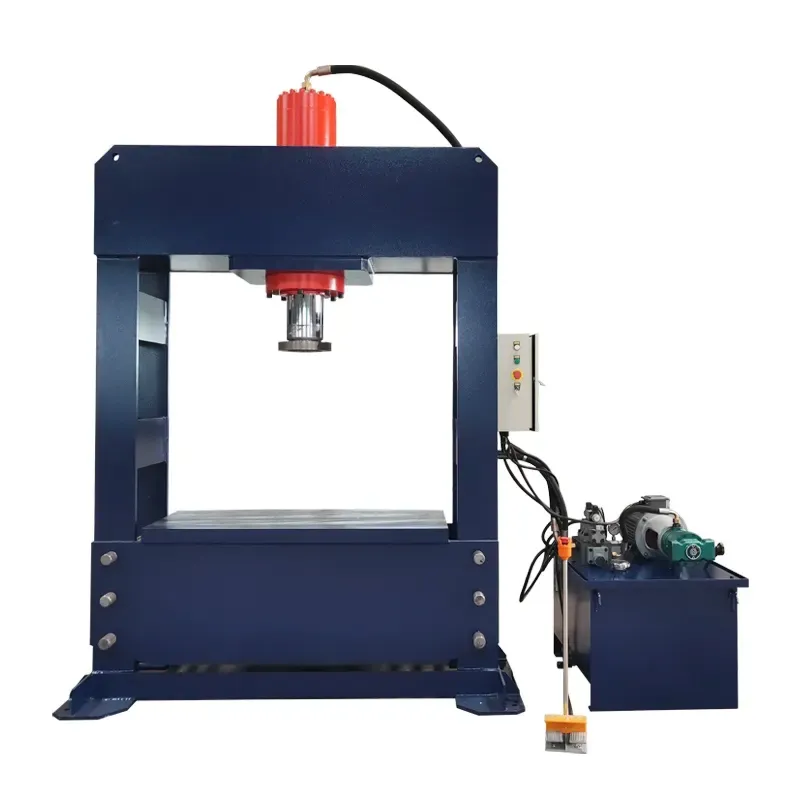
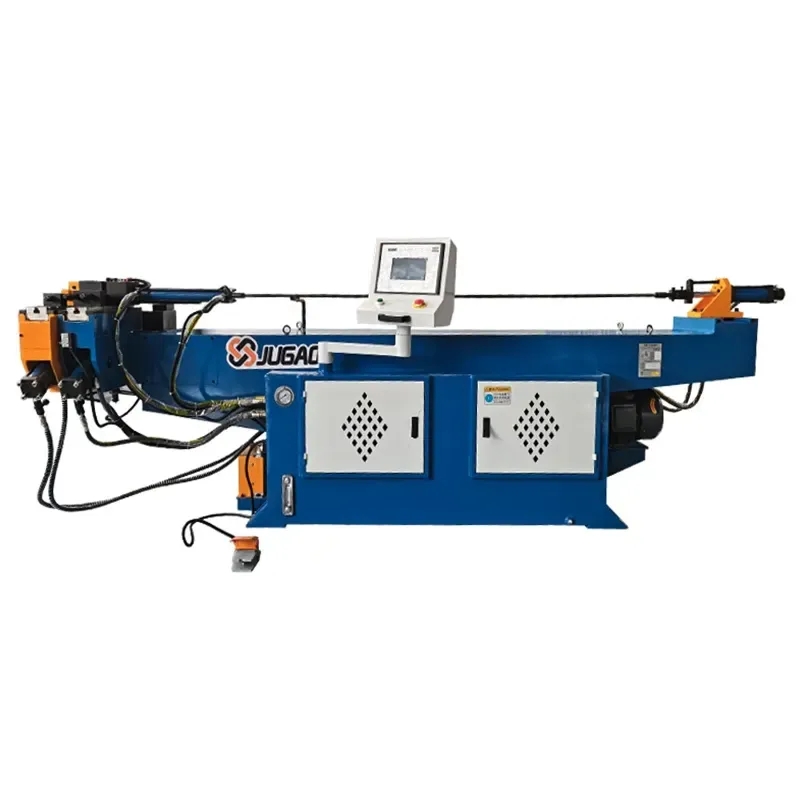
What is a bending machine die
2025-05-02

Press Brake Tooling
What is a bending machine die
Definition and main functions
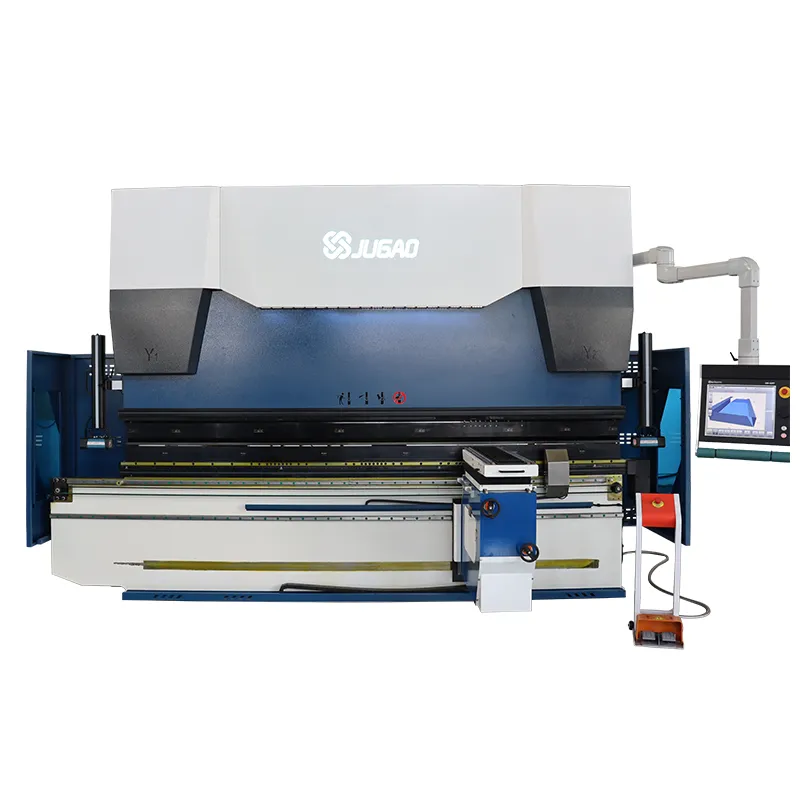
A bending machine is a device used to bend metal sheets, which can transform blanks into parts with specific shapes and sizes under the pressure of the bending machine.
The bending machine die consists of a punch and a lower die, which cooperate with each other for punching, forming and separation of metal sheets. The die for forming has a cavity, and the die for separation has a cutting edge.
For beginners, it is necessary to understand that the main purpose of the bending machine die is to enable the machine to bend various metals into different angles. In this process, a piece of metal sheet slides between two tools: the top tool (punch) descends to the bottom tool (die) to bend the metal sheet part.
Bending machine dies are divided into manual bending machine dies, hydraulic bending machine dies and CNC bending machine dies. Hydraulic bending machine dies can be divided into torsion axis synchronization, machine-hydraulic synchronization and electro-hydraulic synchronization according to the synchronization method. Hydraulic bending machine dies can be divided into upward and downward types according to the movement method.
Importance in metal bending
Determine the bending form and dimensional accuracy: The shape and size of the mold can directly determine the bending form, such as angle, radius of curvature, etc., which is closely related to product quality.
Control the bending process: The tool can fix the metal plate in a specific position and control its deformation under pressure to maintain the consistency of the bending.
Improve production efficiency: By quickly changing the mold, the mold switching of different products can be completed in a few milliseconds, which greatly shortens the switching cycle.
Extend service life: The service life of tools made of abrasive materials and surface treated can be extended several times.
Reduce production costs: The use of precision molds can increase productivity and reduce the scrap rate caused by mold consumption.
Achieve specific requirements: Through CNC technology, the mold can be bent into any shape to meet the manufacturing requirements of certain specific products.
Press Brake Tool Assemblies
Punches and Dies
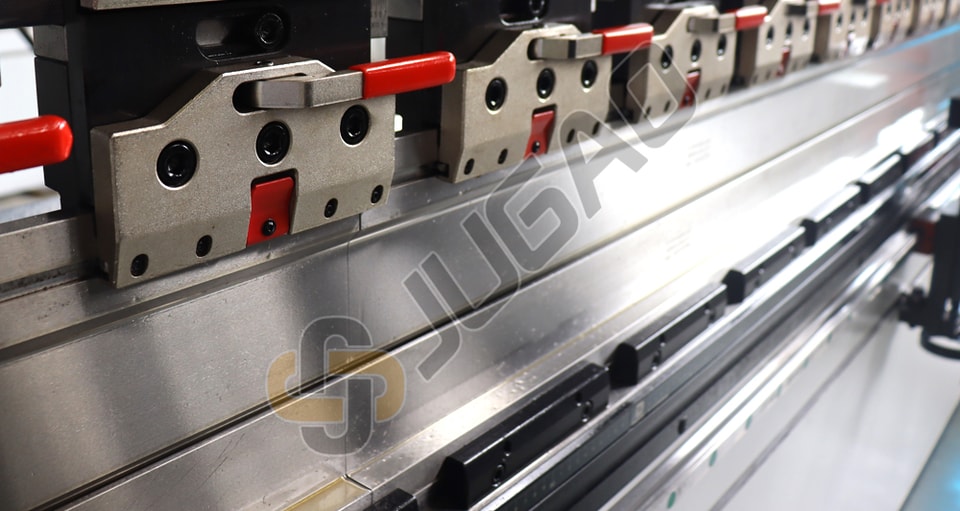
They are key components that determine the shape of the workpiece being bent and are mounted on the upper and lower pressure rods to control the deformation of the bending area of the metal sheet.
Die Bases
These platforms support and position the top punch and bottom die. They are connected to the press brake punches to allow for quick tool changeover. They are particularly useful in maintaining consistency over multiple production runs.
Bend Aids
To help operators quickly and easily complete bending tasks, some aids such as angle measuring tools and locating blocks are sometimes used. These tools are very important in high-precision applications where even small deviations can affect the final product.
Quick Change Systems
Many modern press brakes are equipped with quick change systems that allow operators to quickly change top punches and bottom dies to accommodate different bending tasks.
This capability is critical for high-mix, low-volume production environments where tools need to be changed frequently to accommodate different bending tasks. For example, in a job shop environment, a quick change system enables fast changeover between different projects, improving overall efficiency.
Locating Pins
They are used to accurately position and secure the workpiece in the die during the bending process. This is critical for repetitive work where the same bend must be replicated accurately.
Die Protectors
Die protectors are installed on the edge of the die to protect the sharp corners of the workpiece and extend the life of the die. They are especially important when processing fragile or high-value materials.
Die Sockets
Connecting the die socket to the punch interface facilitates quick installation and removal of the die. This feature is beneficial in environments where dies need to be changed quickly to maintain production efficiency.
Lubrication System
Evenly distribute lubricant into the radius of the die to reduce workpiece wear and burn.
Die Pads/Modules
They are used to support the tenon and help build the tool set. Rigidity is very important.
Shims
Control the depth of the bend by keeping the distance between the bend faces consistent.
Die Drifts
They are used to remove the bent part and can also be used for setup.
Tool Holders
Tool holders mount the die to the press brake. Modern tool holders often have quick-change mechanisms that increase productivity by reducing setup time. For example, in a high-mix production environment, quick-change tool holders allow operators to quickly switch between different tools, minimizing downtime.
Clamping systems
Clamping systems typically use clamps, clamping blocks and adjusting nuts to hold punches and dies in the correct position. Secure clamping is essential to prevent the tool from moving during the bending process, which can cause errors. For example, when bending high-strength steel, a strong clamping system ensures that the die remains stable under high pressure.
Types of Press Brake Tooling
Punches Profiles
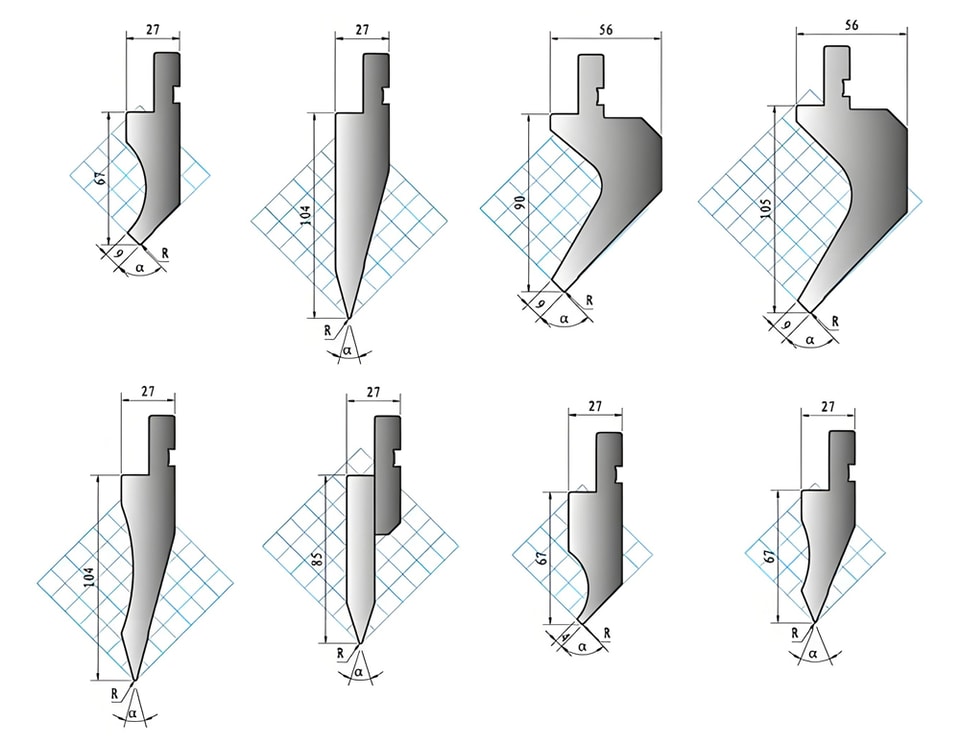
The punch is the upper tool in the press brake tooling and is mounted on the slide of the press brake. It applies force to the workpiece to bend it in the shape of the punch. Punches are available in various designs to suit different sheet metal bending requirements and material types.
Standard Punches
Standard punches feature a thick body and narrow tip and are versatile and are often used for general bending tasks and high tonnage applications. They are suitable for making standard bends such as 90-degree angles on a variety of materials. For example, a standard punch can be used to make a right-angle bend on mild steel sheet, ensuring consistent results on multiple workpieces.
Sharp Angle Upper Die
The sharp angle punch is used for angles between 30-60 degrees and has a heavy body and a sharp tip. It is usually used for bends less than 30 degrees and can handle angles up to 89 degrees. The angle of the punch tip is usually between 28° and 34°.
Typical Dimensions
- Clearance Width: Varies from 1" to 1.5"
- Working Height: Typically about 3.75"
- Tip Radius: Varies from 1/32" to 1/8"
Gooseneck Punches
Gooseneck punches have a recessed profile that allows for complex bends without disturbing the workpiece. Designed for U-profiles, these punches are ideal for deep boxes and other complex shapes. Gooseneck punches have an elongated body with a recessed area to prevent the legs of the workpiece from colliding. For example, when making a deep U-shaped groove in sheet metal, a gooseneck punch provides the necessary clearance to avoid damaging the material.
Window Frame Punches
Window frame punches feature a narrow body and an angled tip that allows for bending and working around corners. The tip curves inwards of the bender. It can be angled on both sides of the bend and is often used to make door frames and window sashes, and can effectively process sheet metal for window frame manufacturing.
Narrow/Sword Punches
With uniform thickness throughout the length, the geometry of narrow punches is straight with no corners, making them suitable for situations where clearance is tight, ideal for final bends in box closures, and suitable for operations in limited spaces.
Radius Top Punches
The top radius punch has a rounded tip rather than a sharp edge, so it is designed to make rounded bends and can be used with standard V-dies for marking operations and to make smooth curved profiles. The body is usually thicker to withstand the required bending forces.
Joggle Punches (Z Tools)
The Joggle punch has a specialized shape that produces offset bends and is used in special applications to produce S-shaped profiles. It is a special tool, usually used for specific custom work, designed to make two bends at the same time. It has a thinner profile than a standard punch.
Lower Die
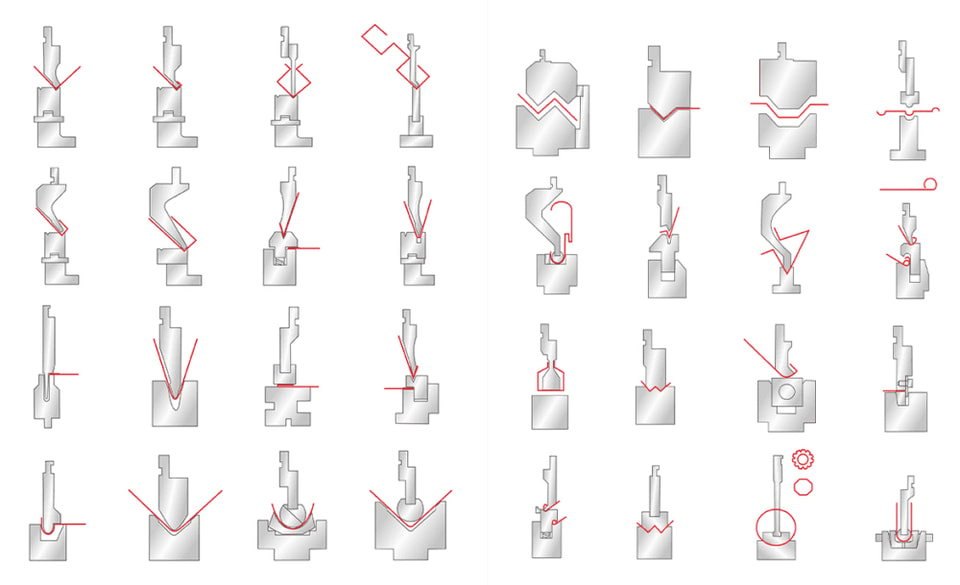
The lower die is the lower tool in the press brake die and is installed on the bed of the press brake. When the punch is pressed down, it provides the reaction force required to form the metal. Dies come in various shapes and sizes to make different types of bends.
V-die
The V-die is the most common type of die and is available in single V, double V and multi-V shapes. It features a shaped groove. It is used to make V-shaped bends in workpieces. The width and depth of the V-groove determine the final bend angle and arc. It is available as part of a four-way module for easy replacement
U-die
U" dies are used to make channels and deeper bends and are ideal for operations that require more complex shapes. Designed for making U- or C-shaped bends, this die can make bends from 90° to 180°. For example, to form deep grooves in metal sheets for structural parts, "U" dies ensure uniformity and strength.
Flattening dies
Flattening dies are used to flatten the bent material to ensure a smooth and polished finish. These dies are essential to achieving a professional look for the final product, such as flat metal sheets used to produce automotive body parts.
Offset dies
Offset dies are used to make Z shaped or offset bends and produce two angles in one stroke. They improve accuracy by keeping the bends parallel.
Radius Dies
Radius dies are used in conjunction with round punches to form radius bends, resulting in a smooth, curved profile.
Gooseneck Dies
The gooseneck die is designed to avoid workpiece interference, allowing bends to be made in tight spaces or around existing bends. It is primarily used to remove protruding edges or flanges on the workpiece and is ideal for bending deep box or high flange profiles.
Flanging Dies
Flanging dies are used to create hems or hems that improve aesthetics and strengthen the edges of sheet metal parts.
Groove Forming Dies
Channeling dies form U-shaped channels in one stroke, which is more efficient than forming U-shaped channels with traditional V-shaped dies.
Flattening Dies
Flattening dies are used to completely flatten sharp angled bends and are often used in conjunction with hemming operations.
Four-Way Dies
Four-Way dies feature a V-shaped channel with different sizes on each side of a single die. Multiple bend dies are used to produce two or more bends in one operation and include special types such as offset dies.
Types of bending machine molds
Tool type | Features | Application | Advantage |
American tools | - With 30 degree acute angles on both the punch and the die. | - Suitable for bending operations on a variety of material thicknesses and profiles. | - Durable and reliable, it can be used for various tasks. |
European precision tools | - Known as the "Promecam" tool. | - Suitable for high-precision bending applications with high accuracy requirements. | - Reduce the rebound caused by acute angles, improve bending accuracy. |
New Standard Tool | - Combines the characteristics of both the United States and Europe. - The punch and die have a 45-degree sharp angle. - Compatible with bending machines in the United States and Europe. | - Suitable for various bending requirements. - Popular in production environments that require precision and flexibility. | - Rapid tool changes enhance operational efficiency. - Balancing versatility and precision, suitable for a variety of projects without the need for extensive modifications to the machine. |
Velaton Rapid Tooling | - Typically used for TruPunch systems - High precision, small tolerance | - Primarily used for high-precision stamping tasks, such as processing precision components. - Suitable for production needs that require precise and frequent tool changes. | - High precision, high degree of standardization, rapid tool change. - Longer tool life, higher precision. - Strong tool compatibility, suitable for various types of machine tools. |
In conclusion
- The Wila quick-change tooling system is mainly used in situations that require high precision and frequent tool changes, allowing for rapid tool replacement and is suitable for the machining of precision components.
- The characteristics of American molds are low cost and large production scale, suitable for mass production with lower precision requirements.
- European molds emphasize precision and stability, suitable for industries with high precision requirements such as automobiles, electronics, and aerospace.
- The new standard tools possess strong compatibility and adaptability, enabling rapid adjustments and improvements in production efficiency across various environments.
Material Selection for Press Brake Dies
The efficiency and lifespan of bending dies are intrinsically linked to the strength and material of the die. Due to the significant pressure and abrasives generated during the bending process, the composition and treatment of the die are crucial.
The importance of high strength and wear resistance
Bending machine tools can withstand strict pressure during operation. High strength ensures that the tools will not deform or break when providing pressure.
Furthermore, wear resistance is crucial as it determines the service life of the user. Wear-resistant tools can maintain their shape and function over the long term, ensuring consistent bending effects and reducing the need for regular replacements.
Hardened tools
One method to improve the rigidity and durability of a bending machine is through hardening the dies. Specific materials for bending machine dies are popular due to their initial rigidity and the ability to further harden them.
For example
- Chromium-Molybdenum Steel:This alloy is renowned for its toughness and wear resistance, achieving a balance between the strength and durability of the bending machine, ensuring that the tool can withstand heavy bending operations without premature wear.
- Yasuki steel:yasuki steel is a high-grade steel commonly used for specialized tools, renowned for its exceptional hardness and abrasiveness. Its composition maintains sharp edges, making it the ideal choice for precision and bending tasks.
Hot refining tools
Tempering or heat treatment is a process that enhances the properties of metal tools. By subjecting metal to controlled heating and cooling cycles, it changes its molecular structure, thereby improving its performance.
For example
After heat treatment, the strength and wear resistance of carbon steel are improved. The heat treatment process refines the grain structure of the steel, making it more solid and durable. Carbon steel tools, after tempering treatment, are less prone to cracking and deformation, ensuring a longer tool life and consistent bending effect.
Tool handling and installation
The operating efficiency of a press brake depends on the quality of the tool, but also on how the tool is handled and installed. Proper handling and installation can maintain optimal performance, reduce wear and extend the life of the tool. Here are the nuances of tool handling and installation:
The importance of mold geometry
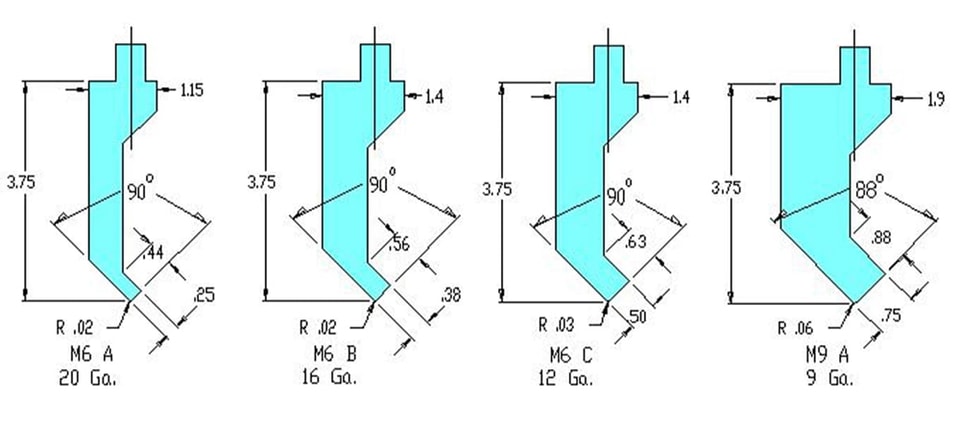
To achieve the bending effect, complex designs are typically made for the geometry of the bending dies. The shape, angle, and dimensions of each die are crucial for ensuring the accuracy of the bending process. When handling and installing these tools,
- Ensure that the geometry of the tool is consistent with the expected bending operation. Using a tool with incorrect geometry may result in inaccurate bending results and can damage the machine tool and workpiece.
- Regularly inspect the mold for wear or damage. Over time, the geometric shape of the mold will change due to wear, thereby affecting the bending quality.
- Proper storage is crucial. When storing tools, their geometric shape should be maintained, avoiding stacking or placing them in positions that could cause deformation.
Segmented molds and their advantages
Segmented tools are tools that are divided into many parts or sections. Rather than just long tools, segmented tools allow press brake operators to use a combination of shorter tool segments to achieve the desired length or setup. The advantages are as follows:
- Flexibility: Segmented tools have stronger versatility, operators can match segments according to the specific requirements of the program.
- Easy to operate: Compared with longer tools, shorter tools are easier to operate, install, and repair.
- Reduce wear: If specific components of the mold are worn or damaged, these components should be replaced instead of the entire mold.
- Cost-effectiveness: Operators can invest in a segmented group rather than multiple long tools for different operations, thereby reducing long-term costs.
- Optimized work procedures: Segmental tools can be quickly reset, thereby reducing setup time and increasing productivity.
The Importance of Tool Tolerances
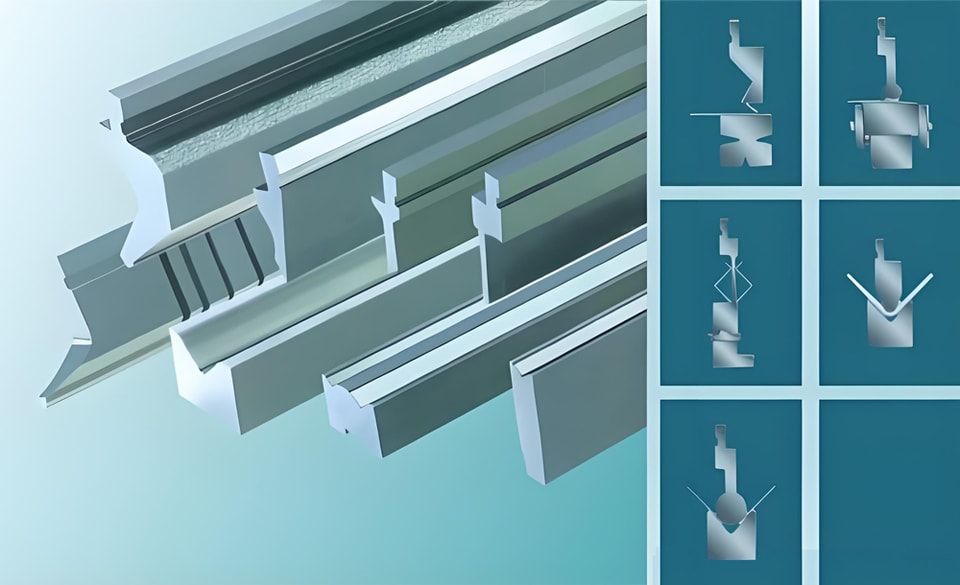
Mold tolerances are crucial in production as they determine the normal operation of the product, the measurement range of aesthetic containers, or other physical characteristics. The main reasons for their importance are as follows:
Improved component fit and function: This tolerance ensures that parts fit with other parts, avoiding functional issues and incompatibilities.
Enhance the final product outlook Tolerances: Tolerances contribute to the aesthetics of the product, such as ensuring parts are level without noticeable gaps.
Consider reasonable latitude Tool tolerances: Tool tolerances can be allowed while maintaining their functionality.
Part interchangeability: Tolerances allow for replacement of a single part, facilitating maintenance and repair.
Definition of tolerances for consistency, accuracy and precision: The definition of tolerances allows for better control of the consistency, accuracy and precision of the product.
Reduce costs: By defining tolerances upfront, manufacturers can minimize costly manufacturing errors and rework.
Frequently Asked Questions
- What is the main difference between precision ground and non-precision ground tools?
Precision ground dies are manufactured to extremely tight tolerances, ensuring high accuracy and consistency across the entire set of dies. This level of accuracy is critical for applications that require precise angles and repeatability, such as industries such as aerospace or medical device manufacturing.
Non-precision ground tools, while less expensive, have smaller tolerances and are generally suitable for applications where accuracy is not as critical. Choosing between these options depends on production requirements, with precision ground tools being more desirable for high-precision tasks that require consistency.
- How often should press brake tools be calibrated?
The frequency of calibration depends on production volume, material type, and accuracy requirements. For high-precision applications or continuous production environments, calibration should be performed weekly or even daily, as this ensures consistent bending accuracy and minimizes potential deviations.
In less intensive operations, monthly or quarterly calibrations may be sufficient. Establishing a regular calibration program that aligns with production needs can help maintain accuracy and reduce rework or waste.
- What factors affect the life of press brake tools?
Many factors affect tool life, including material quality, intensity of use, workpiece material hardness, and maintenance methods. Press brake tools that use high-grade tool steels or are treated with special coatings generally last longer, especially in high-volume production environments.
Regular cleaning, lubrication, and inspection can also prevent premature wear, which can greatly extend the life of the tool. In addition, avoiding excessive tonnage and following recommended operating guidelines can protect the tool from excessive stress and extend its service life.
- Can press brake tools be used for all types of metals?
Although press brake tools are widely used, different metals require specific tool characteristics to ensure optimal performance. For example, harder metals such as stainless steel or titanium exert more force on the die, so high-strength or carbide-coated dies are ideal for these applications.
Softer metals, such as aluminum, require less die strength, but softer dies or punches can be used to prevent surface damage. Matching the die to the material type optimizes die life and bend quality, improving the overall efficiency of the press brake operation.
- How do I choose the right press brake tool for my project?
First, consider the material's characteristics, including type, tensile strength, and yield strength, as these will determine the specific tooling needs. Different materials, such as aluminum, carbon steel, and stainless steel, have unique properties that require different adjustments.
Then, evaluate the material's thickness and length. The die opening should generally be 8 times the material's thickness. The length of the material will determine the required die length. Bend angle and shape are critical. Specific bend shapes, such as V-bends or hemming, require corresponding tooling. Knowing the required bend shape can help you select the correct die.
Tool profile and load limit are also critical. Match the tool profile to the type of work, whether it's an air bend, bottom bend, or coin bend, and ensure the load limit does not exceed the press brake's capabilities to avoid damage.
Die selection should be consistent with the thickness of the metal involved. Use the "8×2 rule" and multiply the thinnest metal by 8 to find the smallest V-shaped die required. Adjustable dies are useful for projects with multiple bends.
When selecting a punch, choose based on the requirements of the job. Consider the punch type, such as standard, gooseneck, or sharp-angle, and make sure the nose radius matches the pneumatic forming radius value.
Precision and compatibility are important to achieve part accuracy. Choose tools with high precision and features such as segmented and self-retaining mounting for convenience and safety. Consider tool options and customization. While standard tools are suitable for common bends, custom tools may be required to meet unique specifications to improve forming efficiency.
Finally, pay attention to setup and operation. Tools that allow front loading can reduce setup time. For projects that require frequent tool changes, equipping each press brake with a dedicated tool library can improve efficiency.
Contact Us