
Plate Rolling Machine Classification, Characteristics, and Maintenance
2026-07-23

I. Classification of Plate Rolling Machines
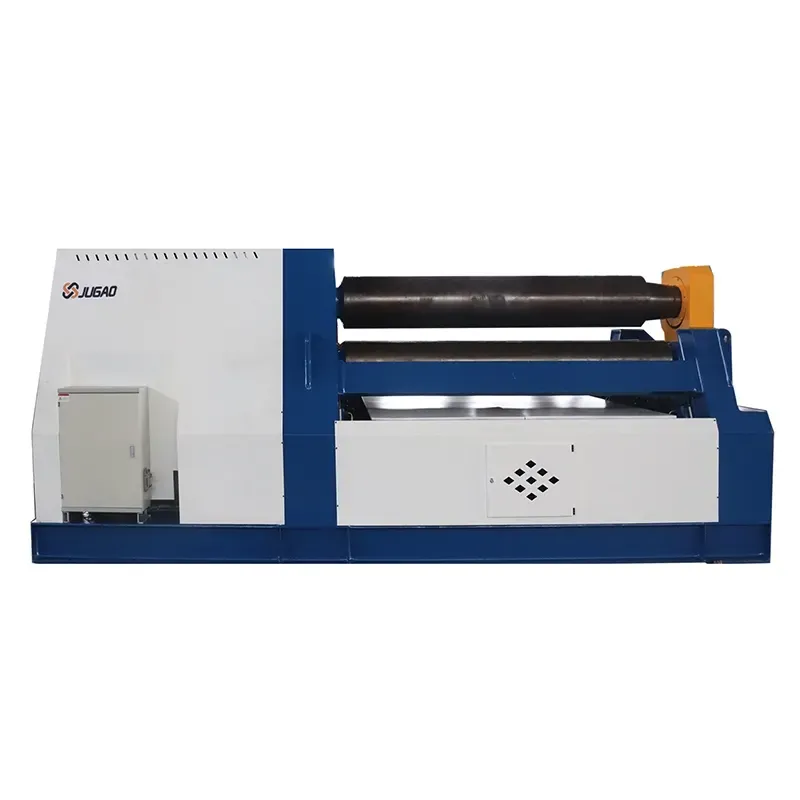
Plate rolling machines can be mainly classified into the following categories according to the number and arrangement of rollers:
Three-Roll Plate Rolling Machine:
Symmetrical Three-Roll Plate Rolling Machine: Simple structure, low price, and easy operation. Two lower rollers are fixed, while the upper roller can move up and down to bend the plate. Suitable for rolling medium to thin plates, with moderate precision.
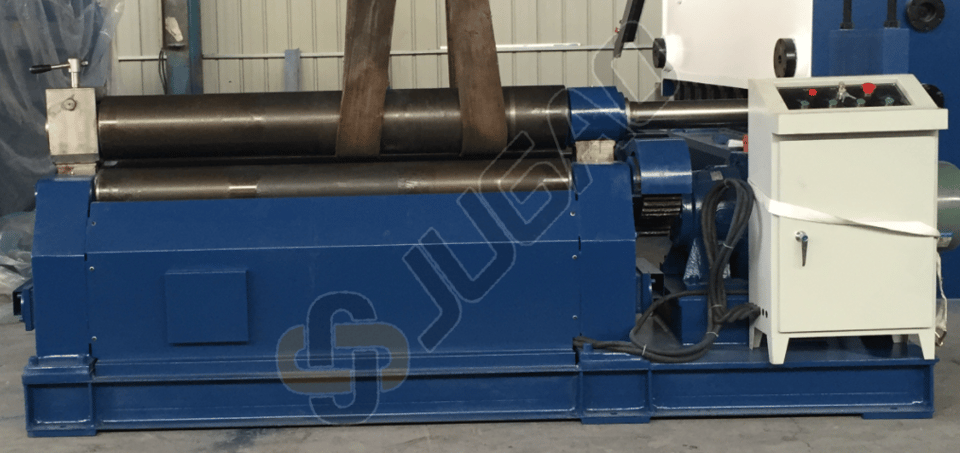
* Asymmetrical Three-Roll Plate Rolling Machine: The upper roller can tilt, and one side of the lower roller can be raised and lowered. Capable of rolling thicker plates with relatively small pre-bending force, and can also roll conical workpieces.
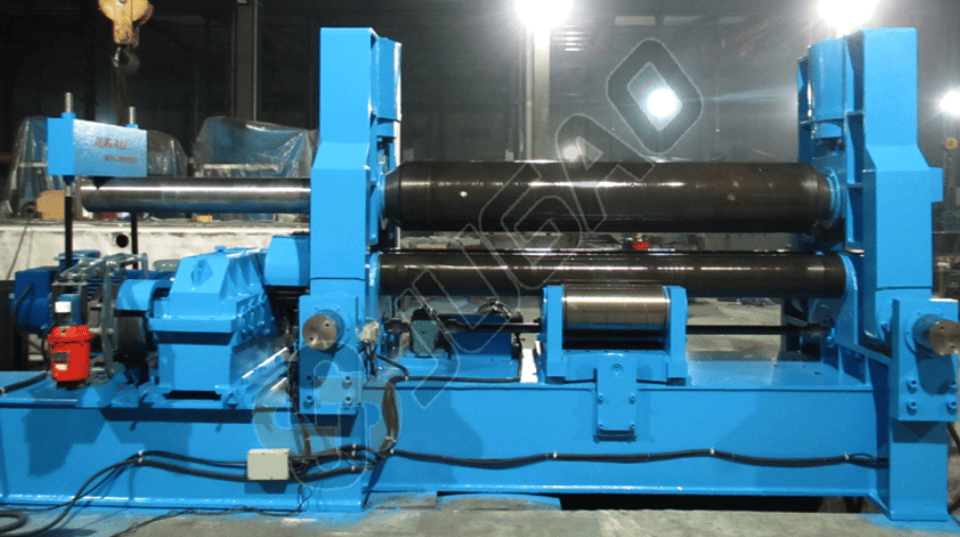
Four-Roll Plate Rolling Machine:
Characterized by an upper and lower arrangement of work rollers, with an additional middle roller that can move up and down between the two upper work rollers. Capable of high-precision plate rolling, especially suitable for rolling thin plates and workpieces requiring high precision.
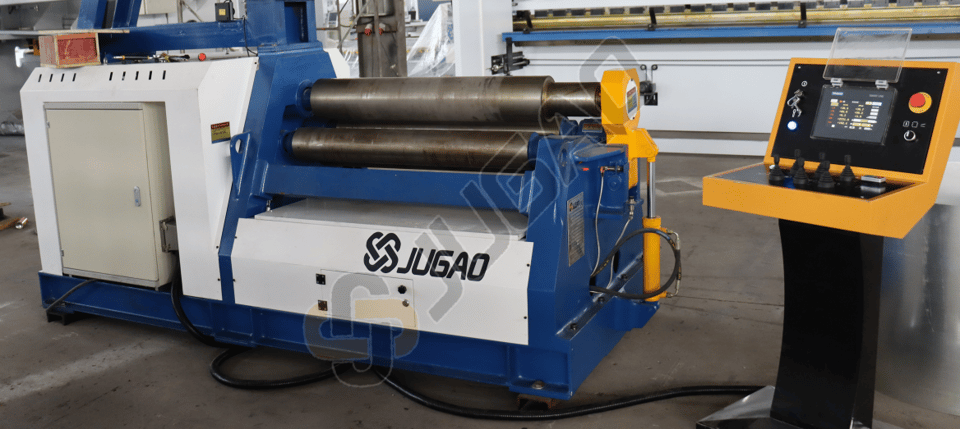
Horizontally Adjustable Three-Roll Plate Rolling Machine:
The two lower rollers can move horizontally, and their position can be adjusted to accommodate rollers of different diameters. Features high automation and flexible operation.
CNC Plate Rolling Machines: Utilizing CNC technology, these machines enable automated and high-precision plate rolling operations. They can precisely control the shape and size of the rolled plate according to preset programs and parameters.
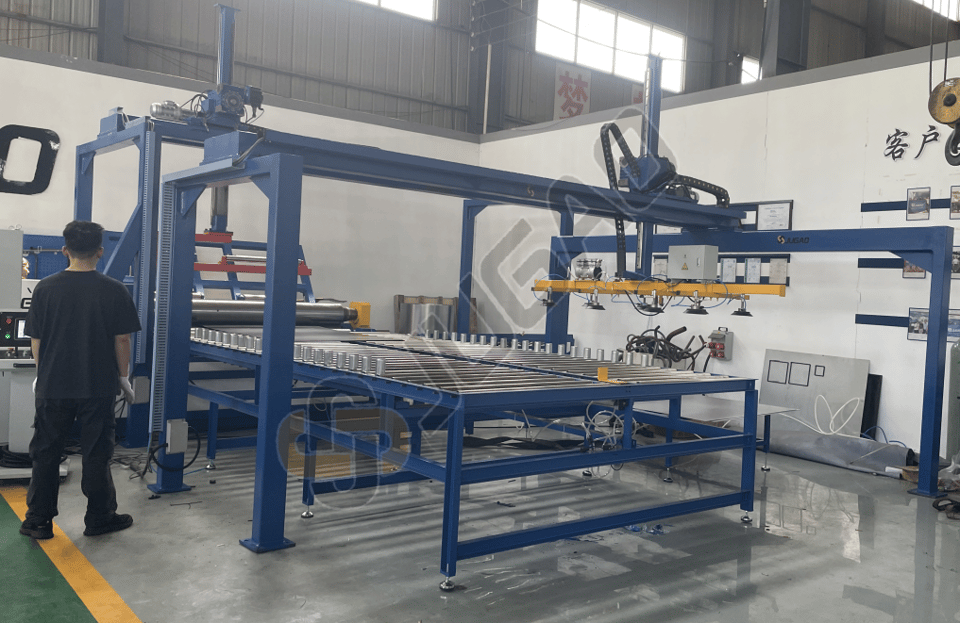
II. Features of Plate Rolling Machines
Three-Roll Plate Rolling Machines:
Symmetrical Three-Roll Plate Rolling Machines: Relatively simple to operate and lower in cost, but rolling accuracy and efficiency are generally lower. For example, they are often used in small processing plants for the initial rolling of ordinary steel plates.
Asymmetrical Three-Roll Plate Rolling Machines:
These can improve rolling efficiency and the range of plate thickness adaptability to a certain extent. For example, in shipbuilding, they can be used for rolling some hull structural components.
Four-Roll Plate Rolling Machines:
Due to the addition of an intermediate roll, they can effectively control plate deformation, improving rolling accuracy and surface quality. They are commonly used for rolling parts in aerospace, automotive manufacturing, and other fields with high precision requirements.
Horizontally Adjustable Three-Roll Plate Rolling Machines:
Easy and quick to adjust, with a strong ability to adapt to different specifications of rolls, improving production efficiency. For example, in the manufacture of large steel structures, they can quickly switch between producing rolls of different diameters.
CNC Plate Rolling Machine
Features high precision and high automation, enabling the rolling of complex shapes. It is used in high-end machinery manufacturing to produce parts with special shapes and high precision requirements.
III. Plate Rolling Machine Maintenance
To ensure the normal operation of the plate rolling machine and extend its service life, regular maintenance is necessary. Here are some common maintenance methods:
Regular Cleaning
Remove dust, oil, and debris from the machine surface to keep it clean. Pay special attention to cleaning the roller surfaces and slideways to prevent debris from affecting rolling accuracy and machine operation.
Example: Wipe the machine surface with a clean cloth weekly, and perform a deep cleaning of the slideways monthly.
Lubrication Maintenance
Regularly add lubricating oil to all transmission components to ensure smooth operation. For critical parts, such as lead screws and gears, use appropriate lubricating oil and add or replace it according to the prescribed cycle.
Example: Check the lubricating oil level and quality monthly, and replenish or replace deteriorated lubricating oil promptly.
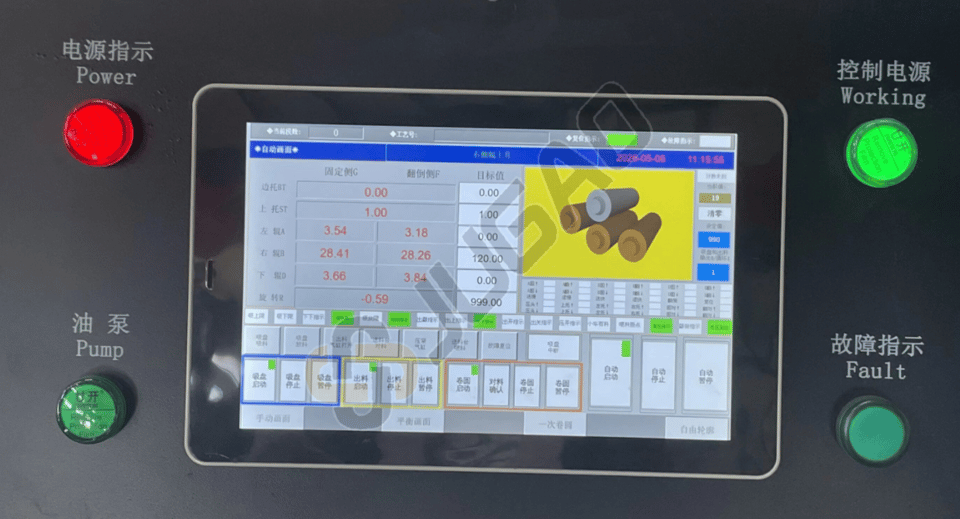
Electrical System Inspection
Regularly check the electrical wiring for aging or damage, and check plugs and sockets for looseness. Ensure the normal operation of the electrical system to prevent equipment downtime due to electrical faults.
For example: Conduct a comprehensive inspection of the electrical system quarterly and replace aging wiring promptly.
Fasten Components:
Regularly check the bolts and nuts at all equipment connections for looseness and tighten them promptly to prevent equipment instability caused by loose components.
For example: Conduct a tightness check on important connections monthly.
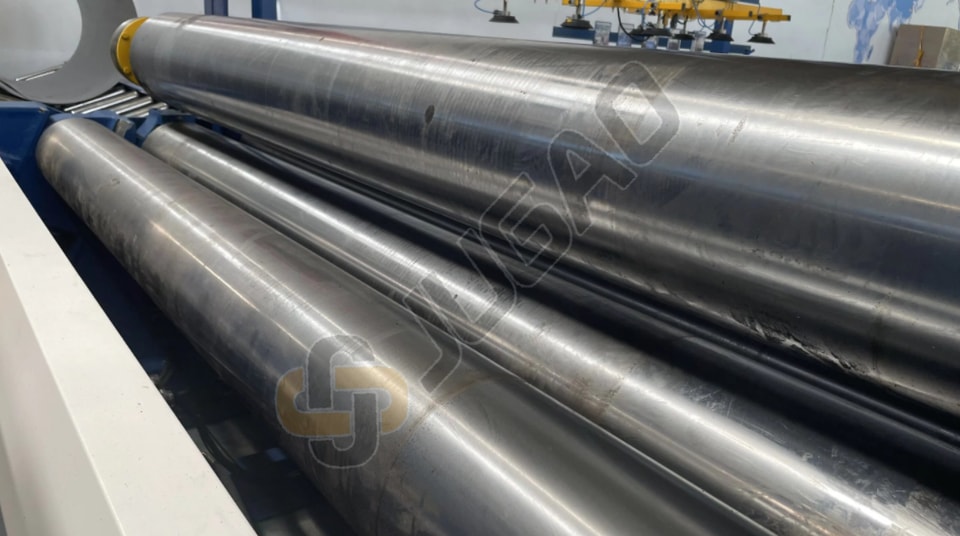
Roller Maintenance:
Inspect the roller surface for scratches, wear, etc., and repair or replace them promptly if necessary. Maintain the roller's precision and surface quality to ensure the quality of the rolled plate.
For example: Conduct a detailed inspection and maintenance of the rollers every six months.
Regular Adjustment:
Regularly adjust the equipment's precision to ensure the plate rolling machine meets requirements. This includes checking the roller's parallelism and straightness.
For example: Invite professionals to perform precision calibration on the equipment annually.
Train Operators:
Ensure operators are familiar with the equipment's operating procedures and maintenance requirements, operate the equipment correctly, and avoid equipment damage due to improper operation.
Organize training courses and technical exchange activities for operators regularly.
Storage Environment:
Plate rolling machines should be stored in a dry, well-ventilated environment to avoid damage from humidity and high temperatures.
During humid seasons, dehumidifiers can be used to maintain a dry storage environment.
In short, the maintenance of plate rolling machines requires a multi-faceted approach, including regular inspections, maintenance, and upkeep to ensure normal operation, improve production efficiency, and extend the equipment's lifespan.
Contact Us