
Laser Welding Process - Parameters
2026-05-28

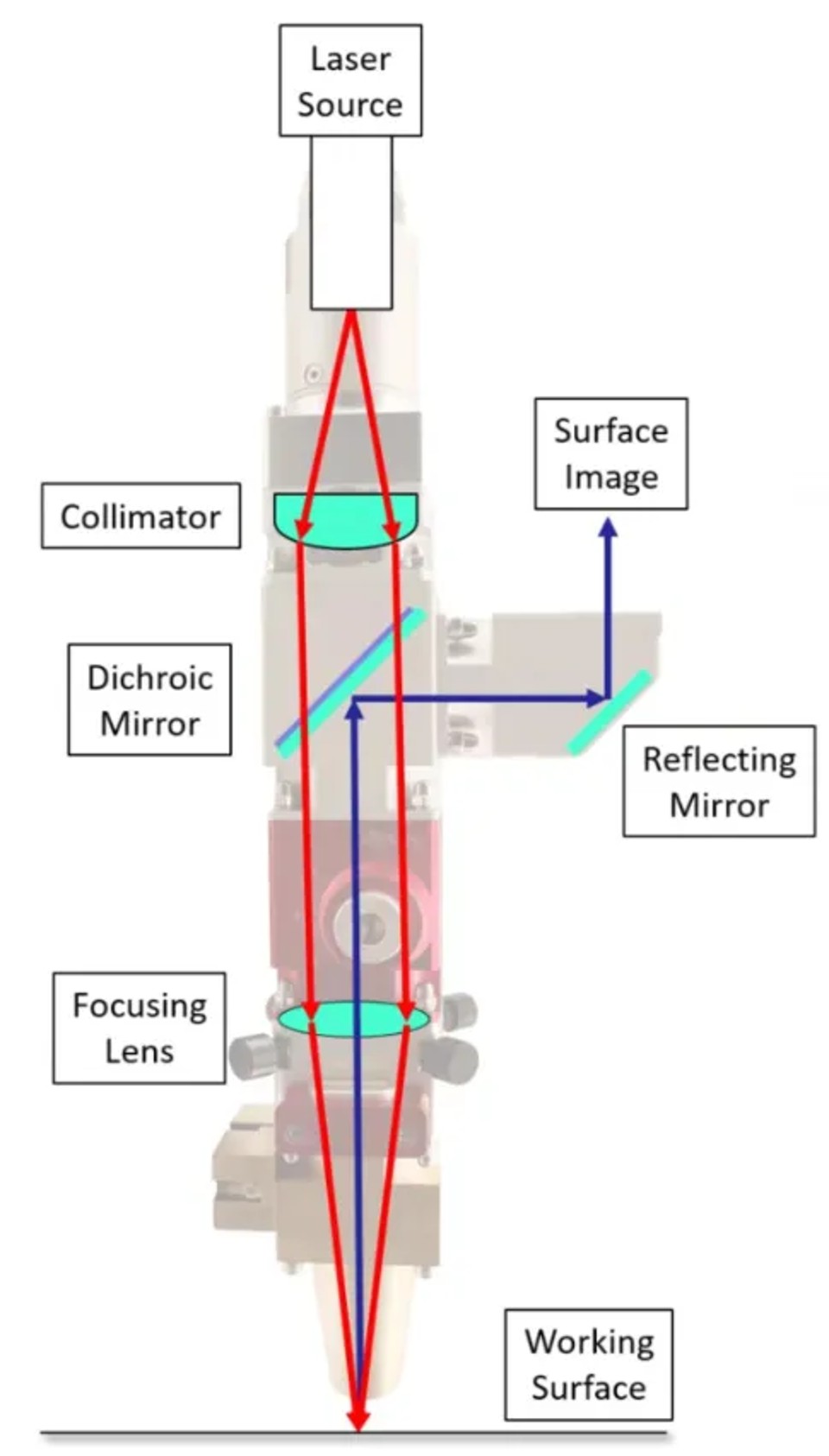
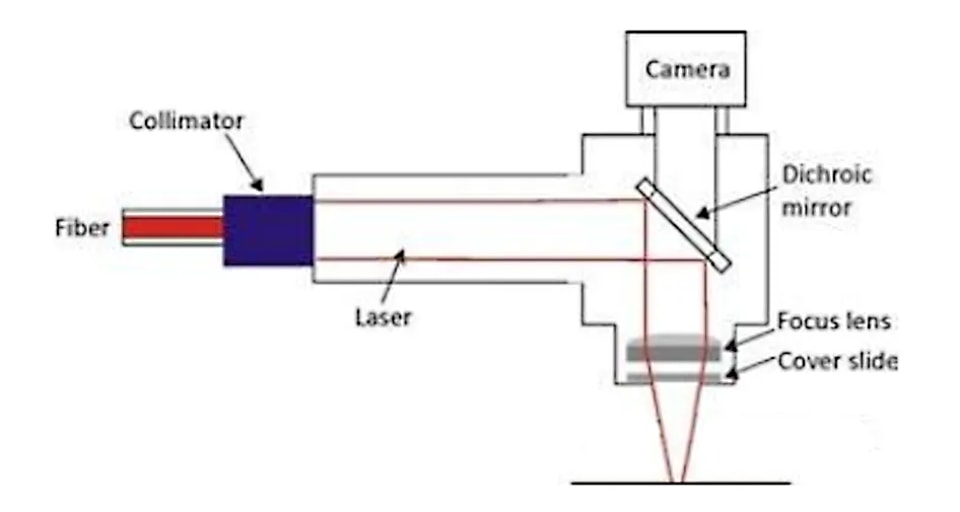
A laser welding system consists of a laser, transmission optical fiber, collimating focusing head or galvanometer, etc. The light from the optical fiber is divergent and needs to be collimated into parallel light by a collimating lens, and then focused by a focusing lens (magnifying glass effect). Key parameters during laser process debugging include: power, speed, defocusing amount, and shielding gas.
Generally speaking, before determining the parameters for a workpiece, the processing speed needs to be determined first. This requires communication with the customer to determine the speed based on their needs. For example, if there are requirements for production cycle time and output, the approximate speed can be determined by working backwards. Then, process adjustments can be made based on this.
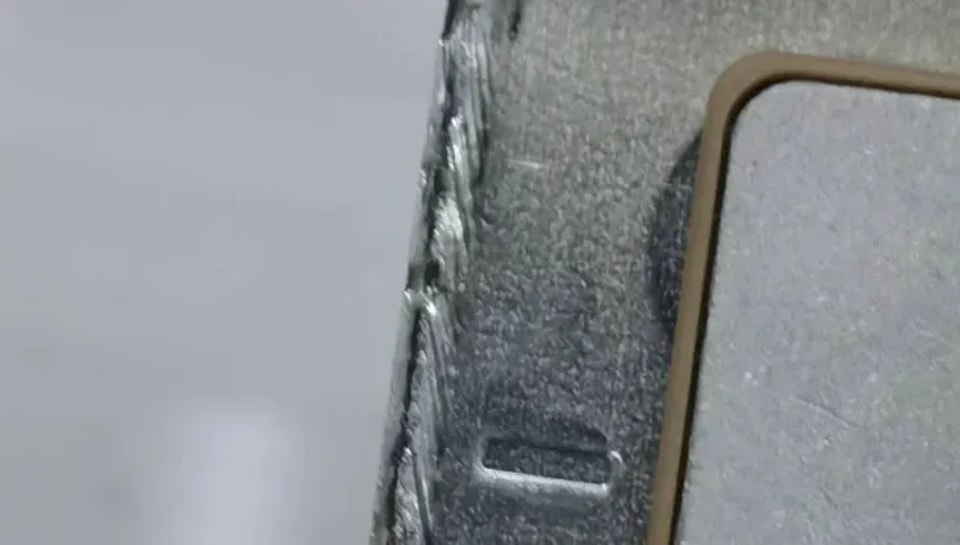
Generally, excessive speed will result in a V-shaped characteristic as shown in the image.
Power: This refers to the laser welding power, usually set via waveform. Laser welding is an energy conversion process involving heat input and absorption. Therefore, controlling the waveform and power requires extensive experience. Different materials, thicknesses, weld types, and equipment will all vary. To achieve optimal performance, close attention must be paid to energy; waveform changes affect the change in unit energy. Software typically includes this setting, which can be monitored to accumulate knowledge of how different materials affect energy changes. Crack control is generally more experience-intensive. The metallographic characteristics corresponding to the power in straight seam welding are weld depth and weld width. If the weld depth and width are too small, increase the energy; if they are too large, decrease the energy.
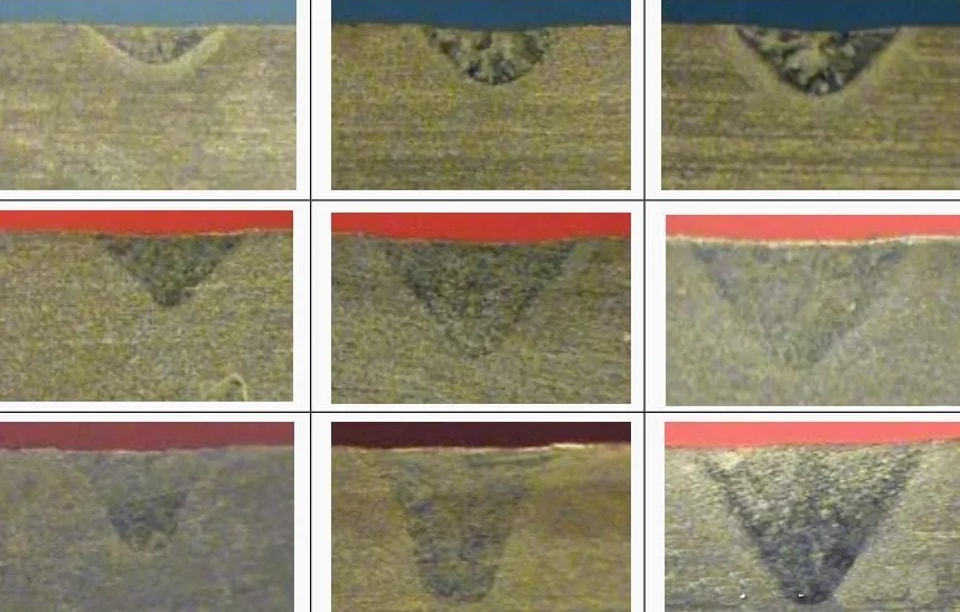
Different power levels directly affect the melting depth, as shown in the figure, which is a metallographic diagram of the melting depth at different energy levels.
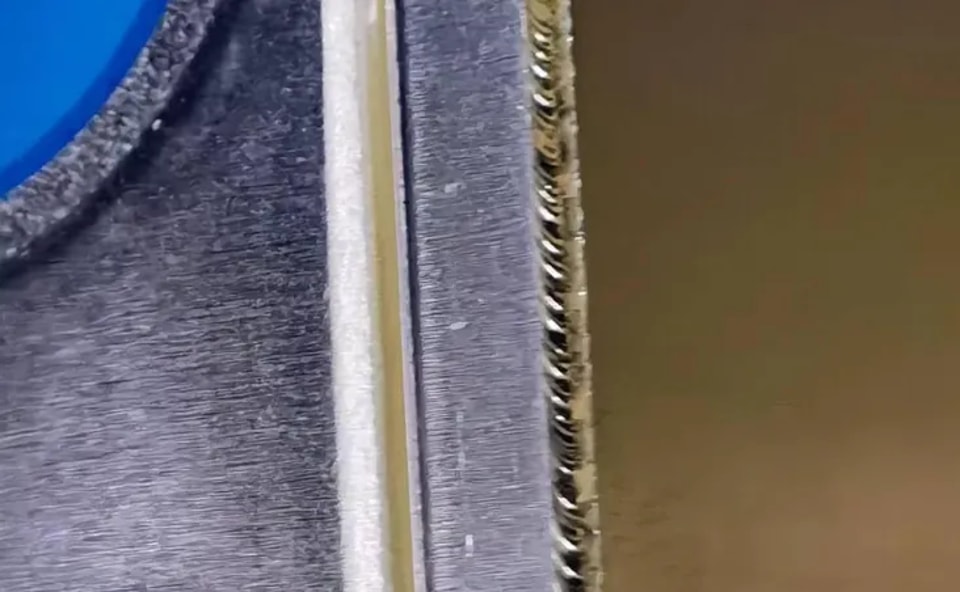
Insufficient energy often results in partial welds or incomplete welds, as shown in the image. Only a slight surface layer melts, with a very shallow penetration, making it difficult to meet process requirements.
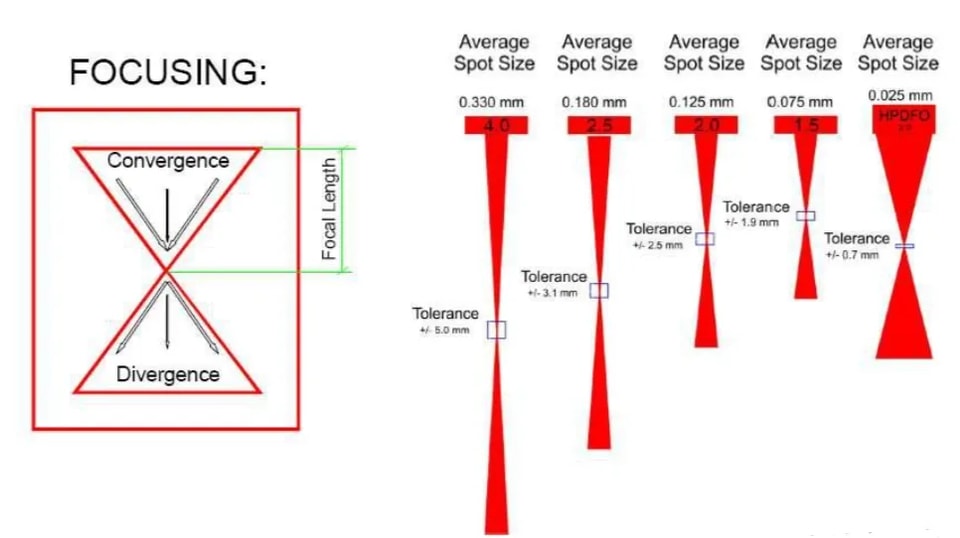
Defocusing: Firstly, the unit energy of the laser beam is not uniform at every position. The energy is most concentrated at the focal point, resulting in the smallest spot size (smaller laser action area, more concentrated energy). Therefore, all parameter adjustments are only meaningful after the focal point is determined. Finding the focal point is therefore crucial and a technically demanding task.
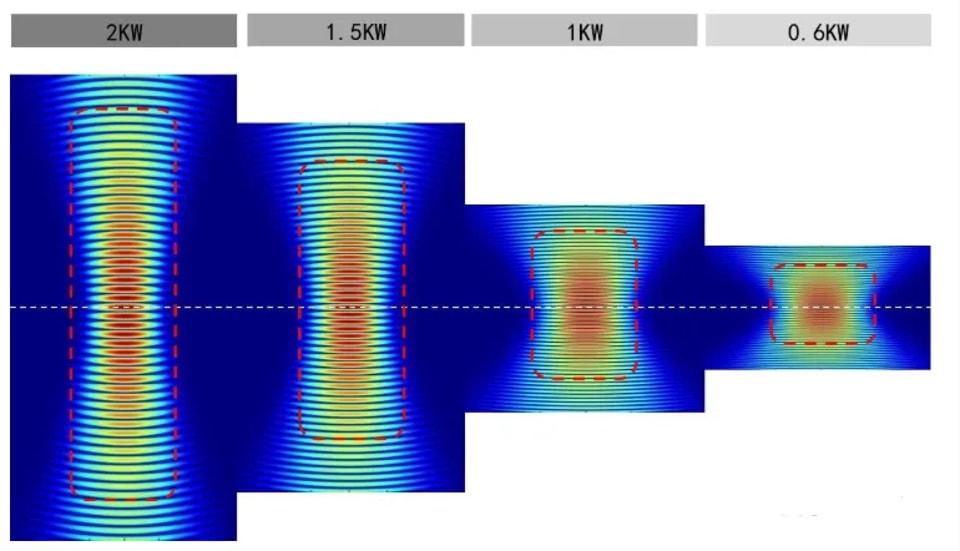
Shielding gas: There are many types of shielding gases. In industrial production lines, nitrogen is usually used to control costs, while argon is the main gas used in laboratories. Helium and other inert gases are also used. Generally, these two are commonly used in special situations. Because laser welding is a high-temperature and violent reaction process, the metal melts and evaporates. Metal is extremely active at high temperatures, and once it encounters oxygen, it will produce a violent reaction, resulting in a large amount of spatter and a rough and uneven weld surface. Therefore, the shielding gas is used to create an oxygen-free environment in a small area (near the molten pool) to prevent violent oxidation reactions that would cause poor welds and a rough outer surface.
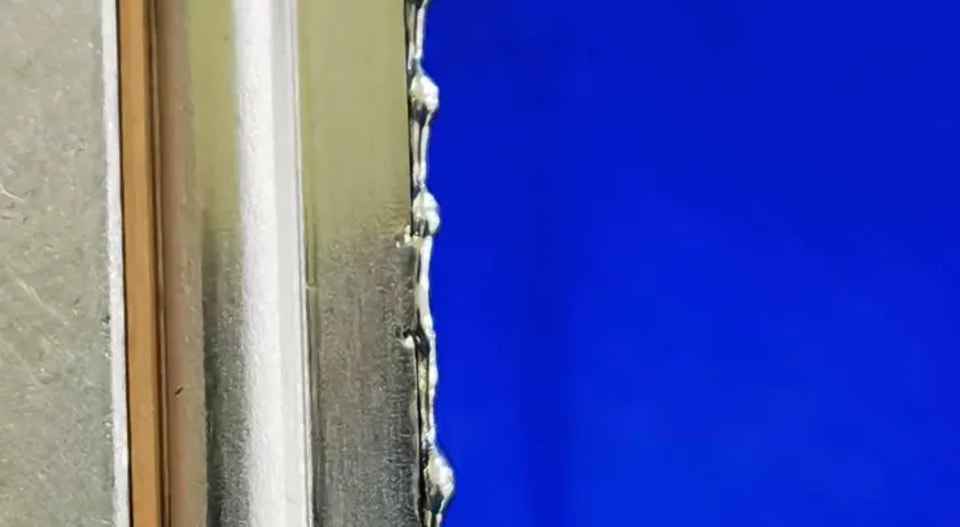
If the protective gas is too large, it will blow the molten pool away; if it is too small, it will not be able to effectively shield the molten pool from oxygen. It needs to be adjusted flexibly according to the on-site working conditions.
Contact Us