


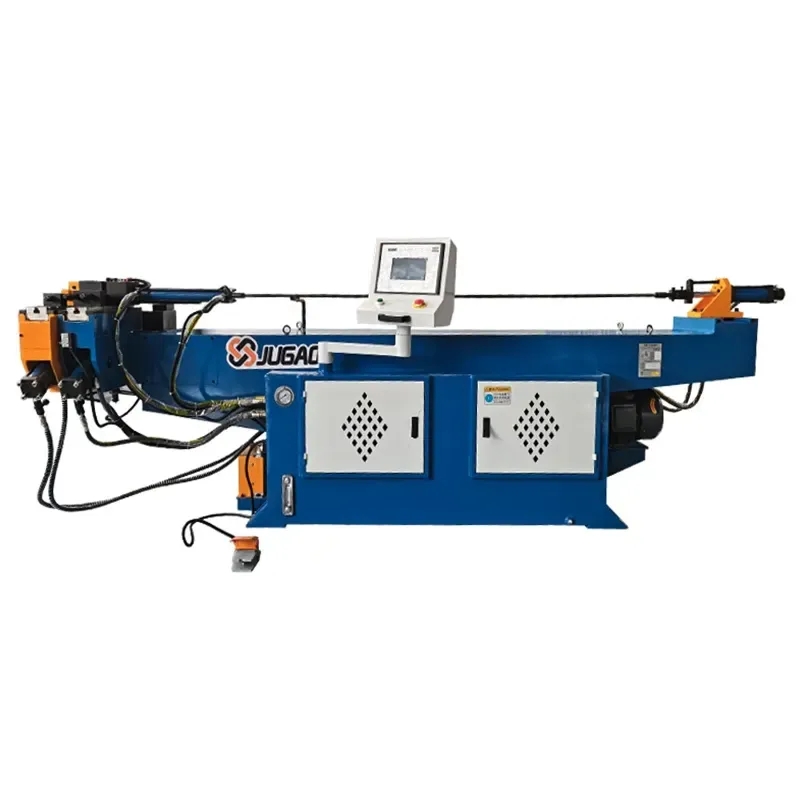
Neglecting pipe damage can lead to sudden shutdowns for pipe bending machines.
2026-05-29

Anyone who has worked with pipe bending machines knows that the worst thing isn't the equipment slowly deteriorating, but rather a sudden "pop" as an oil pipe bursts, spilling oil everywhere and halting production. Problems like ruptured hoses and pinholes in steel pipes actually have warning signs, but many people are too lazy to look for them.
The following tips will only take a few minutes but can help you avoid most downtime caused by pipe damage.
I. Three Things to Check Daily
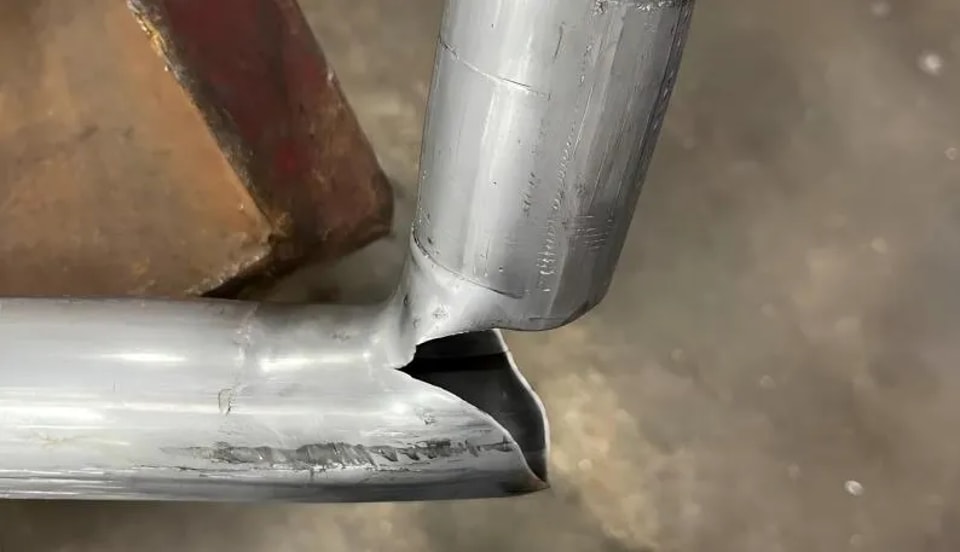
First, before starting the machine each day, take a quick look at the ground. Under the hydraulic station, near the bending arm, and next to the feeding guide rails—are there any fresh oil stains? Even just a few drops indicate a leak. Don't just wipe it up and think it's nothing; follow the oil stains upwards to see if a joint is loose or if there are cracks on the hose surface.
Second, listen to the sound. If the high-pressure hose is internally damaged during operation, it may sometimes emit a high-frequency hissing sound indicating oil leakage. A sudden change in the oil pump's sound to a muffled or intermittent tone could also be due to air leakage in the suction pipe. Don't just focus on the work; use your ears too.
Third, touch the hose (after the machine has stopped). A good hose is elastic and has a smooth surface. If you feel a section of hose that is bulging or as hard as wood, it means the inner braided layer has aged or broken and may burst at any time. Don't wait until it leaks before replacing it; replace it with a new one.
II. Perform a "Pressure Test and Leak Check" Regularly
Static inspection alone is not enough. Each month, set aside time to run the equipment under no-load, pressurize it to the working pressure, and then shut it down to maintain the pressure. At this time, use a flashlight to carefully inspect every joint, every hose, and every weld on the steel pipe. Mark any areas with oil droplets or seepage and address them on the spot that day.
If no surface leak is visible, but the oil level in the tank is consistently and slowly decreasing, it's most likely an internal leak—the cylinder seal is faulty, and oil is leaking into the return pipe. Although this doesn't cause oil spraying, the pressure will slowly drop, and the bend angle of the pipe will decrease day by day.
III. Hoses Have a Lifespan; Don't Wait for them to Burst Before Replacing
Many people think that if a hose isn't leaking, it doesn't need replacing. In reality, hoses are rubber products and will age within three to five years of manufacture, even if they haven't been used. High temperatures in the workshop, oil corrosion, and repeated bending will accelerate this aging. It is recommended to proactively replace a batch of high-pressure hoses in critical areas every two years, such as the oil pump outlet and the oil cylinder inlet/outlet pipes. Paying a small amount for safety is much more cost-effective than shutting down the machine to wait for spare parts.
IV. Properly Secure and Protect Pipelines
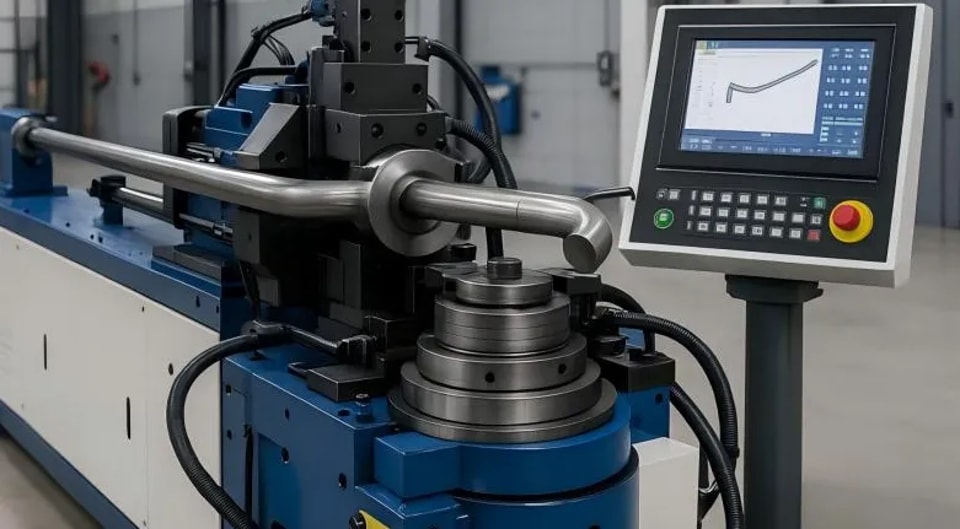
Many hose bursts are due to constant friction between the hose and the equipment frame. Holes through which the hose passes lack protective sleeves, which eventually wear down the outer layer. Alternatively, the hose's bending radius may be too small, resulting in a sharp bend that breaks the internal steel wire layer. When installing new hoses, ensure sufficient bending allowance, install protective sleeves, and secure them with hose clamps to prevent them from swinging around on the equipment.
V. Keep Two Commonly Used Hoses in the Workshop
Which hoses are most prone to failure? The oil pump outlet hose, the hose that moves with the bend arm, and the oil tank return hose. We have these spares of the same specifications readily available. If one bursts, we can replace it within twenty minutes without interrupting production. Don't wait until the pipe bursts in the middle of the night and you can't find the right model at the hardware store; that would be a real problem.
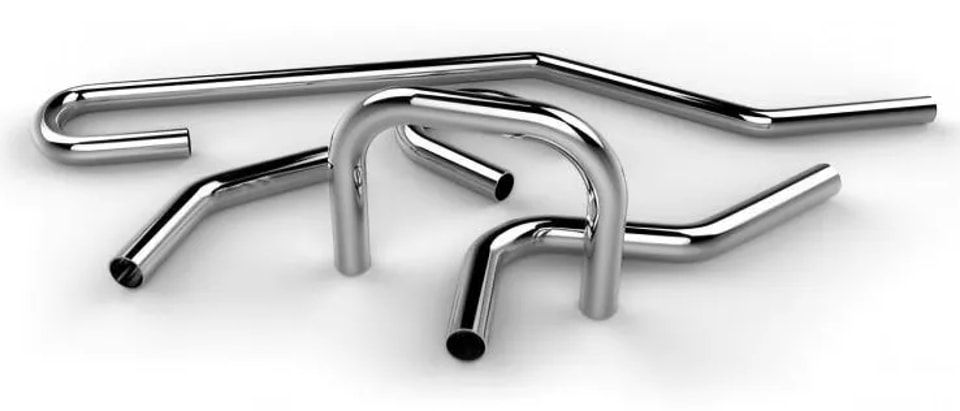
Nine out of ten pipe ruptures have warning signs. By checking the ground daily, inspecting joints monthly, replacing hoses when they reach their lifespan, and keeping common spare parts on hand, you can reduce downtime caused by oil leaks and burst pipes in your pipe bending machine by at least 80%. Don't wait until oil sprays out to regret it; spending ten minutes checking beforehand will ensure a month of worry-free production.
Contact Us