


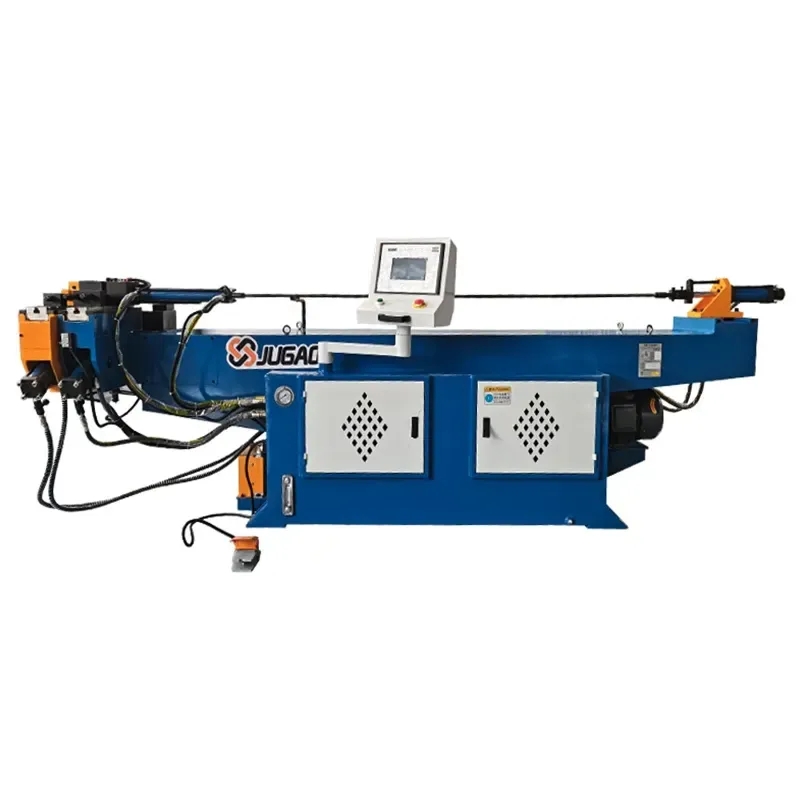
Improper maintenance of pipe bending machine bolts can turn small problems into major malfunctions.
2026-05-29

The bolts on a pipe bending machine may seem insignificant, but even one loose bolt can cause serious problems. I've seen too many equipment malfunctions that ultimately turn out to be caused by a few loose bolts. The following consequences are lessons learned at real cost.
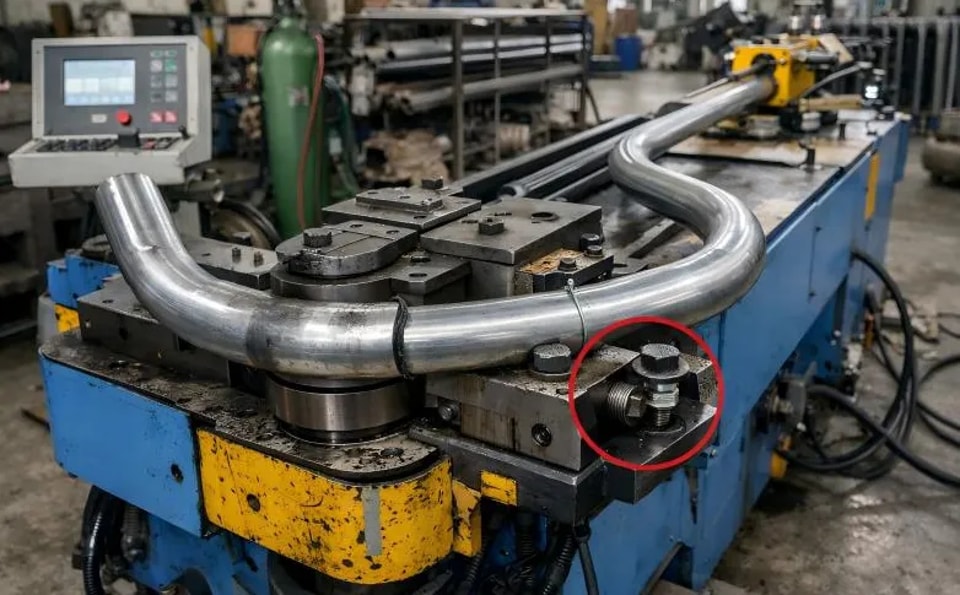
1. Loose Die Fixing Bolts → Angle Misalignment, Pipe Scratches
Bending dies and clamping dies are secured to the machine base with bolts. If these bolts loosen, the die will slightly shift under stress. Your program might be set to 90 degrees, but the actual bend might be 88 or 93 degrees, and the angle will vary for each pipe. More problematic is that the contact surface between the die and the pipe changes after shifting, resulting in scratches or even flattening the pipe. When changing dies, use a torque wrench to tighten the bolts twice diagonally, and then tighten them again after running the machine for half a day.
2. Loose Guide Rail Pressure Plate Bolts → Feeding Vibration and Inaccurate Length
The linear guide rail is fixed to the machine bed by pressure plate bolts. Loose bolts reduce the stability of the guide rail, causing the feeding trolley to vibrate. For pipes with multiple bends, the lengths between bends will vary, leading to misalignment during assembly. Check the guide rail pressure plate bolts monthly with an Allen wrench and tighten any loose ones immediately.
3. Loose Anchor Bolts → Machine Misalignment
The pipe bending machine experiences significant impact during operation. If the anchor bolts are not properly tightened, the machine will slowly shift. You might find the machine is a few centimeters off-center from its installation position and leveled. Without machine stability, how can bending accuracy be guaranteed? During annual overhauls, retighten the anchor bolts with a torque wrench and re-level the machine using a level.
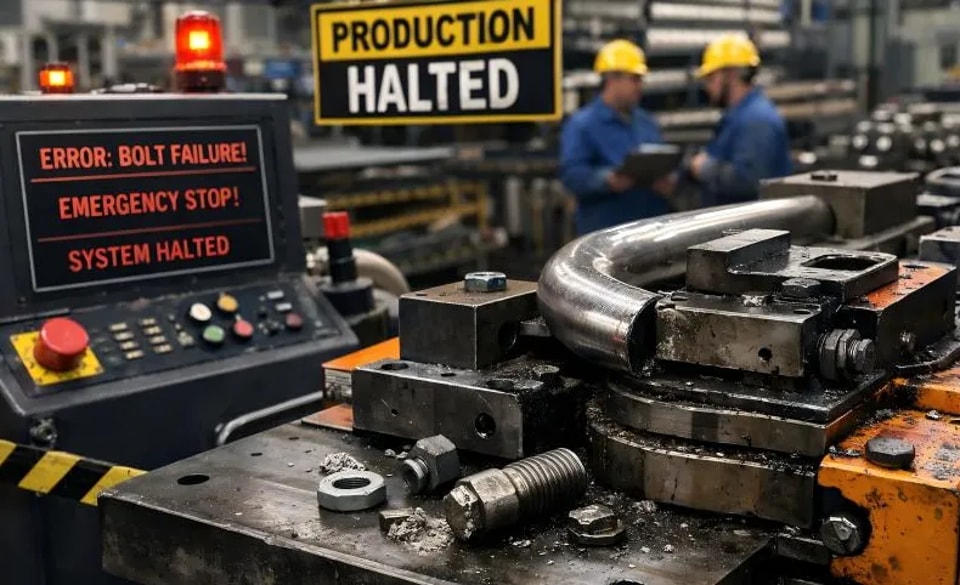
4. Loose bolts on the motor-pump coupling → Excessive noise and insufficient output
If the bolts on the coupling between the motor and the pump are loose, power transmission will be compromised. This manifests as unstable hydraulic system pressure, insufficient flow, weak bends, and excessive springback at angles. More seriously, long-term loosening can lead to keyway wear and even render the coupling unusable. If you hear a "ticking" metallic clanging sound at the motor-pump connection, immediately stop the machine and inspect it.
5. Loose mandrel connecting rod bolt → Mandrel position drift
The mandrel is fixed to the cylinder piston rod by the connecting rod. If this bolt is loose, the mandrel extension will vary each time—sometimes a few millimeters more, sometimes a few millimeters less. Thin-walled tubes bent out will either collapse or have their inner walls scratched. After replacing the mandrel or adjusting the extension, remember to tighten the lock nut firmly, and it's best to add an anti-loosening washer.
6. Loose electrical wiring terminals → Frequent alarms, abnormal operation
Don't think only mechanical bolts are important. Loose wiring terminals in the electrical cabinet will cause intermittent sensor signals, motor phase loss operation, and frequent driver alarms. Loose coupling screws on the angle encoder will cause delayed angle feedback, resulting in completely skewed angles in bent tubes. During annual electrical cabinet maintenance, tighten all wiring terminals with a screwdriver.
7. Loose cylinder fixing bolts → Cylinder displacement, seal damage
The cylinder is fixed to the frame by bolts. If the bolts are loose, the hydraulic cylinder will wobble during operation, causing lateral force on the piston rod. This will quickly wear down the seals, leading to internal leaks, pressure drops, and slower operation. Check the hydraulic cylinder mounting bolts; if any are loose, tighten them immediately. Don't wait until oil leaks occur before addressing the issue.
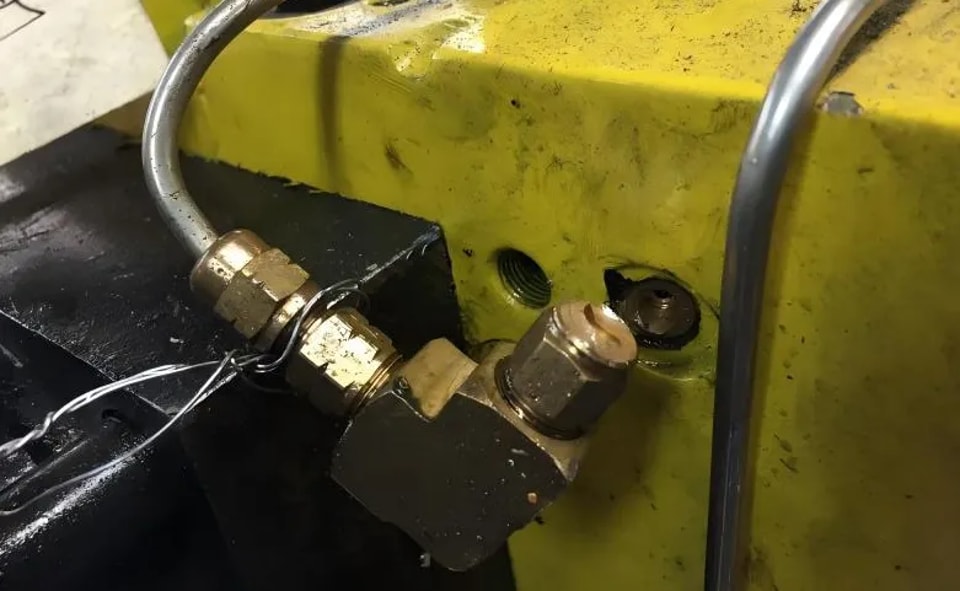
Bolts may be small, but they are of paramount importance. Hundreds of bolts on a pipe bending machine are crucial to precision and safety. They don't need to be tightened daily, but monthly inspections and thorough tightening during major overhauls are invaluable habits. Don't wait until the angle is off, the machine vibrates, or oil leaks before you start paying attention—by then it's too late.
Contact Us