


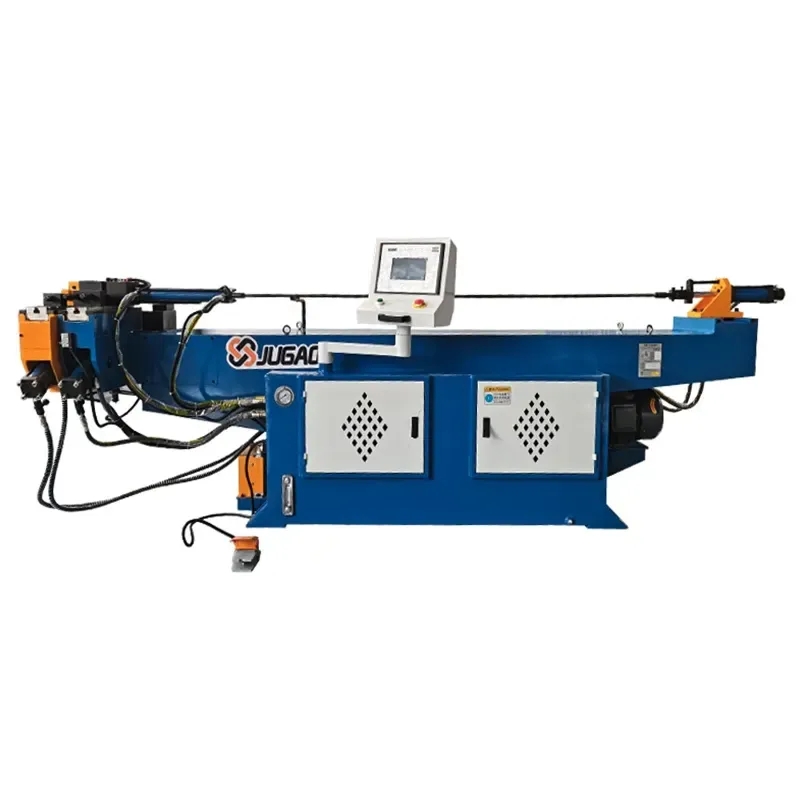
Is your pipe bending machine vibrating abnormally? Don't try to tough it out; check these areas first.
2026-05-28

If your pipe bending machine shakes, you can't work. The pipe surface develops a fish-scale pattern, the angle fluctuates wildly, and the guide rails and bearings wear out faster. I've seen many people adjust the speed and parameters when they encounter vibration, but after a lot of trouble, it's useless. The problem often lies in the following areas.
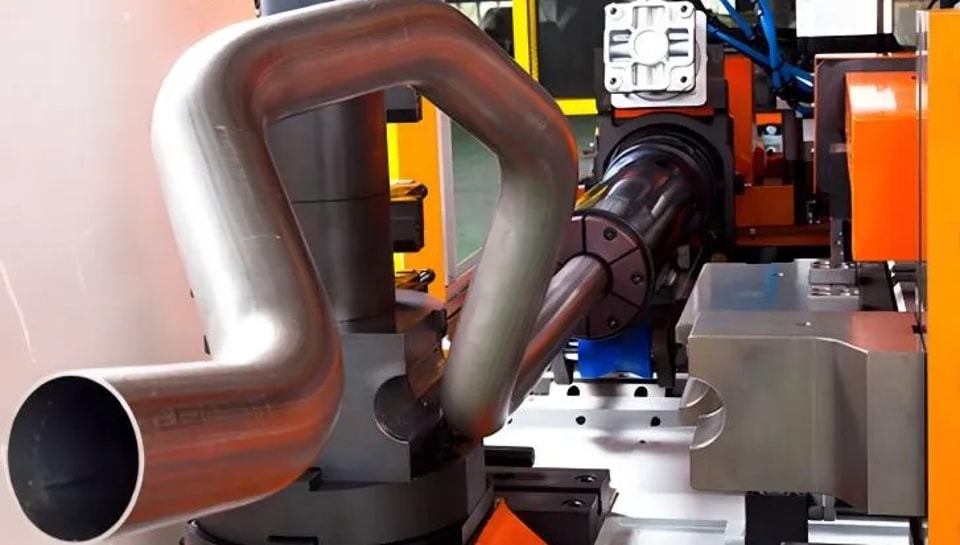
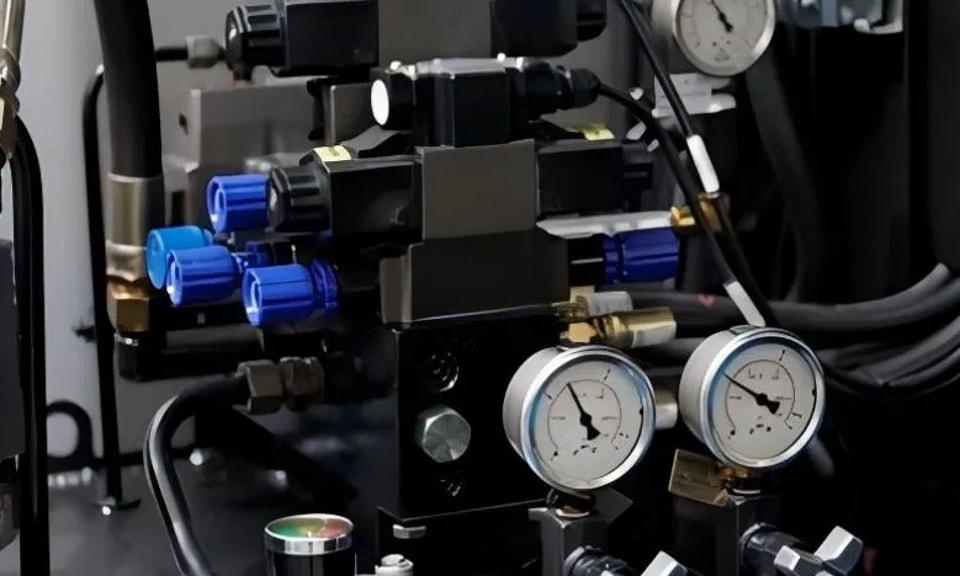
1. Air in the hydraulic system
This is the most common cause of vibration. If the oil level is too low or the suction pipe joint is loose, the pump will suck in air, causing the pressure gauge to swing back and forth and the bending arm to vibrate. How to determine this? Listen for a hissing sound from the pump sucking in air, and check for foam in the oil level window. Solution: Fill the oil tank to the mark, open the vent valve on top of the cylinder, and repeatedly increase and decrease the pressure several times to purge the air. Also, check if the suction pipe joint is loose.
2. The gap between the anti-wrinkle die and the bending die is not adjusted correctly.
If the gap is too large, the inside of the pipe will "clunk" when bending, causing vibration. Try inserting an A4 sheet of paper; if it can be inserted but with some resistance, it's about right. The gap should just fit the pipe and slide smoothly without jamming; that's the correct state.
3. Bending speed is too fast.
If the speed is set too high, the material deformation cannot keep up, and the bending arm will jerk like a brake. Try reducing the bending speed to 30%-50% of the rated value. If the vibration disappears, then that's the problem. Especially for small-radius pipe bends, slower is better than faster.
4. Loose Mechanical Connections
Pipe bending machines vibrate daily, so bolts will eventually loosen. Loosening the locking nuts on the bending arm spindle, the key connections between gears and shafts, and the lead screw coupling can create gaps, causing vibration due to repeated impacts. After stopping the machine, use a wrench to check all fasteners, especially the encoder coupling—a loose one will cause the angle to shift.
5. Anchor bolts not tightened or machine not level
The equipment itself is wobbling, so the bending arm will naturally vibrate. Use a level to check if the machine body is level. Tighten the anchor bolts with a torque wrench; adding rubber damping pads underneath will improve the effect. If the ground is uneven, make sure to use shims firmly.
6. Mandrel and pipe inner wall are rubbing against each other.
If the mandrel ball joint is stuck or extends too far, it will be pressing against the inner wall of the pipe, causing periodic frictional vibration during bending. Check if the mandrel joint can rotate freely, adjust the extension back to 0.5-1.5mm before the tangent point, and apply more bending lubricant to the mandrel.
7. Vibration of the oil pump or motor itself
Severe wear of the oil pump or a broken motor bearing can also cause the whole machine to vibrate. Turn on the oil pump separately (without bending the pipe) and listen. If the pump itself makes a "clunking" metallic sound or the motor makes an abnormal "humming" sound, then the source is in the power unit.
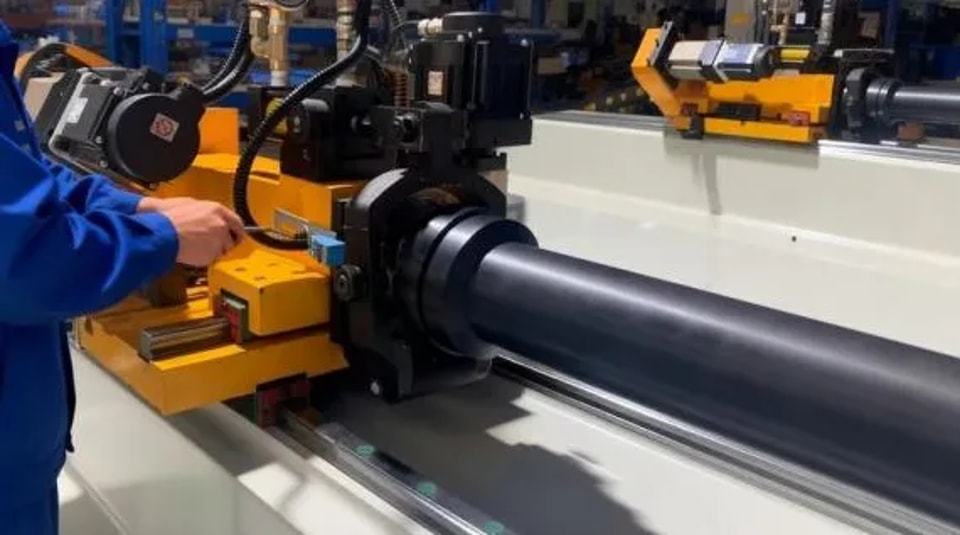
Recommended troubleshooting order:
Don't start disassembling right away. First, try reducing the speed (to rule out speed issues) → then vent and adjust the pressure (to rule out hydraulic air intake) → then tighten the bolts (to rule out mechanical loosening) → finally adjust the mold and mandrel (to rule out manufacturing issues). Proceed step by step; this will help you find the cause of most vibrations.
Vibration is the equipment crying out in pain. If left unaddressed, gears, bearings, and guide rails will all suffer. Spend half an hour today figuring it out; save money on replacing major parts tomorrow.
Contact Us