
How Laser Cutters Are Applied in Plastic Processing
2026-05-29

Table of Contents
• Advantages of Laser Cutters in Plastic Processing
○ High-precision Cutting for Plastic Parts
○ Flawless and Smooth Edge Surface
○ Improved Operational Efficiency and Output Capacity
• Common Plastic Materials Fit for Laser Cutting
○ Laser Cutting & Engraving for Acrylic (PMMA)
○ Precision Cutting of Polycarbonate Materials
○ Laser Processing for ABS Plastics
• Standard Operation Procedures for Plastic Laser Cutting
○ Step 1: Set Reasonable Laser Processing Parameters
○ Step 2: Preprocess Raw Plastic Materials
○ Step 3: Run Formal Laser Cutting Procedures
○ Step 4: Conduct Post-treatment and Quality Check
• Frequently Asked Questions
○ What is the applicable thickness range of plastics for laser cutting?
○ Which plastic materials are not fit for laser cutting?
○ Practical ways to reduce thermal deformation in laser cutting
• Summary
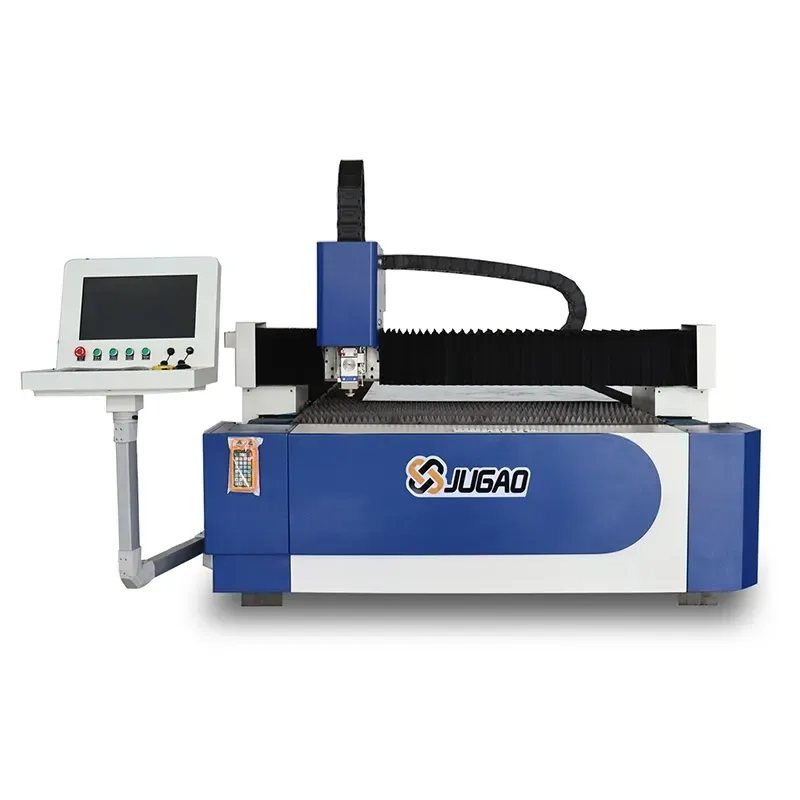
If you are searching for an efficient solution to cut and customize plastic products with high accuracy, laser cutters stand out as the perfect option for plastic processing. This article elaborates on the core applications and unique strengths of laser cutters in plastic manufacturing, helping manufacturers boost product quality and simplify the whole production workflow.
Advantages of Laser Cutters in Plastic Processing
High-precision Cutting for Plastic Parts
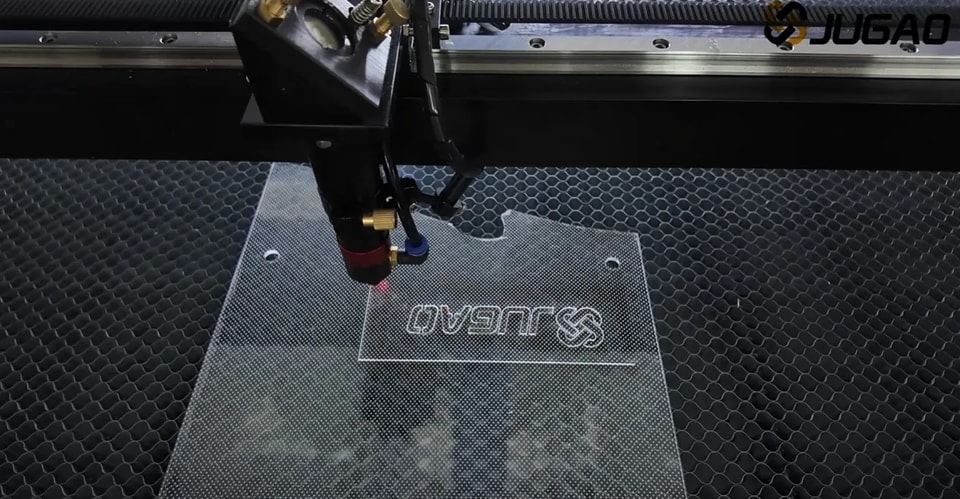
Laser cutting equipment can carve out intricate and delicate patterns on diverse plastic materials with ultra-high accuracy. The outstanding precision greatly cuts down raw material loss, thus saving production costs and resource consumption. Especially for production scenarios with strict dimensional tolerance standards, laser cutting delivers stable processing effects and excellent repeatability that traditional methods cannot match.
Flawless and Smooth Edge Surface
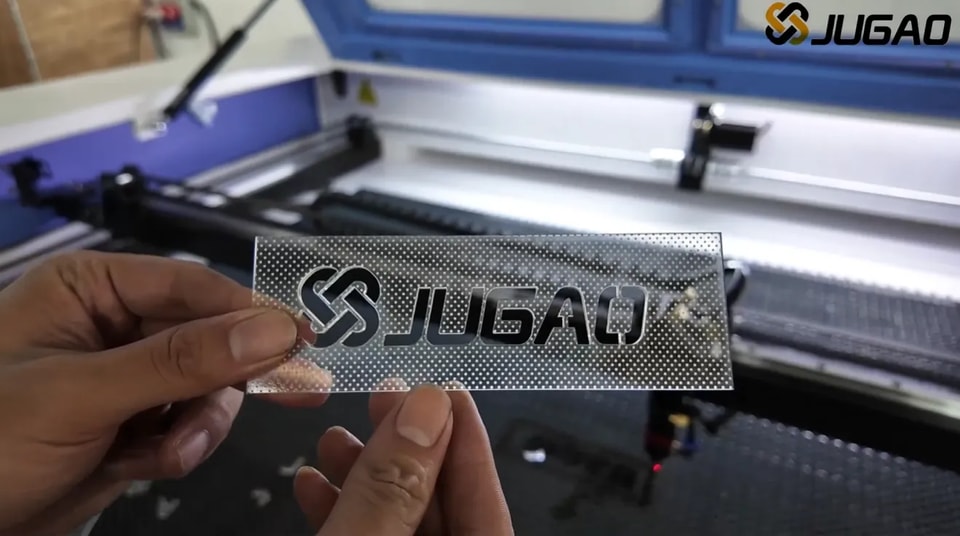
A prominent merit of adopting laser technology in plastic processing lies in its superior edge forming effect. Different from mechanical cutting tools, laser beams can instantly melt and gasify plastic raw materials. This processing mode effectively avoids edge burrs, rough surfaces and fraying problems. The finished plastic workpieces can be directly assembled or subjected to secondary processing without extra polishing and trimming procedures.
Improved Operational Efficiency and Output Capacity
From practical production experience, laser cutters are equipped with high-speed processing performance, which can remarkably raise overall production efficiency. The automated laser cutting system lowers reliance on manual operation, allowing workers to arrange and manage multiple production tasks at the same time. It effectively lifts factory output and has become indispensable processing equipment in industrial plastic manufacturing.
Common Plastic Materials Fit for Laser Cutting
Laser Cutting & Engraving for Acrylic (PMMA)
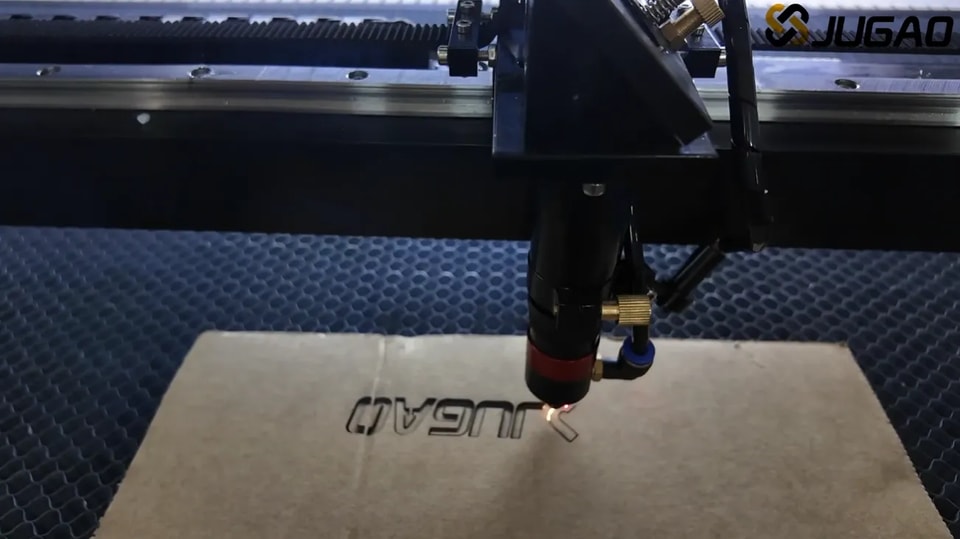
Thanks to good light transmittance and durable service life, acrylic materials are widely made into advertising signs, display racks and decorative ornaments. Laser cutters can process acrylic boards into various complex shapes and conduct fine engraving work with precise control, producing high-standard finished products applicable to both visual decoration and practical use.
Precision Cutting of Polycarbonate Materials
Polycarbonate features outstanding structural strength and impact resistance, and is commonly applied in safety isolation baffles, auto spare parts and medical apparatus. Laser cutting technology can shape polycarbonate workpieces accurately while retaining its original clarity and structural integrity, without causing cracking, bending or deformation during processing.
Laser Processing for ABS Plastics
ABS plastics are favored by the manufacturing industry for their good toughness and wide applicability, often used in prototype development, electronic equipment shells and auto accessories production. Laser cutters support fast and precise cutting of ABS materials, greatly shortening the cycle of prototype trial production and mass manufacturing.
Standard Operation Procedures for Plastic Laser Cutting
Step 1: Set Reasonable Laser Processing Parameters
Operators need to configure matched laser parameters according to the plastic category, board thickness and required edge finish quality. Regulating laser power, cutting speed and focal position is critical to guarantee ideal cutting results, and it can prevent common defects such as over-melting of materials or incomplete cutting lines.
Step 2: Preprocess Raw Plastic Materials
Before formal processing, operators should clean the surface of plastic boards thoroughly and tear off surface protective films. Meanwhile, fix the materials firmly on the cutting workbench to avoid displacement. Standard material preparation can prevent surface contamination and ensure consistent and accurate cutting effects for all workpieces.
Step 3: Run Formal Laser Cutting Procedures
After finishing material layout and parameter setting, start the preset laser cutting program. Modern laser cutting devices adopt a high degree of automation and require little manual intervention during operation. Even so, real-time observation of the processing process is still needed to timely handle unexpected abnormal situations.
Step 4: Conduct Post-treatment and Quality Check
Once the cutting process is completed, inspect the finished plastic parts in terms of dimensional accuracy, edge smoothness and overall processing consistency. According to actual application demands, simple post-processing such as surface cleaning and slight polishing can be carried out to reach the required finished standard.
Frequently Asked Questions
What is the applicable thickness range of plastics for laser cutting?
Matching with different laser power configurations, laser cutters can process ultra-thin plastic films (below 0.5mm) and thick plastic boards with a thickness up to 20-25mm. The specific processable thickness varies according to plastic material properties and equipment power.
Which plastic materials are not fit for laser cutting?
Certain types of plastics are not suitable for laser cutting, typically chlorine-containing materials represented by PVC. Such materials will release toxic and harmful gas under laser irradiation, and meanwhile cause corrosion and damage to processing equipment. It is necessary to confirm the material adaptability before formal laser processing.
Practical ways to reduce thermal deformation in laser cutting
To minimize thermal deformation of plastics during laser cutting, manufacturers can optimize laser power and cutting speed parameters, and adopt professional auxiliary supporting fixtures. Reasonable parameter matching and structural support can effectively reduce the heat-affected zone and lower material deformation caused by high temperature.
Summary
Laser cutters play a vital role in modern plastic manufacturing, enabling high-precision, high-efficiency and high-quality plastic processing production. By selecting applicable plastic raw materials scientifically, optimizing laser process parameters and following standardized operating steps, enterprises can effectively improve production efficiency and upgrade product quality. If you need professional customized solutions and targeted technical suggestions for your plastic processing projects, you can always get in touch with our team at JUGAO — we are committed to supporting your production and development all the way.
Contact Us