
How to Determine if a Hydraulic System is Malfunctioning
2026-05-27

First, listen to the hydraulic pump and system for excessive noise. Check for squealing sounds from pressure control components such as relief valves and sequence valves. Also listen for impact sounds, specifically whether the impact is excessive when the hydraulic cylinders on the worktable reverse, whether the piston hits the cylinder bottom, and whether the directional valve hits the end cover during reversal.
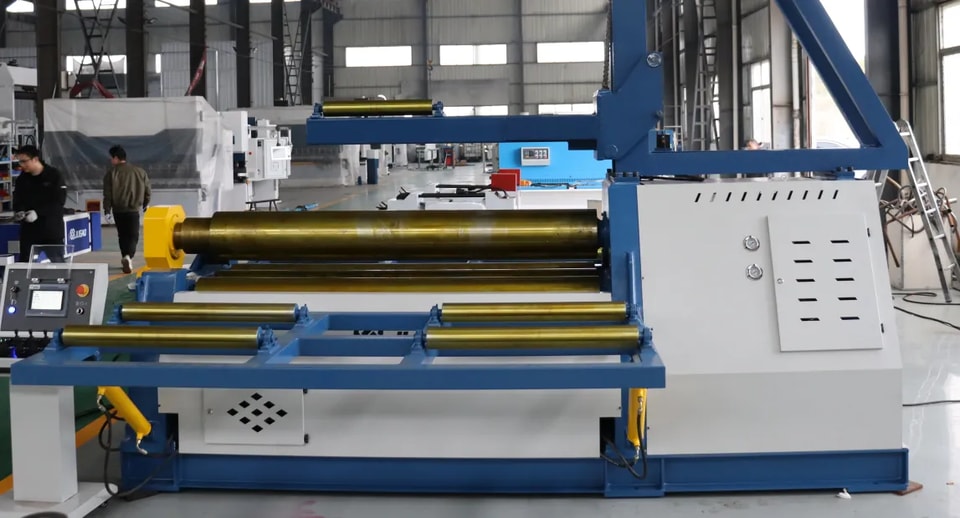
Second, touch the moving parts of the mold to understand its working condition.
1. Feel for vibration: Feel the vibration of moving parts and pipelines. If high-frequency vibration is present, investigate the cause.
2. Feel for creep: When the worktable moves at low speed under light load, feel for any creeping.
3. Feel for tightness: Feel the tightness of stops, microswitches, and fastening screws.
Different people will have different perceptions, and there will be variations. However, with repeated practice, the problem will eventually be solved. This method is mainly for experienced technicians.
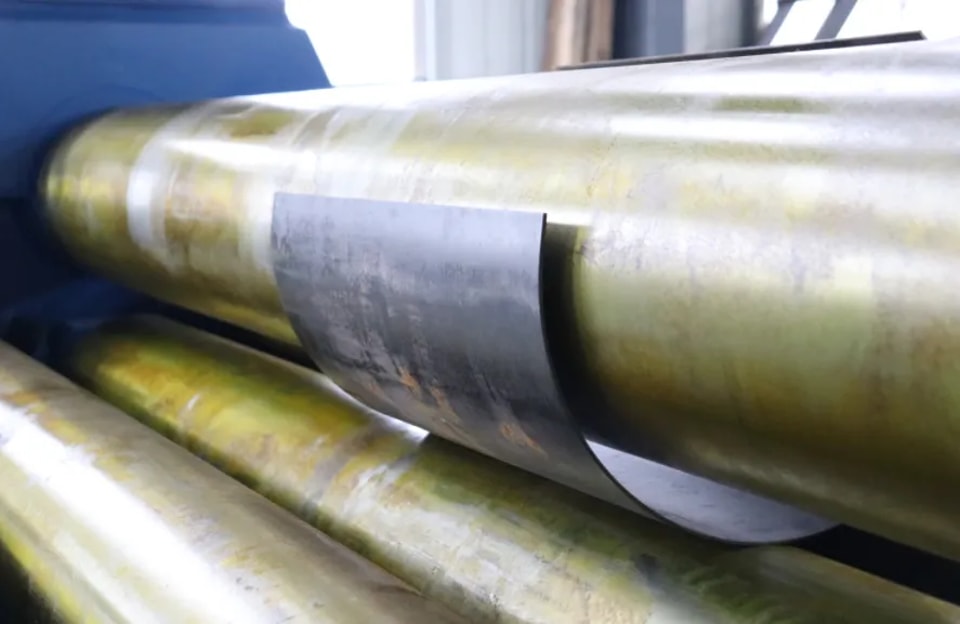
How to Prevent Hydraulic Press Failures
1. Control Hydraulic Oil Contamination: Strengthen equipment maintenance and regularly test the hydraulic oil. Before changing the oil, thoroughly clean the hydraulic system. Many deep-hole boring hydraulic systems have never had their oil changed between major overhauls, which is often a potential safety hazard.
2. Control Overheating and Hydraulic Shock: During overhauls, severe aging of seals in the deep-hole boring section was found, mainly due to system overheating. The hydraulic oil temperature rises. After clamping the cylinder, stop the directional valve in the middle position and stop the pump station. This saves electricity and allows the oil temperature in the pump station to cool rapidly to normal.
Due to pump shutdowns, workpiece changes, etc., the system is subjected to numerous shocks. Correct system operation is crucial. Do not immediately reverse the directional valve direction when a clamping system malfunctions without investigating the cause. This will only cause the system to oscillate and then stop. This is because the hydraulic press shocks prevent the relief valve from responding in time, causing the system to impact. Repeated shocks, due to high pressure and system heat, damage the seals, increasing leakage and resulting in incomplete clamping. The correct method is to run the pump station idle several times before clamping the hydraulic cylinder, observe the system for any abnormalities, and if there are no abnormalities, then slowly operate the directional valve to begin clamping. This will greatly extend the system's lifespan.
Contact Us