
Advantages and Disadvantages of Press Brakes in Metal Fabrication
2025-08-25

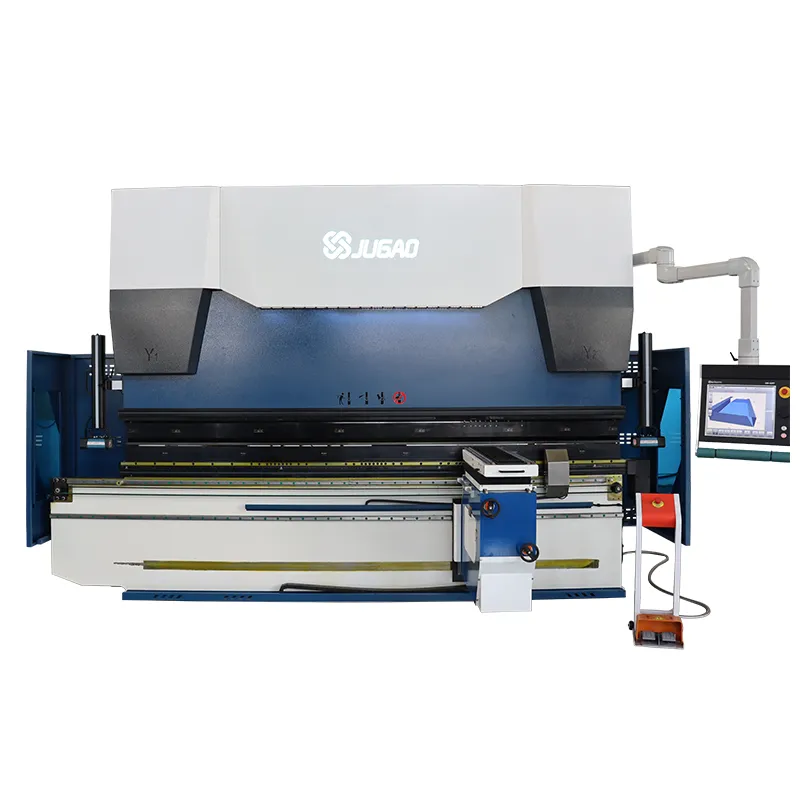
Press brakes are essential machines in sheet metal fabrication, used to bend and form metal sheets into precise angles and shapes. They are widely employed in industries such as automotive, aerospace, construction, and electronics manufacturing. This document provides a detailed examination of the advantages and disadvantages of press brakes, covering mechanical, hydraulic, electric, and CNC-controlled variants.
Types of Press Brakes
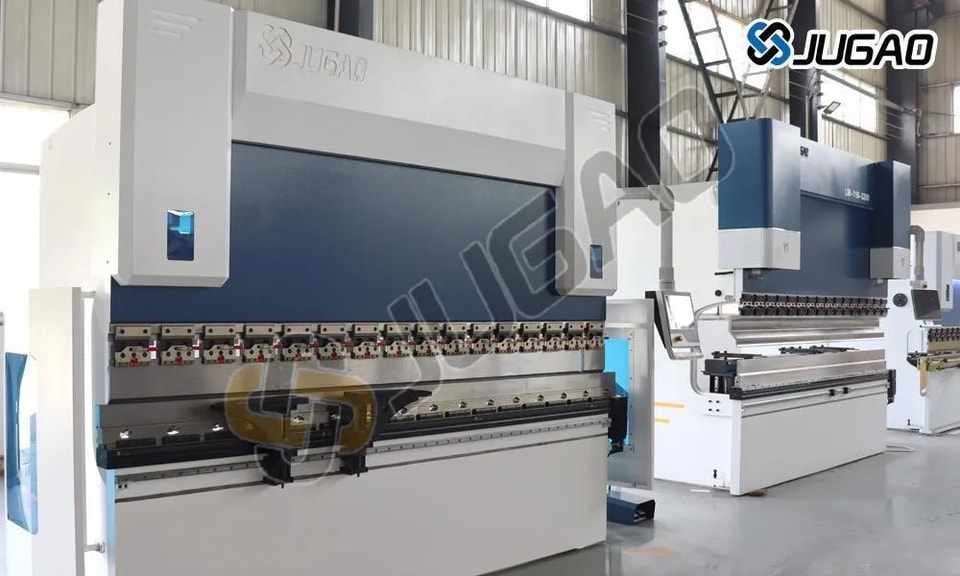
Before analyzing their pros and cons, it’s important to distinguish between the main types of press brakes:
1. Mechanical Press Brakes – Older technology, using a flywheel and clutch mechanism.
2. Hydraulic Press Brakes – Most common, using hydraulic cylinders for force application.
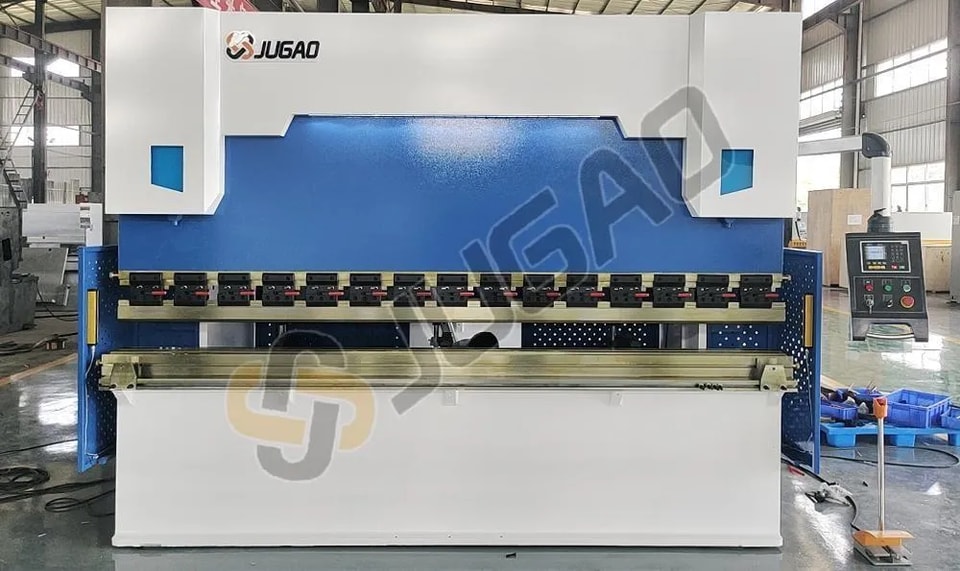
3. Electric (Servo-Electric) Press Brakes – Energy-efficient, using servo motors for precision.
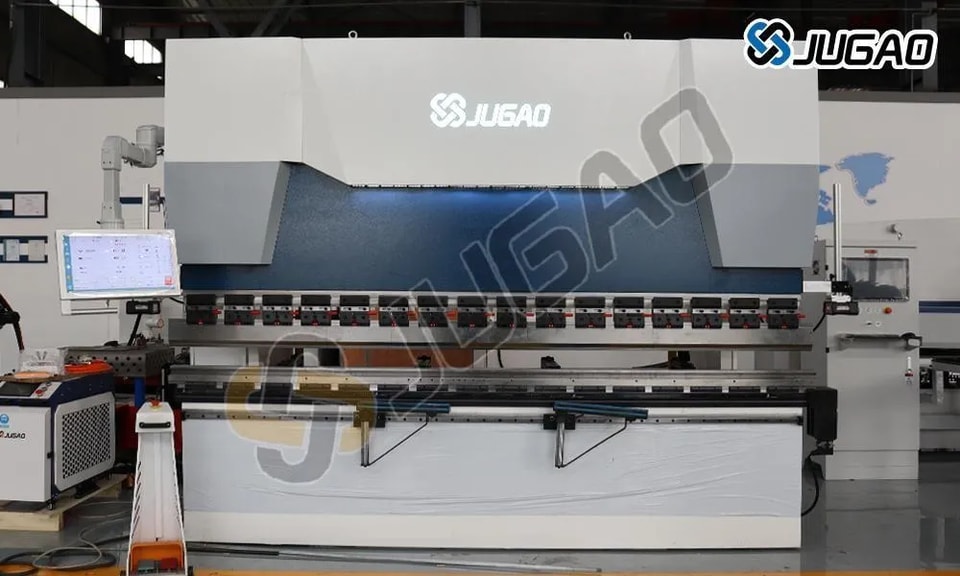
4. CNC Press Brakes – Computer-controlled for high accuracy and repeatability.
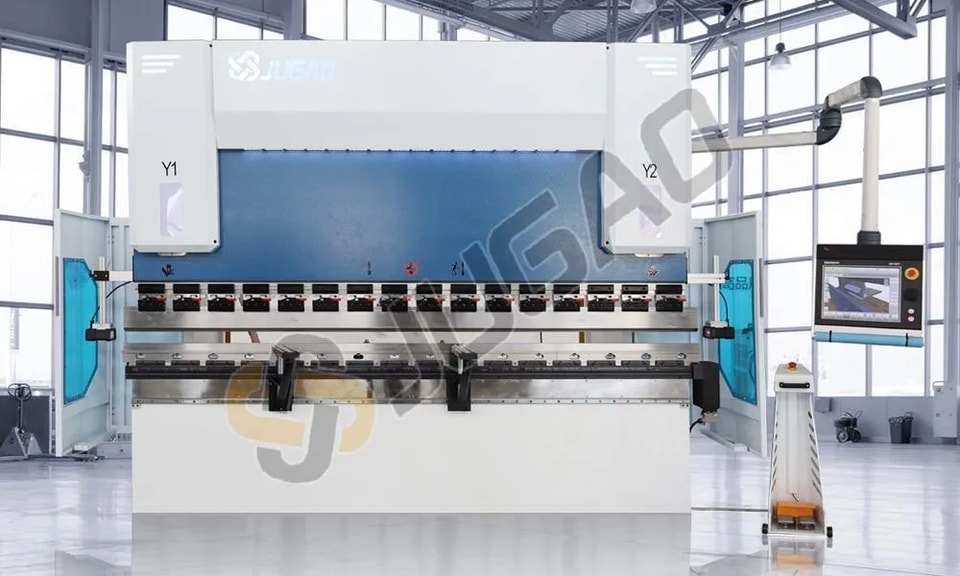
Each type has distinct benefits and limitations, which are explored below.
Advantages of Press Brakes
1. High Precision and Accuracy
l CNC press brakes offer micron-level repeatability (±0.01mm).
l Back gauge systems ensure consistent bend positioning.
l Angle compensation features adjust for springback automatically.
2. Versatility in Metal Forming
l Can bend various materials (steel, aluminum, copper, stainless steel).
l Supports multiple bending techniques (air bending, bottom bending, coining).
l Tool interchangeability allows for different bend radii and profiles.
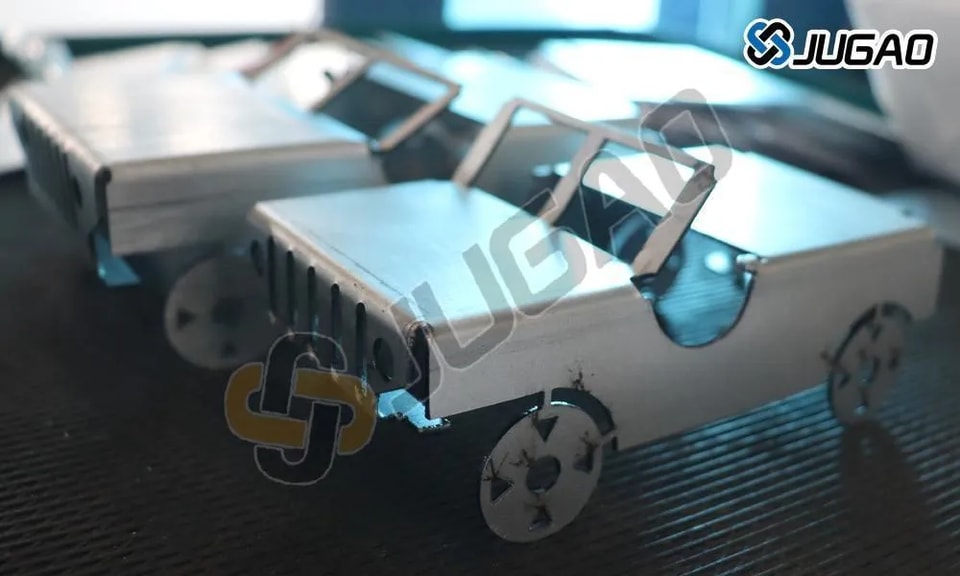
3. Automation and Efficiency
l CNC models reduce setup time with automated tool and program recall.
l Servo-electric brakes consume less energy than hydraulic systems.
l High-speed bending (up to 100 strokes per minute in electric models).
4. Safety Features
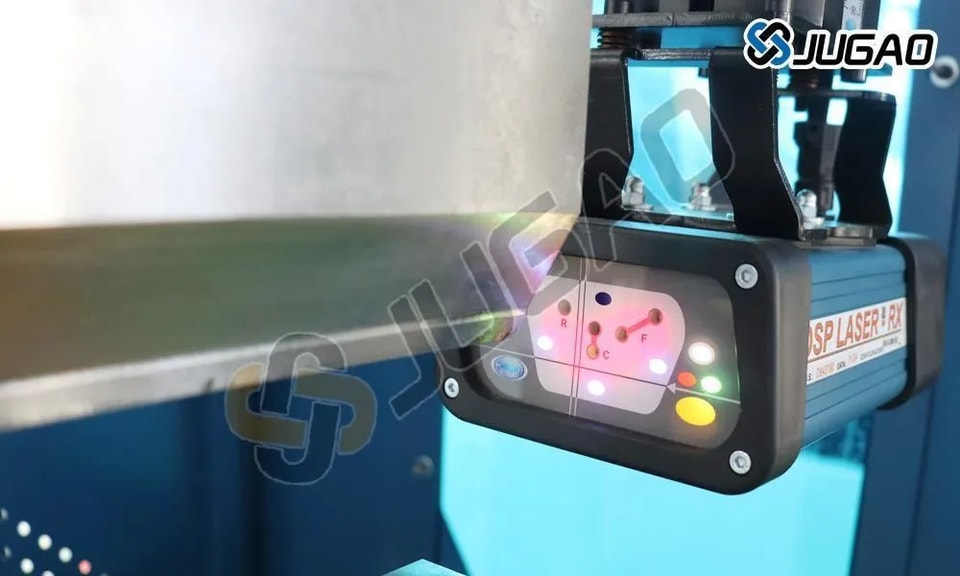
l Light curtains and laser guards prevent operator injuries.
l Overload protection avoids machine damage from excessive force.
l Emergency stop (E-stop) systems comply with ISO 13850 safety standards.
5. Cost-Effectiveness in Mass Production
l Reduces labor costs through automation.
l Minimizes material waste with precise bending.
l Long tool life with proper maintenance.
Disadvantages of Press Brakes
1. High Initial Investment
l CNC hydraulic press brakes can cost $50,000–$500,000+.
l Electric models are more expensive than hydraulic ones.
l Tooling costs add up for complex shapes.
2. Maintenance Requirements
l Hydraulic systems need regular oil changes and leak checks.
l Mechanical brakes require clutch and flywheel maintenance.
l CNC systems may need software updates and calibration.
3. Skill-Dependent Operation
l Manual press brakes require skilled operators for precise bends.
l CNC programming demands technical expertise.
l Incorrect setup leads to defective parts and machine wear.
4. Limitations in Material Thickness
l Standard press brakes struggle with very thick metals (e.g., >20mm steel).
l Heavy-duty models are required for high-tonnage bending, increasing costs.
5. Noise and Vibration
l Mechanical press brakes generate high noise levels (85+ dB).
l Hydraulic systems produce vibrations, requiring stable flooring.
Comparative Analysis of Press Brake Types
Feature | Mechanical | Hydraulic | Electric | CNC |
Precision | Low-Medium | Medium-High | High | Very High |
Speed | Fast | Medium | Very Fast | Adjustable |
Energy Efficiency | Low | Medium | High | High |
Maintenance | High | Medium | Low | Medium |
Cost | Low-Medium | Medium-High | High | Very High |
Conclusion
Press brakes are indispensable in modern metalworking, offering high precision, versatility, and automation. However, their high cost, maintenance needs, and operational skill requirements must be considered when selecting a machine.
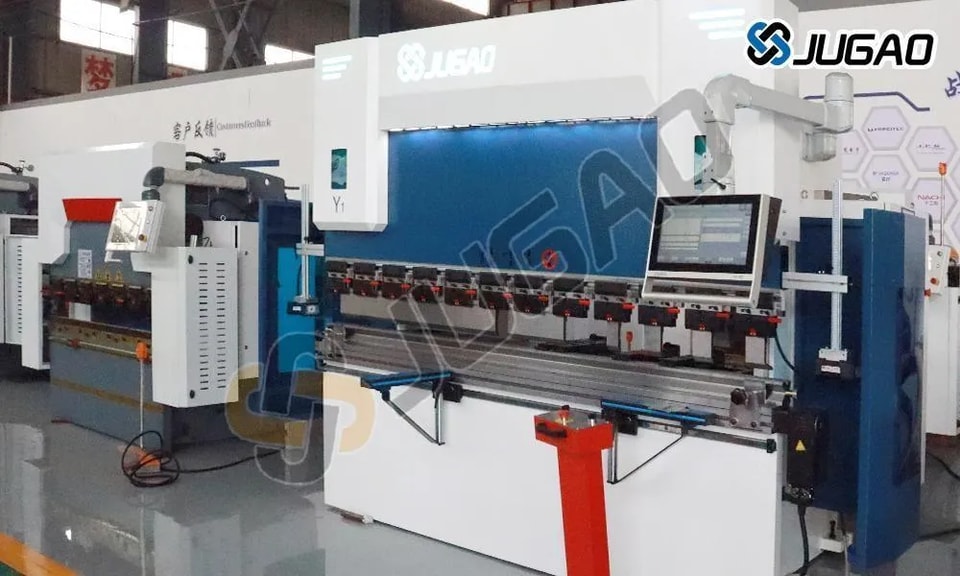
Recommendations for Selection:
✔ For high-volume production → CNC hydraulic or electric press brakes
✔ For budget-conscious workshops → Manual hydraulic press brakes
✔ For energy efficiency → Servo-electric press brakes
By understanding these advantages and disadvantages, manufacturers can choose the best press brake for their specific needs while optimizing productivity and safety.
Would you like additional details on specific models or industry applications? Please consult JUGAO CNC MACHINE!
Contact Us