
Understanding the Features of Plate Rolling Machines
2026-07-21

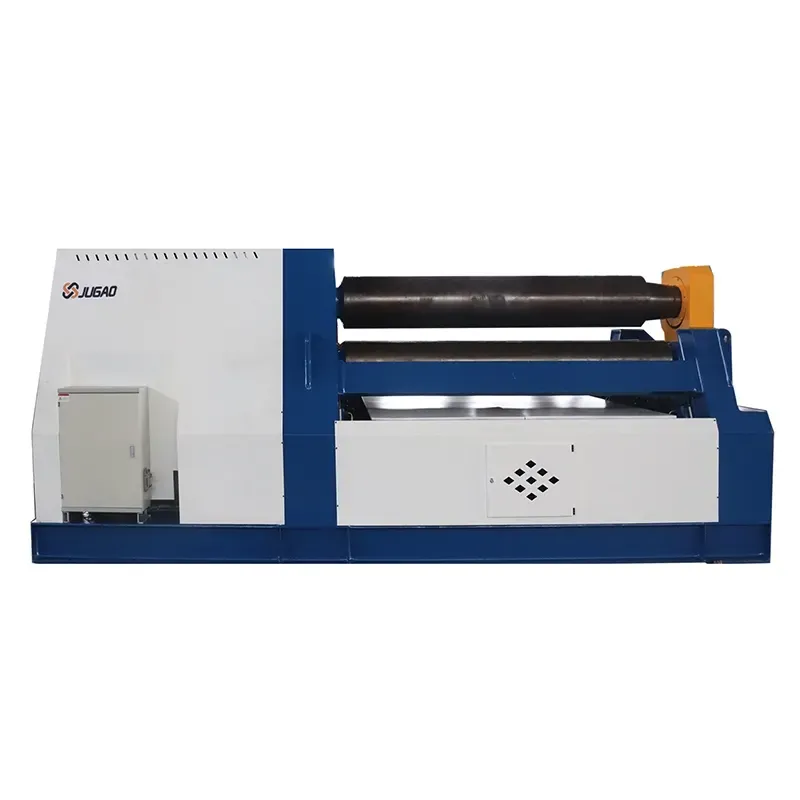
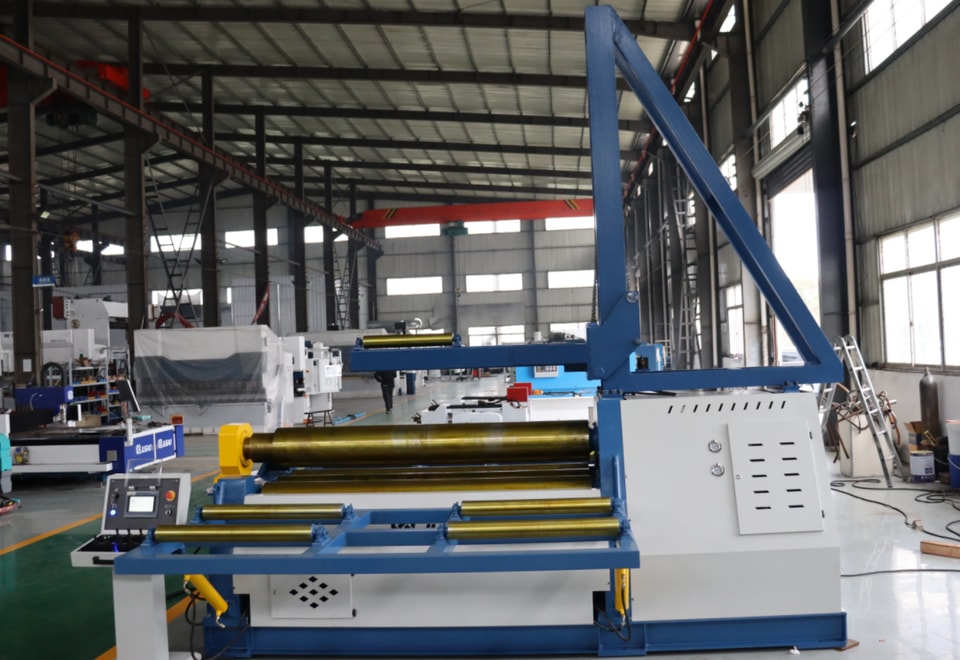
A plate rolling machine is a device used to roll metal sheets into cylindrical, arc-shaped, or conical workpieces. It has the following characteristics during use:
I. Processing Accuracy
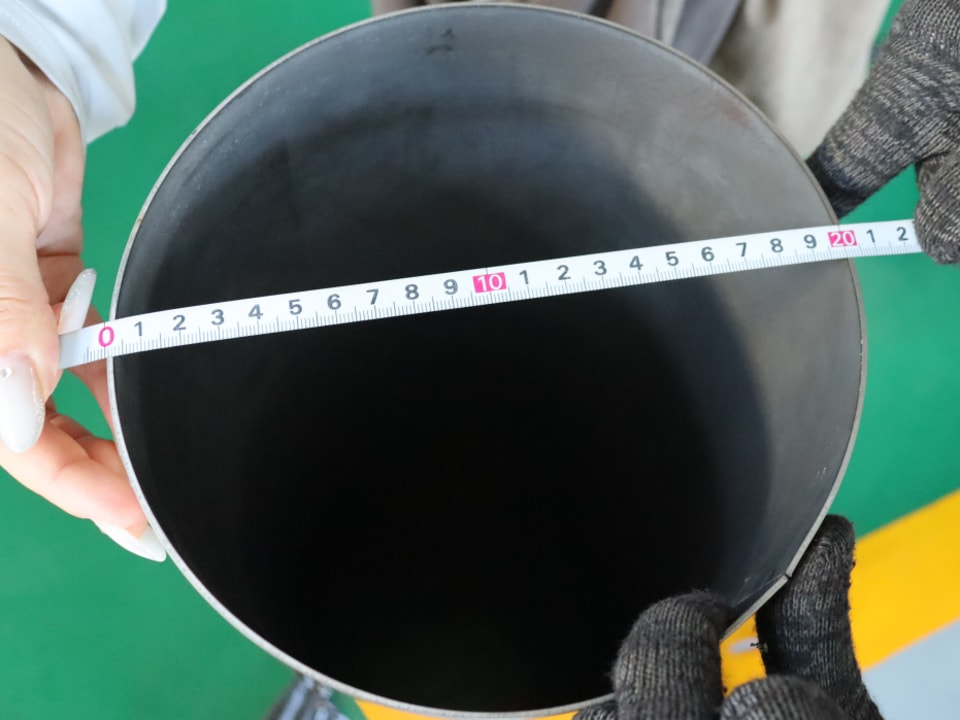
High-Precision Forming: Modern plate rolling machines are equipped with advanced CNC systems, capable of precisely controlling the position and movement trajectory of the upper and lower rollers. For example, when manufacturing pressure vessel cylinders with extremely high dimensional accuracy requirements, CNC plate rolling machines can control the rolling radius error of the sheet metal within a very small range, generally within ±1mm. This helps ensure the smooth progress of subsequent welding processes, making the final product quality more stable and reliable.
Good Repeatability: The advantages of plate rolling machines are even more apparent when mass-producing rolled workpieces of the same specifications. As long as the parameters are set correctly and within a reasonable wear range, it can accurately repeat previous rolling operations. For example, in the construction industry, in the mass production of arc-shaped steel structural components, plate rolling machines can ensure that the curvature of each workpiece is basically consistent, reducing installation difficulties caused by dimensional differences.
II. Operational Performance
Easy Operation: Many plate rolling machines adopt a user-friendly design philosophy. For example, some manual plate rolling machines have ergonomically designed operating handles, allowing operators to easily control the roller raising and lowering by rotating the handle. CNC plate rolling machines are typically equipped with an intuitive operating interface; operators only need to input parameters such as the plate thickness and rolling radius on the control panel, and the machine can automatically complete the corresponding rolling action, greatly reducing operational difficulty.
Optional Automation: The level of automation of plate rolling machines varies depending on the user's needs and budget. Basic plate rolling machines allow for manual control of each work step, while high-end plate rolling machines can achieve automated production processes. For example, from automatic plate feeding and centering to automatic adjustment of roller gap and rolling speed during the rolling process, and then to automatic unloading of finished products, the entire process requires minimal manual intervention, improving production efficiency and reducing quality problems caused by human factors.
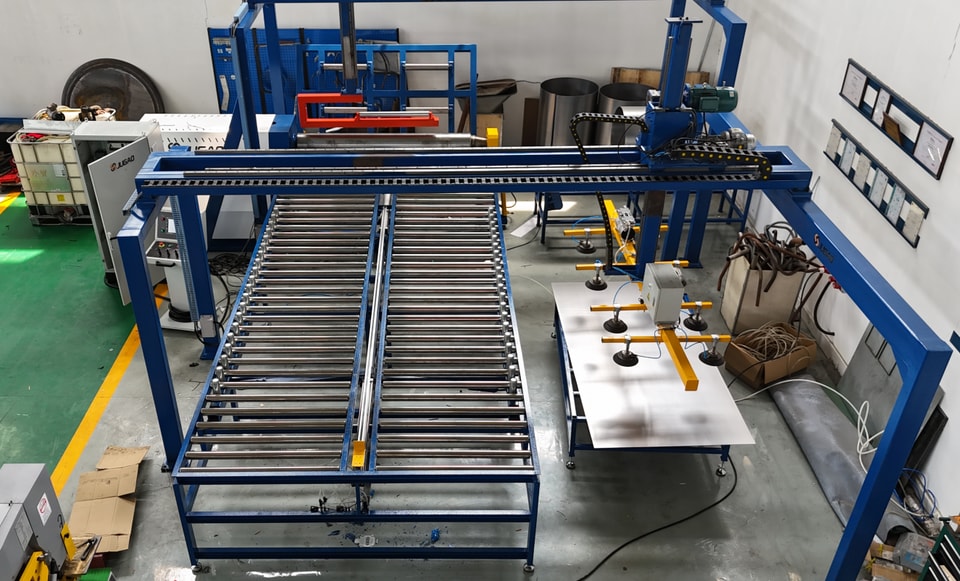
III. Scope of Application:
Multiple Material Processing: Plate rolling machines can process various metal materials, such as carbon steel, stainless steel, and aluminum alloys. For plates of different materials, the operating parameters of the plate rolling machine can be adjusted appropriately according to the material's properties (such as yield strength and modulus of elasticity). For example, when processing stainless steel plates, due to the higher yield strength of stainless steel, a greater rolling force may be required compared to ordinary carbon steel. In this case, smooth rolling can be achieved by increasing the hydraulic system pressure of the plate rolling machine or adjusting the roller spacing.
Diverse workpiece shapes: It can not only roll plates into simple cylindrical shapes, but also produce various complex arc and conical workpieces. In the shipbuilding industry, plate rolling machines can be used to manufacture the arc-shaped hulls of ships; in chemical equipment manufacturing, it can produce the cylindrical parts of various conical shapes, meeting the needs of different industrial fields.
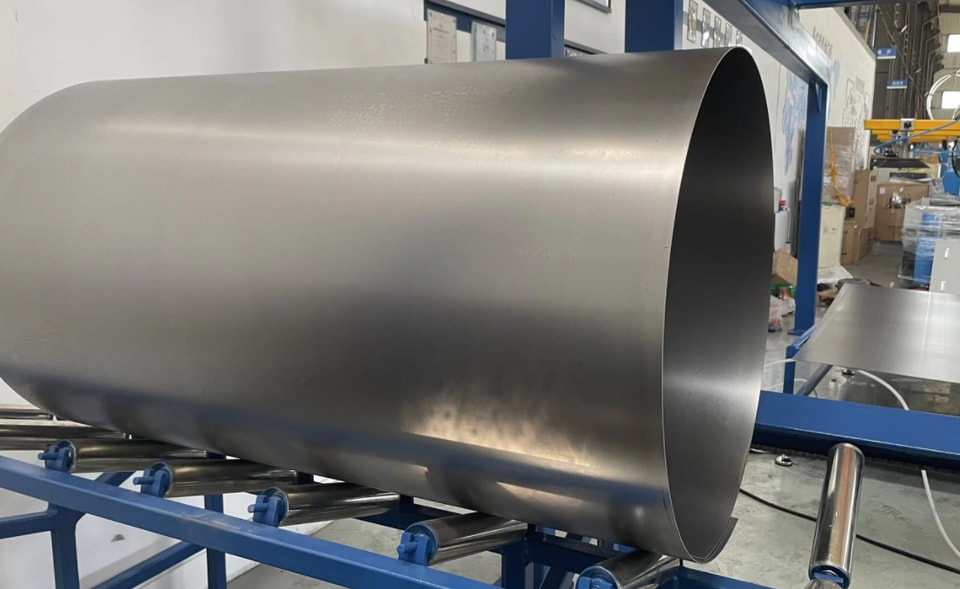
IV. Safety Aspects
Comprehensive protective devices: To ensure the safety of operators, plate rolling machines are usually equipped with multiple safety protection devices. For example, protective railings are installed around the rollers to prevent operators' hands or other body parts from contacting the rotating rollers; an emergency brake button is installed, which operators can press immediately to stop the machine in case of abnormalities, avoiding accidents.
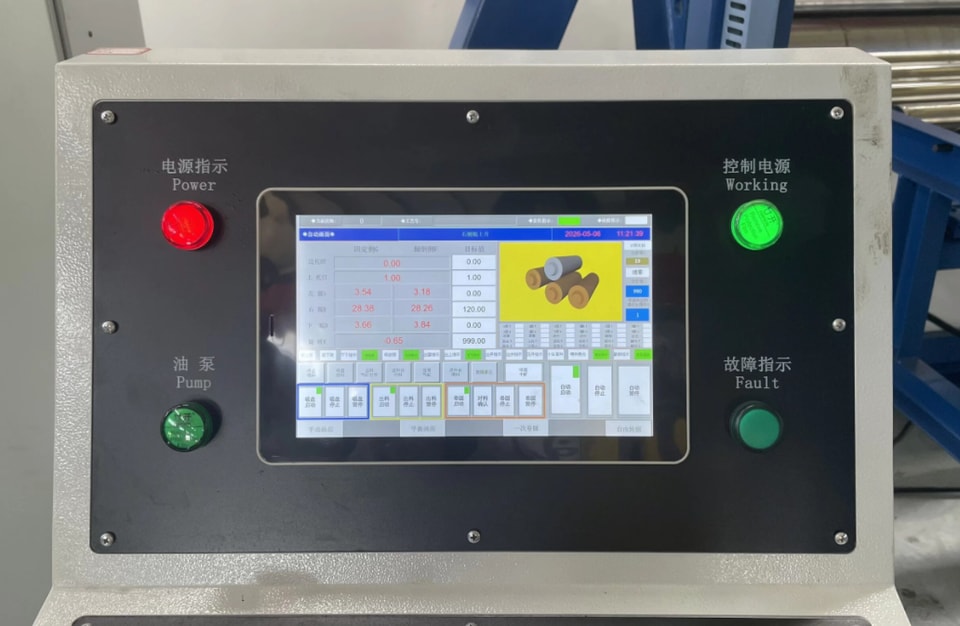
Strict safety operating procedures are in place: A rigorous set of safety operating procedures governs the use of the plate rolling machine. For example, operators are required to check all machine components for proper functioning before starting the machine, and it is strictly forbidden to put hands between the rollers during operation. These regulations, combined with the equipment's own safety devices, ensure the safety of the plate rolling machine during use.
Contact Us