
How to solve the problem of pipe slippage in a pipe bending machine?
2026-04-16

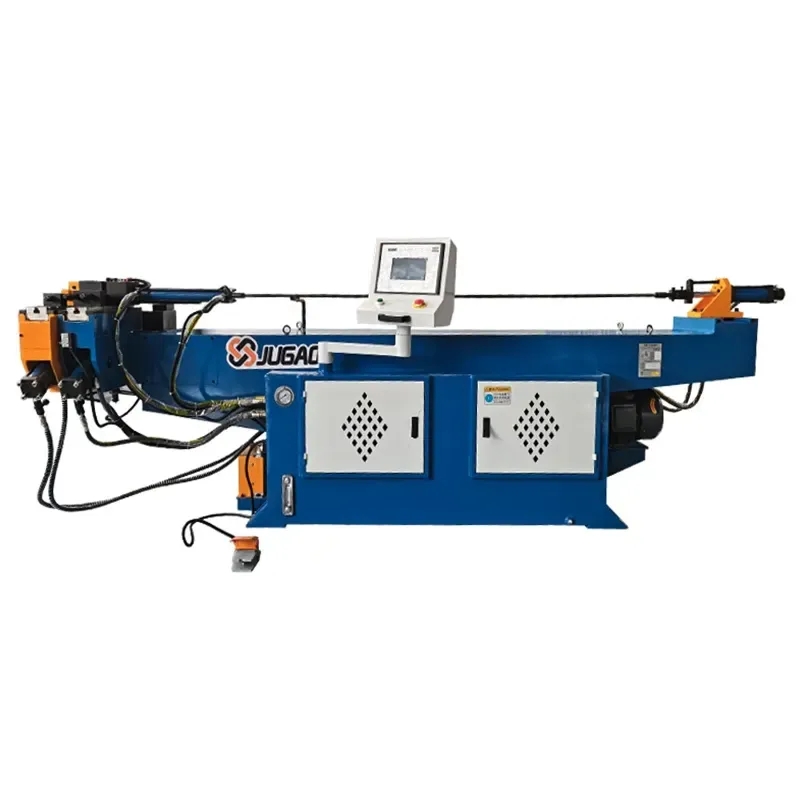
Pipe slippage is a common problem in pipe bending—during bending, the pipe moves axially between the clamping die and the bending die, leading to inaccurate angles, dimensional deviations, and even damage to the die. The following analyzes the causes and provides solutions.
Main causes of slippage:
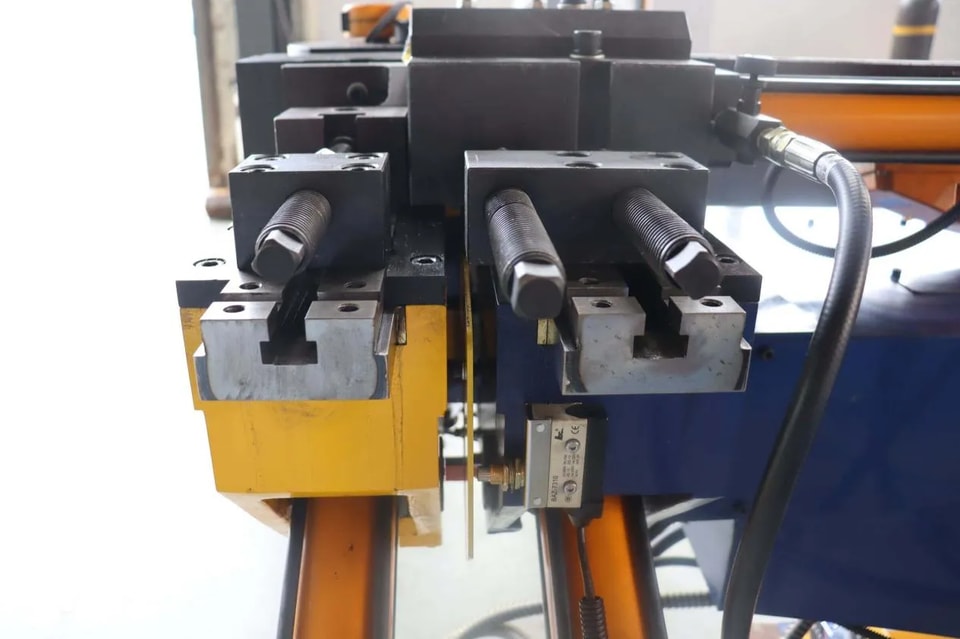
Insufficient clamping force: Hydraulic or pneumatic clamping pressure is too low, failing to firmly secure the pipe to the bending die.
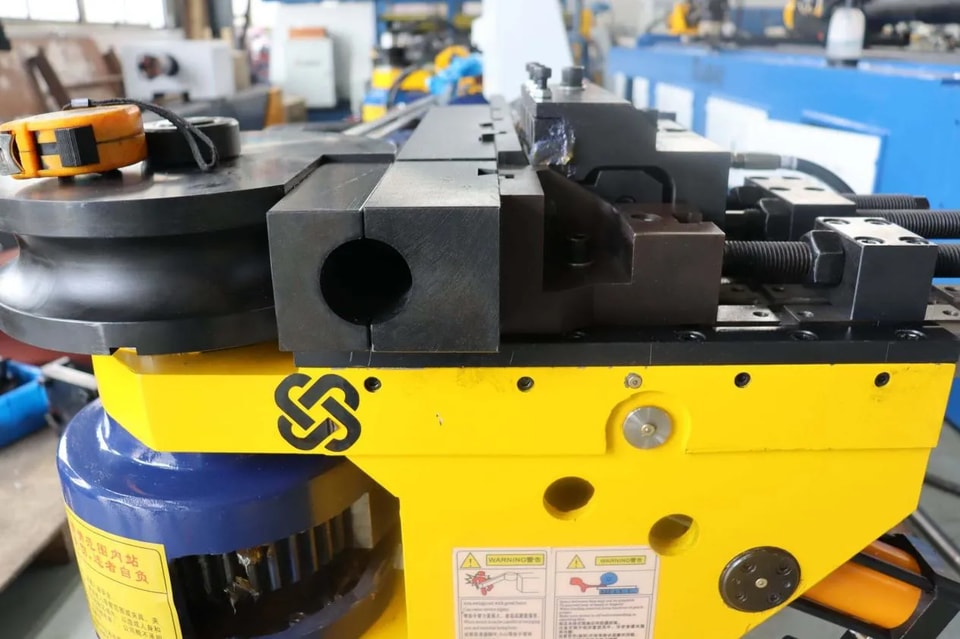
Weared or improperly selected clamping die: The clamping die groove does not match the pipe's outer diameter (too large or too small), or the working surface is worn and slipping.
Oil/lubricant on pipe surface: Excessive lubrication or residual cutting oil on the pipe surface reduces the coefficient of friction.
Excessive bending resistance: The bending radius is too small, the wall thickness is too thick, or the material strength is too high, causing the required bending torque to exceed the clamping friction force.
Mandrel jamming: The mandrel extends too far or gets stuck during bending, generating additional axial tension.
Solutions
1. Adjust Clamping Force
Gradually increase the clamping cylinder pressure, using the minimum pressure of preventing pipe slippage (avoid excessive pressure causing indentations).
Check the hydraulic system pressure for stability, eliminating leaks or pump/valve malfunctions.
2. Check Clamping Die Condition
Confirm that the clamping die groove diameter matches the pipe's outer diameter (gap ≤ 0.2mm).
Check the working surface for wear, rust, or debris accumulation; repair or replace if necessary.
The clamping die surface can be machined with a textured or fine-toothed pattern to increase friction (suitable for non-visual parts).
3. Control Lubrication
The bending die groove, mandrel, and anti-wrinkle die require lubrication, but the clamping area should be kept dry.
Wipe the clamped section of the pipe with a clean cloth before bending to remove oil.
4. Optimize Bending Process
Avoid excessively small bending radii (R/D ≥ 3).
For high-strength materials or thick-walled pipes, increase mandrel support to reduce bending resistance.
Reduce bending speed to minimize instantaneous impact.
5. Check the mandrel position
The mandrel extension should be controlled 0.5-1.5mm before the bending die-cutting line. Excessive extension will increase axial resistance.
6. Auxiliary anti-slip measures
Place thin sandpaper or anti-slip tape between the clamping die and the tube (temporary measure).
For mass production, an axial thrust block can be added to the end of the tube.
Quick Troubleshooting Procedure
First, confirm that the clamping pressure gauge has reached the set value.
Check if the clamping die groove fits snugly with the pipe.
Observe whether the pipe slides backward during bending (mark the area).
Adjust each step according to the above procedure.
The key to solving the slippage problem lies in ensuring that the clamping friction force is greater than the bending axial force. This can be effectively eliminated by addressing the clamping force, mold condition, and lubrication control.
Contact Us