

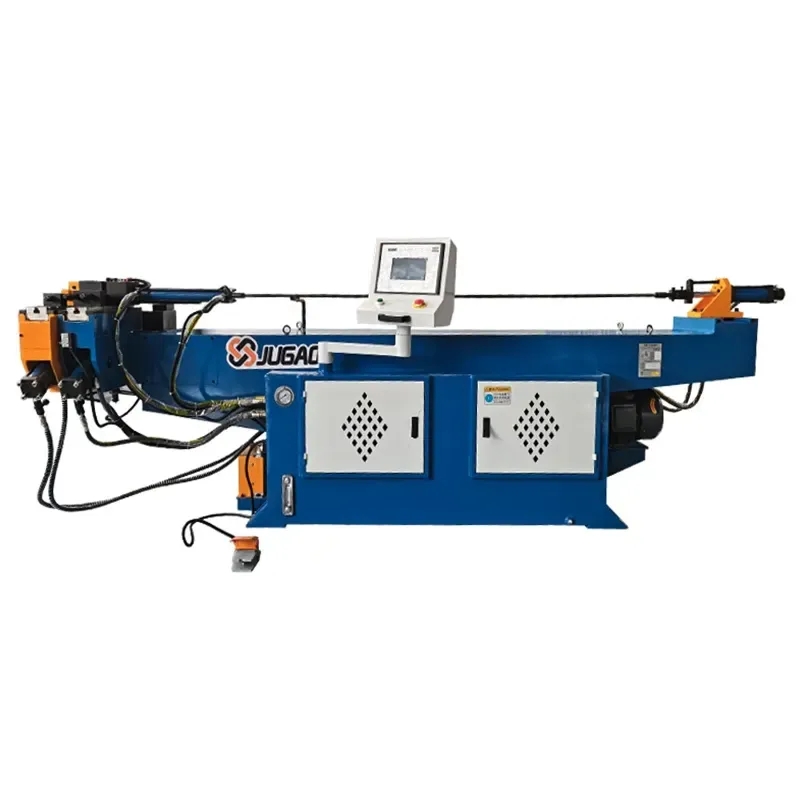
Improper maintenance of pipe bending machine gears can lead to abnormal noises, vibrations, and inaccurate settings.
2026-06-01

Many people think of the gears inside pipe bending machines, whether they are internal to the reducer or exposed gears in the bending arm, as "lumps of iron" and don't need attention. But by the time you hear that "clunking" sound, the gear teeth have already worn down to the point of being like cutting blades. Following these maintenance tips will extend the life of your gears by several years.
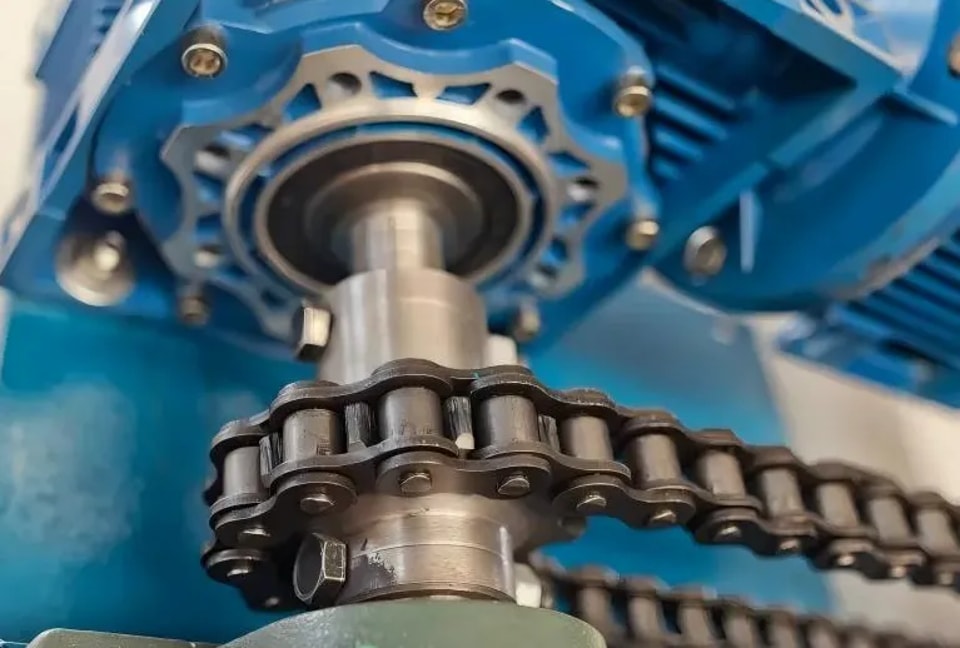
I. Common Causes of Gear Failure
1. Dry Grinding Due to Lack of Lubrication: Without an oil film, the gear surface grinds against itself, initially appearing shiny and rough, gradually developing pitting and peeling, eventually leading to tooth breakage.
2. Excessive Clearance: Wear increases the meshing clearance between gears, causing a sharp impact with each gear shift, leading to fatigue cracking at the tooth root.
3. Hard Object Intrusion: Damaged protective covers allow metal shavings and sand to fall into the gearbox, acting like abrasive paste and wearing away a layer of the tooth surface.
II. Four Routine Maintenance Tasks
1. Listen to Sounds and Check Oil Levels
For gearboxes with oil windows, check the oil level weekly and add oil if it's below the lower limit. Open the filler cap and smell it; a burnt odor indicates the oil has deteriorated due to high temperatures. A uniform "humming" sound from the gears is normal, but a sharp friction sound or a "clunking" or knocking sound indicates excessive clearance or damage to the gear teeth.
2. Change the Oil Regularly
Gear oil should generally be changed once a year or every 2000 hours. If the drained oil is black or contains metallic powder, it indicates abnormal gear wear. When changing the oil, remove the bottom magnetic screw and clean it; the more iron powder attracted, the faster the wear.
3. Lubricate Exposed Gears Frequently
Open gears on the bend arm do not have an oil bath and require manual lubrication. Before starting each shift, apply a thin layer of extreme pressure lithium-based grease (NLGI 1 or 2) to the gear teeth with a brush. Be careful not to apply too much, otherwise, oil sludge will be splashed everywhere. Regular grease will leak at high temperatures; extreme pressure grease is necessary.
4. Repair damaged protective covers immediately.
If the gearbox gaskets or dust covers are damaged, don't try to cover them up with tape. Metal shavings getting inside for a day is equivalent to the gears wearing down for a month. Replace them if necessary; it's only a few tens of dollars.
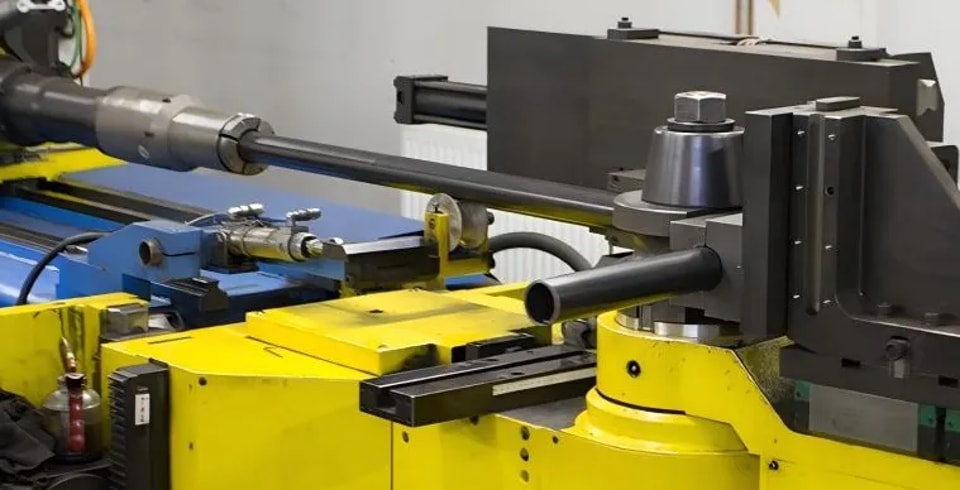
III. How to Check the Clearance
Use a dial indicator to check the clearance on the side of the gear or the bend arm, moving it back and forth. Read the clearance value. If it's more than 30% larger than the factory value, the shims should be adjusted or the gear replaced. Don't wait until the clearance is so large that it causes gear breakage before taking action.
IV. A Practical Suggestion
During annual major overhauls, drain the gear oil from the reducer, remove the bottom cover, and visually inspect the gear surfaces. Slight pitting on the gear surfaces allows continued use, but if there are peeling pits or sharpened teeth, replace it immediately. Waiting until a broken tooth jams and the bend arm suddenly stops rotating is a serious problem.
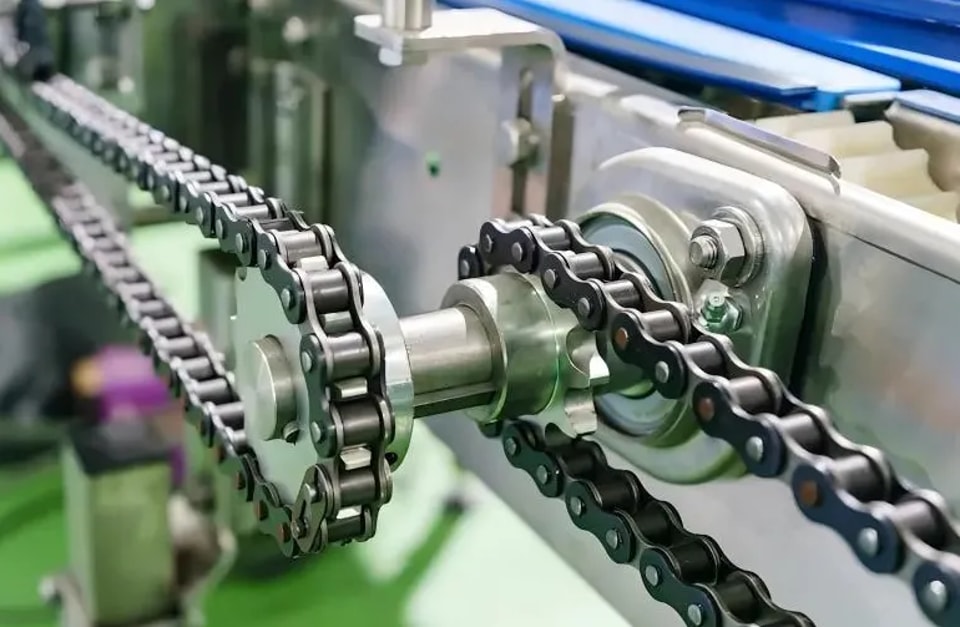
Just because a gear isn't making any noise doesn't mean it's okay. By the time it starts making noise, it's too late. Listening to the gears regularly, checking the oil level, and adding grease monthly are a hundred times less troublesome than fixing them when they break down.
Contact Us