
How to Select the Best Materials for Shearing Machine Blades
2026-05-25

Table of Contents
1. Typical Blade Materials for Shearing Equipment
○ High Carbon Steel
○ High‑Speed Steel (HSS)
○ Cold Work Tool Steel
○ Tungsten Carbide
○ Multi‑Component Alloy Steel
2. Key Criteria for Material Selection
○ Sheared Material Properties and Thickness
○ Daily and Annual Production Volume
○ Wear Resistance and Cutting Edge Durability
3. Frequently Asked Questions
○ Signs that shearing blades require sharpening
○ Applicability of high carbon steel blades across materials
○ Routine maintenance practices for shearing blades
4. Summary
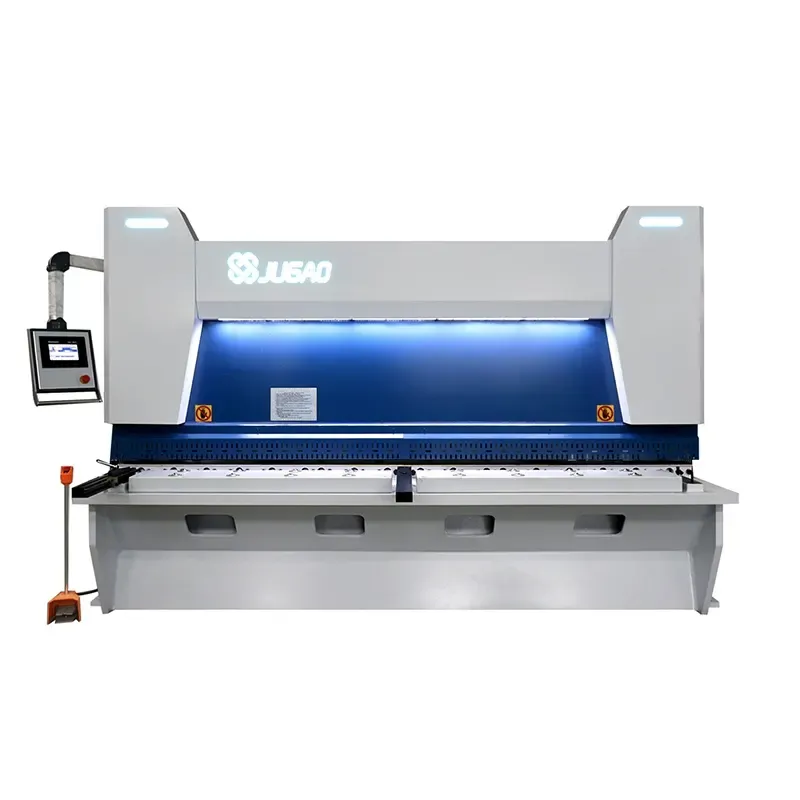
The performance and service life of shearing machines depend heavily on the material used for their cutting blades. Using the right blade material ensures clean, accurate cuts and improves overall production efficiency. This article explains the most widely used blade materials, their mechanical properties, suitable working conditions, and how to match them to real‑world shearing demands. Whether you work in metal fabrication, sheet processing, or general manufacturing, these guidelines will help you optimize cutting quality and reduce operating costs.
Typical Blade Materials for Shearing Equipment
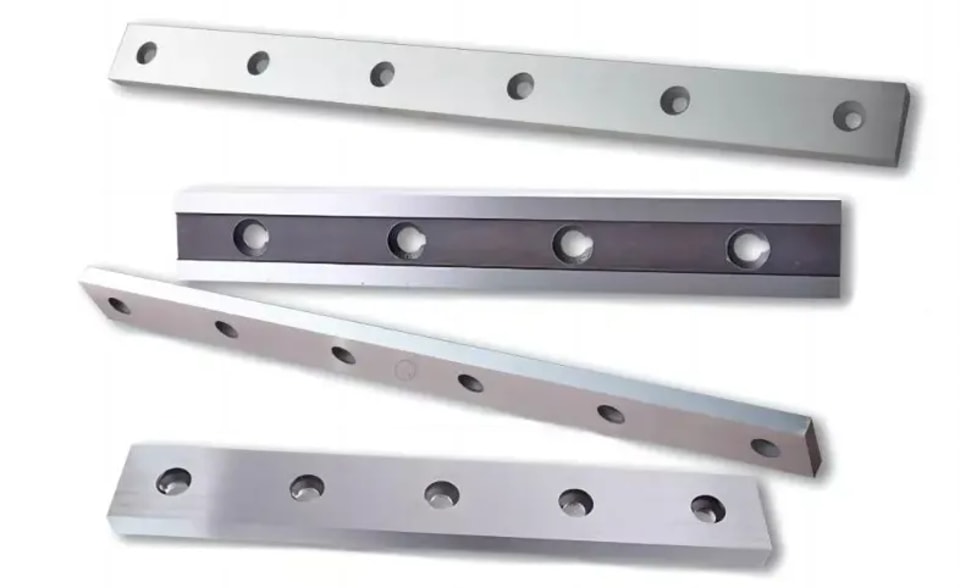
Shearing blades are produced from a range of engineered materials, each designed for specific cutting scenarios. Below are the most common options:
High Carbon Steel
High carbon steel is widely chosen for its strong structural integrity and reliable edge retention. It can be re-sharpened easily and performs well in many standard shearing jobs. The main drawback is its tendency to corrode when exposed to moisture, but regular cleaning and anti-rust treatment can prevent this issue effectively.
High‑Speed Steel (HSS)
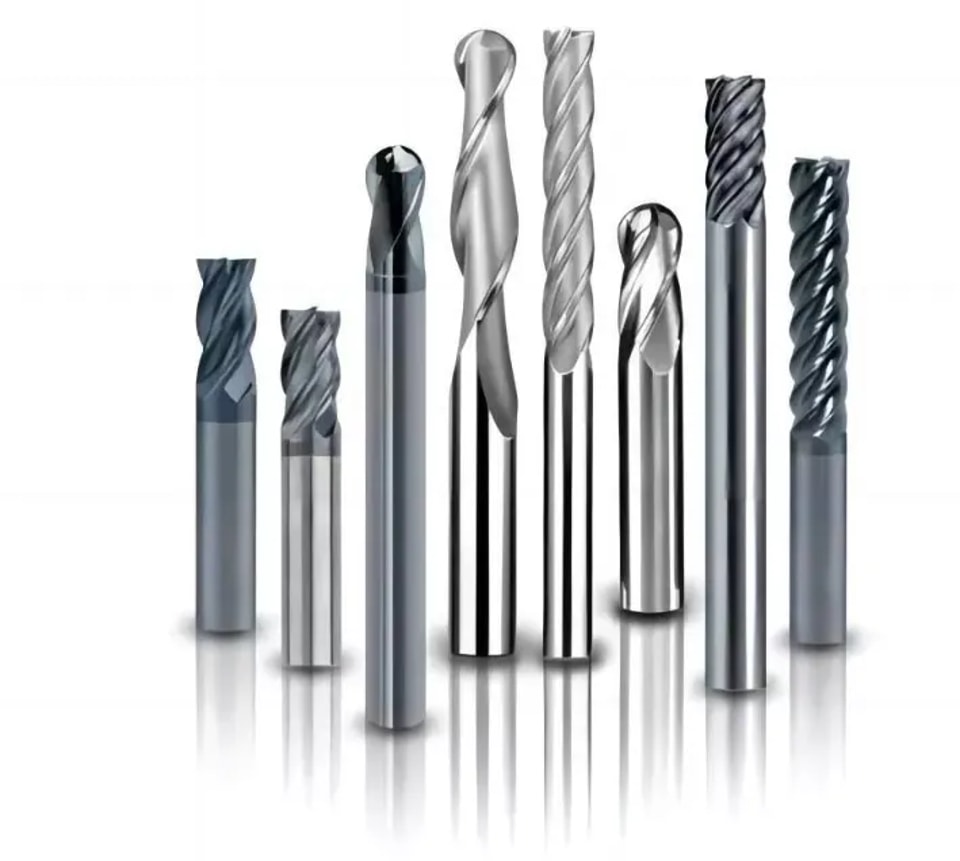
High-speed steel offers excellent thermostability and retains hardness even under high-temperature cutting conditions. This makes HSS ideal for heavy-duty, continuous shearing operations. It holds a sharp edge significantly longer than ordinary steel blades, although it comes with a higher initial purchase cost.
Cold Work Tool Steel
Tool steel is specially formulated to deliver high hardness and superior wear resistance. Blades made from this material withstand heavy, long-term use without rapid performance degradation. However, tool steel is relatively brittle, so careful installation and operation are required to avoid cracking or breaking.
Tungsten Carbide
Carbide blades are known for their extreme hardness and outstanding abrasion resistance. They maintain a sharp cutting edge far longer than conventional steel blades, which reduces downtime spent on sharpening. This material is especially effective when shearing abrasive or difficult-to-cut materials. Due to its brittleness, carbide blades must be handled gently to prevent chipping.
Multi‑Component Alloy Steel
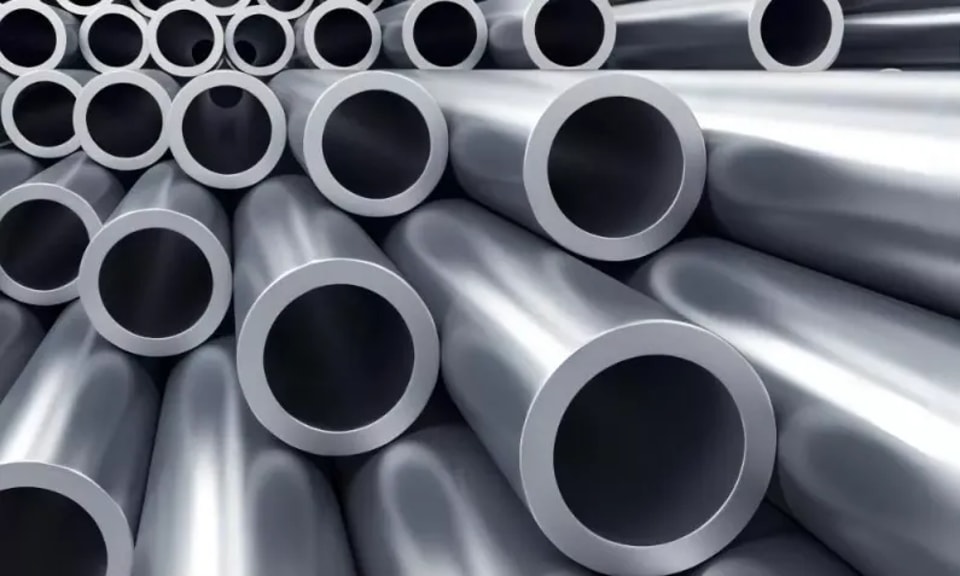
Alloy steel is modified with various metallic elements to boost tensile strength, corrosion resistance, and toughness. It serves as a flexible, all-around choice for diverse shearing tasks. Alloy steel blades are simpler to produce and maintain compared with carbide, but they cannot match carbide’s edge-holding ability under extreme working conditions.
Key Criteria for Material Selection
Choosing the best blade material requires evaluating three critical factors:
Sheared Material Properties and Thickness
Softer, thinner materials can be cut efficiently with high carbon steel. Harder, thicker, or higher-strength materials usually require HSS or tool steel to ensure cutting quality and avoid blade damage.
Daily and Annual Production Volume
In high-volume manufacturing environments, blades made from HSS or tool steel offer better long-term economy. They reduce the frequency of sharpening and replacement, which lowers overall production downtime.
Wear Resistance and Cutting Edge Durability
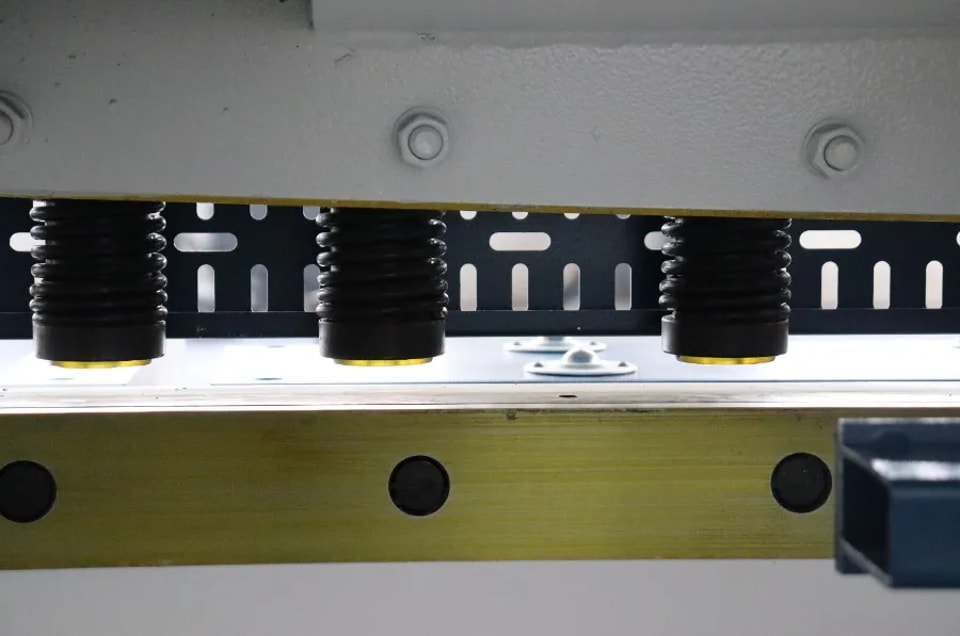
If you want fewer sharpening intervals and longer service life, prioritize materials with strong wear resistance like HSS, tool steel, or carbide. Although these materials cost more upfront, they deliver better value in intensive use.
Frequently Asked Questions
How can I tell if my shearing blades need sharpening?
Inspect cut quality regularly and examine blade edges for deformation, wear, or small chips. If cuts become rough, ragged, or require greater cutting force, the blades should be sharpened immediately.
Is high carbon steel suitable for all shearing jobs?
High carbon steel is versatile but not ideal for extremely hard or abrasive materials. For such applications, switching to HSS or tool steel will produce better results and extend blade life.
What maintenance do shearing machine blades need?
Basic maintenance includes cleaning blades after each use, applying anti-rust protection, and inspecting for wear or damage. Consistent care greatly extends blade lifespan and keeps shearing performance stable.
Summary
Selecting the proper material for shearing machine blades is essential for achieving efficient, high-quality cutting. High carbon steel, HSS, tool steel, carbide, and alloy steel each serve different shearing requirements and working environments. By evaluating material type, production volume, wear resistance, and edge retention, you can make a well-informed choice that improves productivity and reduces costs in metalworking and related industries. For further technical support, you are welcome to contact our professional team.
Contact Us