


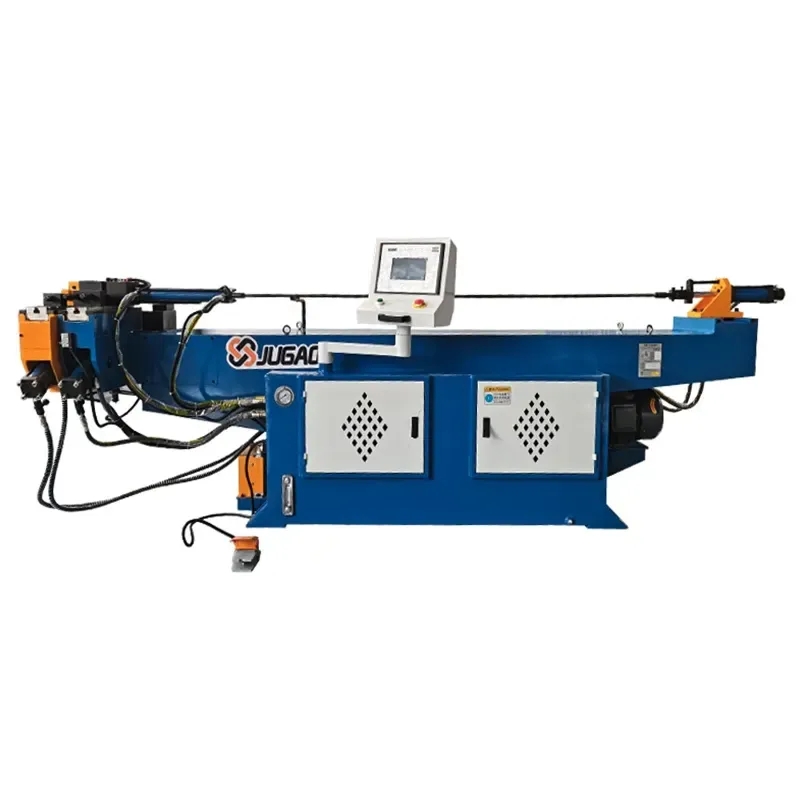
These common mistakes in pipe bending machine maintenance can drastically reduce accuracy.
2026-05-26

After many years in the industry, I've noticed that many pipe bending machines are becoming increasingly less accurate, not because the equipment is old, but because of numerous basic maintenance errors. See how many of these mistakes you've made.
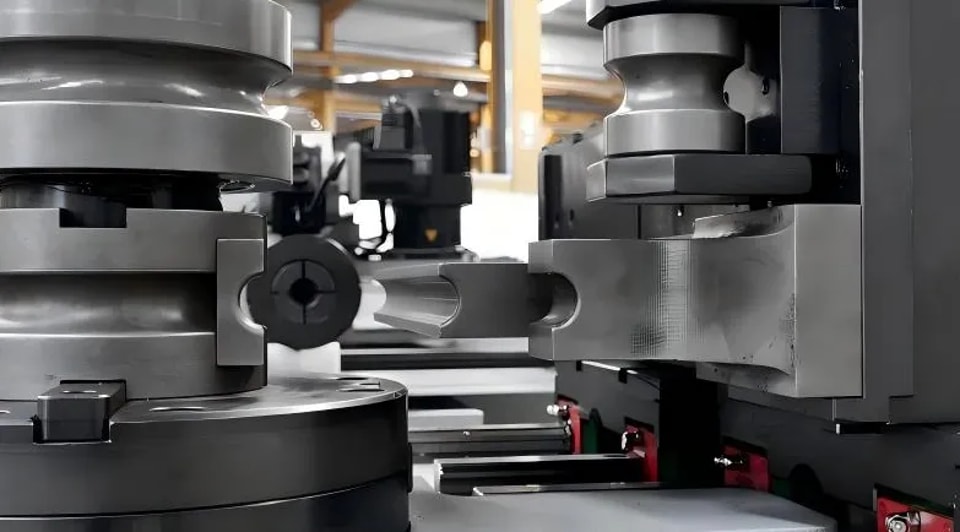
1. Wearing out the mold and continuing to use it:
Over time, bending and clamping molds will develop roughened and worn surfaces. Some people think, "It's still usable, let's keep using it." The result? The tube won't fit properly in the mold groove, it will slip during bending, and the angle will fluctuate. Replacing a mold costs hundreds or thousands of dollars, but wasting a batch of tubes is a much bigger loss. Molds should be repaired or replaced when necessary; don't make do.
2. Never maintaining the mandrel:
The mandrel is a crucial component to prevent tube flattening. Each joint of the ball-head mandrel needs to rotate smoothly. Some people never lubricate it, and over time it will jam. Scratched mandrel rods are also ignored, leaving marks on the inner wall of the tube every time it's pulled out, affecting accuracy and damaging the inner wall of the tube. Regularly disassemble, clean, lubricate, and check the mandrel rod for scratches—this is basic work.
3. Adjusting the anti-wrinkle mold gap by feel:
The gap between the anti-wrinkle mold and the bending mold is too large, causing wrinkles; too small, causing scratches. Many people install the equipment and then leave it unattended, or don't readjust it after changing the pipe diameter. The correct approach is to readjust it with a feeler gauge or by hand each time you change to a different pipe wall thickness, ensuring the gap is just right against the pipe yet allows for smooth sliding. This task takes less than five minutes, but many people are simply too lazy to do it.
4. Either don't add any lubricant to the guide rails, or add an excessive amount.
Insufficient lubrication on linear guide rails leads to rapid wear and loss of feeding accuracy. However, some people do the opposite, excessively applying grease until it overflows. Excess grease attracts cuttings and becomes a grinding paste, accelerating wear. The correct approach is to add grease according to the cycle and dosage specified in the equipment manual. A uniform oil film on the guide rail surface is sufficient; do not over-lubricate.
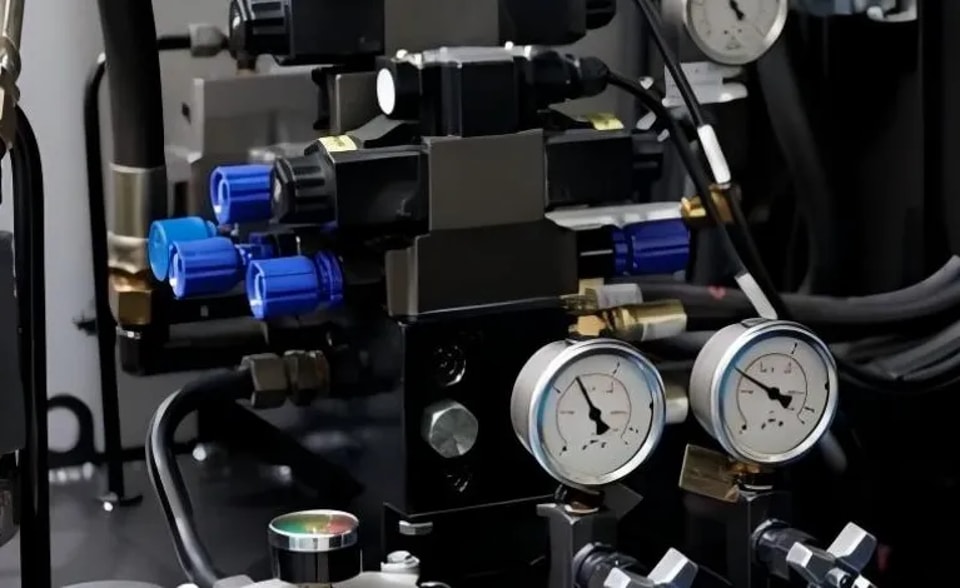
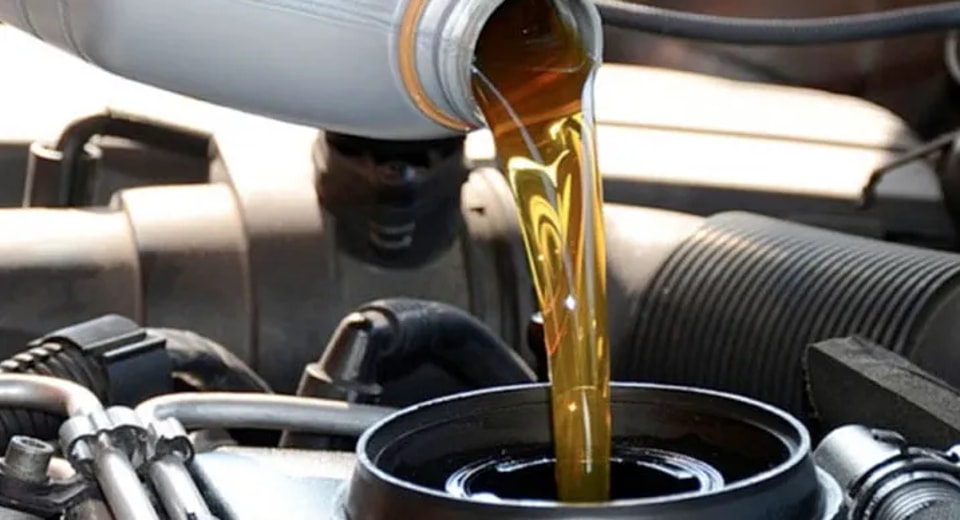
5. Adding Hydraulic Oil Without Changing It
Hydraulic oil deteriorates and becomes contaminated over time. Water and impurities mixed in the oil cause unstable system pressure. Pressure fluctuations lead to inconsistent bending angles. Some people only add oil when the level is low, never changing it. The correct approach is to change the oil and filter regularly. Generally, change it every 2000 hours or once a year, depending on usage intensity.
6. Tightening Bolts Only When Remembering
Pipe bending machines vibrate significantly, causing mold fixing bolts, guide rail pressure plate bolts, and motor foundation bolts to loosen over time. Loose bolts create clearances, resulting in decreased precision. Some people wait until the equipment makes abnormal noises before tightening them. The correct approach is to check critical bolts monthly with a wrench, especially after mold changes, and then tighten them again after running the machine for half a day.
7. Never Cleaning Sensors
Angle encoders and proximity switches, when covered in oil and metal shavings, will have distorted signals. For example, if the encoder surface is covered with a layer of grease, the feedback angle might be off by a fraction of a degree, and you can't correct it by adjusting the program. During each maintenance, simply wipe the sensor surface with a dry cloth; it only takes a minute.
8. Replace only the broken belt
Some machines use two belts for drive. If one breaks, some people only replace the broken one and continue using the old one. Mixing new and old belts puts more stress on the new belt, causing it to break quickly. Furthermore, the tension on both sides is uneven, reducing transmission smoothness and affecting angular accuracy. The correct approach: Replace both belts at once.
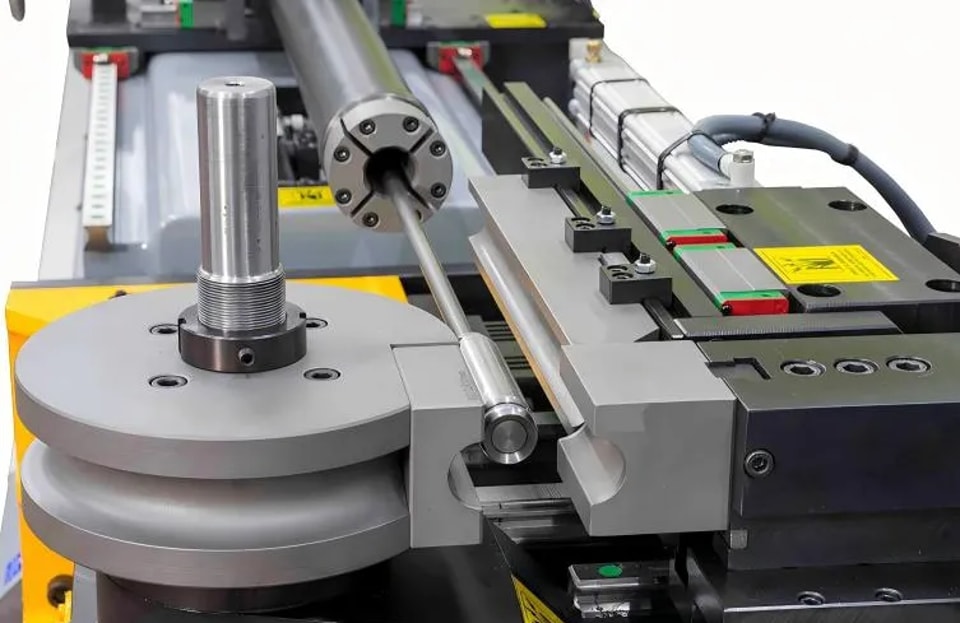
Precision is something that's hard to accumulate but quick to lose. Making just one of the mistakes mentioned above will significantly reduce precision. Don't wait until things go wrong to start looking for errors; pay close attention during routine maintenance.
Contact Us