
How to Fix JUGAO Press Brake Hydraulic Noise
2026-04-22

Table of Contents
• Understanding the Causes of JUGAO Press Brake Hydraulic Noise
○ Air Entrainment and Cavitation in Hydraulic Systems
○ Contaminated Hydraulic Fluid for CNC Press Brakes
• Step-by-Step Troubleshooting for Hydraulic Pump Noise
○ Step 1: Check Hydraulic Fluid Level and Operating Temperature
○ Step 2: Inspect Hydraulic Pump and Coupling Assembly
○ Step 3: Check Relief Valves and System Pressure Settings
• Mechanical Vibration and Structural Noise in Hydraulic Systems
○ Loose Mounting Fasteners and Frame Resonance
○ Worn Bearings in Hydraulic Motors
• Preventive Maintenance to Minimize Hydraulic Noise
○ Regular Hydraulic System Inspections
○ Correct Installation and Calibration of CNC Press Brakes
• Frequently Asked Questions
○ Is hydraulic noise from a press brake hazardous?
○ How to identify noise caused by hydraulic fluid issues?
○ Can air in the hydraulic system generate knocking noises?
○ How frequently should hydraulic systems be inspected for noise prevention?
• Conclusion
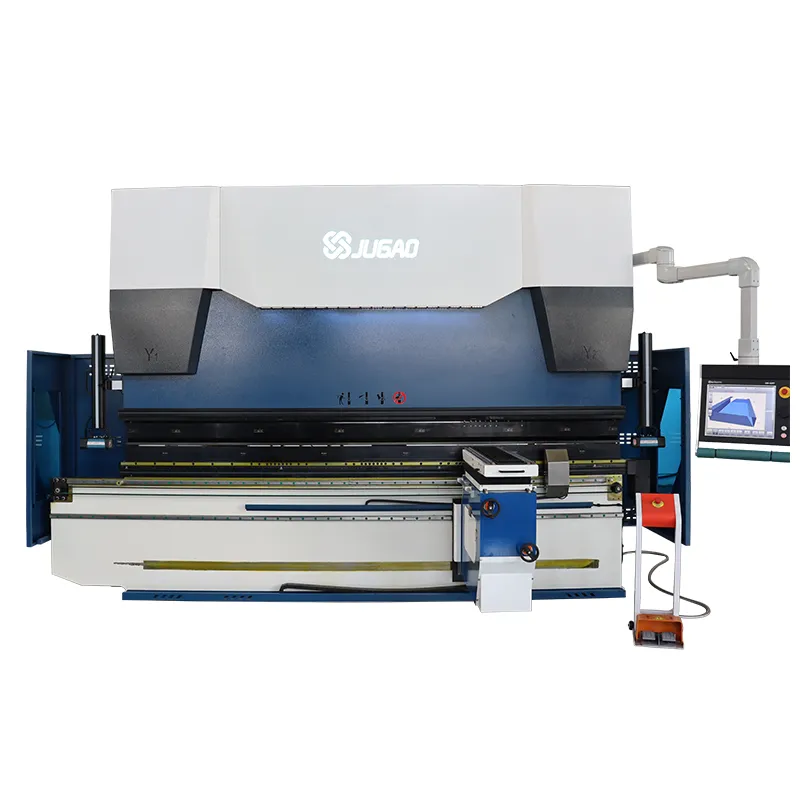
Unusual noises during the bending operation of a press brake are clear warning signs that require immediate attention. Hydraulic noise remains one of the most prevalent problems reported by JUGAO press brake operators, and it should never be overlooked. Abnormal sounds typically point to air intrusion, fluid contamination, component wear, or pressure instability. This guide will walk you through the root causes of hydraulic noise in CNC press brakes, and provide a safe, systematic method to diagnose and resolve the issue before it escalates into costly equipment failure.
Understanding the Causes of JUGAO Press Brake Hydraulic Noise
Before attempting repairs, it is critical to identify the type of noise: knocking, high-pitched whine, vibrating hum, or intermittent buzz. Distinct sound characteristics correspond to different hydraulic malfunctions.
Air in the Hydraulic System Causing Cavitation
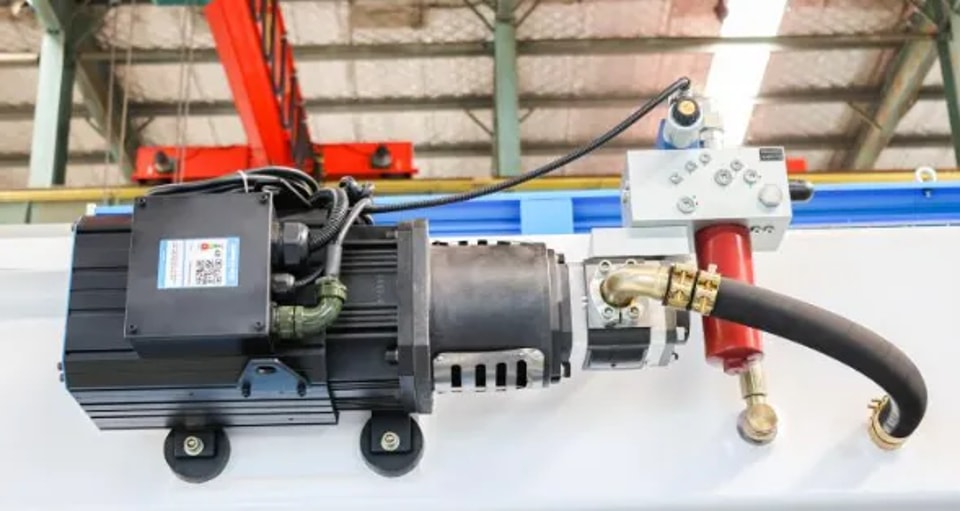
Cavitation stands as the leading trigger for hydraulic noise in press brakes. When air seeps into the hydraulic circuit, it forms bubbles that implode under pressure, generating sharp knocking or rattling sounds.
This issue typically arises from:
• Insufficient hydraulic fluid level
• Loose connections on the suction line
• Damaged seals at the pump inlet
When cavitation is suspected, start by verifying the fluid level and checking all suction pipelines for leaks. Tightening loose connections and topping up fluid to the specified level will often resolve the noise rapidly.
Contaminated Hydraulic Oil in CNC Press Brakes
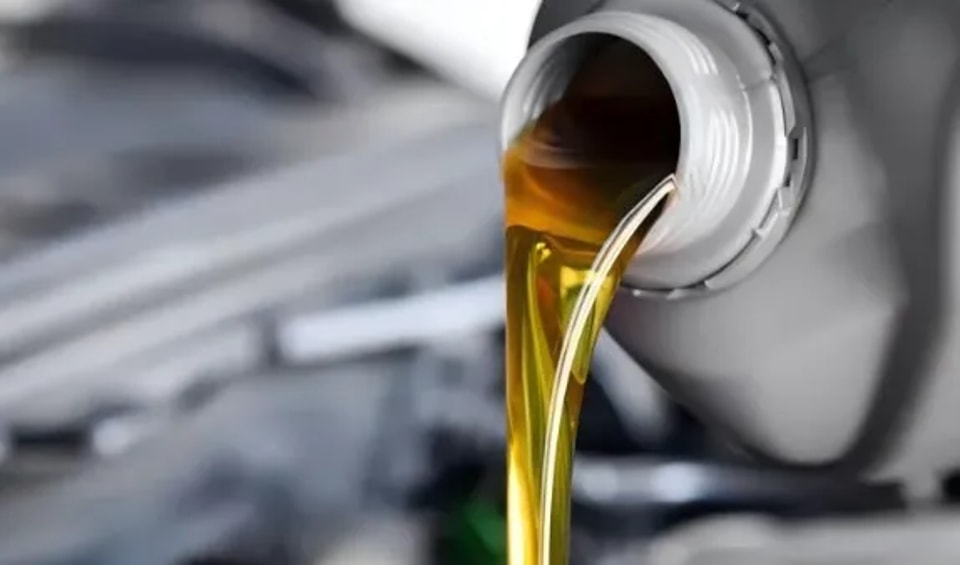
Dirty or degraded hydraulic fluid impairs pump performance and generates friction-induced noise. Metal debris and deteriorated fluid compromise lubrication, accelerating internal component wear.
To address this issue:
1. Examine the fluid’s color and odor.
2. Replace clogged filtration elements.
3. Change the hydraulic fluid if contamination is detected.
Routine fluid analysis is one of the most effective preventive measures to avoid recurring hydraulic noise in press brakes.
Step-by-Step Troubleshooting for Hydraulic Pump Noise
When addressing hydraulic pump noise on a press brake, a structured diagnostic process yields the most reliable results.
Step 1: Check Hydraulic Oil Level and Temperature
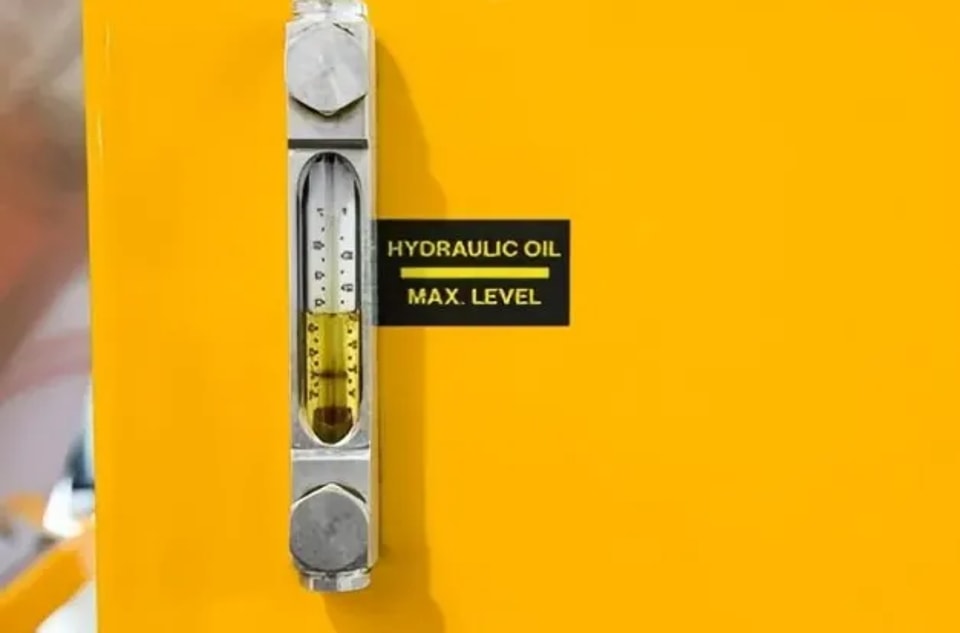
Low fluid level enables air ingestion, while excessively high temperature reduces fluid viscosity, both of which trigger abnormal noise.
Recommended actions:
• Confirm fluid level via the sight glass.
• Maintain temperature within the manufacturer’s recommended range.
• Inspect cooling systems if overheating occurs.
For high-temperature issues, clean the oil cooler and check cooling fan functionality.
Step 2: Inspect the Hydraulic Pump and Coupling
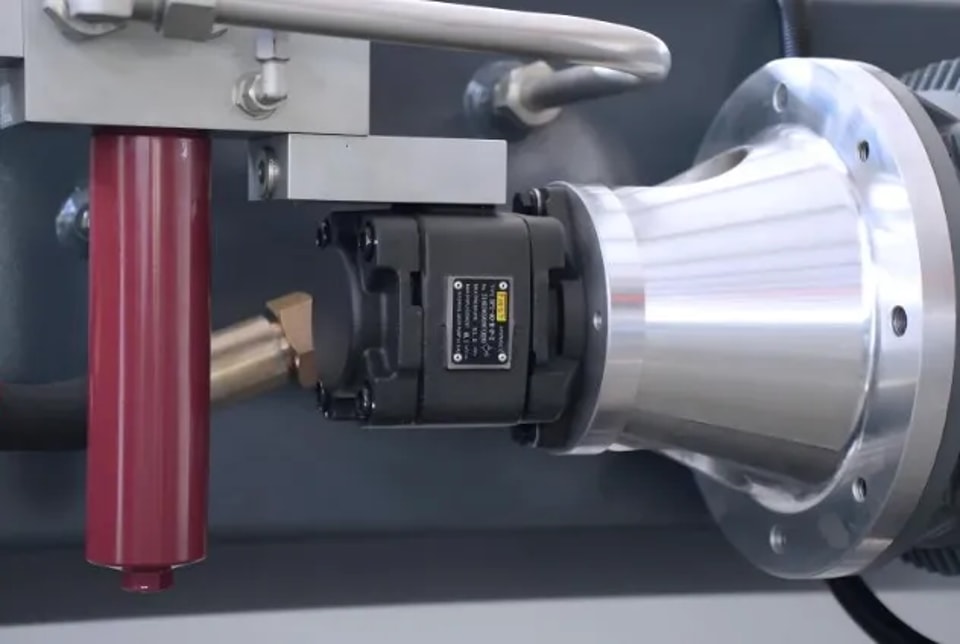
A worn hydraulic pump often produces persistent whining or vibrating noise.
Key inspection points:
• Pump shaft alignment
• Motor coupling condition
• Tightness of mounting fasteners
Misalignment or looseness between the motor and pump is a frequent source of hydraulic noise. Proper realignment typically resolves this problem.
Step 3: Examine Relief Valves and Pressure Settings
Incorrect pressure adjustments create excessive load-related noise.
Verification steps:
• Check relief valve configuration
• Monitor pressure gauge readings
• Observe for sudden pressure fluctuations
Recalibrate pressure settings to match machine specifications if instability is found. Stable pressure lowers noise levels and reduces internal system stress.
Mechanical Vibration and Structural Noise in Hydraulic Systems
Not all hydraulic noise stems from fluid or pump issues; mechanical vibration can significantly amplify sound levels.
Loose Mounting Bolts and Frame Resonance
Prolonged machine operation can loosen fasteners around the pump base or hydraulic tank, intensifying vibration.
Recommended actions:
• Tighten all mounting fasteners
• Inspect rubber damping pads
• Verify frame alignment
Stabilizing the mounting structure noticeably reduces vibration-related hydraulic noise.
Worn Bearings in Hydraulic Motor
Grinding or metallic scraping noises often indicate worn motor bearings.
Diagnostic steps:
• Use diagnostic tools to pinpoint noise origin
• Monitor motor operating temperature
• Replace bearings if wear is confirmed
Neglecting bearing noise can result in complete pump failure.
Preventive Maintenance to Avoid Future Hydraulic Noise
Preventive maintenance is far more efficient than reactive repairs for hydraulic system issues.
Routine Hydraulic System Inspection
Recommended maintenance schedule:
• Weekly fluid level checks
• Monthly filter inspections
• Scheduled fluid replacement based on operating hours
Preventive upkeep reduces the risk of sudden hydraulic noise and prolongs the service life of the entire system.
Proper Installation and Calibration of CNC Press Brake
Incorrect installation leads to long-term hydraulic stress and persistent noise.
Installation best practices:
• Ensure the machine is level
• Maintain precise pump alignment
• Route hydraulic hoses correctly
Quality installation minimizes vibration and hydraulic system instability.
FAQs
Is JUGAO Press Brake Hydraulic Noise dangerous?
Yes. Even mild noise often signals cavitation, fluid contamination, or mechanical wear. Ignoring these signs can lead to pump damage or catastrophic pressure failure.
How do I know if hydraulic oil is causing the noise?
Check fluid clarity, odor, and temperature. Milky, dark, or burnt-smelling fluid requires immediate replacement.
Can air in the hydraulic system cause knocking sounds?
Absolutely. Pressure-induced collapse of air bubbles creates cavitation noise, one of the most common hydraulic problems in press brakes.
How often should I inspect my hydraulic system to prevent noise?
Perform basic weekly checks and comprehensive inspections every few hundred operating hours, adjusted based on workload intensity.
Conclusion
Hydraulic noise in JUGAO press brakes should never be disregarded. It serves as an early warning for cavitation, fluid contamination, pump misalignment, or mechanical wear. By monitoring fluid levels, inspecting pumps and valves, securing structural components, and following a consistent preventive maintenance plan, most hydraulic noise issues can be eliminated before causing unplanned downtime.
If you face persistent hydraulic noise in your CNC press brake and require professional support, reach out to our technical team for expert diagnosis. Timely intervention protects your equipment, enhances bending precision, and extends the operational life of your hydraulic system.
Contact Us