

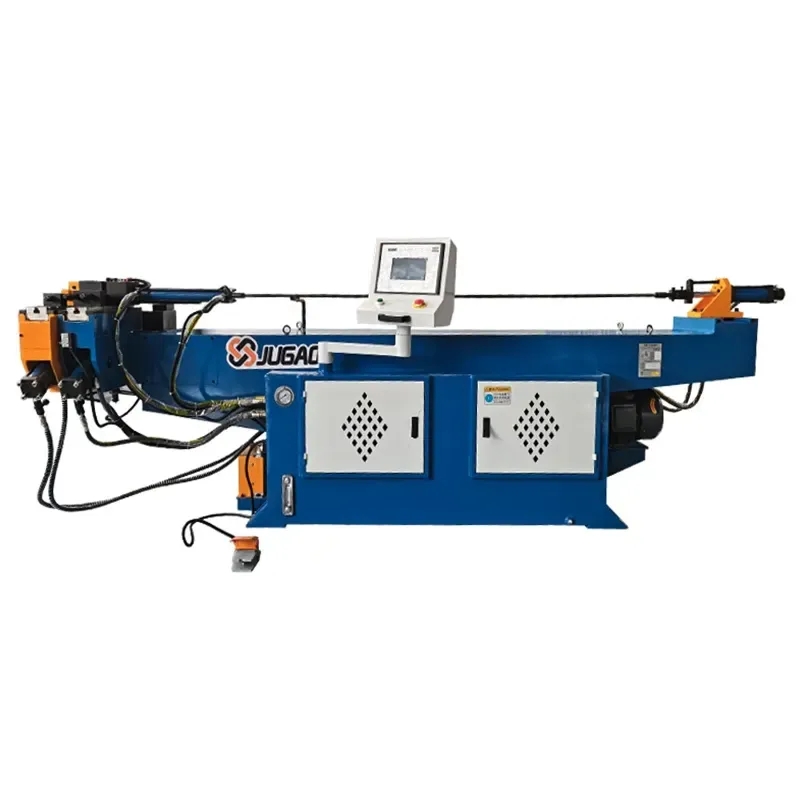
If pipe bending machine tools are not properly maintained, accuracy is out of the question.
2026-04-24

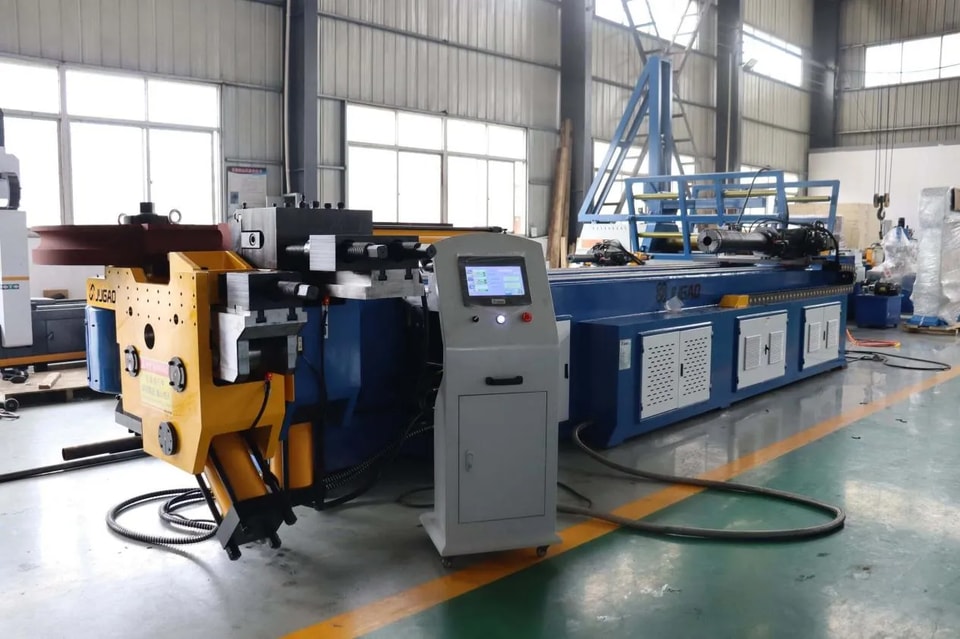
I've seen this happen far too often in the workshop: operators come in complaining that the pipe bending machine is inaccurate, the angle is inconsistent, or scratches have appeared on the pipe. After spending ages adjusting the program and changing parameters, it turns out the problem isn't with the equipment at all, but with the tools not being properly maintained.
The "tools" of a pipe bending machine mainly consist of bending dies, clamping dies, mandrels, and anti-wrinkle dies. These directly interact with the pipe material; their shape determines the shape of the bent product.
First, let's talk about the molds. The grooves in bending molds are curved, and over time, the surface will wear and become rough. At this point, the pipe won't fit snugly in the mold groove and will slip during bending. What are the consequences? Your program might be set to 90 degrees, but the actual bend might only be 87 or 93 degrees, and each one will be different. I've seen factories use the same mold for three years without replacing it, resulting in pipes with angles off by 5 degrees. During assembly, they can't align the holes and have to be hammered out.
The same applies to clamping molds. Their job is to hold the pipe firmly and prevent it from slipping. If the clamping surface is worn smooth or has oil stains, it won't hold properly, and the pipe will back up when bent, inevitably resulting in an off-angle. Many people don't realize this and think it's because the springback wasn't calculated correctly, so they keep increasing the bending angle, but it still doesn't work. Actually, replacing the clamping mold or cleaning the clamping surface will solve the problem.
Let's talk about the mandrel. Many people overlook this. The mandrel is inserted into the tube to support the inner wall and prevent collapse when bending. Each joint of the ball-end mandrel needs to rotate freely; if it jams, the inner wall of the tube will be scratched, and in severe cases, it will tear. If the mandrel rod is bent or scratched, it will damage the inner wall of the tube every time it's pulled out, causing a sharp increase in the scrap rate. I recommend checking the mandrel extension every time you change to a different tube wall thickness. If it extends too little, it won't support the bending point, and the tube will flatten; if it extends too much, it will press against the inner wall of the tube, causing scratches. This position needs to be accurate to half a millimeter, not just approximate.
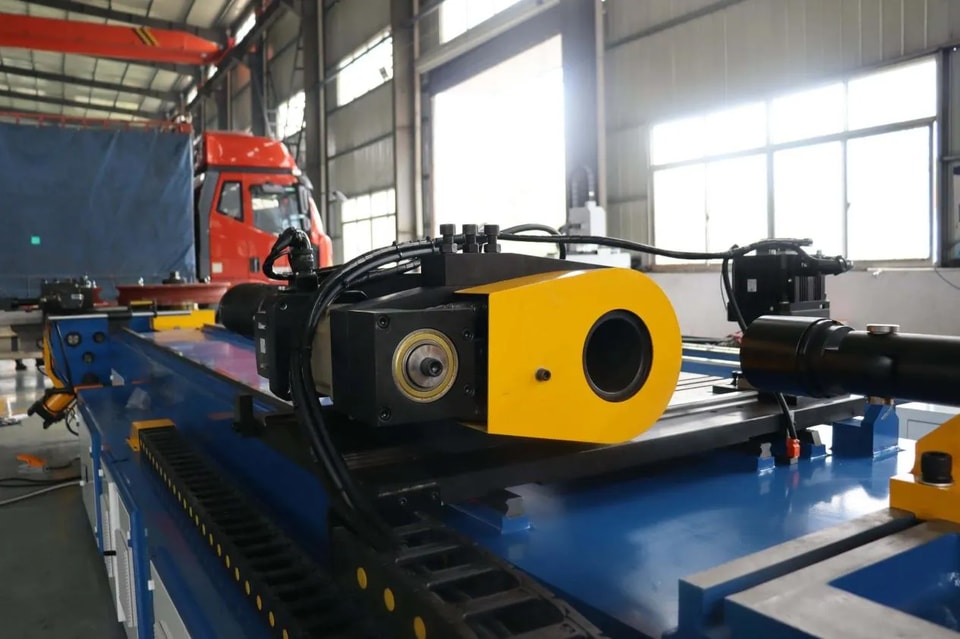
The gap in the anti-wrinkle mold is also a problem. The anti-wrinkle mold is attached to the bending mold and is responsible for pressing down on the inside of the pipe to prevent wrinkles. If the gap is too large, the material will be squeezed in, resulting in wrinkles; if the gap is too small, it will abrade the surface of the pipe, leaving scratches. This gap needs to be adjusted with a feeler gauge or by feel, and after adjustment, you should bend a pipe to check the effect. Many people install it and then ignore it, and as a result, they don't adjust it even when they change to pipes with different wall thicknesses, so it's no wonder there are problems.
Finally, let's talk about lubrication. I've seen people use machine oil, even waste machine oil, to lubricate molds, thinking that any oil will do. This is a huge mistake. Specialized pipe bending oil contains extreme pressure additives, which can form an oil film under high pressure to protect the mold and pipe surfaces. Ordinary machine oil will be squeezed out under pressure, leading to direct metal-to-metal contact, increased friction temperature, rapid roughening of the mold surface, and scorch marks on the pipe surface. By then, even the best mold is ruined.
Therefore, my experience is: create a simple tool checklist, and before starting the machine each day, check the mold surface for roughening, the mandrel joints for flexibility, the anti-wrinkle die clearance for accuracy, and whether the lubrication is sufficient. Disassemble and thoroughly clean the mold weekly, replacing any parts that need replacing; don't skimp on spare parts.
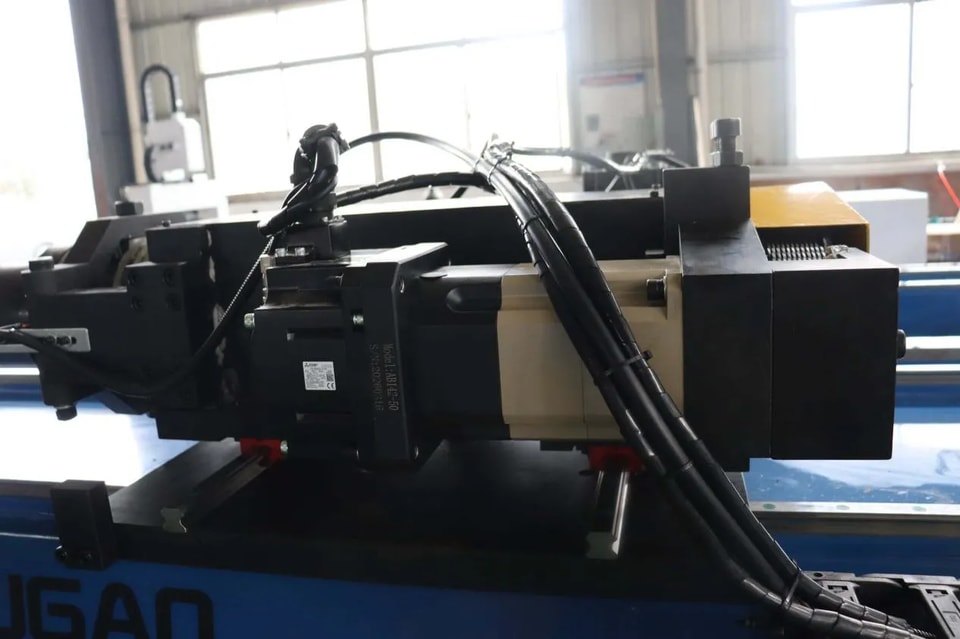
A pipe bending machine costs hundreds of thousands, while a set of molds only costs a few thousand. If the molds aren't properly maintained, resulting in a pile of defective products and delays in the project, that's a huge loss. Proper tool maintenance ensures consistent precision.
Contact Us