

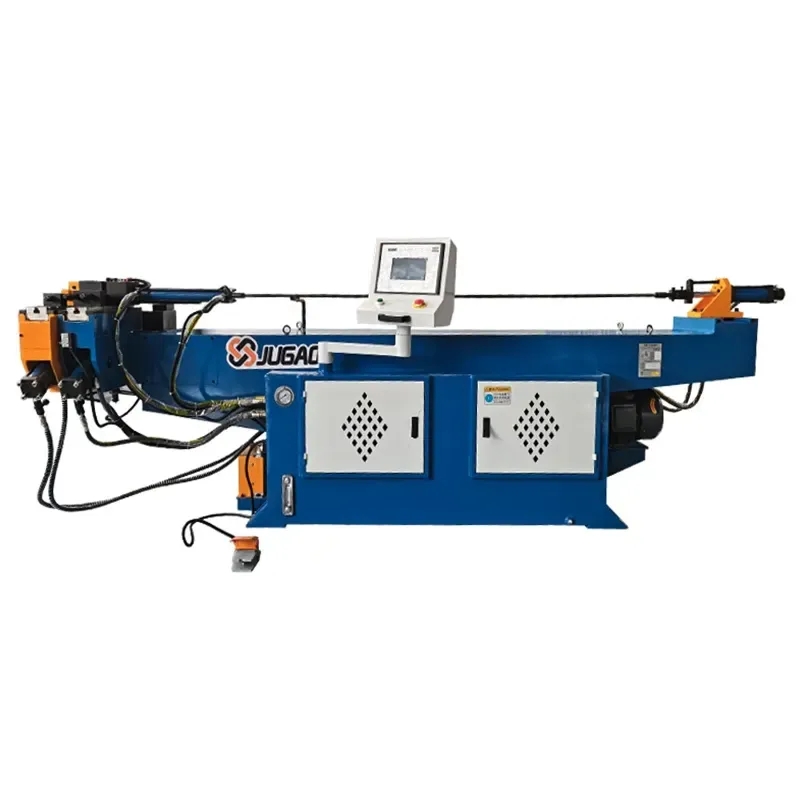
How does the temperature of a pipe bending machine affect the bending quality?
2026-04-11

Temperature is an often overlooked yet crucial parameter in pipe bending. Both the temperature of the pipe itself and the oil temperature in the hydraulic system significantly affect the quality and yield of the finished product.
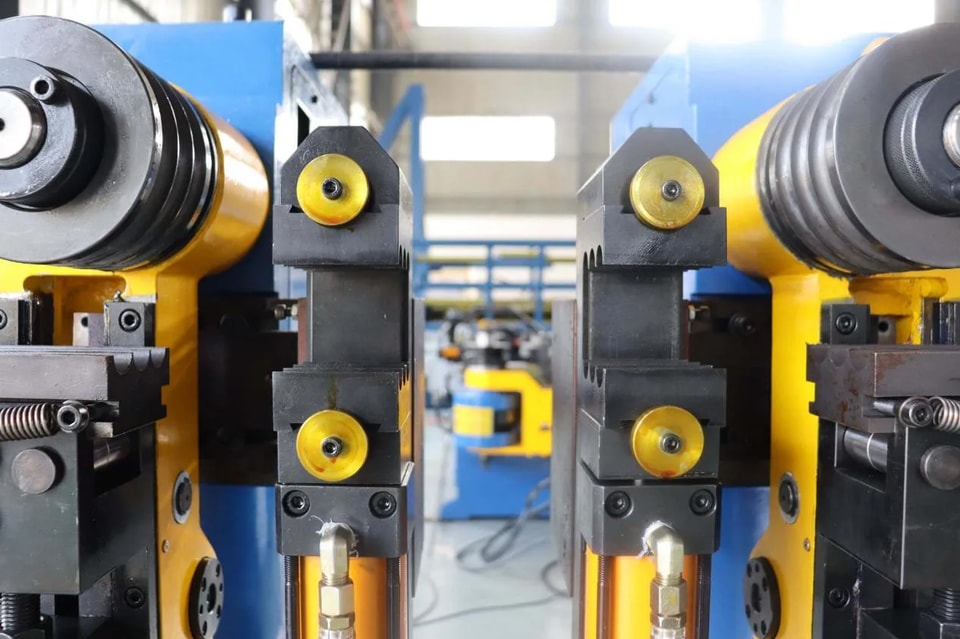
1. Pipe Temperature: Too Low and Cracking is Easy, Too High and Difficult to Control
Low Temperature (<10℃): Material plasticity decreases, and micro-cracks easily form on the outer side of the bend, especially in high-strength steel and stainless steel. It is recommended to allow the pipes to warm up in the workshop for 24 hours in winter, or preheat them to above 15℃ before processing.
Room Temperature (15℃-35℃): The optimal bending temperature range for most pipes, with stable plasticity and predictable springback.
High Temperature (>60℃, non-hot bending process): Abnormal heating of the pipe will lead to increased wrinkling of the inner arc and uneven wall thickness reduction. Unless designed for hot bending, overheating of the pipes should be avoided.
Recommendation: Before processing in winter, store the pipes in an environment not lower than 10℃; high-strength steel small-radius bends can be appropriately locally heated to 50-80℃ (e.g., flame or induction heating), but uniformity must be strictly controlled.
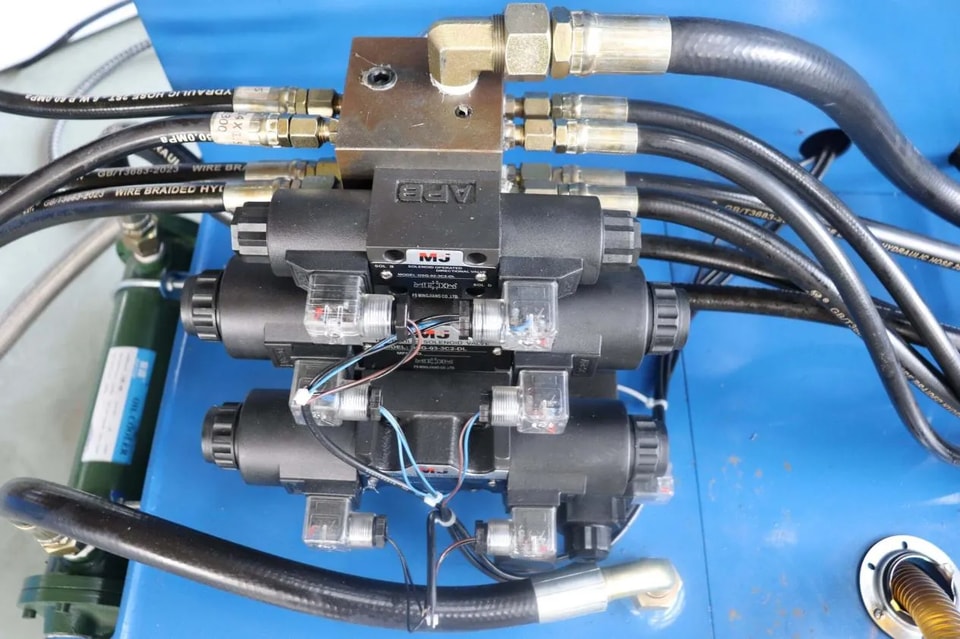
2. Hydraulic Oil Temperature: Affects System Accuracy and Lifespan
Low oil temperature (<20℃): High hydraulic oil viscosity leads to slow response, unstable bending speed, and poor angle consistency; poor lubrication also accelerates pump and valve wear.
Ideal oil temperature (35℃-50℃): Optimal oil flow, stable system pressure, and highest repeatability of bending angles.
High oil temperature (>55℃): Accelerated oil oxidation, hardening and shrinkage of seals, increased internal leakage, and decreased actual bending force; thermal expansion also affects encoder feedback, causing angle drift. Prolonged overheating significantly shortens the lifespan of hydraulic components.
Recommendations: Turn on the oil cooler or cooling fan during continuous heavy-load pipe bending; preheat the equipment by running it unloaded for 5-10 minutes after startup; install a temperature switch with over-temperature alarm or automatic shutdown.
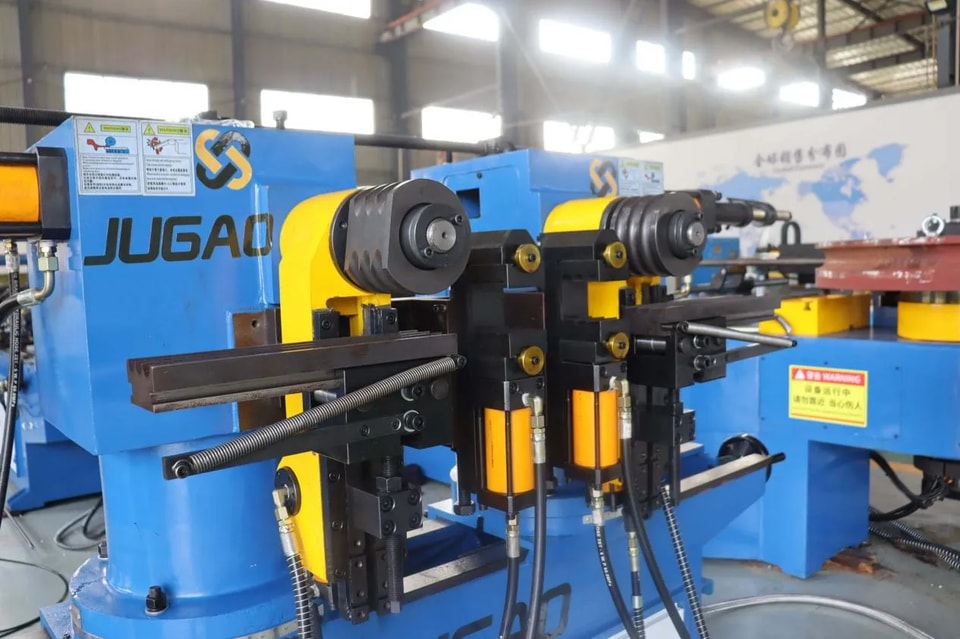
3.Friction Overheating: The Hidden Hazards of Localized High Temperatures
During high-speed continuous pipe bending, the sliding friction between the pipe and the die can cause a sudden rise in the contact surface temperature (exceeding 80°C), leading to:
Rupture of the oil film in the bend, resulting in direct metal-to-metal contact—surface scratches and roughening.
Local softening of the pipe, increasing the risk of wrinkling on the inner arc.
Thermal expansion of the die, causing changes in clearance and affecting dimensional consistency.
Recommendations: Reduce the cycle time of continuous pipe bending to allow the die time to dissipate heat; use high-temperature resistant special bending oil; for mass production, consider a micro-lubrication system or air-cooled auxiliary lubrication.
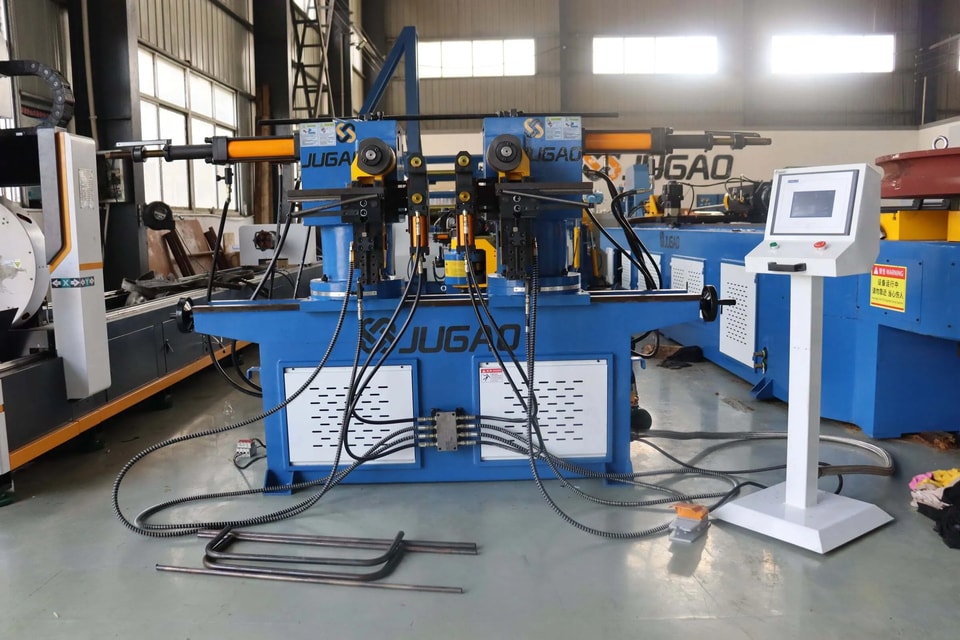
By controlling the pipe temperature within the normal range (15-35℃), maintaining the hydraulic oil temperature at a stable level of 35-50℃, and avoiding localized overheating caused by high-speed continuous pipe bending, these three points will significantly reduce quality problems such as pipe cracks, wrinkles, and scratches, and will also significantly extend the equipment's lifespan.
Contact Us