
Why Shearing Machines Are Indispensable in the Aerospace Industry
2026-05-09

Table of Contents
• Advantages of Shearing Machines in Aerospace Manufacturing
○ Superior Precision and Accuracy
○ Boosted Productivity and Operational Efficiency
○ Cost-Efficient Production Processes
• Typical Aerospace Applications of Shearing Machines
○ Sheet Metal Cutting for Aircraft Structures
○ High-Precision Component Manufacturing
○ Material Preparation for Assembly Procedures
• How to Choose the Ideal Shearing Machine for Aerospace Use
○ Material Compatibility Assessment
○ Capacity and Cutting Length Evaluation
○ Automation Function Review
• Solutions to Common Aerospace Cutting Challenges with Shearing Machines
○ Composite Material Delamination
○ Hard Metal Edge Cracking
○ Material Contamination Risks
• Frequently Asked Questions
○ Maintenance Frequency for Aerospace Shearing Machines
○ Material Handling Capabilities for Aerospace-Grade Metals
○ Essential Safety Protocols for Shearing Machine Operation
• Conclusion
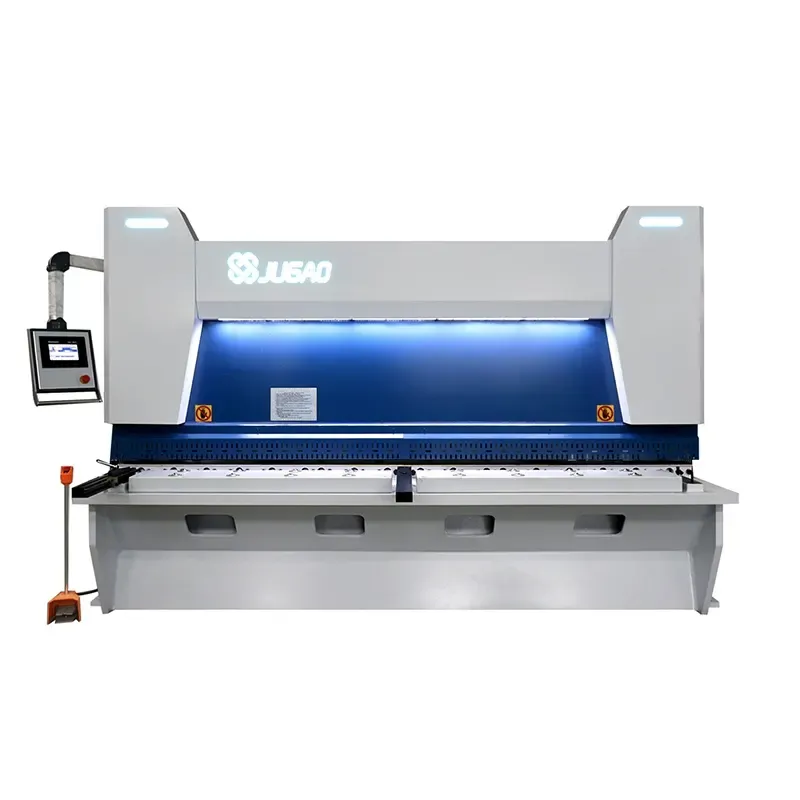
Precision and efficiency stand as non-negotiable core requirements in aerospace manufacturing. If you are seeking to understand the critical importance of shearing machines in this sector, this article will provide comprehensive insights. We will elaborate on their irreplaceable functions, unique advantages, standard operating procedures, and key roles in producing high-quality, safe, and reliable aerospace components. This guide is suitable for both newcomers to aerospace manufacturing and professionals looking to optimize production workflows.
Advantages of Using Shearing Machines in Aerospace Manufacturing
Superior Precision and Accuracy
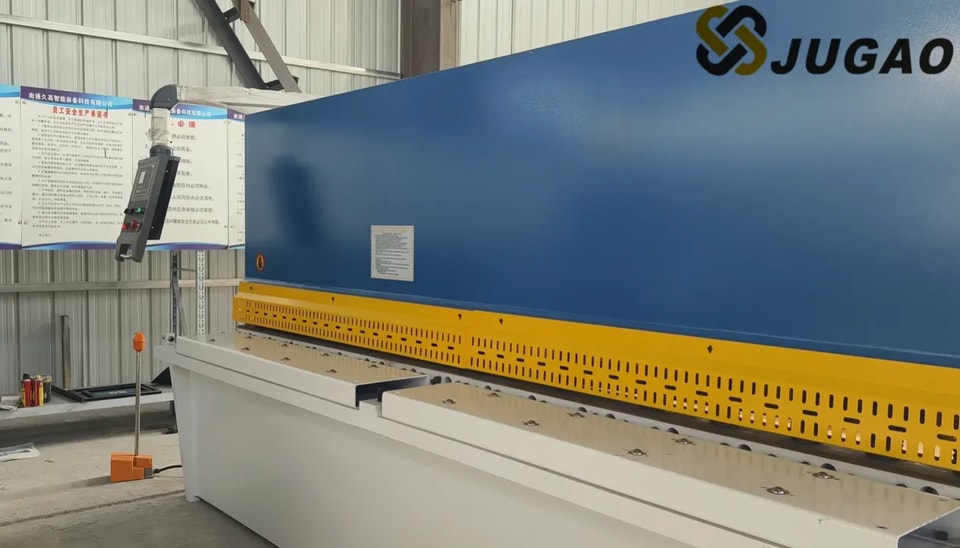
In aerospace manufacturing, tiny dimensional deviations can severely compromise aircraft safety and operational performance. Shearing machines deliver clean, precise cuts that strictly comply with engineering design specifications. Advanced shearing technology effectively minimizes processing errors, cutting down on expensive rework and reducing waste of high-value aerospace materials.
Boosted Productivity and Operational Efficiency
Time control and production efficiency are critical factors in aerospace assembly lines. High-performance shearing machines support fast, consistent cutting operations, significantly streamlining the entire manufacturing process. Shorter production cycles help aerospace manufacturers meet strict delivery schedules, optimize operational flows, and maintain a strong competitive edge in the market.
Cost-Efficient Production Processes
Shearing machines enable aerospace manufacturers to lower production costs while preserving product quality. Their high-precision cutting minimizes material waste, drastically reducing material expenditure. Furthermore, these machines reduce the need for secondary finishing procedures, cutting down labor hours and overall manufacturing costs substantially.
Typical Aerospace Applications of Shearing Machines
Sheet Metal Cutting for Aircraft Structures
One of the core applications of shearing machines in aerospace is cutting sheet metals for aircraft fuselages, wings, and interior components. These machines efficiently process aerospace-standard materials including aluminum alloys, titanium, and stainless steel, ensuring the finished parts achieve an optimal strength-to-weight ratio.
High-Precision Component Manufacturing
Aerospace production demands components with extremely strict dimensional and shape requirements. Shearing machines support the accurate fabrication of intricate parts such as brackets, fasteners, and panels. Consistent component quality directly enhances the operational performance, reliability, and safety of aerospace vehicles.
Material Preparation for Assembly Procedures
Shearing machines also play a vital role in pre-assembly preparation. They produce uniformly sized metal blanks ready for riveting, welding, or bonding processes. This dimensional consistency ensures smooth assembly operations, reducing time spent on part adjustment during final aircraft assembly.
How to Choose the Ideal Shearing Machine for Aerospace Use
Material Compatibility Assessment
Before selecting a shearing machine for aerospace applications, evaluate the types of materials you regularly process. Specialized shearing capabilities are required for materials like titanium and high-strength aluminum alloys. Choosing a machine tailored to your material types ensures equipment durability, lowers maintenance needs, and guarantees stable cutting precision.
Capacity and Cutting Length Evaluation
Aerospace components vary greatly in size and complexity. Verify that the shearing machine supports the cutting lengths and material thicknesses required for your standard aerospace parts. Adequate machine capacity provides production flexibility and avoids workflow bottlenecks.
Automation Function Review
Automation technology greatly improves manufacturing efficiency. Modern shearing machines equipped with programmable control systems and automatic adjustment functions deliver highly repeatable precise cuts with minimal manual operation. These advanced features enhance productivity, accuracy, and operational safety in aerospace manufacturing.
Solutions to Common Aerospace Cutting Challenges with Shearing Machines
Composite Material Delamination
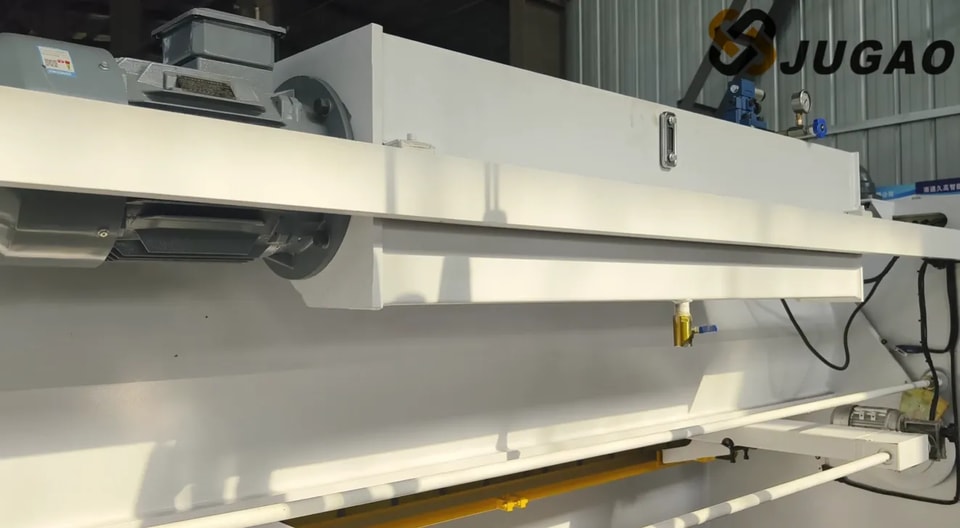
Unlike cutting tools such as saws and torches, shearing avoids heat and vibration that cause composite material delamination, making it an optimal cutting solution for aerospace composites.
Hard Metal Edge Cracking
Proper adjustment of blade angles and cutting clearances reduces the risk of cracks and deformations when processing high-strength aerospace metals.
Material Contamination Risks
Shearing processes produce no fumes or slag, lowering the risk of contamination for high-purity materials used in aerospace frames and fuselages.
Frequently Asked Questions
Maintenance Frequency for Aerospace Shearing Machines
Routine maintenance should be performed every 300 to 500 operating hours. Maintenance tasks include blade condition inspection, moving parts lubrication, and regular calibration to sustain cutting accuracy.
Material Handling Capabilities for Aerospace-Grade Metals
Most high-performance shearing machines can efficiently cut common aerospace metals such as aluminum, titanium, and stainless steel. For ultra-high-strength materials, select a machine specifically rated and engineered for heavy-duty aerospace applications.
Essential Safety Protocols for Shearing Machine Operation
Operators must wear proper personal protective equipment, keep safety guards in place around moving components, and strictly follow the manufacturer’s operating instructions. Regular safety training for machine operators is also highly recommended.
Conclusion
Shearing machines are essential equipment for achieving precision, productivity, and cost efficiency in aerospace manufacturing. By understanding their core advantages and selecting equipment tailored to specific application needs, manufacturers can significantly improve production capacity and end-product quality. For further guidance or professional technical support, please contact our expert team at JUGAO. We are committed to helping you optimize your aerospace manufacturing workflows.
Contact Us