
Why Are Shearing Machines Indispensable in the Aerospace Industry?
2026-05-13

Table of Contents
• Advantages of Shearing Machines in Aerospace Manufacturing
○ Superior Precision and Accuracy
○ Boosted Productivity and Operational Efficiency
○ Economical Production Operations
• Typical Aerospace Applications of Shearing Machines
○ Sheet Metal Cutting for Aircraft Structures
○ High-Precision Component Manufacturing
○ Material Preparation for Assembly Processes
• How to Choose the Right Shearing Machine for Aerospace Use
○ Material Compatibility Assessment
○ Capacity and Cutting Length Evaluation
○ Automation Function Inspection
• Addressing Key Aerospace Cutting Challenges with Shearing Technology
○ Preventing Delamination in Composite Materials
○ Avoiding Edge Cracking in High-Strength Metals
○ Minimizing Contamination Risks
• Frequently Asked Questions
○ Maintenance Frequency for Aerospace-Grade Shearing Machines
○ Material Adaptability of Shearing Machines in Aerospace
○ Essential Safety Protocols for Shearing Machine Operation
• Conclusion
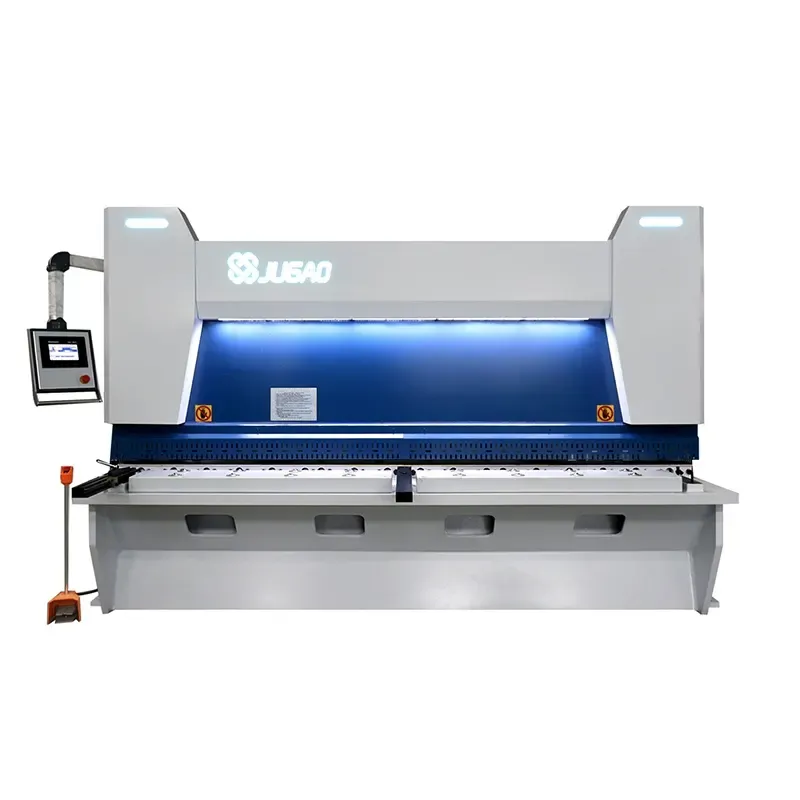
Precision and efficiency stand as the core requirements in aerospace manufacturing. If you want to know the critical importance of shearing machines in this field, this article will provide a comprehensive explanation. It elaborates on the irreplaceable functions of these machines, including their unique advantages, standard operating procedures, and vital roles in producing high-quality, safe, and reliable aerospace components. Whether you are new to aerospace manufacturing or seeking ways to optimize production efficiency, this guide offers professional and practical information.
Advantages of Using Shearing Machines in Aerospace Manufacturing
Superior Precision and Accuracy
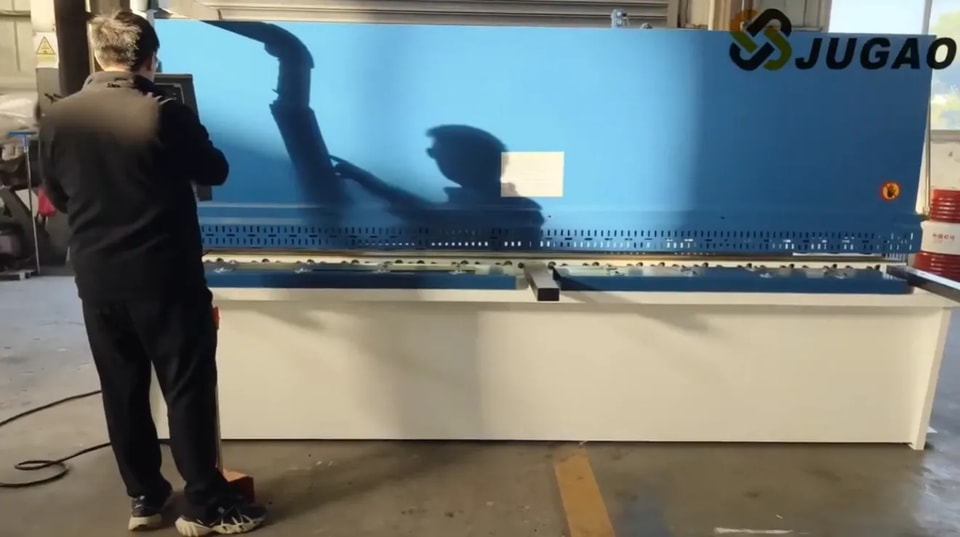
In aerospace production, tiny dimensional errors may lead to serious safety hazards and performance failures. Shearing machines for aerospace applications deliver clean, accurate cuts, ensuring every component fully complies with engineering drawings and technical standards. Advanced shearing technology effectively reduces processing errors, cutting down expensive rework rates and minimizing the waste of high-value aerospace materials.
Boosted Productivity and Operational Efficiency
Time control and production efficiency are decisive factors in aerospace assembly lines. High-performance shearing machines realize fast and stable cutting operations, greatly optimizing the entire manufacturing process. Shorter production cycles help aerospace manufacturers meet strict delivery schedules, simplify workflow arrangements, and maintain strong market competitiveness.
Economical Production Operations
Shearing machines help aerospace enterprises lower production costs without compromising product quality. Their high-precision cutting minimizes material loss, significantly reducing waste costs. Meanwhile, this processing method reduces the demand for secondary surface treatment, saving labor time and overall manufacturing expenses.
Typical Aerospace Applications of Shearing Machines
Sheet Metal Cutting for Aircraft Structures
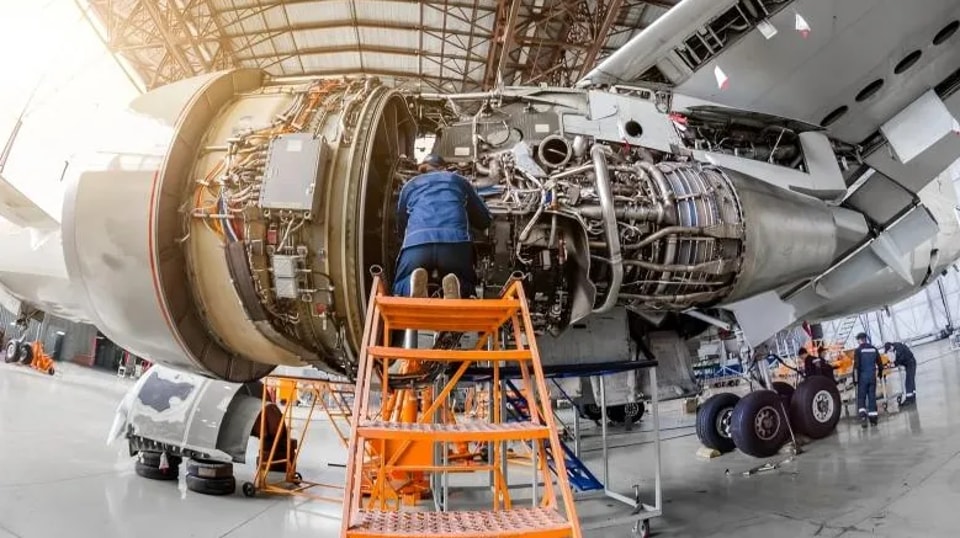
As one of the core applications, shearing machines are widely used for cutting sheet metal used in aircraft fuselages, wings, and interior parts. They efficiently process aerospace-standard materials including aluminum alloy, titanium alloy, and stainless steel, guaranteeing the ideal strength-to-weight ratio of final aircraft components.
High-Precision Component Manufacturing
Aerospace production demands parts with strict dimensional accuracy and complex shapes. Shearing machines enable precise manufacturing of intricate parts such as brackets, fasteners, and panels. Stable and consistent part quality directly improves the operational performance, reliability, and safety of aerospace vehicles.
Material Preparation for Assembly Processes
Shearing machines also play a key role in the pre-assembly stage. They produce metal blanks with uniform specifications, which are ready for riveting, welding, or bonding. This standardized preparation ensures smooth assembly operations and reduces the time for part adjustment in the final aircraft assembly stage.
How to Choose the Right Shearing Machine for Aerospace Use
Material Compatibility Assessment
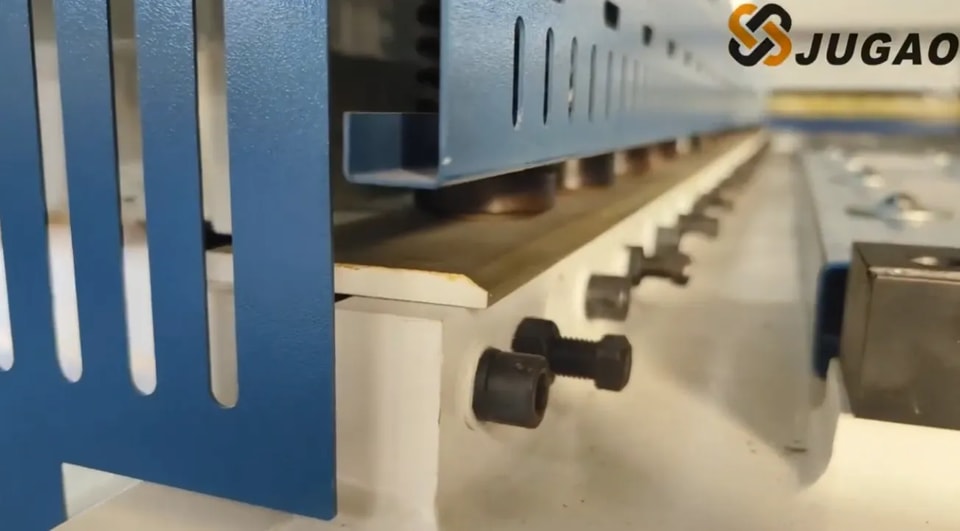
Before selecting a shearing machine, you must clarify the types of materials to be processed, such as titanium alloy and high-hardness aluminum alloy, which need matched shearing performance. Choosing a material-adapted machine ensures equipment service life, reduces maintenance frequency, and maintains stable cutting precision.
Capacity and Cutting Length Evaluation
Aerospace components vary greatly in size and structure complexity. Confirm that the shearing machine can meet the cutting length and thickness requirements of conventional aerospace parts. Sufficient equipment capacity ensures production flexibility and avoids bottlenecks in the manufacturing process.
Automation Function Inspection
Automation technology greatly improves manufacturing efficiency. Modern shearing machines equipped with programmable control systems and automatic adjustment devices achieve high-precision, repeatable cutting with less manual operation. These advanced functions enhance productivity, accuracy, and operational safety in aerospace manufacturing.
Addressing Key Aerospace Cutting Challenges with Shearing Technology
Preventing Delamination in Composite Materials
Unlike cutting tools such as saws and welding torches, shearing processing avoids heat and vibration that cause composite material delamination, making it an optimal cutting solution for composite materials.
Avoiding Edge Cracking in High-Strength Metals
Reasonable adjustment of blade angle and cutting clearance effectively prevents cracks and deformations during the cutting of high-strength metal materials.
Minimizing Contamination Risks
Shearing processing produces no smoke, welding slag, or other pollutants, greatly reducing the contamination risk of high-purity materials used in aerospace frames and fuselages.
Frequently Asked Questions
Maintenance Frequency for Aerospace-Grade Shearing Machines
Routine maintenance is required after every 300 to 500 operating hours, including blade condition inspection, moving parts lubrication, and precision calibration to sustain stable cutting performance.
Material Adaptability of Shearing Machines in Aerospace
High-quality shearing machines can efficiently process common aerospace materials like aluminum alloy, titanium alloy, and stainless steel. For ultra-high-strength materials, select a machine specially designed for heavy-duty aerospace material cutting.
Essential Safety Protocols for Shearing Machine Operation
Operators must wear personal protective equipment, ensure complete safety protection for moving parts, and strictly follow the manufacturer’s operation manuals. Regular safety training for operating staff is also strongly recommended.
Conclusion
Shearing machines are essential equipment in the aerospace industry, supporting the realization of high precision, high efficiency, and cost-effectiveness in aerospace manufacturing. By mastering their performance advantages and selecting equipment matching specific production needs, you can significantly upgrade production capacity and final product quality. For more professional guidance and technical support, please contact the expert team at JUGAO. We are committed to helping you optimize the entire process of aerospace manufacturing.
Contact Us