
Reasons for Uneven Bending Depth in Press Brakes
2026-03-25

Table of Contents
• Common Triggers of Uneven Bending Depth in Press Brakes
○ Inconsistent Thickness of Metal Sheets
○ Incorrect Alignment of Tooling
• Machine-Related Factors Impacting Bending Depth Precision
○ Unstable Hydraulic Pressure
○ Ram Parallelism Deviations
• Issues with Backgauge and CNC Programming
○ Positioning Errors of Backgauge
○ Wrong CNC Parameter Configurations
• Step-by-Step Troubleshooting for Uneven Bending Depth
○ Step 1: Check Material Uniformity
○ Step 2: Examine Tooling Installation
○ Step 3: Confirm Backgauge Precision
○ Step 4: Inspect Hydraulic and Mechanical Components
• Frequently Asked Questions
○ Why does one side of the sheet bend deeper in the press brake?
○ Will material thickness lead to uneven bending depth in press brakes?
○ How to calibrate a press brake to eliminate uneven bending depth?
○ Can routine preventive maintenance prevent uneven bending depth?
• Conclusion
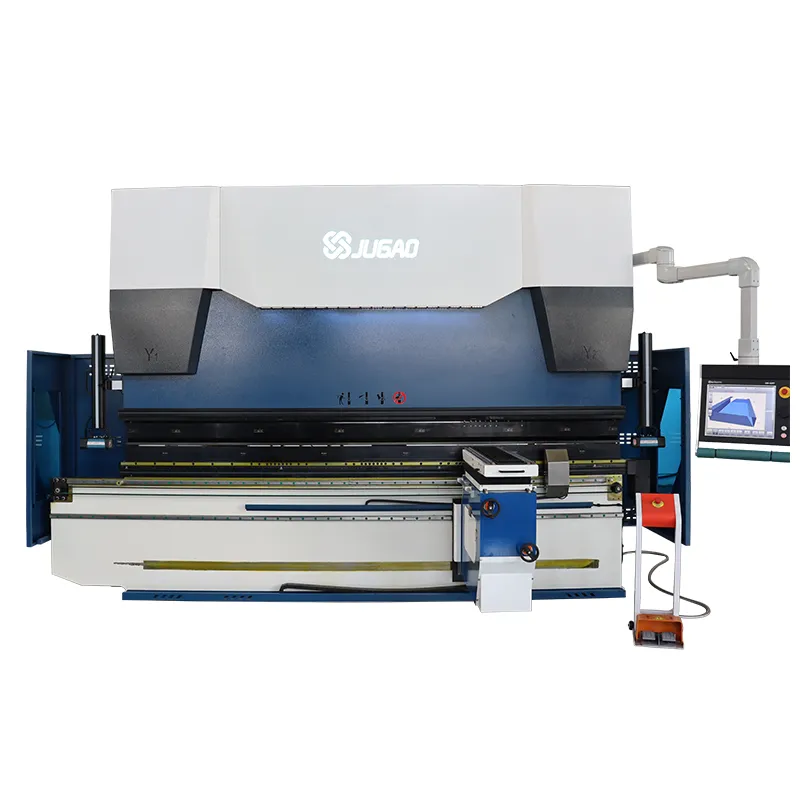
Uneven bending depth is a frequent problem in sheet metal processing workshops, which is reflected in the inconsistent bending depths of different areas on the same workpiece. In most situations, this fault is not caused by a single factor, but the combined effect of multiple problems. Based on practical operation experience, the uneven bending depth of press brakes is mostly attributed to improper tooling alignment, inconsistent sheet thickness, inaccurate backgauge positioning, or unstable hydraulic pressure. This article will elaborate on the typical causes of this problem and share practical troubleshooting methods to restore stable bending accuracy and ensure consistent production efficiency.
Common Triggers of Uneven Bending Depth in Press Brakes
Before adjusting the press brake, the first step is to confirm the root cause. Uneven bending depth is generally derived from mechanical failures, hydraulic system abnormalities, or improper equipment setup.
Inconsistent Thickness of Metal Sheets
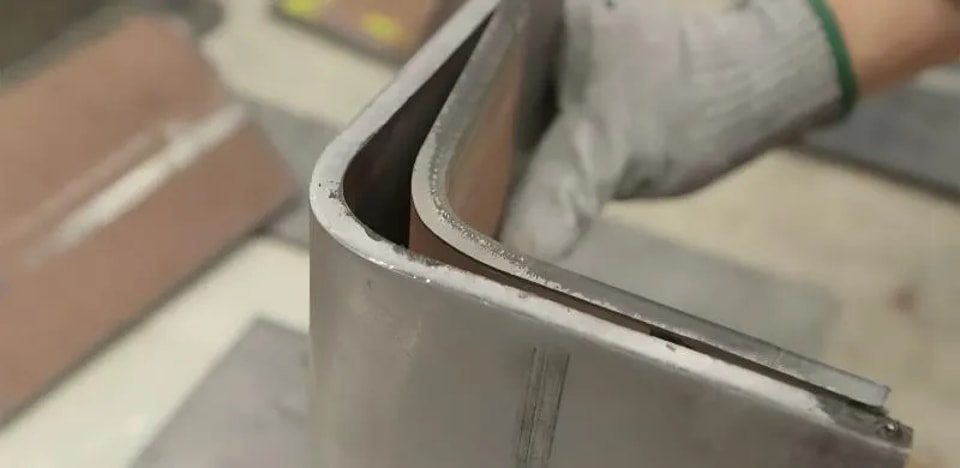
One of the most common yet easily ignored causes is the inconsistent thickness of raw metal sheets. Even a tiny thickness difference along the length of the sheet will lead to changes in bending depth during operation.
When facing this problem, I usually use a micrometer to measure the sheet thickness at multiple positions. Obvious thickness variation will inevitably cause uneven bending angles and depths of the press brake.
Solutions to reduce this problem:
• Adopt metal sheets from the same production batch
• Check sheet thickness before formal production
• Adjust bending parameters when thickness variation exists
Stable raw material quality is the basic guarantee for achieving uniform bending effects.
Incorrect Alignment of Tooling
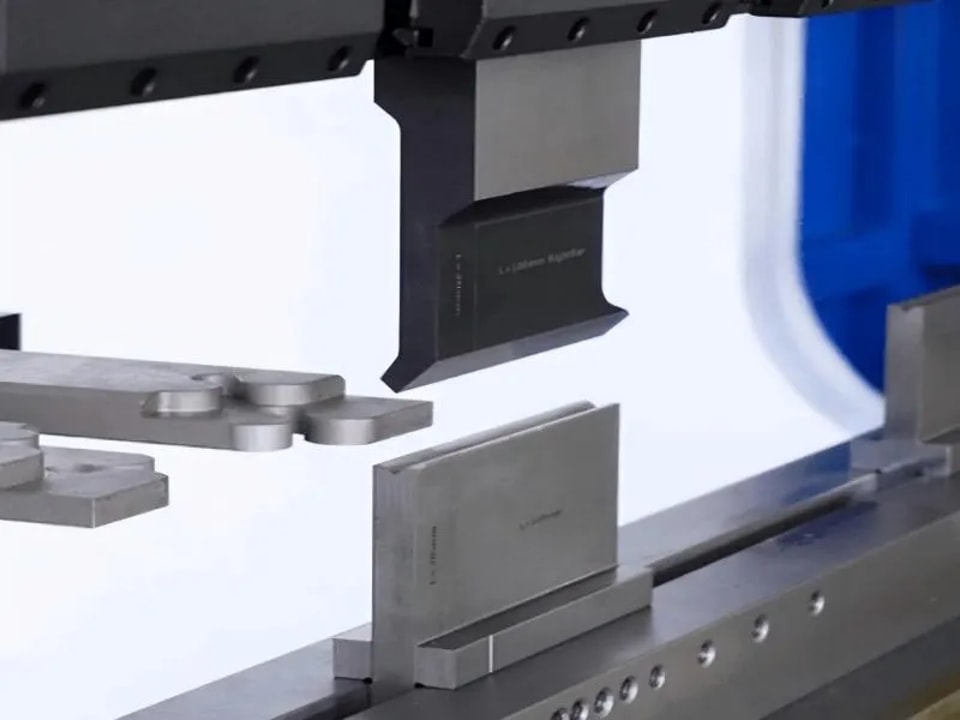
Poor alignment between the punch and die is another major cause of uneven bending depth in press brakes.
If the punch and die are not centered or kept parallel completely, the stress on both sides of the sheet will be unbalanced, resulting in deeper bending on one side and shallower bending on the other.
Key inspection points during tooling installation:
• Whether the punch and die are installed in place
• Whether the clamping device fixes the tooling firmly
• Whether the tooling length matches the bending range
A slight alignment deviation will greatly reduce the bending precision.
Machine-Related Factors Impacting Bending Depth Precision
In some cases, the uneven bending depth is caused by the equipment itself, rather than raw materials or tooling.
Unstable Hydraulic Pressure
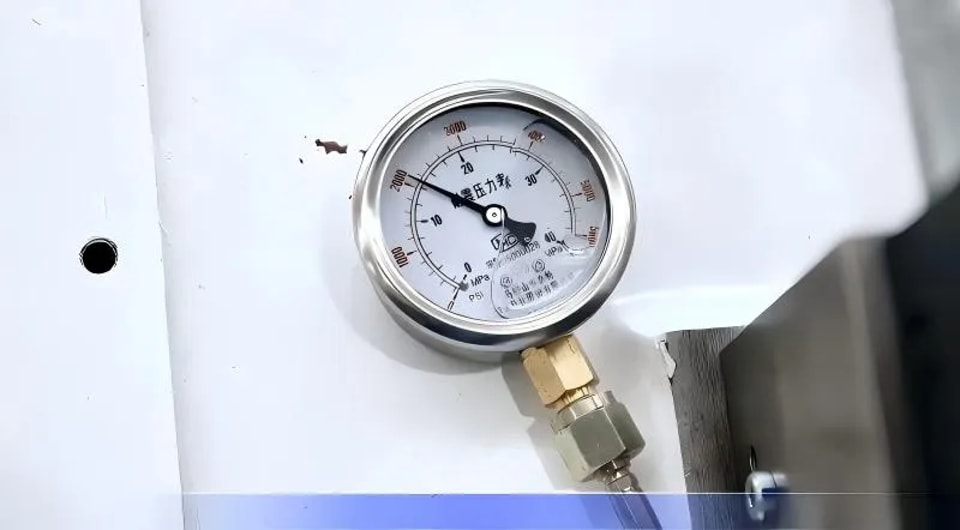
Hydraulic press brakes depend on stable pressure to control the operation of the ram. Fluctuations in the hydraulic system will make the ram unable to reach the preset bending depth accurately.
Typical abnormal manifestations:
• Slight differences in bending angles
• Slow or non-uniform ram operation
• Unstable displayed pressure values
When troubleshooting, I focus on checking the hydraulic oil quality, filters, and pressure valves. Regular equipment maintenance can avoid the impact of such problems on bending accuracy.
Ram Parallelism Deviations
When the ram is not completely parallel to the workbench, one side of the equipment will drop to a deeper position during bending.
Main causes of this problem:
• Mechanical component wear
• Improper equipment calibration
• Long-term use leading to frame deformation
To solve this, I use precision measuring tools to detect the parallelism of the equipment, and adjust the synchronous system accordingly.
Issues with Backgauge and CNC Programming
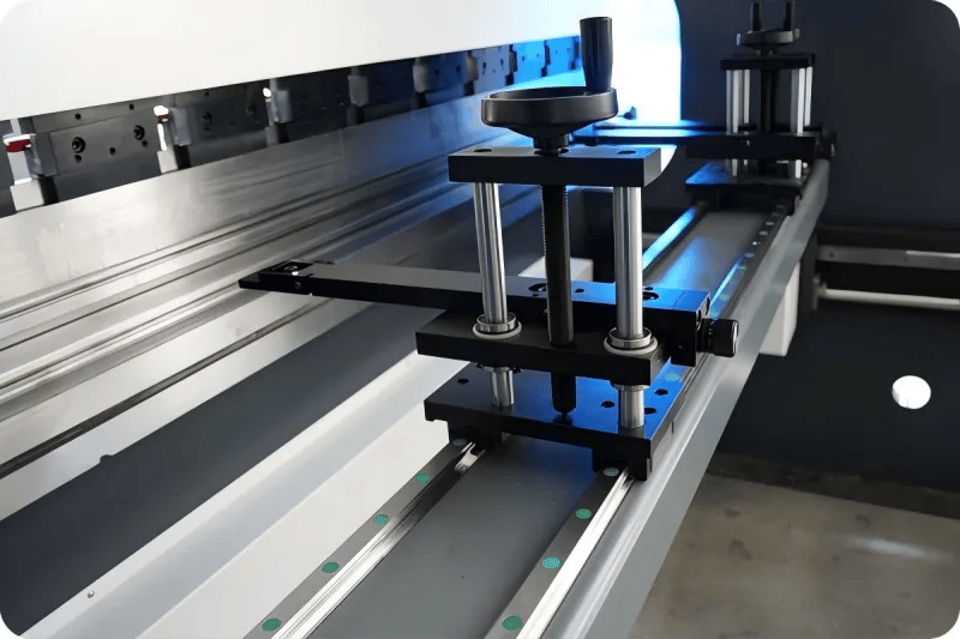
The backgauge system is also a key factor leading to uneven bending depth in press brakes.
Positioning Errors of Backgauge
The backgauge is used to determine the accurate placement of the sheet before bending. Inaccurate positioning will cause a slight offset of the bending line.
Common consequences of this problem:
• Uneven bending along the workpiece
• Inconsistent bending depth of multiple processed parts
To fix this, I recalibrate the backgauge system and verify its positioning accuracy.
Wrong CNC Parameter Configurations
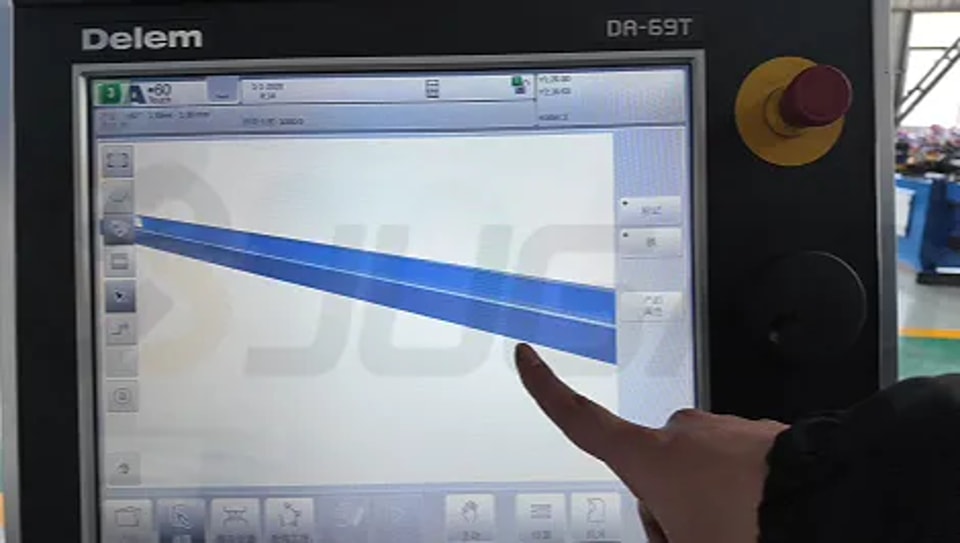
Modern CNC press brakes are highly dependent on programming parameters, mainly including:
• Bending depth
• Sheet thickness
• Tooling dimensions
Incorrect parameter settings will make the equipment unable to perform effective compensation during bending.
When uneven bending depth occurs, I will recheck the CNC program to ensure the parameters are consistent with the actual used materials and tooling.
Step-by-Step Troubleshooting for Uneven Bending Depth
I adopt a standardized inspection process to diagnose the cause of uneven bending depth.
1. Check Material Uniformity
First, measure the sheet thickness at multiple points. Inconsistent material thickness is usually the easiest fault to identify.
2. Examine Tooling Installation
Then, confirm the accurate alignment and firm clamping of the punch and die. Alignment deviation is a common trigger of uneven bending depth.
3. Confirm Backgauge Precision
Conduct several trial bending operations to test the positioning of the backgauge and check its repeated positioning accuracy.
4. Inspect Hydraulic and Mechanical Components
Finally, check the stability of hydraulic pressure, ram parallelism, and equipment lubrication status.
Following this step-by-step process can quickly locate the real cause of the problem.
Frequently Asked Questions
Why does one side of the sheet bend deeper in the press brake?
This situation is mostly caused by incorrect tooling alignment or ram parallelism deviations. Checking and adjusting the tooling setup can usually solve the problem.
Will material thickness lead to uneven bending depth in press brakes?
Yes. The thickness variation of metal sheets directly affects the consistency of bending depth and angle.
How to calibrate a press brake to eliminate uneven bending depth?
First, check the ram parallelism and tooling alignment, then recalibrate the backgauge, and finally confirm the correctness of CNC bending parameters.
Can routine preventive maintenance prevent uneven bending depth?
Definitely. Regular equipment lubrication, hydraulic system inspection, and alignment calibration can maintain stable bending performance of the press brake.
Conclusion
Uneven bending depth is a common fault in sheet metal processing, but it can be solved through systematic inspection and standard equipment setup in most cases. According to practical experience, the uneven bending depth of press brakes is mostly related to inconsistent materials, tooling alignment deviation, hydraulic system instability, or backgauge calibration errors.
By checking the above factors step by step and carrying out regular equipment maintenance, the bending accuracy and production consistency can be significantly improved. If the problem of uneven bending still exists, or you need professional guidance on equipment calibration, you can contact the technical team for further support, or view more press brake operation documents on the official website.
Contact Us