

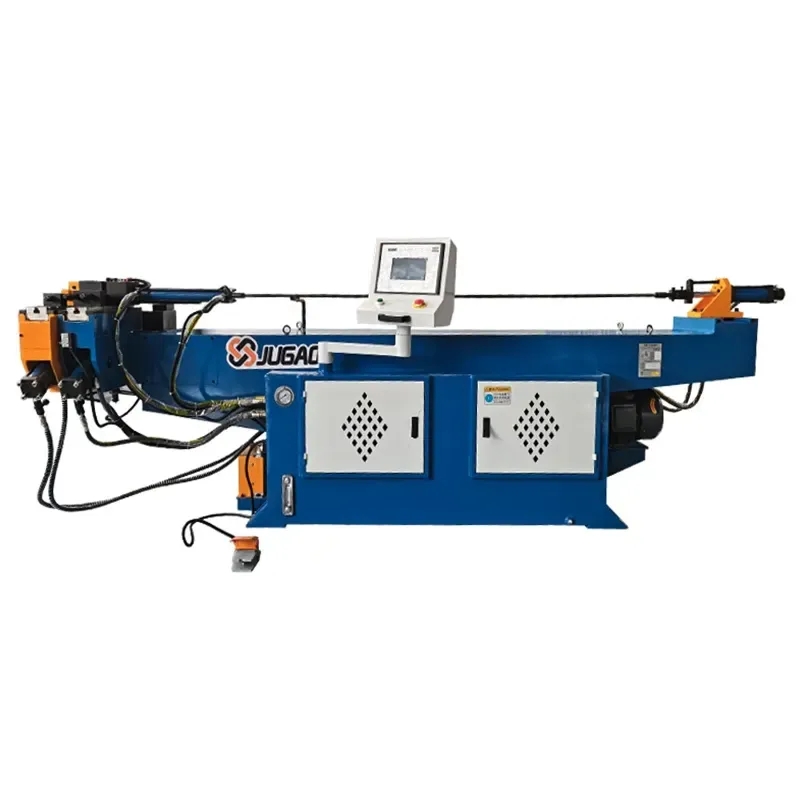
Professional Hydraulic Valve Group Maintenance Guide for Press Brakes
2025-08-26

The hydraulic valve group is the core control unit of the hydraulic system. Its working state directly affects the equipment's operating efficiency and stability. Standardized maintenance can not only extend the service life of the equipment, but also prevent sudden failures and ensure production safety. The following is a professional-level maintenance operation process:
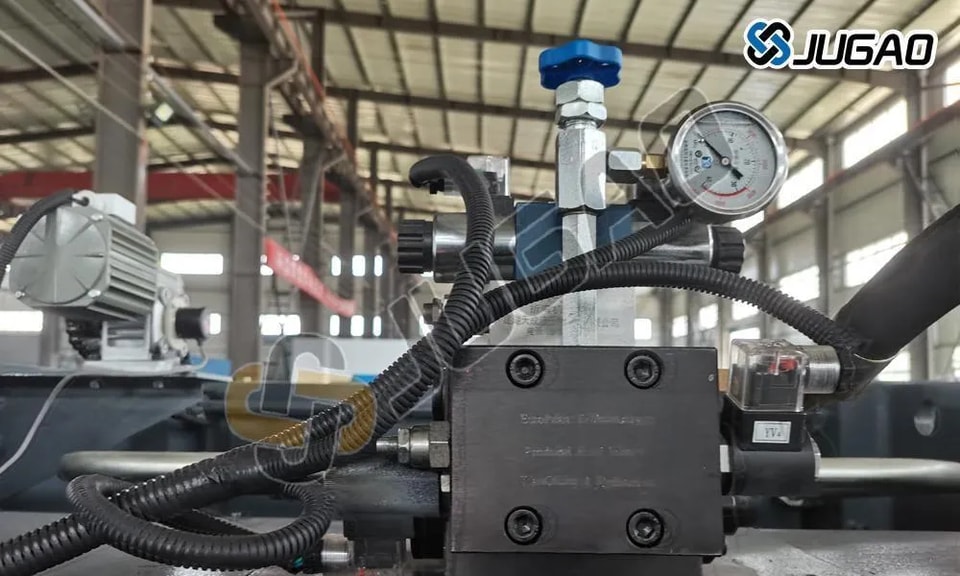
Comprehensive Maintenance Protocol
Pre-Maintenance Preparation
1. Safety Lockout Procedure
l Engage main power disconnect
l Install physical lockout devices with personal safety locks
l Verify zero energy state by attempting to cycle machine
l Release all hydraulic pressure from system
2. Workspace Setup
l Clean, well-lit work area
l Oil containment system (drip pans/absorbent materials)
l Organized tool station with labeled containers
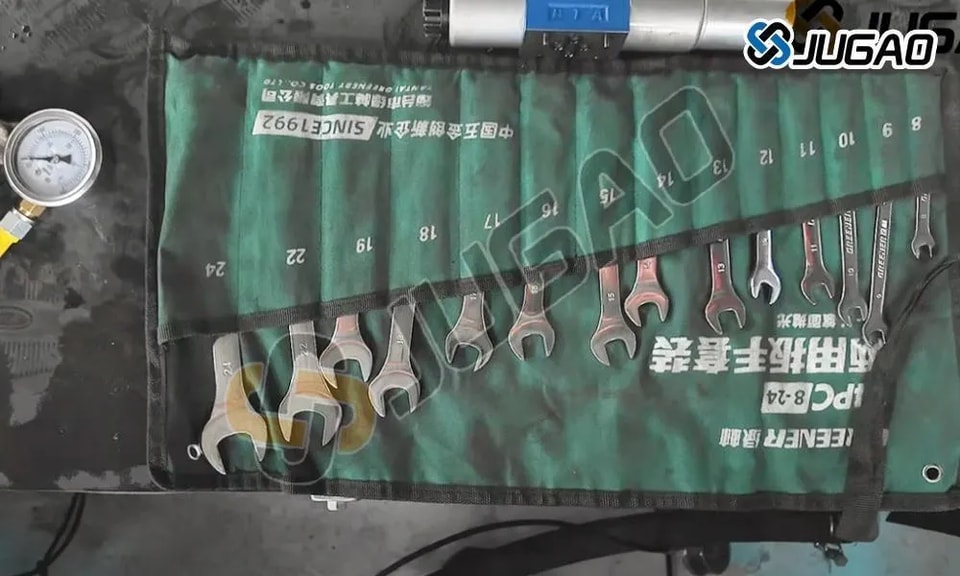
3. Required Tools & Materials
l Metric hex wrench set (4mm-10mm)
l Magnetic retrieval tools
l Ultrasonic cleaning bath (optional)
l Hydraulic seal kit (manufacturer specified)
l Precision measuring instruments
Detailed Disassembly Procedure
Step 1: Valve Group Isolation
1) Locate primary hydraulic valve manifold
2) Tag and photograph all hydraulic connections
3) Drain residual hydraulic fluid into approved containers
4) Disconnect electrical solenoids (note wiring configuration)
Step 2: Systematic Disassembly
Component Layer | Fastener Size | Torque Spec | Special Notes |
Outer Cover Plate | M5 Hex | 8-10 Nm | Contains primary O-ring |
Intermediate Plate | M8 Hex | 12-15 Nm | Houses relief valve spring |
Valve Core Housing | M6 Hex | 10-12 Nm | Magnetic retrieval recommended |
Step 3: Component Inspection
1. Valve Core Examination
l Check for scoring/wear patterns (use 10× magnification)
l Measure core diameter (tolerance ±0.01mm)
l Verify smooth travel through bore
2. Spring Evaluation
l Free length measurement
l Compression test (compare to OEM specs)
l Visual inspection for fatigue cracks
3. Seal Assessment
l Hardness check (Shore A scale)
l Cross-section deformation analysis
l Surface imperfection detection
Advanced Cleaning Techniques
Mechanical Cleaning Process
1. Primary Debris Removal
l Use lint-free swabs with mineral spirits
l Magnetic particle extraction
l Compressed air blast (regulated to 2 bar)
2. Precision Surface Treatment
l Ultrasonic cleaning (20kHz, 60°C solution)
l Micro-abrasive polishing (600+ grit)
l Final solvent rinse (approved hydraulic fluid)
Contamination Analysis
Collect particulate samples for:
l Metallurgical composition
l Particle size distribution
l Source identification (wear vs. contamination)
Reassembly & Testing Protocol
Precision Reassembly Steps
1. Component Lubrication
l Apply manufacturer-specified assembly lubricant
l Coat all sliding surfaces evenly
l Protect seals with hydraulic fluid film
2. Torque Sequence
l Follow star pattern tightening
l Use calibrated torque wrench
l Three-stage torque process (50%, 80%, 100%)
3. Alignment Verification
l Dial indicator check (runout <0.02mm)
l Solenoid actuation test (bench test)
l Manual spool movement verification
System Commissioning
1. Pre-Start Checks
l Verify fluid level and condition
l Inspect for leaks (pressure-less)
l Confirm electrical connections
2. Operational Testing
l Low-pressure cycle test (25% rated)
l Full stroke verification
l Pressure ramp test (incrementally to 100%)
3. Performance Validation
l Response time measurement
l Pressure holding test
l Cycle consistency evaluation
Maintenance Interval Recommendations
Component | Inspection Frequency | Replacement Criteria |
Valve Spool | 500 hours | >0.03mm wear |
Seals | 2,000 hours | Hardness change >15% |
Springs | 5,000 hours | >5% length deformation |
Entire Assembly | 10,000 hours | Cumulative wear indicators |
Troubleshooting Matrix
Symptom | Probable Cause | Corrective Action |
Delayed response | Contaminated spool | Ultrasonic cleaning |
Pressure fluctuation | Worn seals | Full seal replacement |
External leakage | Improper torque | Re-torque to spec |
Erratic movement | Spring fatigue | Spring kit replacement |
Advanced Maintenance Tips
1. Predictive Maintenance
l Implement oil analysis program
l Install particle counters
l Trend performance data
2. Component Upgrades
l Consider coated spools for extended life
l Upgrade to high-cycle seals
l Install quick-disconnect fittings
3. Documentation Standards
l Maintain component history logs
l Photograph critical stages
l Record torque values
Safety Compliance Checklist
l ANSI B11.3 machine safety standards
l OSHA lockout/tagout requirements
l NFPA hydraulic system guidelines
l Manufacturer-specific warnings
Conclusion
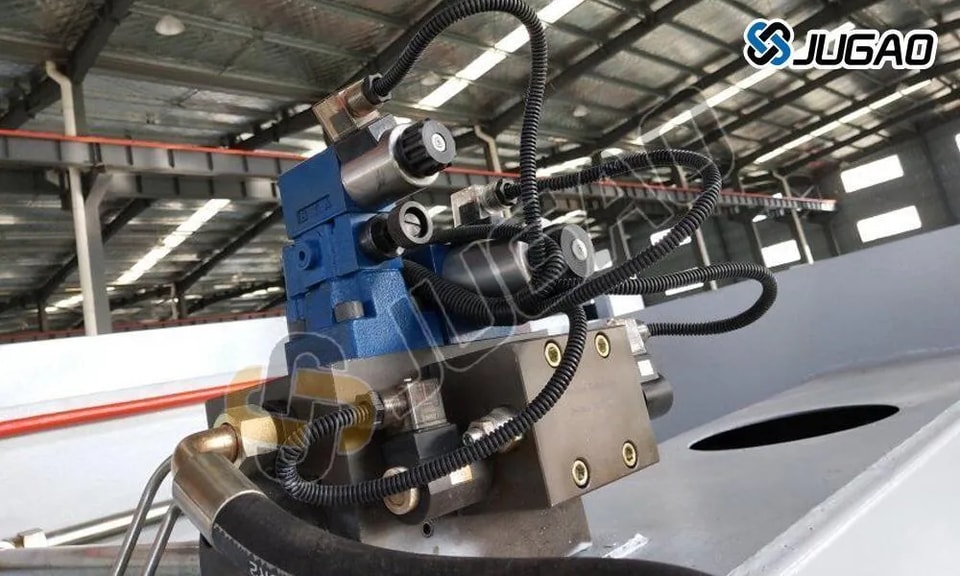
This professional maintenance protocol extends valve group service life by 40-60% while ensuring optimal press brake performance. Regular maintenance following these procedures prevents 85% of hydraulic-related downtime. Always consult OEM manuals for model-specific requirements and keep detailed service records for warranty compliance.
Contact Us