

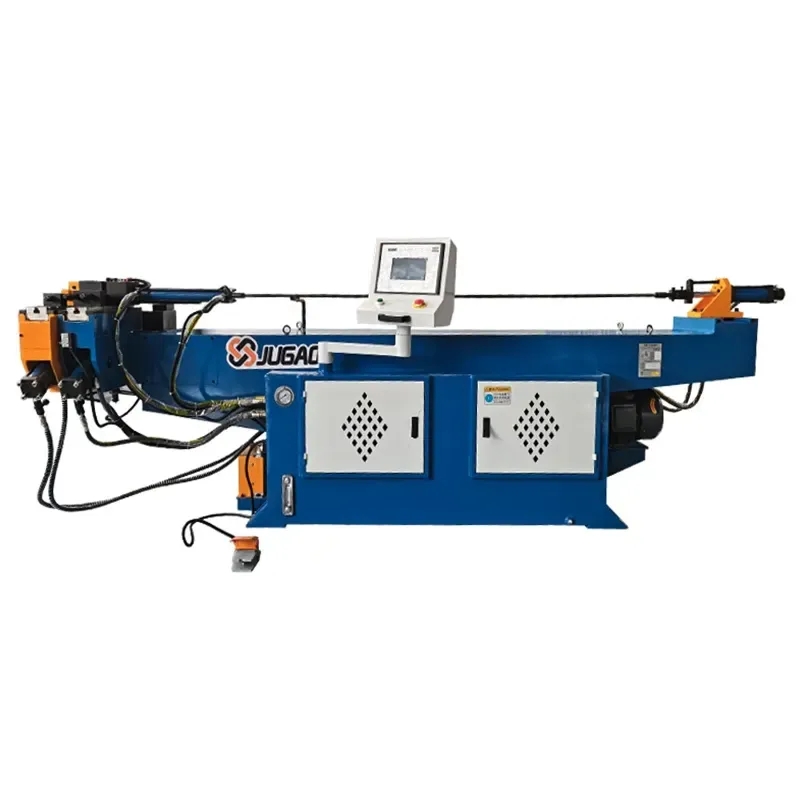
Maintenance of Pipe Bending Machine Belts: Don't Wait Until They Break to Check Them
2026-05-22

The belts in a pipe bending machine (main motor belt, servo motor belt, oil pump belt) may seem insignificant, but if one breaks, the entire machine will be ground to a halt. I've seen too many people neglect their belts, only to have them snap during peak production season, resulting in two days of waiting for replacements and missed orders.
Below are some belt maintenance tips I've accumulated over the years. Following these tips will ensure your belts last a long time.
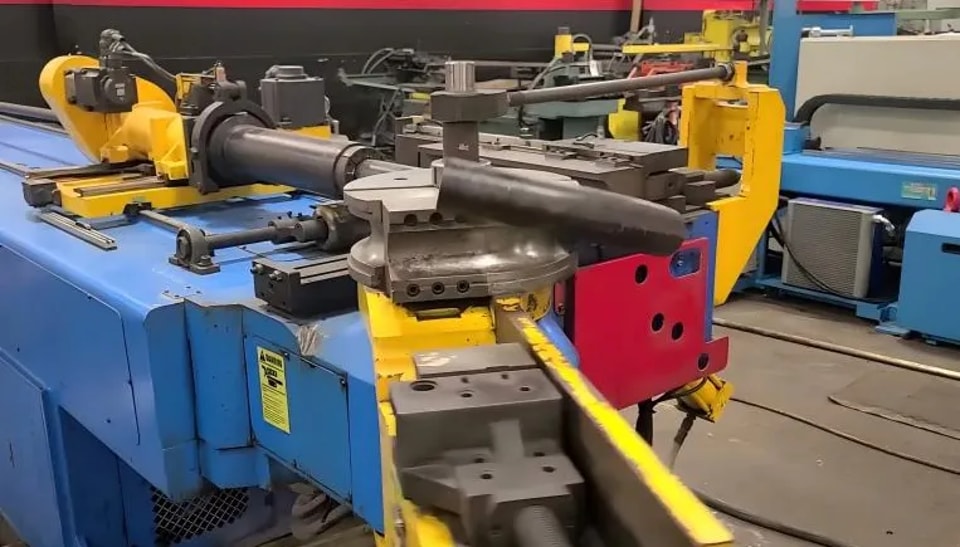
1. How often should I check it? A weekly check is easy.
Before starting the machine each week, take a minute to check the belt condition. Focus on three things:
**Cracks:** Are there tiny cracks on the inner teeth of the belt? If so, the rubber is aging and needs replacement.
**Wear:** Is the side of the belt shiny and fuzzy? This indicates the pulleys may be misaligned or the belt may have slipped.
**Oil:** Hydraulic oil seeping onto the belt will corrode the rubber and cause slippage. Clean any oil stains immediately and check for leaks.
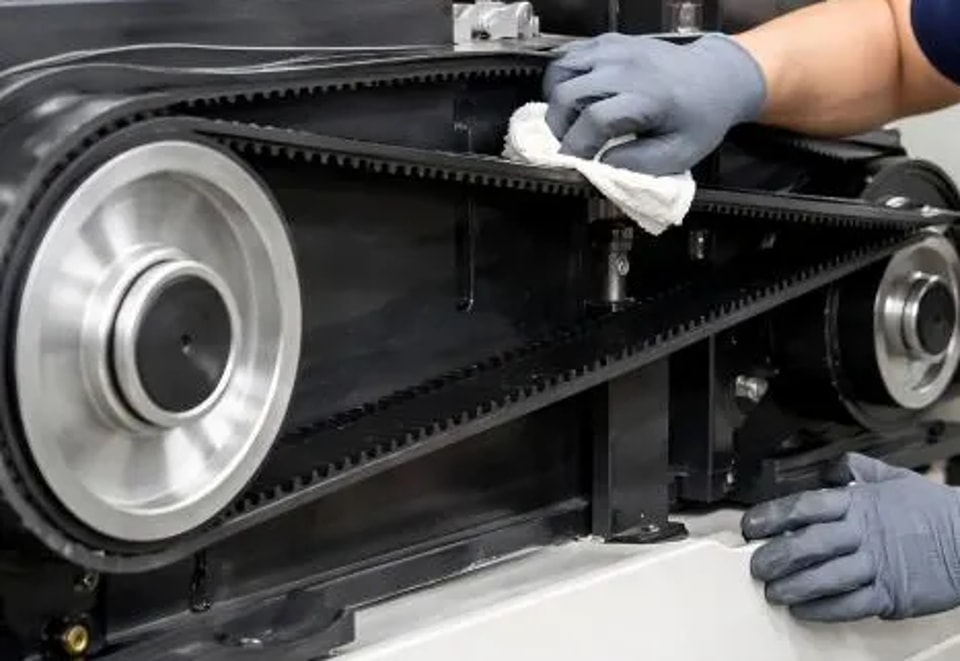
2. How do I adjust the tension? Not too tight, not too loose.
If the belt is too loose, it will slip, reduce speed, and bend the pipe without force, resulting in unstable angles. If it's too tight, the bearings and motor shaft will be under excessive stress, causing a buzzing sound soon.
A simple method to check: Press down on the middle of the belt (the midpoint between the two pulleys) with your finger. If you can press down 10-15mm (about the width of a thumb), the tension is about right. It's too tight to press down, and too loose to collapse with a light press.
When adjusting, loosen the bolts on the generator base, use a jack or pry bar to move the motor position, adjust it, and then tighten them again. Press down again to confirm after adjustment.
3. When to Replace? Don't wait until it breaks.
If you see cracks on the belt teeth or exposed side fabric layers, replace it immediately.
Even if it's been used for more than a year without cracks, it's recommended to replace it. Belts are rubber parts and will naturally age over time. Replacing it once a year isn't expensive, but breaking it is a big loss.
Belts must be replaced in pairs. Some machines use two belts; replacing only the damaged one and mixing old and new belts puts more stress on the new belt, causing it to break quickly.
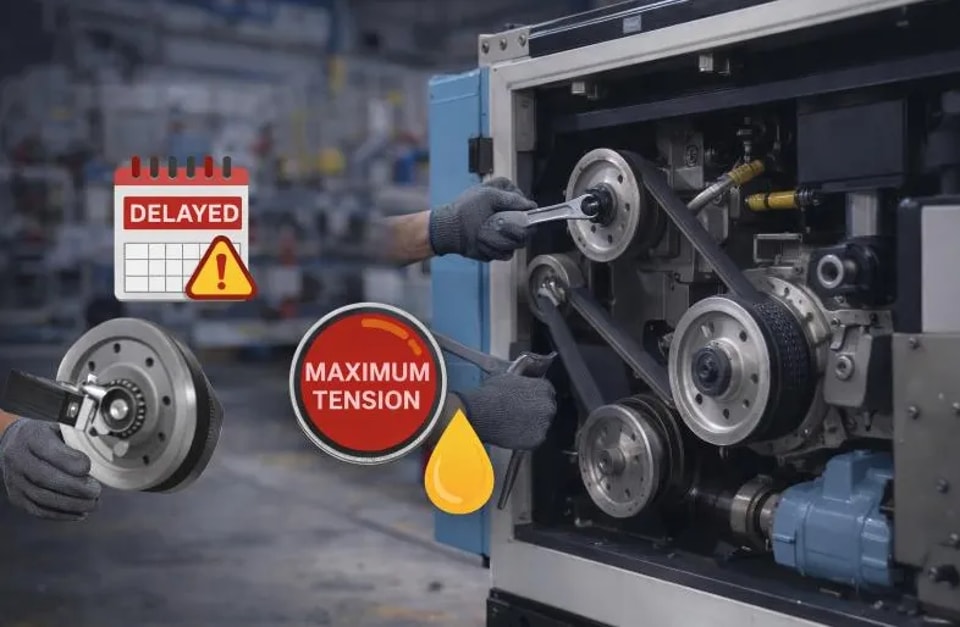
4. Precautions for Installing a New Belt
First, clean the oil and metal shavings from the pulley grooves; otherwise, the new belt will wear out quickly.
Don't pry it open with a screwdriver during installation; this will damage the belt's fabric layers. Loosen the generator, manually put the belt on, and then tighten it.
The belt model must be exactly the same, such as SPA, SPB, or B type; even a single letter difference is unacceptable. Remove the old belt and check the markings on it before buying a new one.
5. Daily Usage Habits
Before starting the pipe bending machine, briefly run it to listen for a squeaking or slipping sound from the belt. If there is, tighten it or check for oil contamination.
Avoid frequent starts and stops, especially sudden stops under heavy loads, as this easily damages the belt.
Make sure the belt cover is properly installed; don't remove it because it's inconvenient. Metal filings and coolant splashed onto the belt will significantly reduce its lifespan.
6. A Money-Saving Tip
Keep a set of commonly used belts in the workshop. SPA, SPB, and B-type belts are highly versatile; spending a few tens of yuan to have them on hand means you won't have to wait for express delivery when needed. My workshop always has a row of new belts hanging there; we replace them when needed, never causing delays.
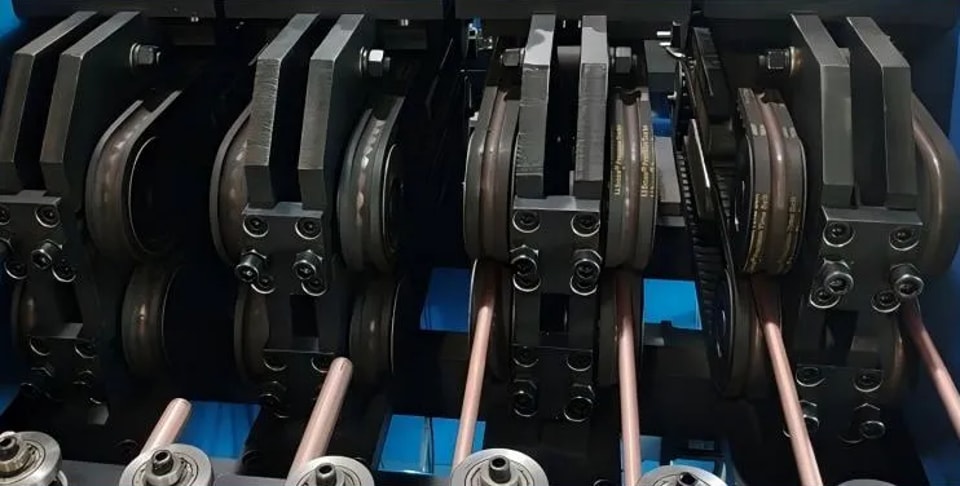
Belts are consumables and cannot be patched up and fixed. Regular checks, timely replacements, and adequate inventory will greatly reduce the trouble of sudden machine failures in pipe bending machines.
Contact Us