


How to maintain the motor of a pipe bending machine? Don't overlook these details
2026-05-22

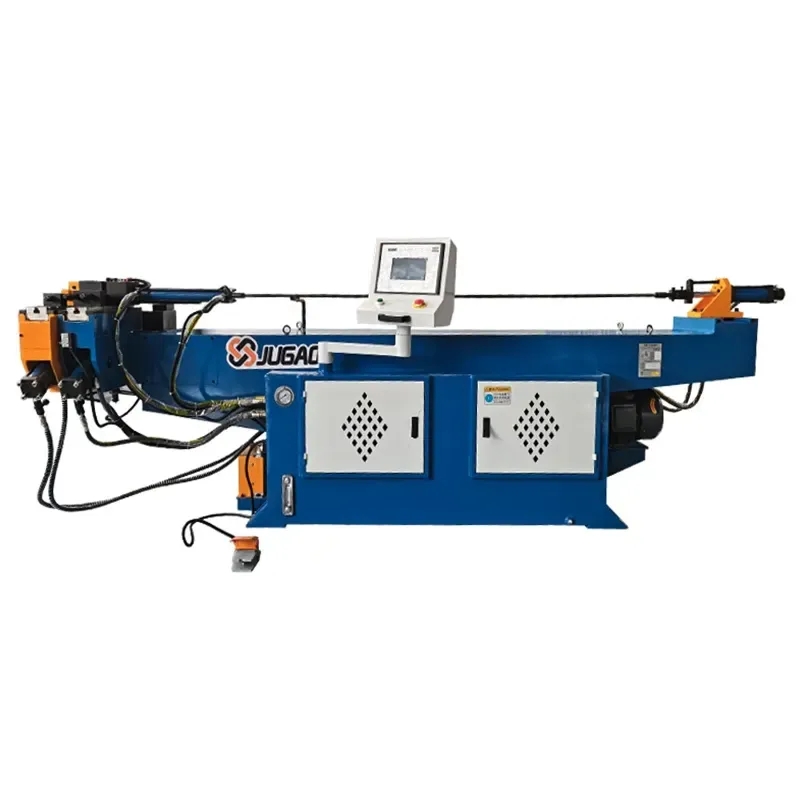
The motor is the power heart of the pipe bending machine. If the main motor, servo motor, or hydraulic motor malfunctions, the machine will be grounded. Following the maintenance methods below can at least double the motor's lifespan.
I. Routine Inspection: Look, Listen, and Touch
Check Current: Is the motor current reading on the control panel stable? A sudden increase indicates overload or mechanical jamming.
Listen to Sound: A normal motor produces a uniform "humming" sound. Sharp squealing (insufficient bearing lubrication), periodic impacts (rotor rubbing), or chaotic electromagnetic sounds (phase loss) indicate an immediate need to stop the machine and troubleshoot.
Touch Temperature: Touch the motor casing with the back of your hand (caution: safety). The operating temperature is generally between 40-70℃. If it's too hot to touch (>80℃), check the cooling system or load.
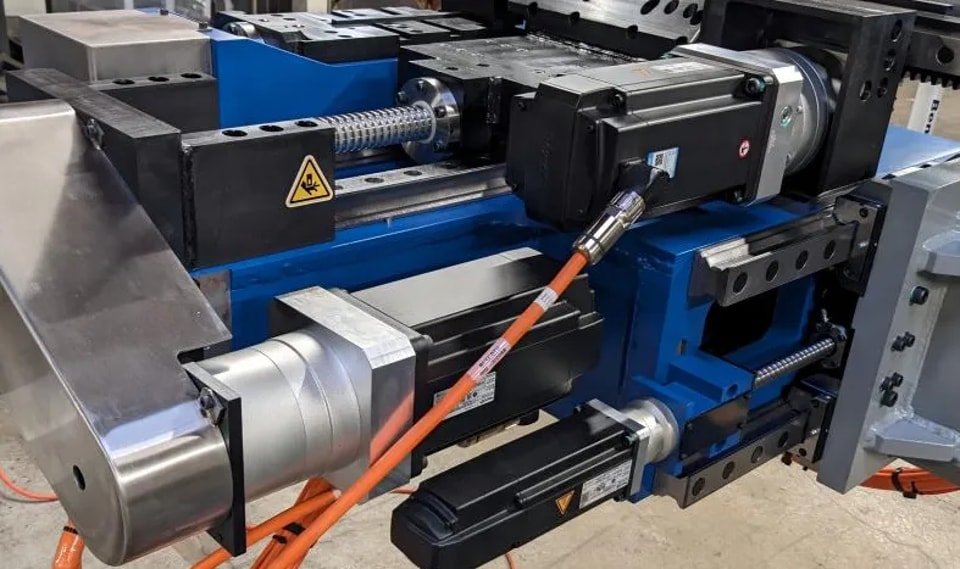
II. Regular Cleaning: Cooling is Crucial
External Surfaces: Clean the motor casing, fan cover, and heat sink monthly with a brush or vacuum cleaner to remove oil and dust. Blockages accelerate temperature rise and insulation aging.
Fan Blades: Check for damaged or loose fan blades. Damaged fan blades result in insufficient airflow, causing the motor to overheat quickly.
Ventilation Ducts: Ensure there are no obstructions around the motor and maintain airflow.
III. Bearing Lubrication: More Grease Isn't Always Better
Frequency: For ordinary motors, add grease every 2000-3000 hours of operation (approximately 6 months to 1 year); for high-frequency start-stop or heavy-load motors, shorten this to 3 months.
Grease Type: Use lithium-based grease (NLGI No. 2). Avoid mixing different brands/types.
Amount Added: 1/3 to 1/2 of the bearing chamber volume. Too much will cause overheating and oil leakage; too little will result in dry friction. Slightly more can be added for low-speed, heavy-load applications, while less is needed for high-speed, light-load applications.
Removing Waste Grease: For motors with a drain hole, open the drain hole during grease application until new grease is squeezed out. For motors without a drain hole, periodically disassemble and clean the old grease.
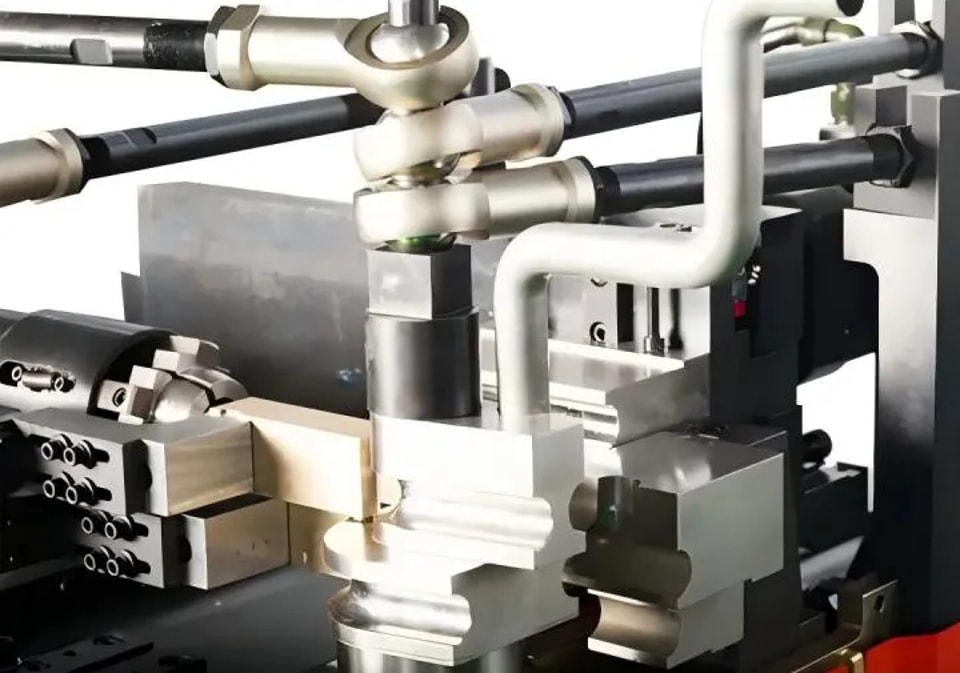
IV. Wiring and Insulation: Don't Let Small Problems Grow
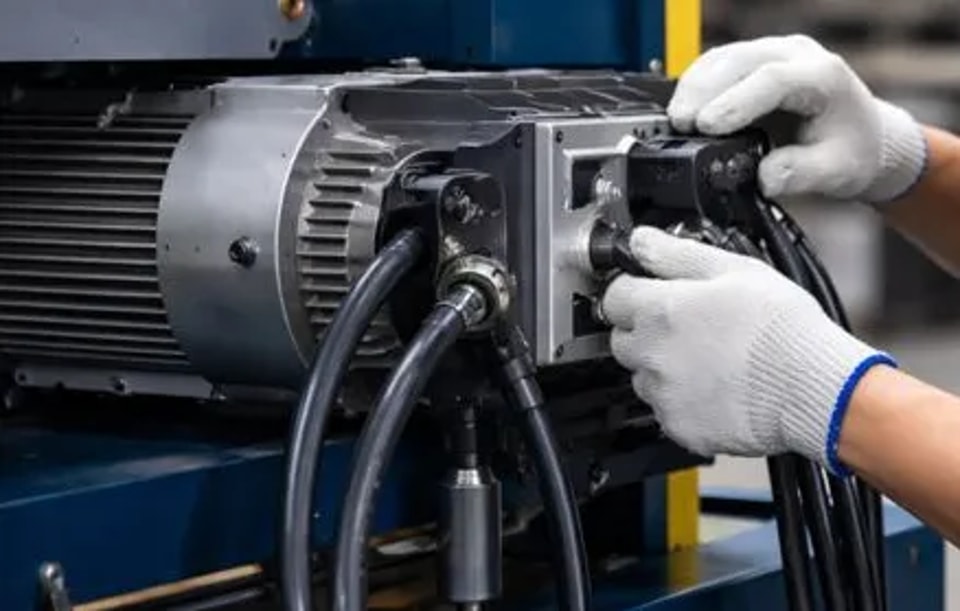
Terminal Tightening: Check the terminal screws in the motor junction box quarterly for looseness. Loose screws can increase contact resistance and cause arcing, burning out the terminals.
Cable Inspection: Check the power cord and encoder cable (servo motor) for wear, damage, or oil immersion.
Insulation Resistance: Measure the winding-to-ground insulation resistance annually with a megohmmeter. For low-voltage motors, ≥0.5MΩ is safe; values below this indicate damp or aged insulation, requiring drying or replacement.
V. Special Care for Servo Motors
Encoder Cleaning: Ensure the encoder surface is free of oil and metal shavings, otherwise the feedback signal will be distorted, and the angle will jump erratically. Gently brush with a soft brush.
Brake Inspection: For servo motors with a holding brake, listen for a crisp opening and closing sound. Slow movement or abnormal noises indicate a problem with the brake pad clearance.
Driver Cooling: The servo driver is installed in the electrical cabinet. Ensure its cooling fan is functioning properly and the filter is clean. Overheating of the driver will trigger an alarm and shutdown.
VI. Handling Long-Term Shutdowns
If equipment has not been used for more than one month:
Turn off the motor power, but manually rotate the motor shaft 3-5 times per month (if possible) to prevent bearing grease from solidifying.
Cover the motor with a dust cover to prevent dust and moisture.
Before restarting, first measure the insulation resistance, manually rotate the motor to confirm there is no jamming, and then briefly test run it.
VII. Quick Troubleshooting Abnormal Vibration and Noise
Excessive motor vibration: Check the foundation bolts, coupling alignment, and rotor dynamic balance.
Abnormal bearing noise: Remove the bearing for inspection; if there are pitting or the cage is loose, replace it directly.
Three-phase current imbalance: Measure the three-phase voltage and current to check for missing phases or short circuits between winding turns.
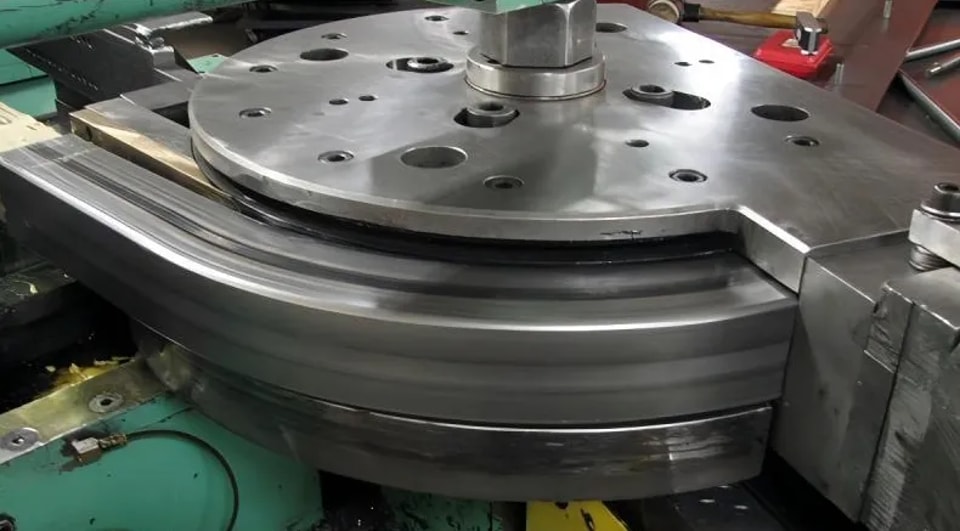
Motor maintenance boils down to four things: heat dissipation and dust removal, bearing lubrication, wiring tightening, and insulation testing. Making these routine tasks significantly reduces unexpected downtime for the pipe bending machine.
Contact Us