
Comprehensive Analysis of Press Brake Lifespan and Replacement Cycl
2025-04-30

Table of Contents
Core Factors Affecting Press Brake Lifespan
- Design and Manufacturing Quality
- Frequency of Use
- Regular Maintenance Management
- Operational Environment Adaptability
Key Signals for Replacement
- Rising Maintenance Costs
- Technological Obsolescence
- Continuous Performance Decline
Frequently Asked Questions
Q1: What is the average lifespan of a press brake?
Q2: How to extend the lifespan?
Q3: When should a press brake be replaced?
Conclusion and Recommendations
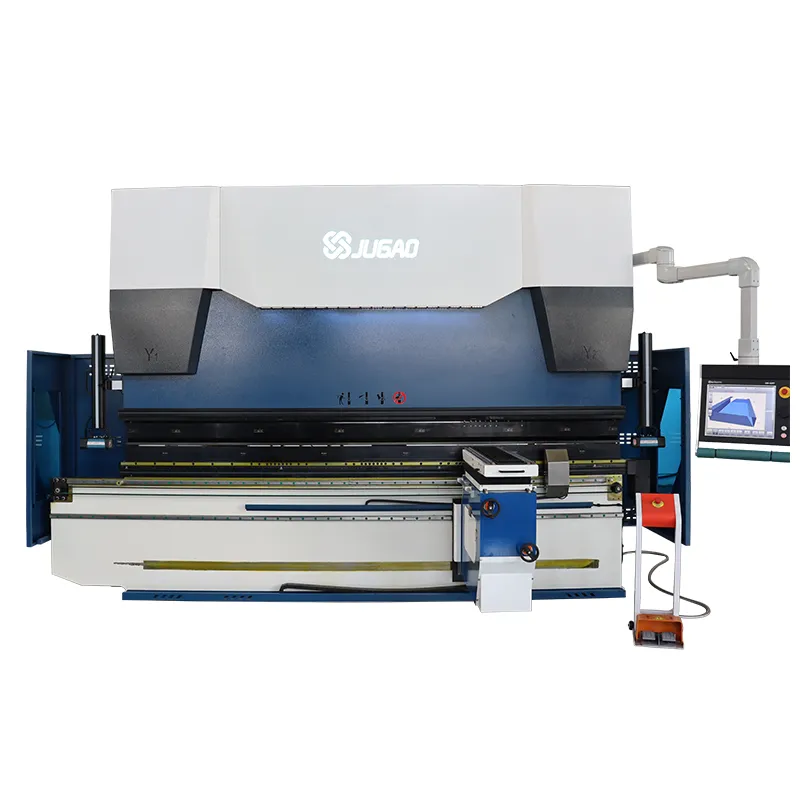
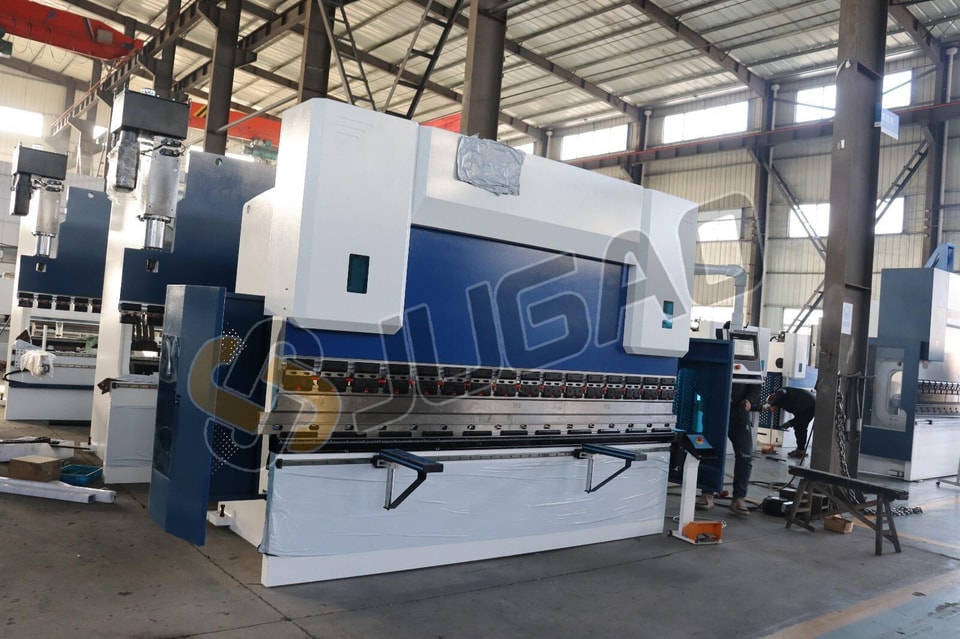
As a core equipment in sheet metal fabrication, the lifespan and replacement strategy of press brakes directly impact production costs and efficiency. This article systematically analyzes factors influencing equipment lifespan, replacement timing, and optimization strategies, empowering enterprises to implement scientific lifecycle management.
Core Factors Affecting Press Brake Lifespan
1. Design and Manufacturing Quality
The foundation of equipment longevity lies in design and manufacturing processes:
- Materials and Craftsmanship: High-precision cast frames and hardened guide rails significantly enhance fatigue resistance.
- Technical Configuration: Advanced technologies like servo motor drives and closed-loop control systems reduce long-term wear.
- Brand Selection: Prioritize ISO-certified manufacturers to ensure reliability.
Case Study: A fully welded steel-frame press brake maintained 90% accuracy after 12 years of continuous use, while a low-end model required major repairs by the 8th year under identical conditions.
2. Frequency of Use
Usage intensity and lifespan exhibit a nonlinear relationship:
- Light-Duty Scenarios(<4 hours/day): Theoretical lifespan exceeds 20 years.
- Heavy-Duty Production(24/7 operation): Core components should be evaluated every 10-15 years.
- Critical Wear Points: Focus on hydraulic seals, ram guides, and electrical contacts.
Data Reference: A automotive parts factory reported that equipment processing over 500,000 cycles annually experienced triple the hydraulic system failure rate compared to standard conditions.
3. Regular Maintenance Management
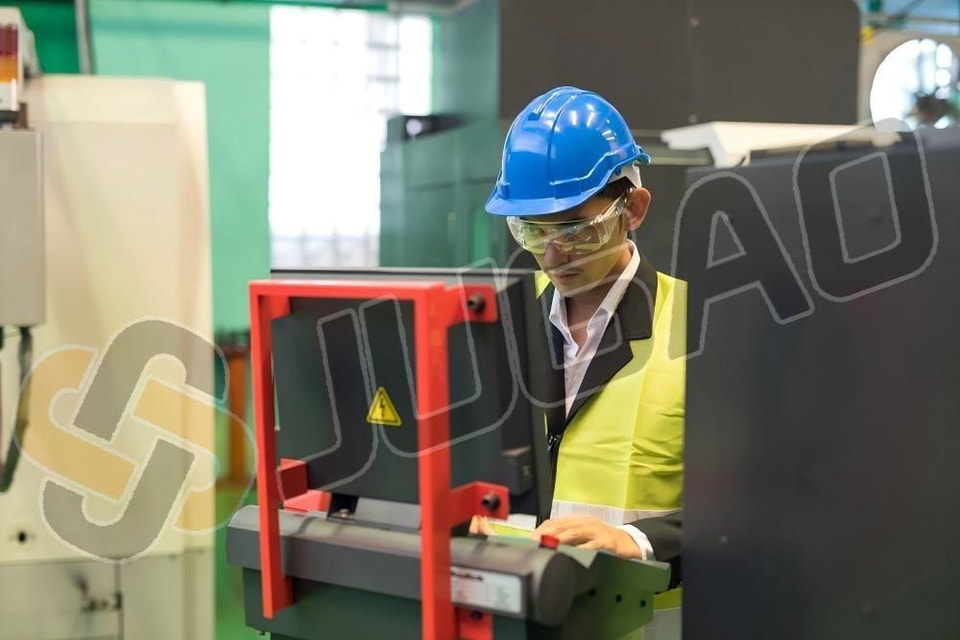
Scientific maintenance extends lifespan by 30%-50%:
- Daily Maintenance: Clean guide rail debris; check hydraulic oil levels weekly.
- Quarterly Servicing: Calibrate back gauge accuracy; inspect grating scale stability.
- Annual Overhaul: Replace hydraulic oil filters; test synchronization system torque deviation.
Maintenance Pitfall: Companies relying solely on post-failure repairs achieve <60% Overall Equipment Effectiveness (OEE), while preventive maintenance programs yield >85%.
4. Operational Environment Adaptability
Environmental impacts are often underestimated:
- Temperature/Humidity Control: Ideal conditions: 10-35°C, humidity <70%.
- Dust Prevention: Install positive-pressure air curtains to reduce electrical cabinet contamination.
- Foundation Stability: Use vibration-damping platforms in high-vibration environments to prevent frame deformation.
Extreme Case: A coastal facility without anti-salt-spray treatment experienced severe circuit board corrosion within 3 years.
Key Signals for Replacement
1. Rising Maintenance Costs
Initiate cost-benefit analysis if annual repair costs exceed 30% of residual value or single major repair costs surpass 15% of new equipment price.
Decision Model:
Replacement Threshold = (Annual Maintenance Cost + Downtime Losses) / New Equipment Annual Depreciation Cost > 1.2
2. Technological Obsolescence
Legacy equipment faces three challenges:
- Accuracy Gap: Traditional mechanical stop models: ±0.1mm repeatability vs. CNC models: ±0.02mm.
- Low Energy Efficiency: New servo press brakes reduce energy consumption by 40%-60%.
- Functionality Gaps: Smart features (e.g., 3D simulation, automatic tool change) are unattainable through retrofitting.
Upgrade Recommendation: Prioritize CNC retrofitting for hydraulic models over 10 years old.
3. Continuous Performance Decline
Include these metrics in equipment health assessments:
- Bending Angle Deviation: Exceeds tolerance by 2x for three consecutive months.
- Hydraulic Response Delay: >0.5 seconds from command to ram movement.
- Synchronization Error: Y1/Y2 axis deviation >0.05mm.
Diagnostic Tools: Use vibration analyzers and thermal imaging cameras for in-depth inspections.

Frequently Asked Questions
Q1: What is the average lifespan of a press brake?
Under standardized use and maintenance:
- Economy Models: 8-12 years
- Mid-Range CNC Models: 12-18 years
- High-End Servo Models: 15-25 years
Q2: How to extend the lifespan?
Implement a three-tier maintenance strategy:
- Operator Level: Pre-shift lubrication checks; post-shift workspace cleaning.
- Technician Level: Monthly hydraulic pressure curve and electrical insulation tests.
- Expert Level: Annual frame stress analysis and CNC firmware updates.
Q3: When should a press brake be replaced?
Initiate replacement evaluation if:
- Critical components (e.g., main cylinders) are discontinued without alternatives.
- Processing efficiency falls 30% below industry benchmarks.
- Safety systems fail to meet latest CE/OSHA standards.
Conclusion and Recommendations
Press brake lifecycle management requires a quantified evaluation system:
- Maintain Equipment Records: Log maintenance history, fault codes, and retrofits.
- Adopt IoT Monitoring: Real-time tracking of pressure, temperature, and vibration.
- Develop 5-Year Rolling Plans: Align replacement timelines with capacity planning and technological trends.
Action Guide: Annual third-party inspections to generate Equipment Health Reports for data-driven decisions.
Contact Us