
How Do Punching Machines Serve the Rail Industry?
2026-10-24

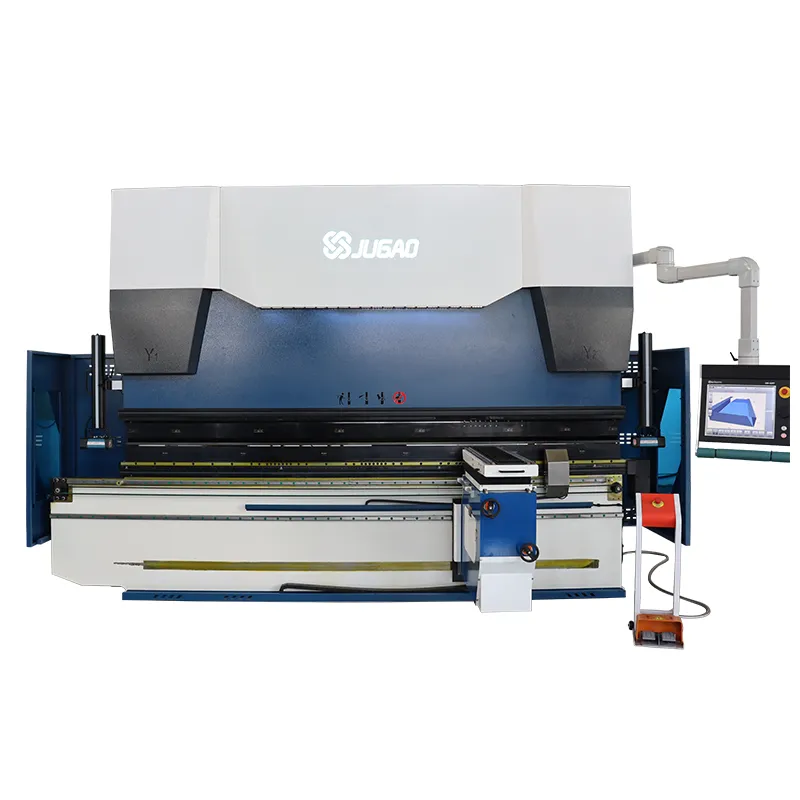
Punching machines carry real weight in the rail sector, taking care of shaping, cutting, and prepping metal parts with dependable precision. If you would like to know how these presses are put to work in railway production, you have come to the right spot. Below I go through their main jobs, the places they are used, how they are set up, and how to keep them healthy, so you can see how they satisfy the demanding standards of rail manufacturing. Whether you are fresh to the field or have spent years in it, this guide offers the practical insight you are looking for.
What Punching Machines Do in Rail Manufacturing
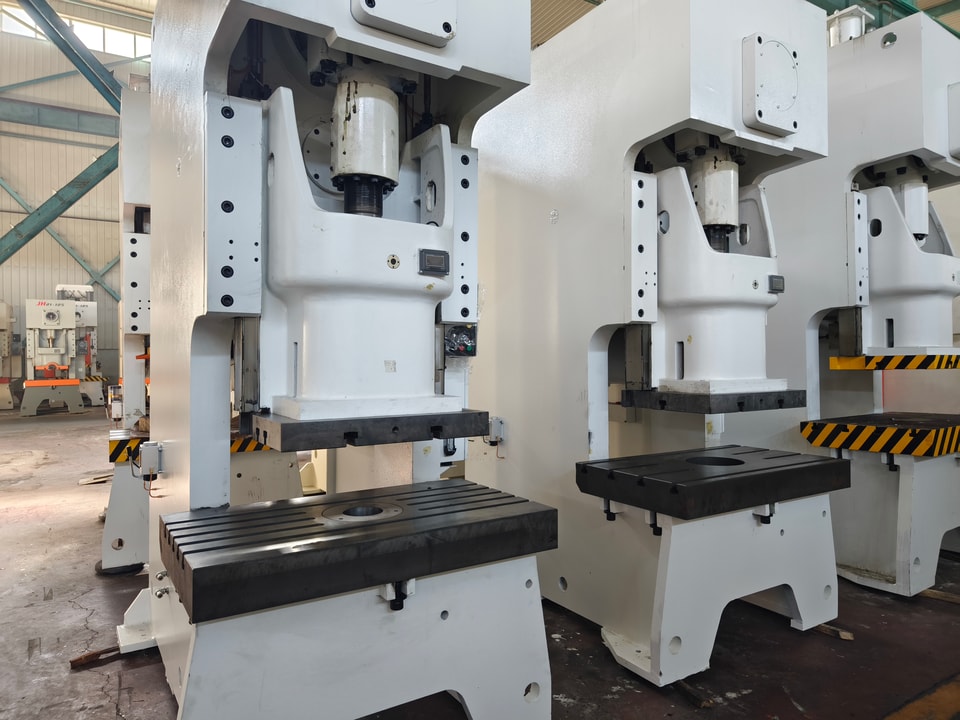
Rail presses form clean holes, slots, and outlines in metal sheets and profiles. That is central when building railcars, locomotive parts, and track infrastructure. Because these machines stay accurate and repeat run after run, they let manufacturers hold to safety targets and turn out dependable parts.
Uses in Railcar Body Production
One of the most frequent roles for rail presses is making the body panels of railcars. Punching opens the spaces needed for airflow, electrical cables, and the mounting of fasteners. That keeps railcars safe and functional while the finish stays clean.
Uses in Track and Infrastructure Parts
Rail presses are also widely called on to build parts for tracks and the structures that support them. Items such as brackets, fasteners, and reinforcement members need exact punching so they stay aligned and hold up under heavy loads.
Getting a Punching Machine Ready for Rail Parts
Step 1 - Prepare the Work Area
Before I switch the press on, I always keep the workspace clean and clear of metal scraps. A tidy area guards the machine against harm and makes operation safer. In rail work, where large sheets and profiles are common, leaving enough room around the press matters all the more.
Step 2 - Fit and Adjust the Tooling
Next I put in the punch and die set that matches the rail part being made. Getting the tooling lined up is key, since even a small slip can turn out defective holes or waste material. I also check that the tooling is locked in tight so it cannot shift during the run.
Step 3 - Calibrate the Machine
Calibration makes sure the press gives accurate results. In rail jobs, even a small slip can cause assembly trouble later on. I rely on gauges and digital measuring tools to confirm that the punch and die line up correctly. This step is central to holding the tight tolerances rail work calls for.
Keeping Rail Punching Machines in Good Shape
Routine Inspections
I carry out routine checks on the press to catch early signs of wear. That means looking over the punches and dies for wear, watching the hydraulic system for leaks, and reading the control screen for any alerts.
Lubrication and Cleaning
To keep the press running smoothly, oiling is a must. I apply lubricant to the moving parts on a schedule and clear the work area at the end of each shift. That keeps metal dust and scrap from upsetting the accuracy of the machine.
Preventive Maintenance for Best Performance
Besides the day-to-day checks, every few months I book a preventive-service session. That covers recalibrating sensors, replacing tooling that has worn out, and testing the safety gear. This kind of care stretches the life of the press and keeps costly downtime low.
Frequently Asked Questions
Why do punching machines matter so much in rail manufacturing?
They deliver precise and repeatable results, which is why they are central to building top-grade railcars, track assemblies, and infrastructure pieces that satisfy the demanding safety and durability requirements of the industry.
What materials can rail punching machines handle?
They work across a broad set of metals, such as stainless steel, aluminum, and carbon steel, which show up often in railcar bodies and track parts.
How often should a punching machine be calibrated for rail parts?
For rail jobs, calibrate ahead of every production run to stay accurate, especially when you switch materials or component designs.
How can you get more years out of a punching machine?
Keeping the machine clean, oiling it properly, and sticking to a preventive-service plan do the most to stretch its working life and hold production efficiency.
Conclusion
Punching machines are central to building accurate, long-lasting parts for railcars and infrastructure. By clearing the work area, setting up the tooling properly, and calibrating the press as it should be, manufacturers get steady results that meet the high bar of the industry. Regular maintenance then keeps performance reliable and productivity strong over the long run.
If you would like more detail on getting the most from punching machines for your rail production needs, or if you are weighing advanced machinery for your shop, do not hesitate to contact the JUGAO team. We are here to give you expert guidance and custom solutions that keep your operations humming along.
Contact Us