
Key Points for Operating a Four-Roll Plate Rolling Machine
2026-07-20

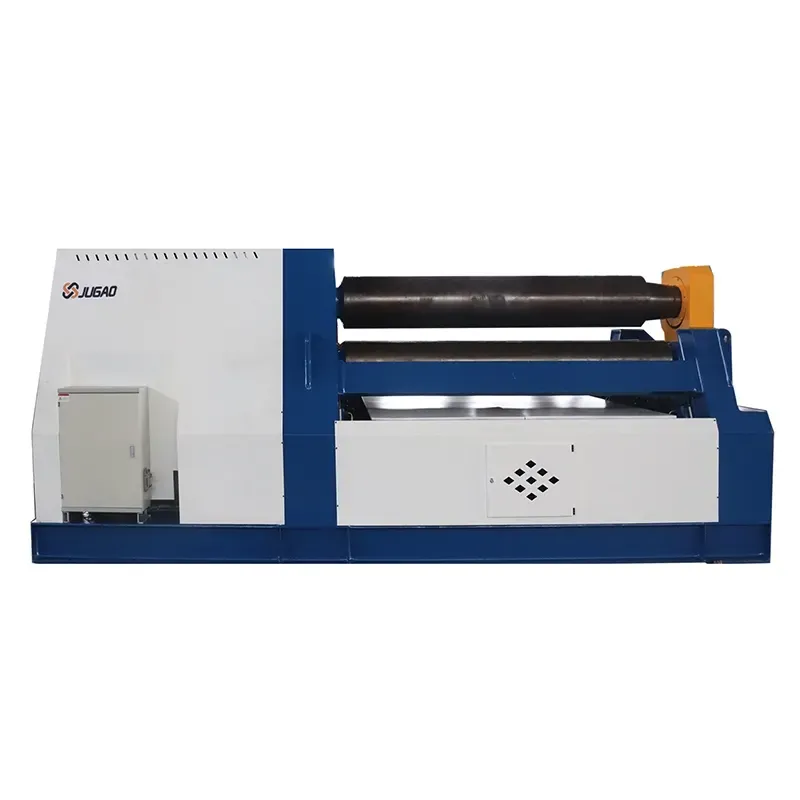
The key points for operating a four-roll plate rolling machine are as follows:
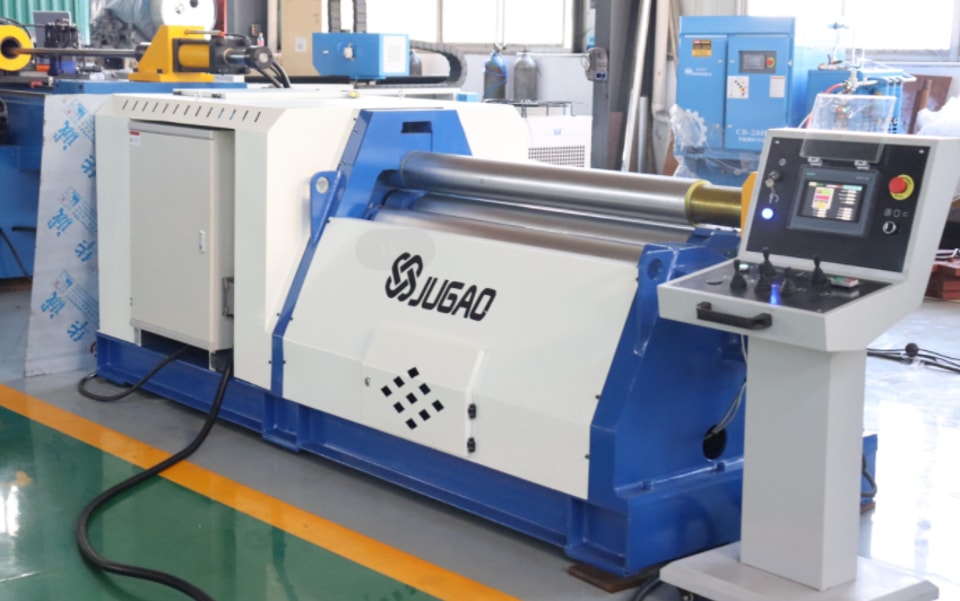
Pre-operation Preparation
Equipment Inspection: Check that all components are functioning properly, the lubrication system is working well, the hydraulic system is leak-free, the electrical control system is sensitive and reliable, and all operating handles and buttons are in the correct positions.
Clean the Work Area: Remove debris, tools, etc., from the worktable and around the equipment to ensure a clean and unobstructed work area, preventing collisions or other safety accidents during operation.
Prepare Materials: Prepare the plates to be processed according to the rolling requirements. Check that the dimensions, thickness, and material of the plates meet the requirements, and that there are no surface defects. Ensure that the edges of the plates are neat, free of burrs and flash, to avoid affecting the rolling quality or damaging the equipment.
Loading and Centering
Lifting Plates: Use suitable lifting equipment (such as overhead cranes, gantry cranes, etc.) to smoothly lift the plates onto the plate rolling machine's worktable. During lifting, take care to avoid collisions between the plates and the equipment or other objects.
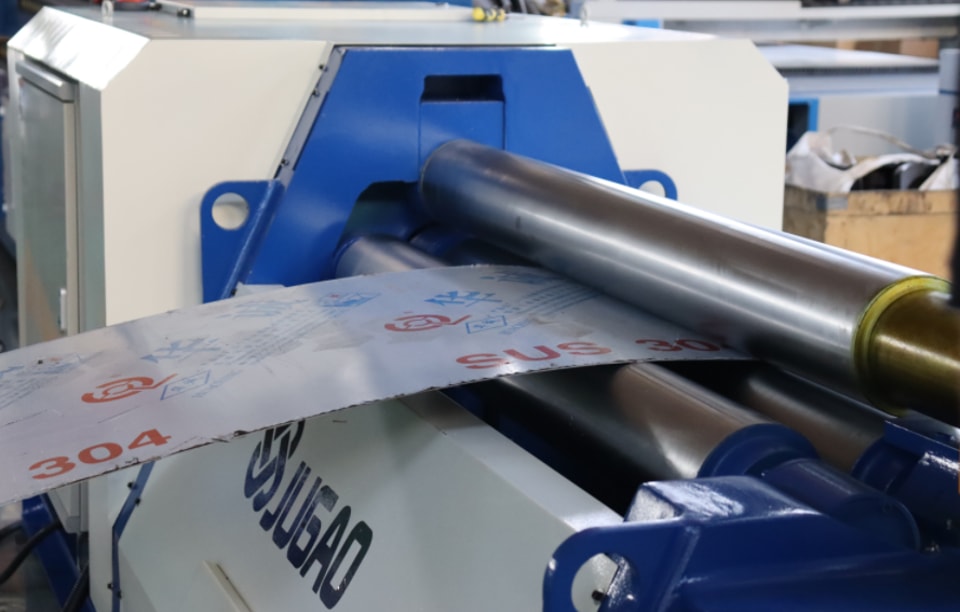
Centering the Plate: By moving the side rollers of the plate rolling machine or using other centering devices, align the centerline of the plate with the centerline of the plate rolling machine to ensure uniform stress on the plate during rolling and good roundness of the rolled cylinder.
Adjusting Roller Spacing:
Initial Adjustment: Based on the plate thickness and rolling requirements, initially adjust the spacing between the upper roller, lower roller, and two side rollers. Generally, the spacing between the upper and lower rollers should be slightly less than the plate thickness, and the spacing between the two side rollers should be adjusted appropriately according to the plate width and the diameter of the rolled cylinder.
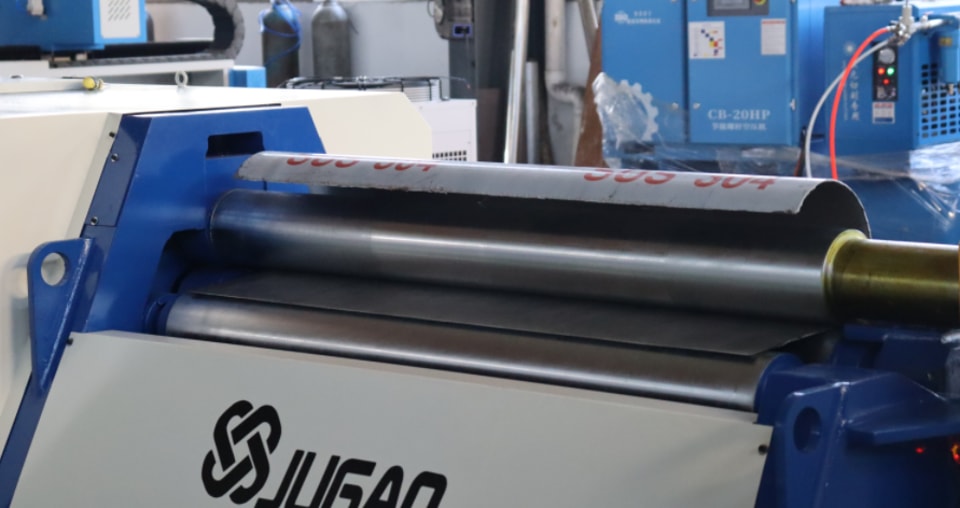
Trial Roll Adjustment: Perform a trial roll operation. Feed one end of the plate into the plate rolling machine and slowly start the machine to initially roll the plate between the rollers. During the trial roll, observe the rolling condition of the plate. If uneven rolling or deviation is found, stop the plate rolling machine immediately and readjust the roller spacing until the plate can be rolled evenly.
Rolling Process Control:
Controlling Rolling Speed: Select an appropriate rolling speed based on the material, thickness, and rolling difficulty of the plate. Generally, for thinner, softer sheets, the rolling speed can be appropriately increased; while for thicker, harder sheets, the rolling speed should be reduced to prevent excessive deformation or equipment overload.
Observe the sheet curling: During the rolling process, closely observe the sheet curling, such as whether there are scratches or wrinkles on the surface, and whether the curling curvature meets the requirements. At the same time, listen carefully to the operating sound of the equipment; if any abnormal sounds or vibrations are detected, stop the machine immediately for inspection.
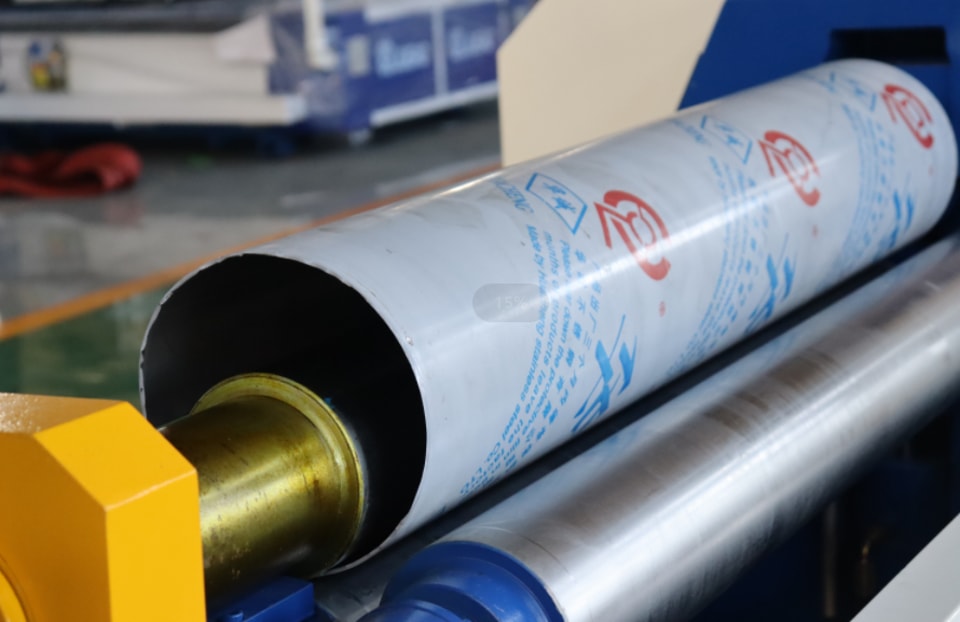
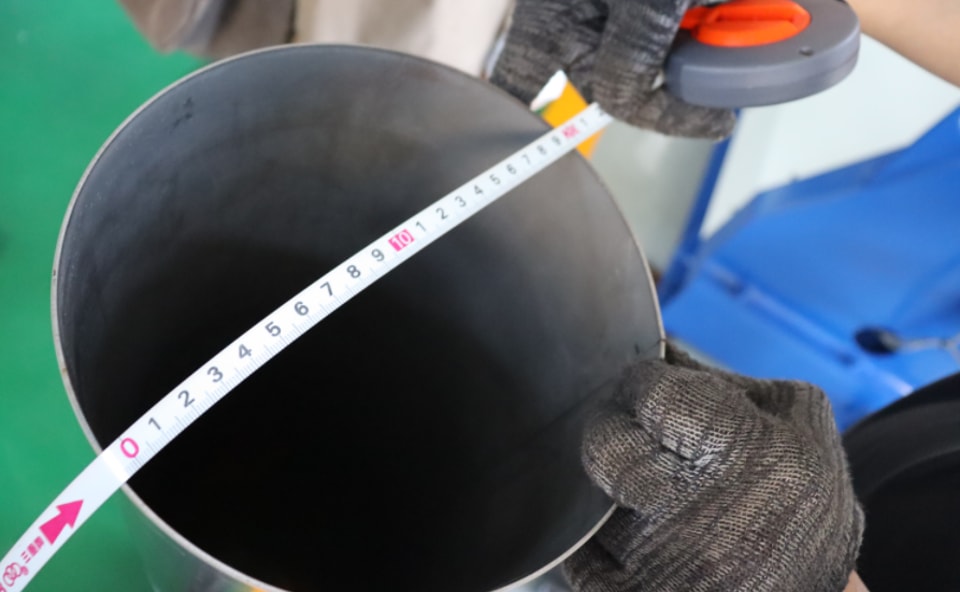
Measure the cylinder diameter: During the rolling process, measure the cylinder diameter regularly to ensure that the rolled cylinder dimensions meet the requirements. Measurements can be taken using calipers, tape measures, or a specialized cylinder diameter measuring instrument.
Unloading and subsequent processing
Unloading: After rolling, first raise the upper roller, then use hoisting equipment to lift the rolled cylinder off the plate rolling machine's worktable. During unloading, take care to protect the surface of the cylinder to avoid scratches or collisions.
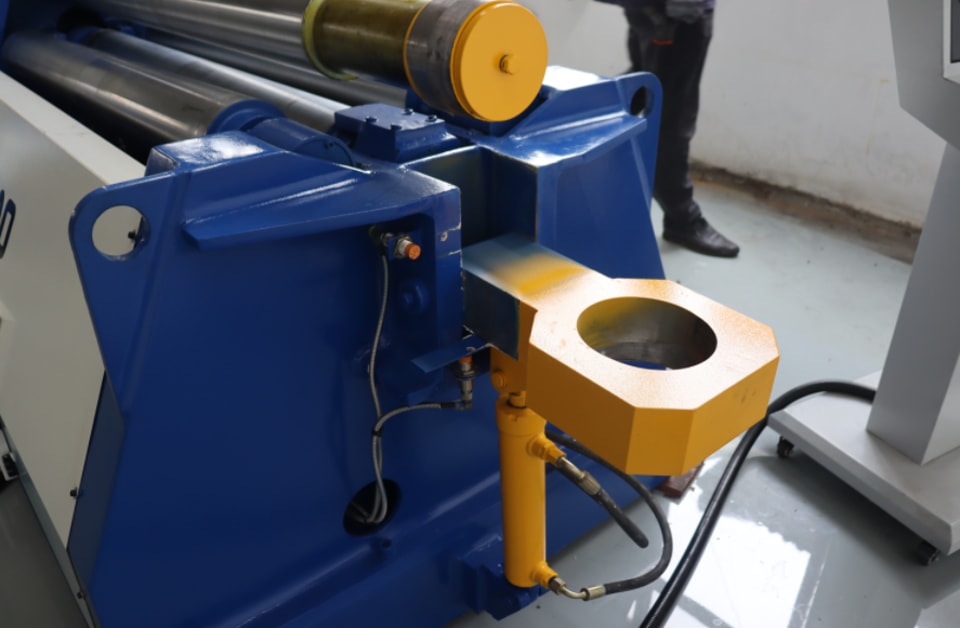
Equipment Cleaning: After unloading, promptly clean up debris and waste from the plate rolling machine's worktable and perform cleaning and maintenance on the equipment. Compressed air and brushes can be used for cleaning. Then, lubricate and prevent rust on all parts of the equipment.
Quality Inspection: Conduct a quality inspection on the rolled cylinders, checking aspects such as diameter, roundness, straightness, and surface quality. If quality problems are found, analyze the causes promptly and take appropriate corrective measures.
Contact Us